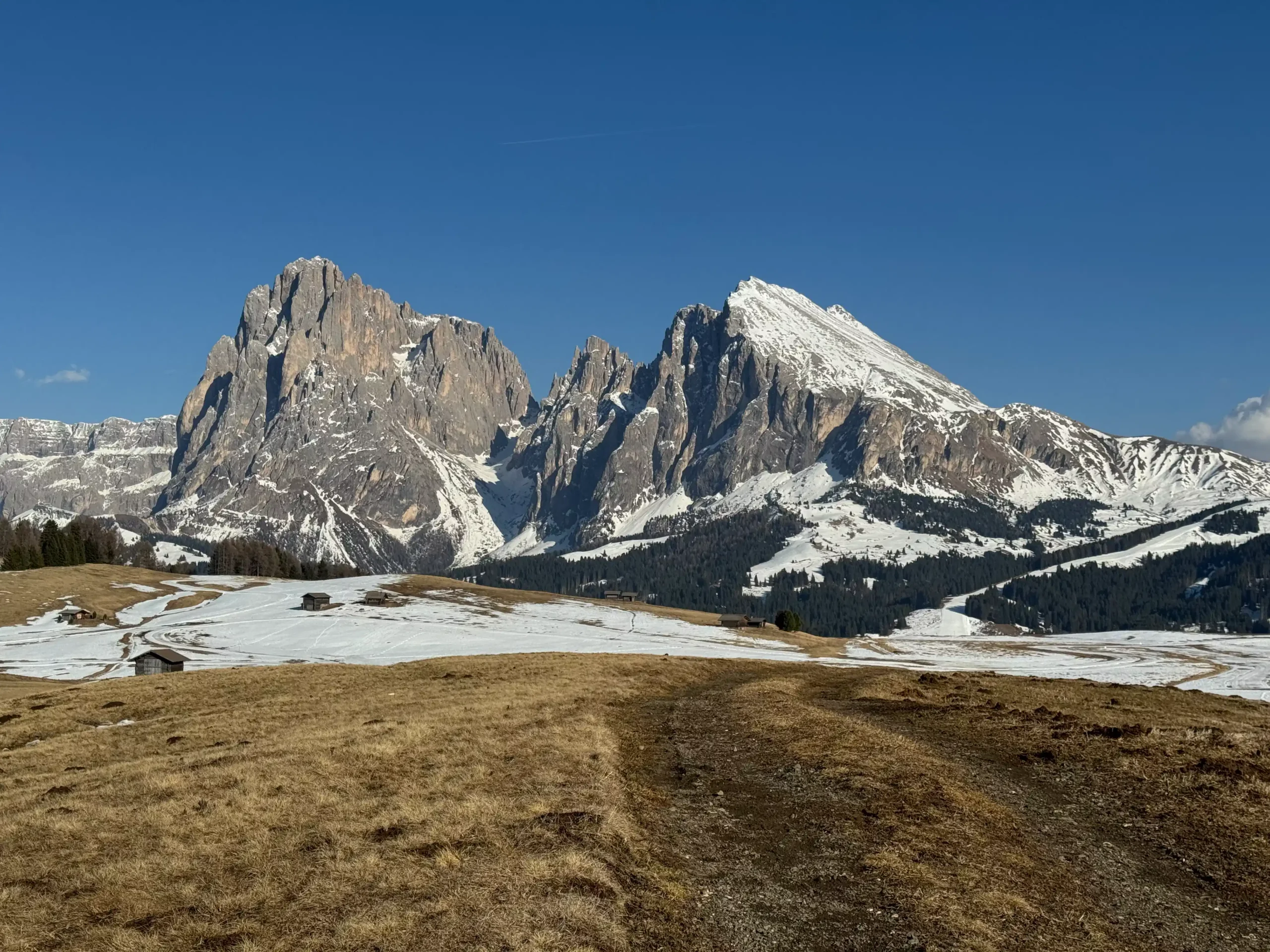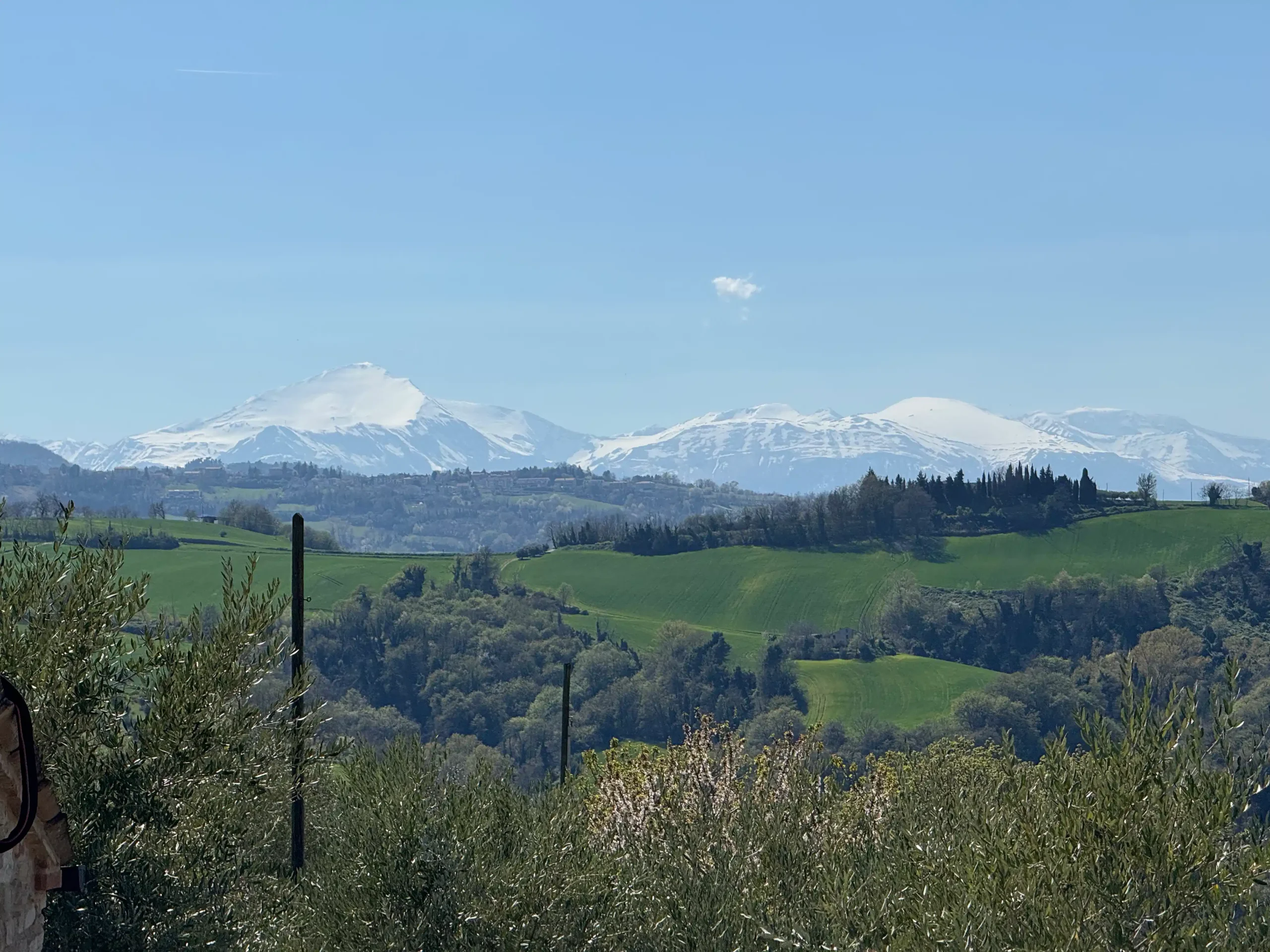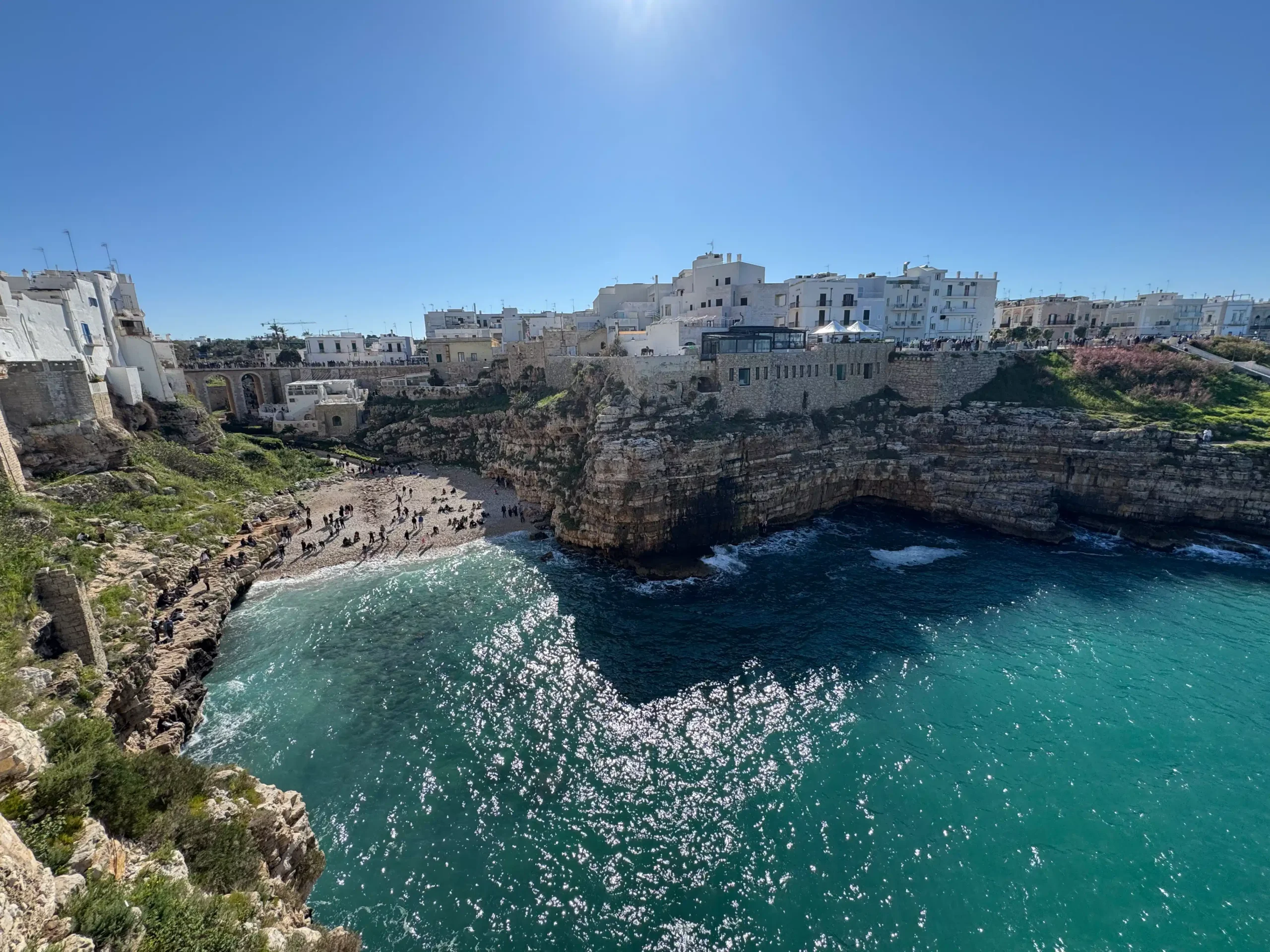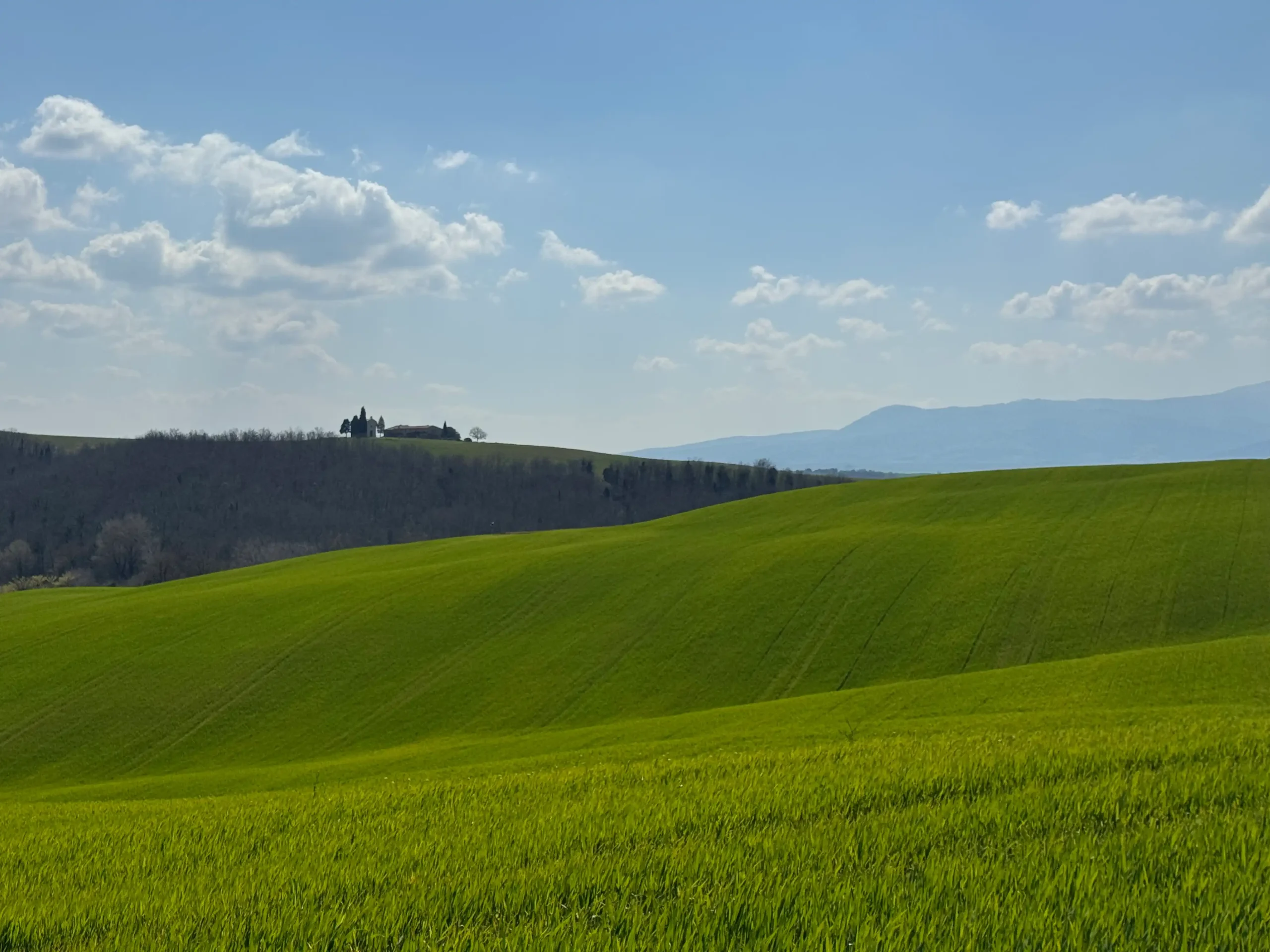
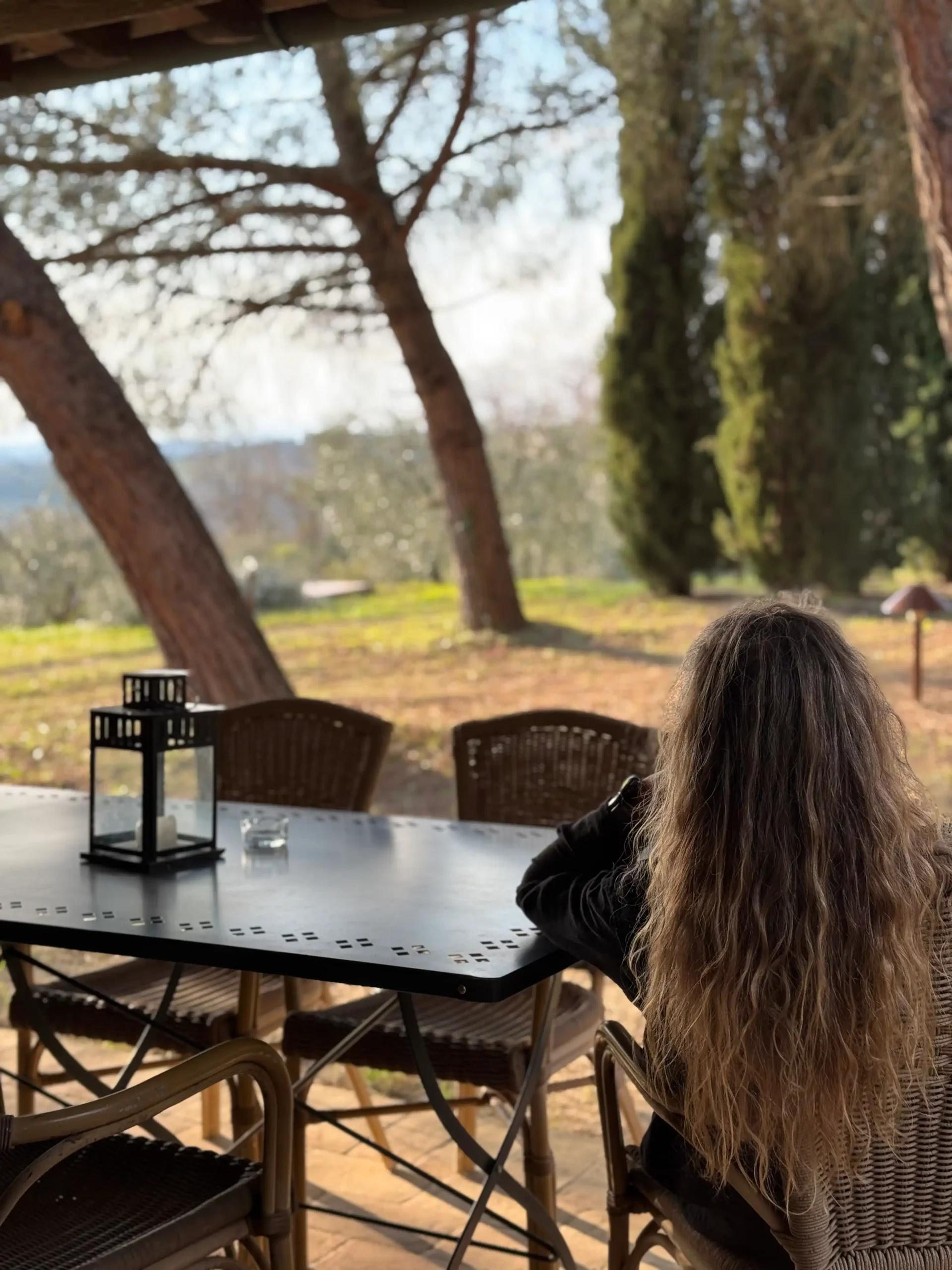
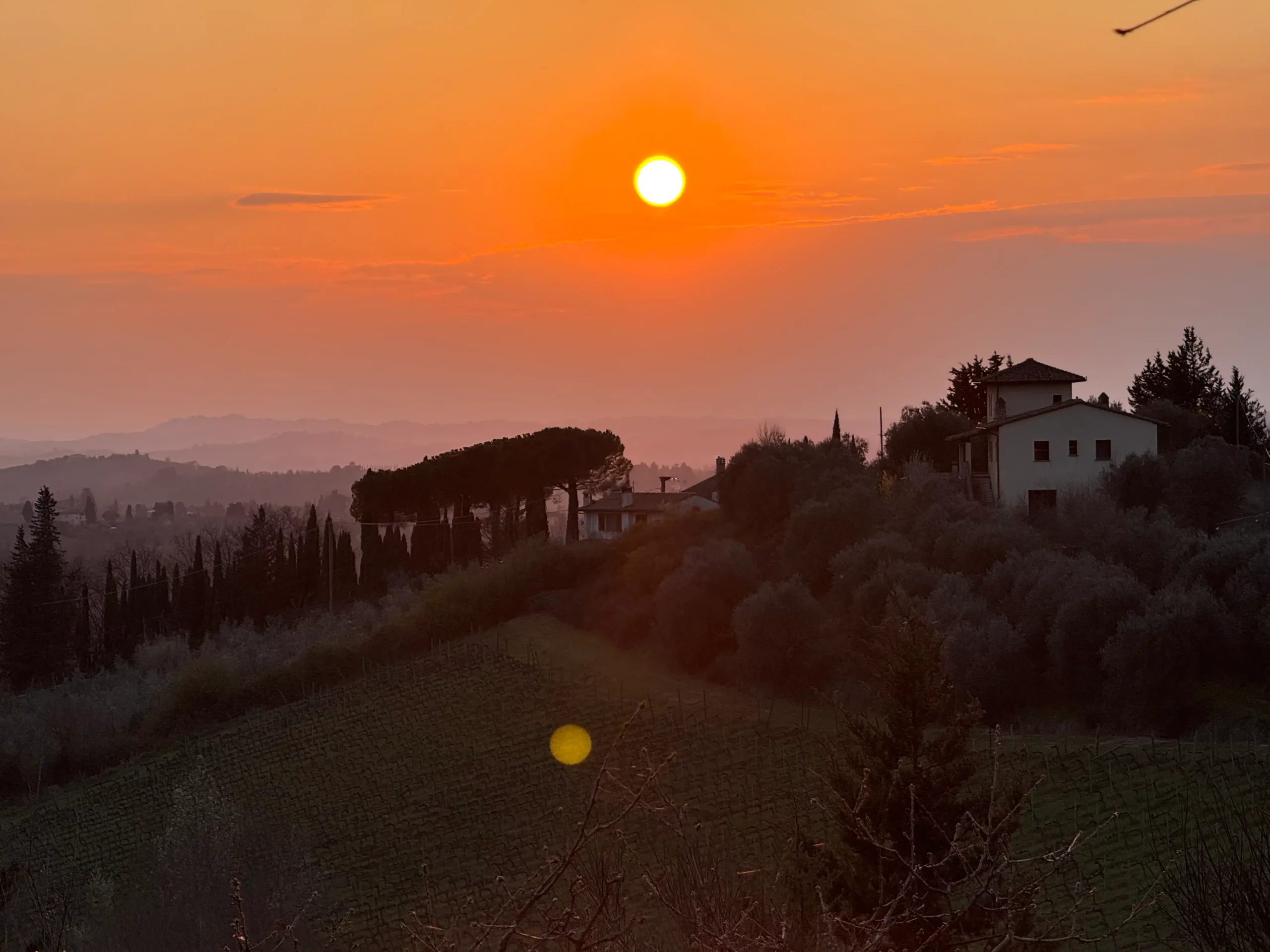
I’m sitting on the terrace of an agriturismo, and in front of me are hills, vineyards and cypresses. On my lap sits a one-year-old human chewing a crust of bread, completely uninterested in the fact that one of the most beautiful views in Europe is right in front of him. He’s far more concerned with an ant crawling across my leg.
Some links in this article are affiliate links. If you book through them I earn a small commission, at no extra cost to you.
Contents
- Why Tuscany is the best stop with a baby
- What to do in Tuscany with a baby: the reality of our 4 days
- Day 1: The agriturismo
- Day 2: Certaldo, San Gimignano, Monteriggioni
- Where to eat in Tuscany with a baby
- Tuscan food that suits a one-year-old baby
- Specific places
- Practical tips: Tuscany with a baby
- Driving
- Where to stay
- Baby logistics in Tuscany
- How to reach Montespertoli by car
- FAQ – Tuscany with a baby
And you know what – he’s right. Tuscany with a baby isn’t about the views. It’s about that ant, that grass under bare little feet, that warm bread with olive oil eaten with fingers. It’s about a slowness I would never have chosen myself – but which the baby imposes on me, and which works better in Tuscany than anywhere else.
I’m writing this article from my own experience. Tuscany (the Chianti region) was our longest stop – 4 nights – on a month-long road trip through Italy with a baby. Our base: Montespertoli, a small hilltop town 25 km from Florence. From here we took day trips by car. And if at earlier stops I sometimes felt I was dragging the baby along behind me – here, for the first time, I felt that we were travelling together.
If you want to read the trip from the beginning, take a look at Venice with a baby 2026: is it worth it and how to cope.
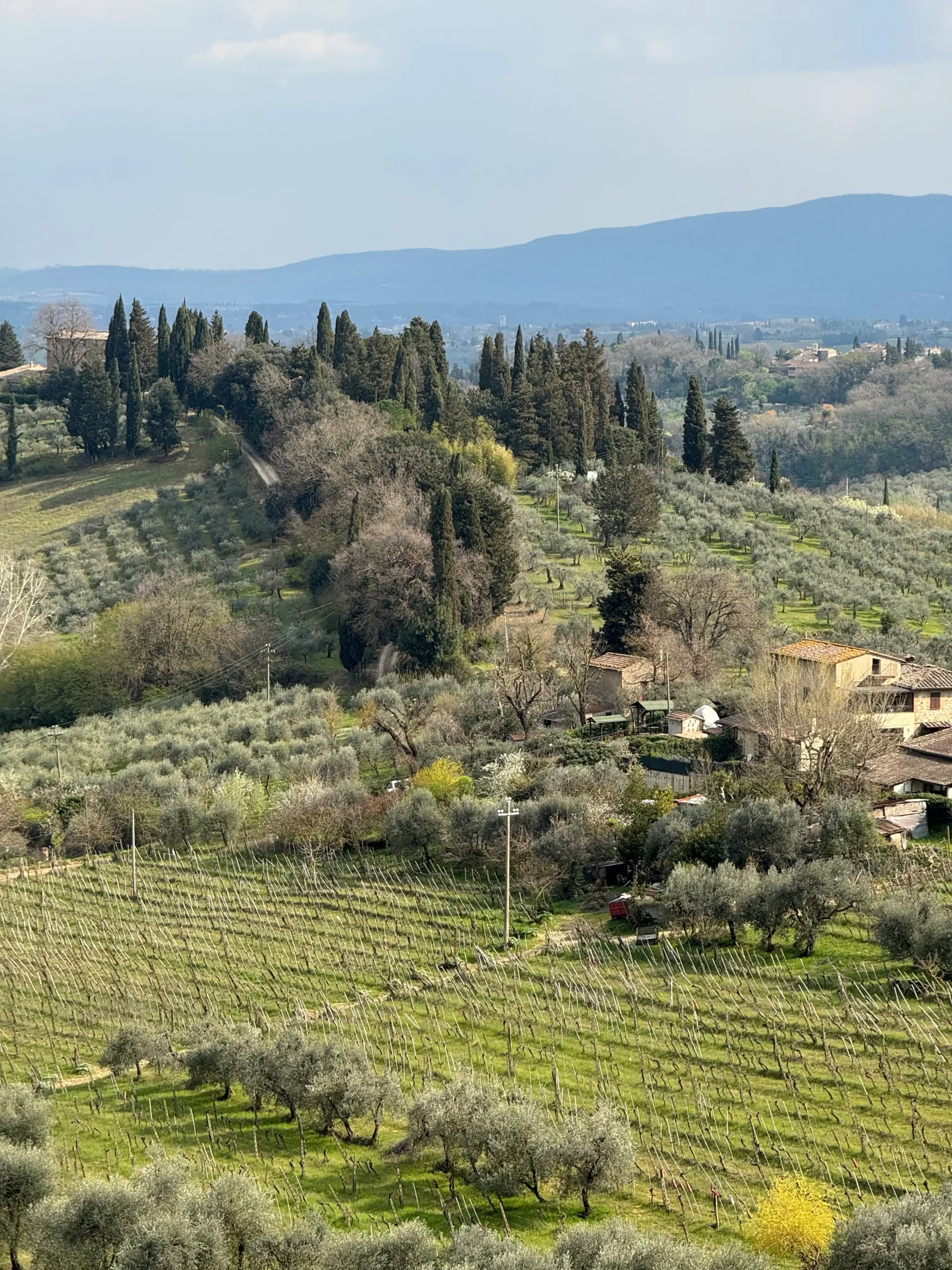
Why Tuscany is the best stop with a baby
When I was planning this trip to Tuscany, I spent a long time deciding where to stay. Florence is close to everything, but it’s expensive, noisy, and with a car it’s a guaranteed headache. Siena is beautiful in itself, but standing in one city for four days when there’s so much around you is silly.
The solution: the area around Montespertoli. A small wine-region town about 30 km south-west of Florence, from which:
- To Florence: 40 min by car (~30 km)
- To San Gimignano: 35 min (~30 km)
- To Siena: 50 min (~55 km)
- To Pienza and Val d’Orcia: 1 h 45 min (~115 km)
- To the coast near Pisa: about 1 h 30 min
It’s a geographic sweet spot and, importantly, an agriturismo here costs around €95–130 a night for a double room with breakfast. In the centre of Florence you’d pay €180–250 for the same room and get street noise right by your window as a bonus.
Agriturismo culture. Agriturismo in Italian means a farmhouse with rooms. It’s not a hotel, it’s a family home where you’re a guest, and very often breakfast and dinner are made from that same farm’s produce. We stayed about 8 km from the centre of Montespertoli itself, on a farm that makes wine and olive oil.
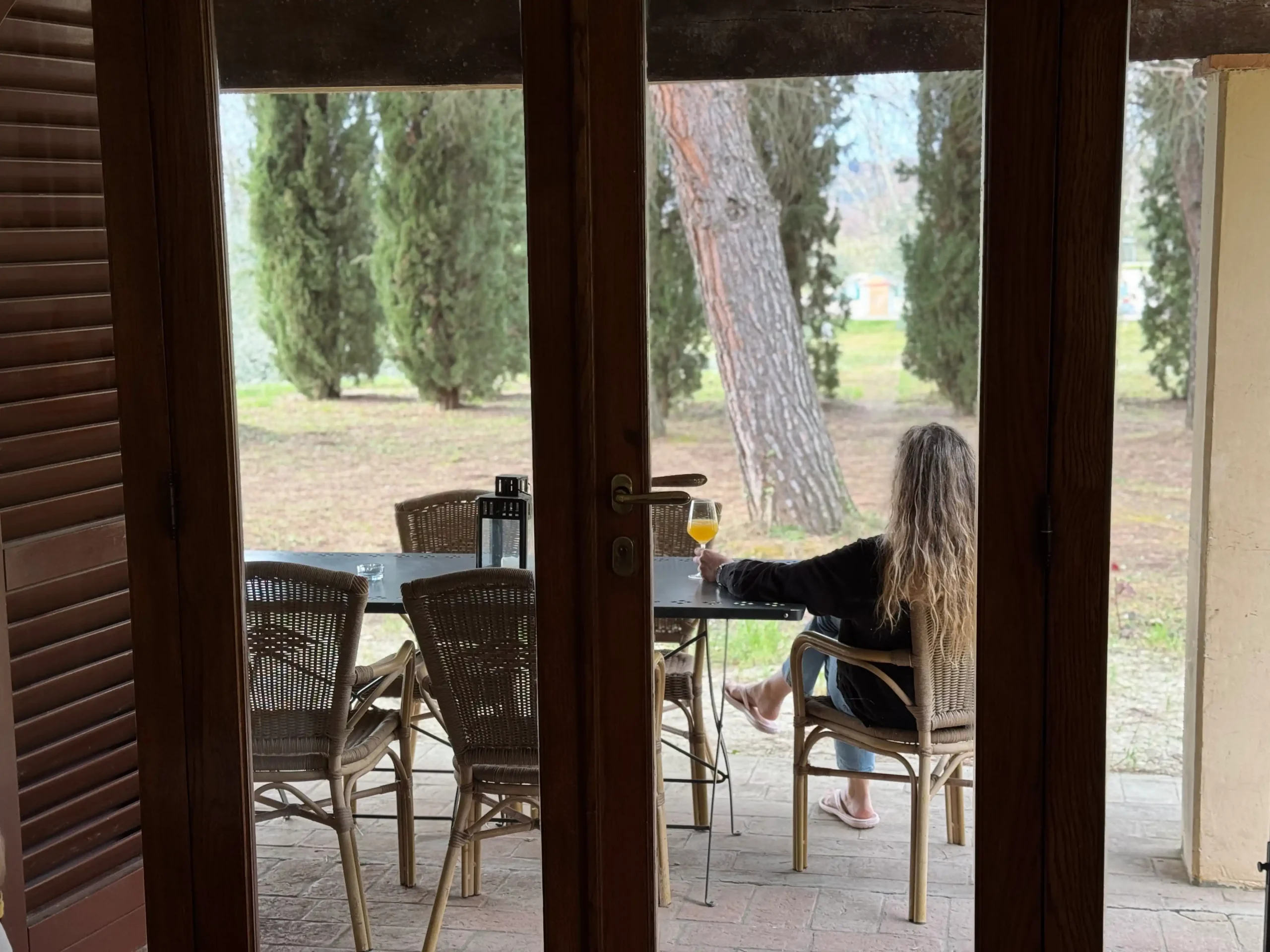
The pace. In the Chianti region no one is in a hurry. Lunch lasts two hours, and the shops close for the afternoon. People sit on benches. With a baby who demands an afternoon nap, slow breakfasts and breaks – this rhythm simply matches.
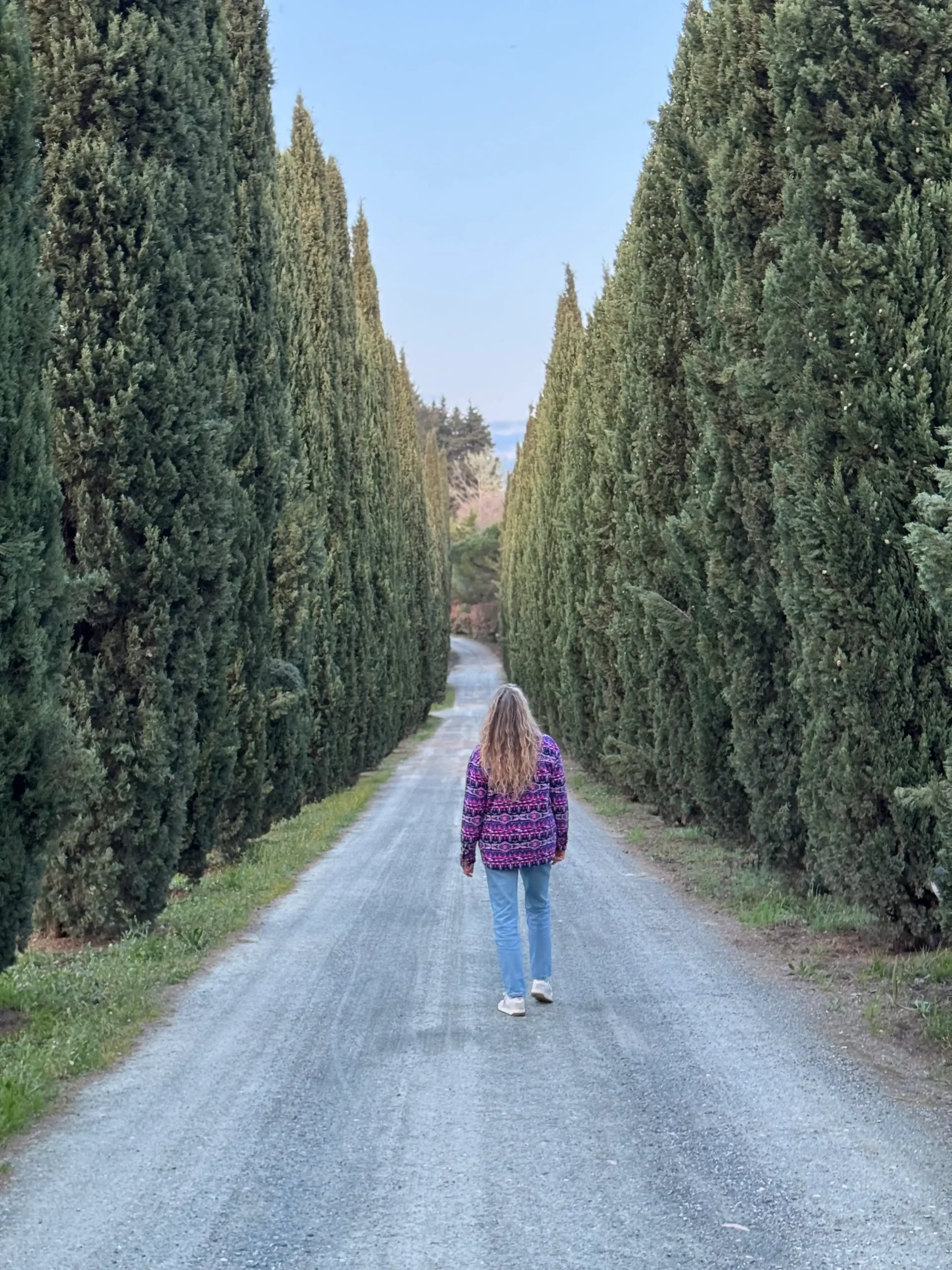
The roads. Tuscany’s roads are beautiful, winding, running between hills, past cypress avenues and vineyards. The baby slept in the car, we listened to music and looked out of the window. Driving here isn’t stress – it’s part of the experience.
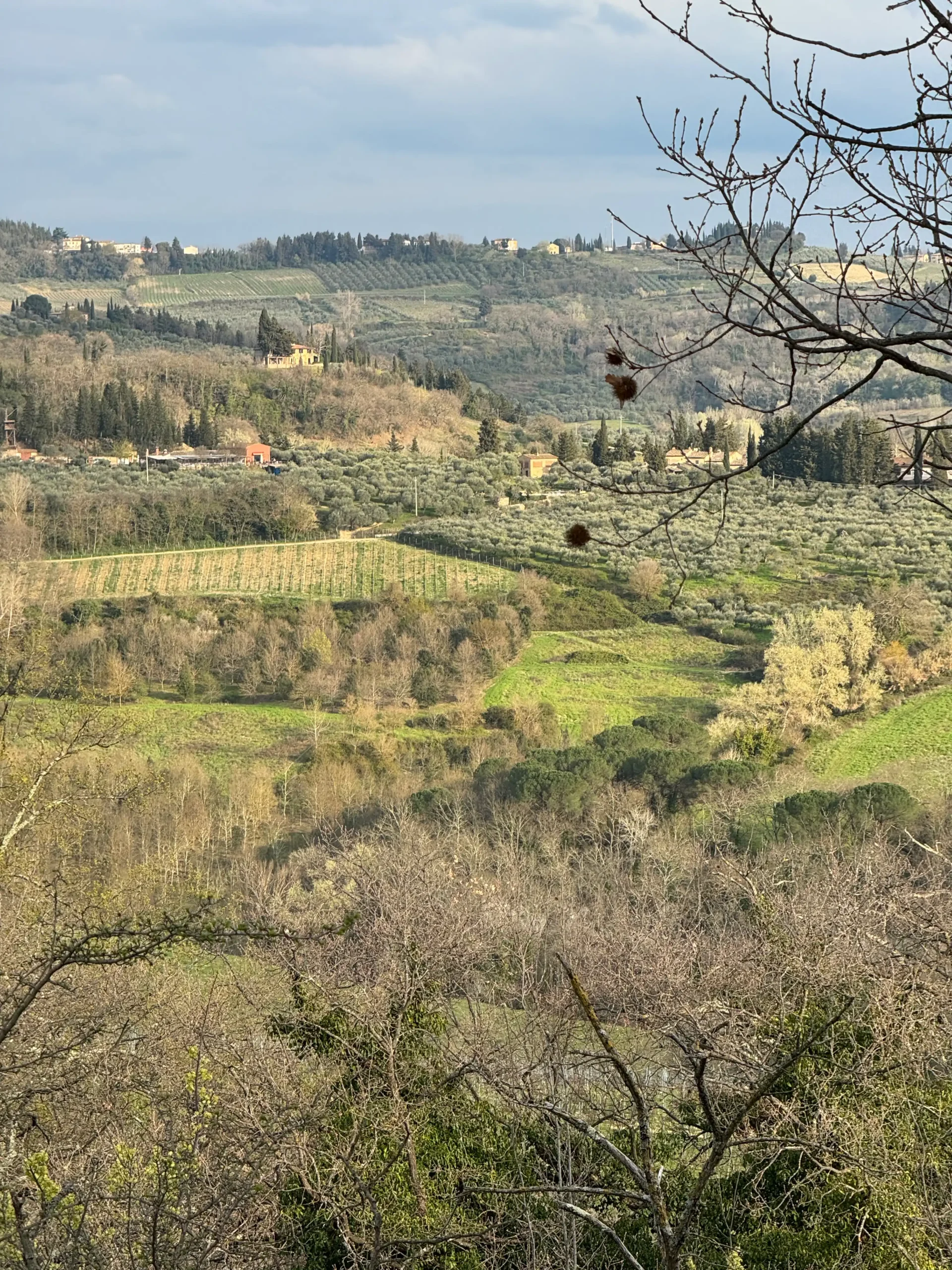
The food. Tuscan cuisine is simple, and that’s a good thing. Bread with olive oil, ribollita soup, pappa al pomodoro (a tomato mush with bread – ideal baby food), soft gnocchi.
What to do in Tuscany with a baby: the reality of our 4 days
Day 1: The agriturismo
In Italy the autostrade (motorways) are toll roads. The system is simple: you take a ticket when you enter and pay when you leave. You can pay by contactless card (any contactless card works), in cash or via Telepass. The average price is about €0.07 per kilometre. From Bologna to Florence we paid €12.
The last stretch of road from Florence to Montespertoli, along hairpin bends through the hills, is the part where you finally realise you’re in Tuscany. Vineyards, olive trees, someone in a village walking to a neighbour’s with a dog.
On our first day after arriving, we planned nothing. And that was the best decision. After a few days of active travel mode, the baby (and I) simply needed to be in one place.
Day 2: Certaldo, San Gimignano, Monteriggioni
The second day was “medieval towns” day. Three places, all in a line, all reachable within 30–40 km of Montespertoli. We started at 9 in the morning and got back at 7 in the evening. An intense but very worthwhile day.
Certaldo: Boccaccio’s town, which few people see
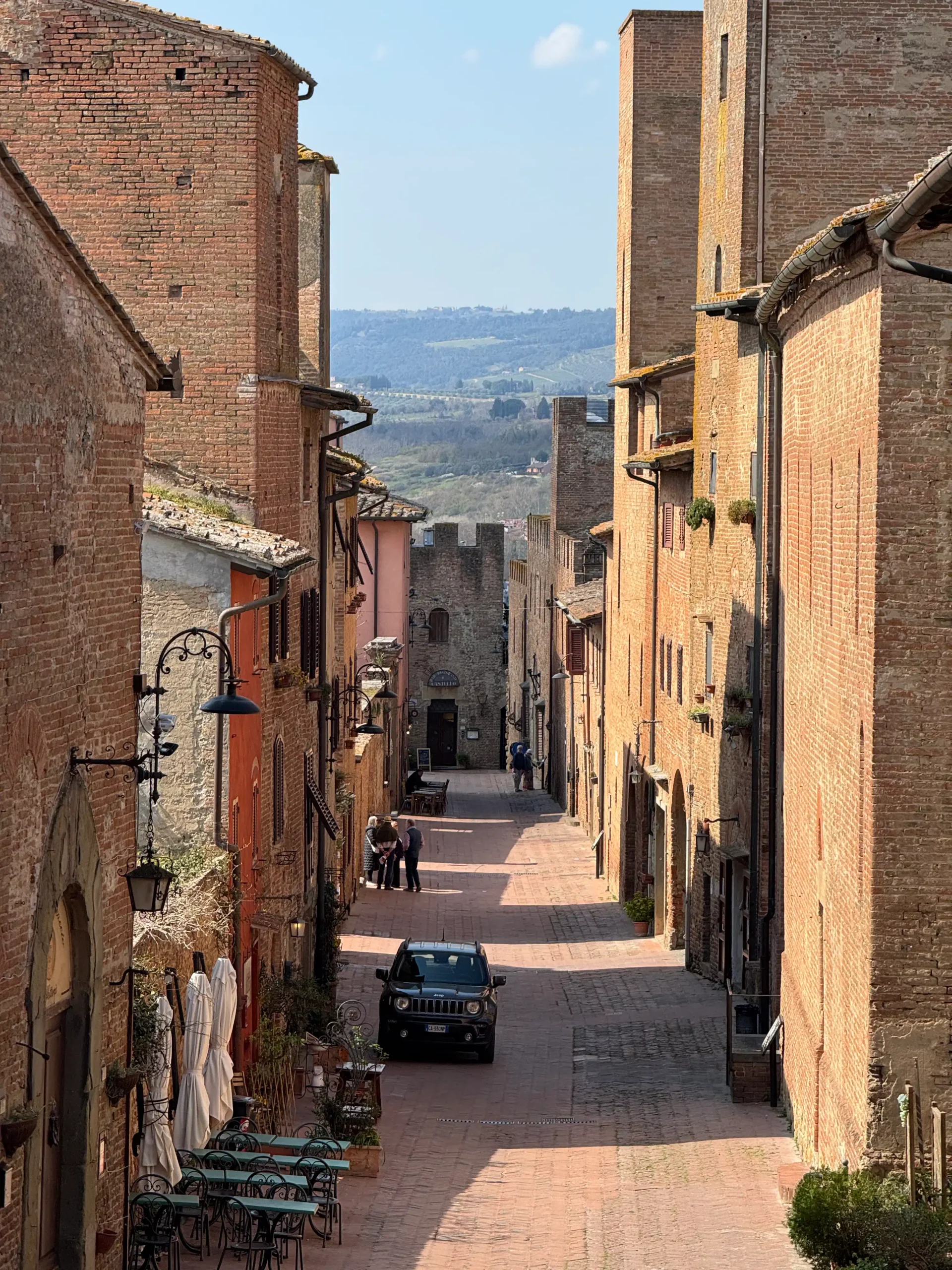
Certaldo is split into two parts: Certaldo Basso (the lower part) and Certaldo Alto (the upper part, the old town on the hill). The lower part is a plain modern town; the upper is a medieval marvel with red-brick walls and one main street.
You can get up in two ways:
- The funicolare (funicular): €1.80 one way, €2.50 return
- On foot: free, but steep, about 15 minutes
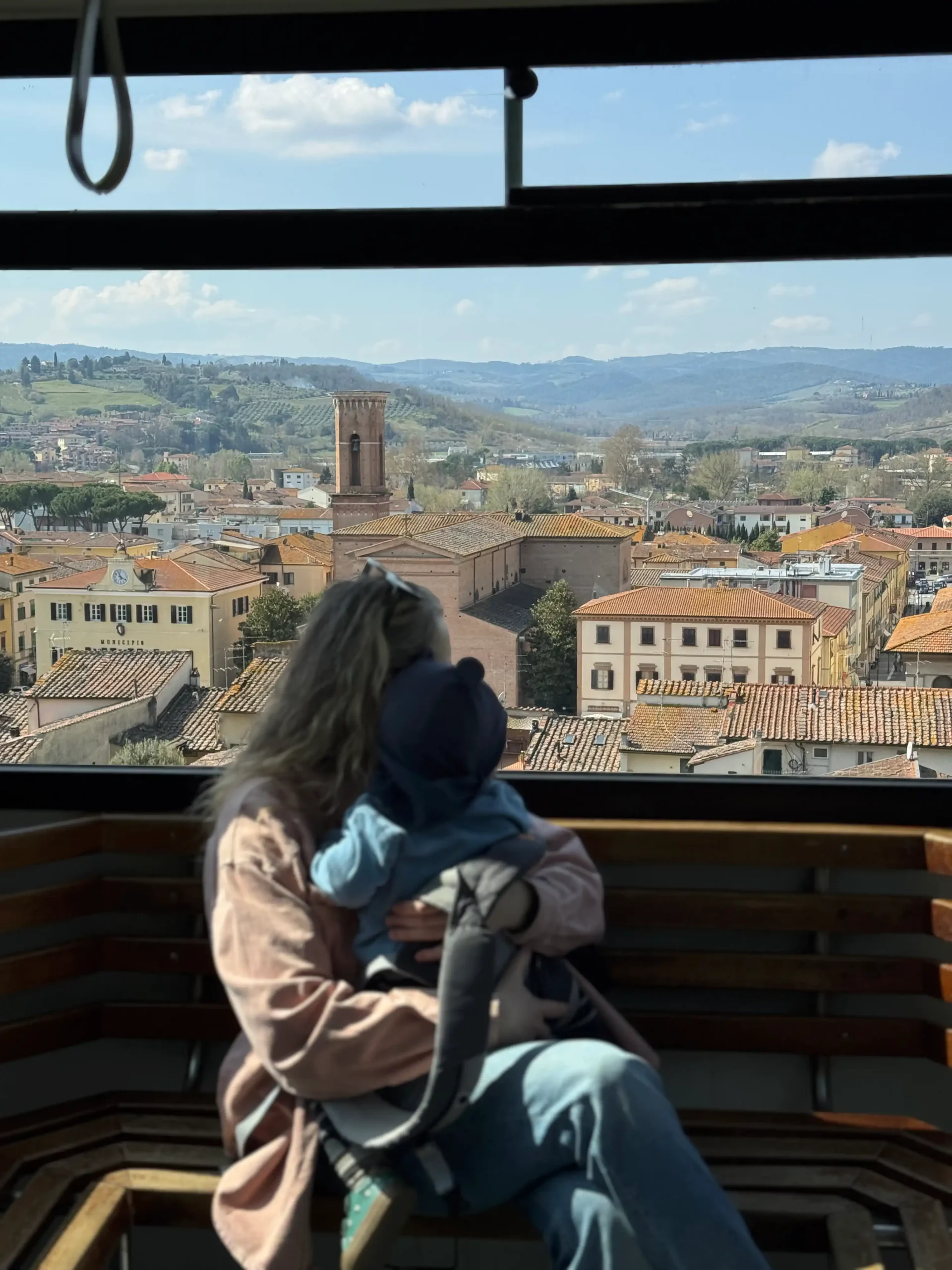
We chose the funicular both up and down, because with a baby there was no other option.
At the top: the Boccaccio house-museum (€4 entry), a few trattorias, medieval walls. Certaldo Alto has far fewer tourists than San Gimignano. You walk along a narrow street, the stones underfoot uneven, no shops selling fridge magnets.
Tip: between lunchtime and 16:00 many places are closed for riposo (the afternoon break). Plan around it.
We spent 2.5 hours in Certaldo. Enough to have a walk, a bite to eat and a rest.
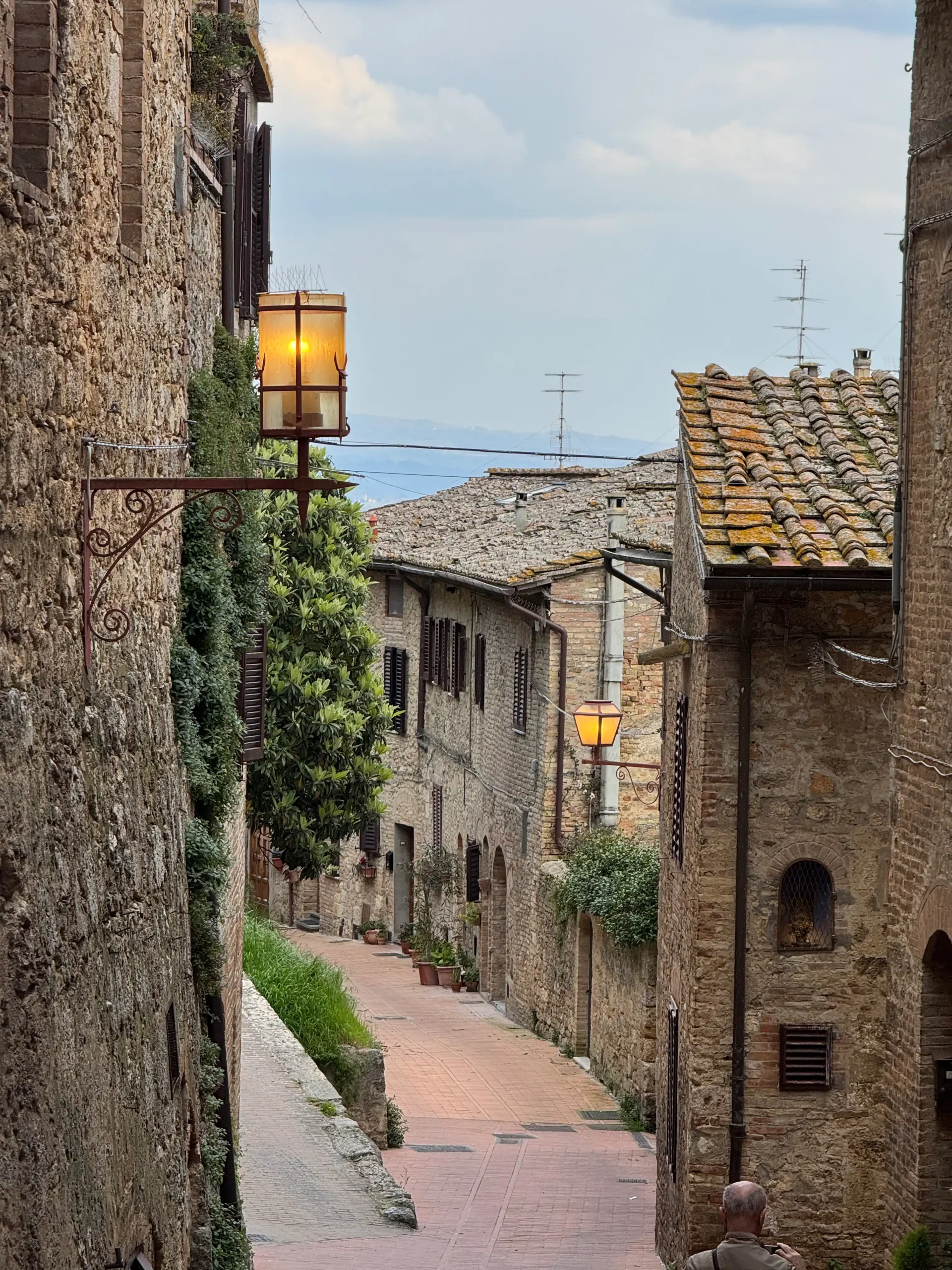
San Gimignano: when fourteen towers stand before you
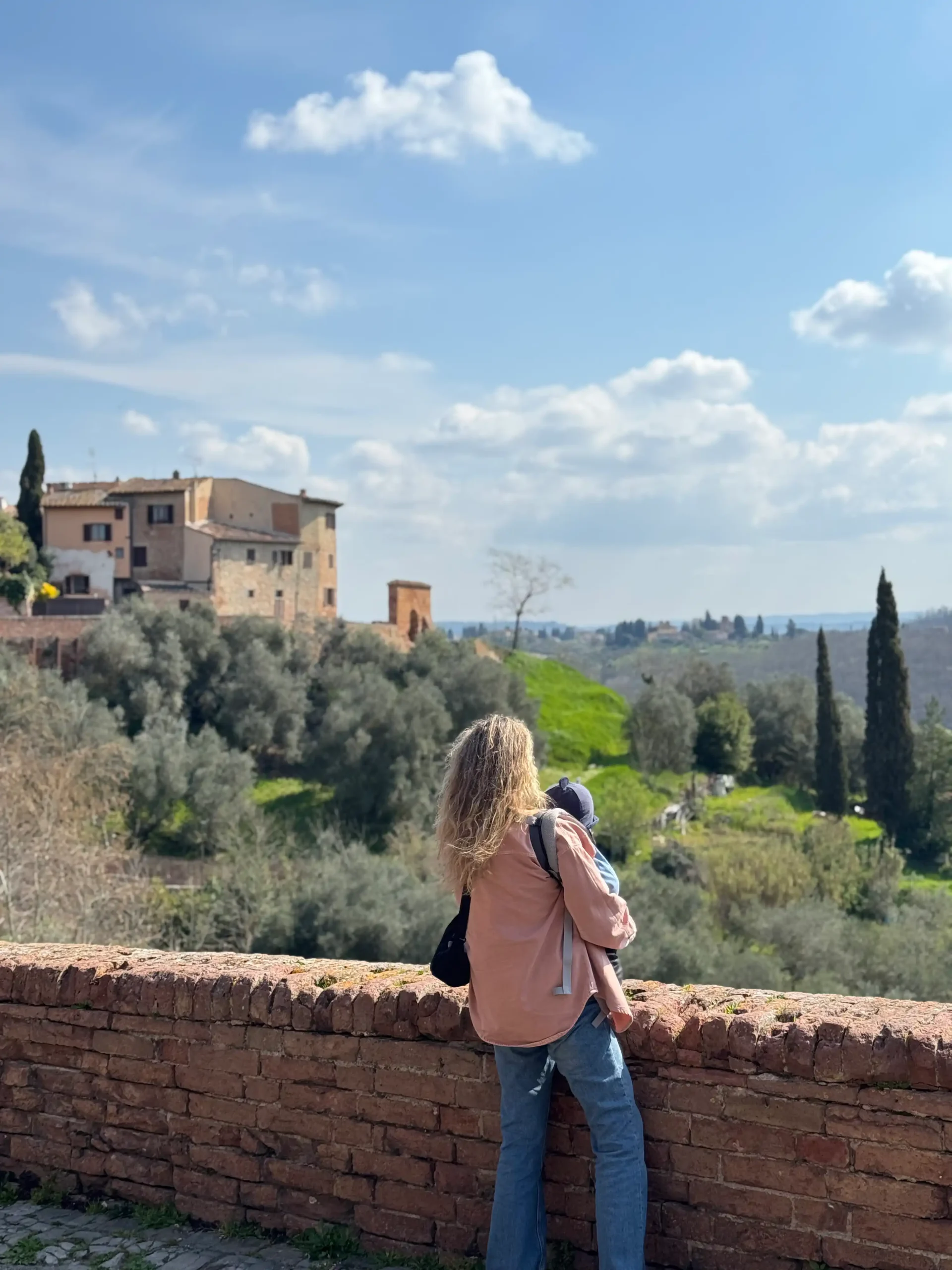
From Certaldo to San Gimignano is 15 km. We arrived at 13:00, and here the tourist reality hits you fast. San Gimignano is the star of the Tuscan postcard, and it shows in any season.
Parking: all car parks are outside the town walls and paid. We paid €2 an hour in the P2 car park. It’s an 8-minute walk to the centre.
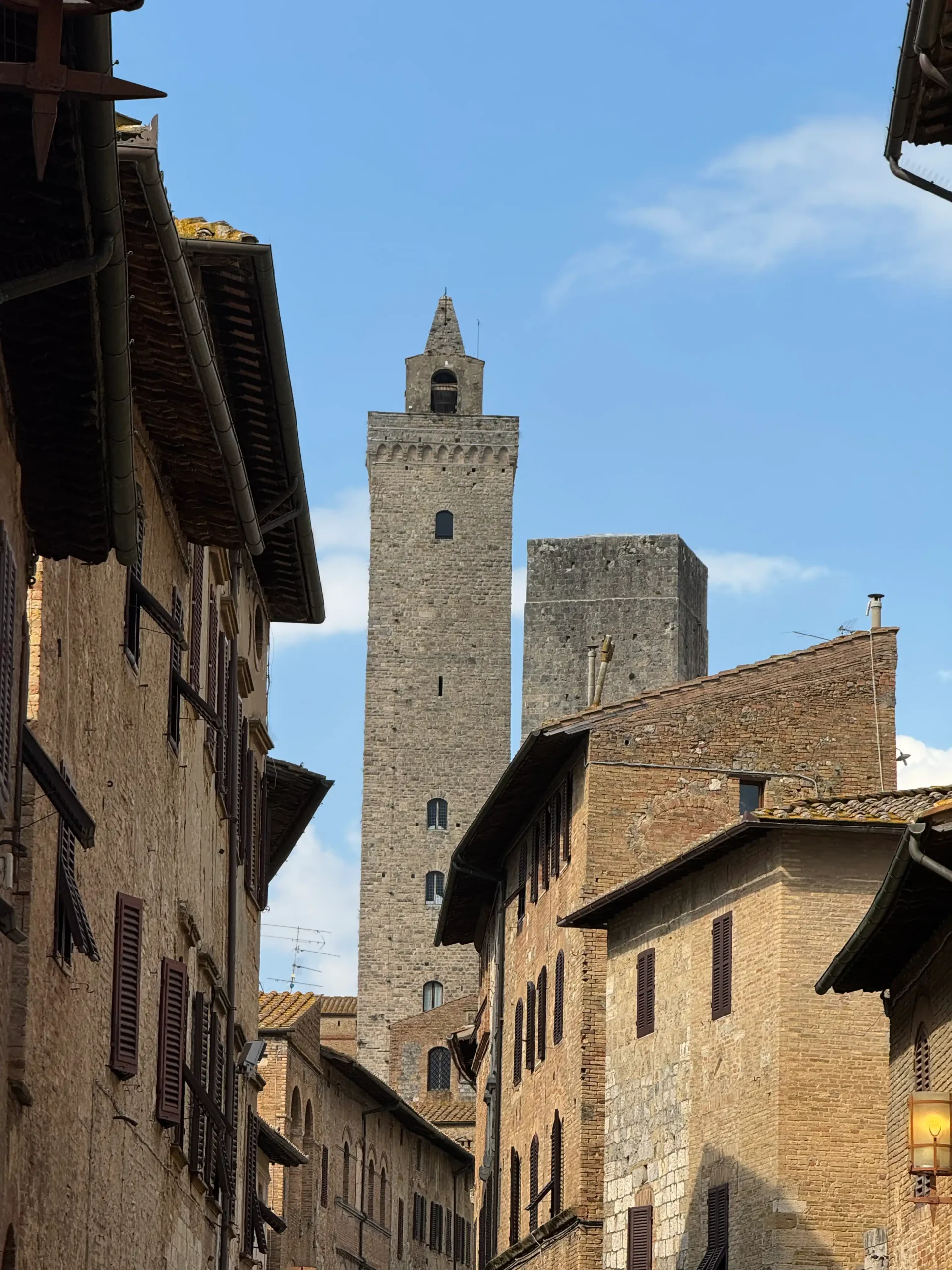
San Gimignano is called the Manhattan of the Middle Ages, because at the centre of the small town stand 14 medieval towers. There were once 72. The towers are the result of competition between wealthy families: the taller your tower, the more important your family. Human nature, it seems, never changes.
Worth doing:
- Climb Torre Grossa (the tallest tower): €9. From the top you can see all of Val d’Elsa.
- Have a gelato at Gelateria Dondoli on Piazza della Cisterna. It has won the World Gelato Championship twice. The queue is long, but it moves quickly. One scoop €3, two scoops €4.
- Taste Vernaccia di San Gimignano: a local white wine made nowhere else. In the small enoteca (wine shop-bars) a glass is €5–7.
What I wouldn’t do again: I wouldn’t buy lunch at the first trattoria I came across on the main street. We paid €28 for pasta that was OK, but no more. Step one street to the side and prices are 30–40 percent lower, and the food is often better.
In general 3–4 hours is enough for San Gimignano. We spent only 2, because the baby didn’t want any more.
Monteriggioni: a perfectly round medieval town
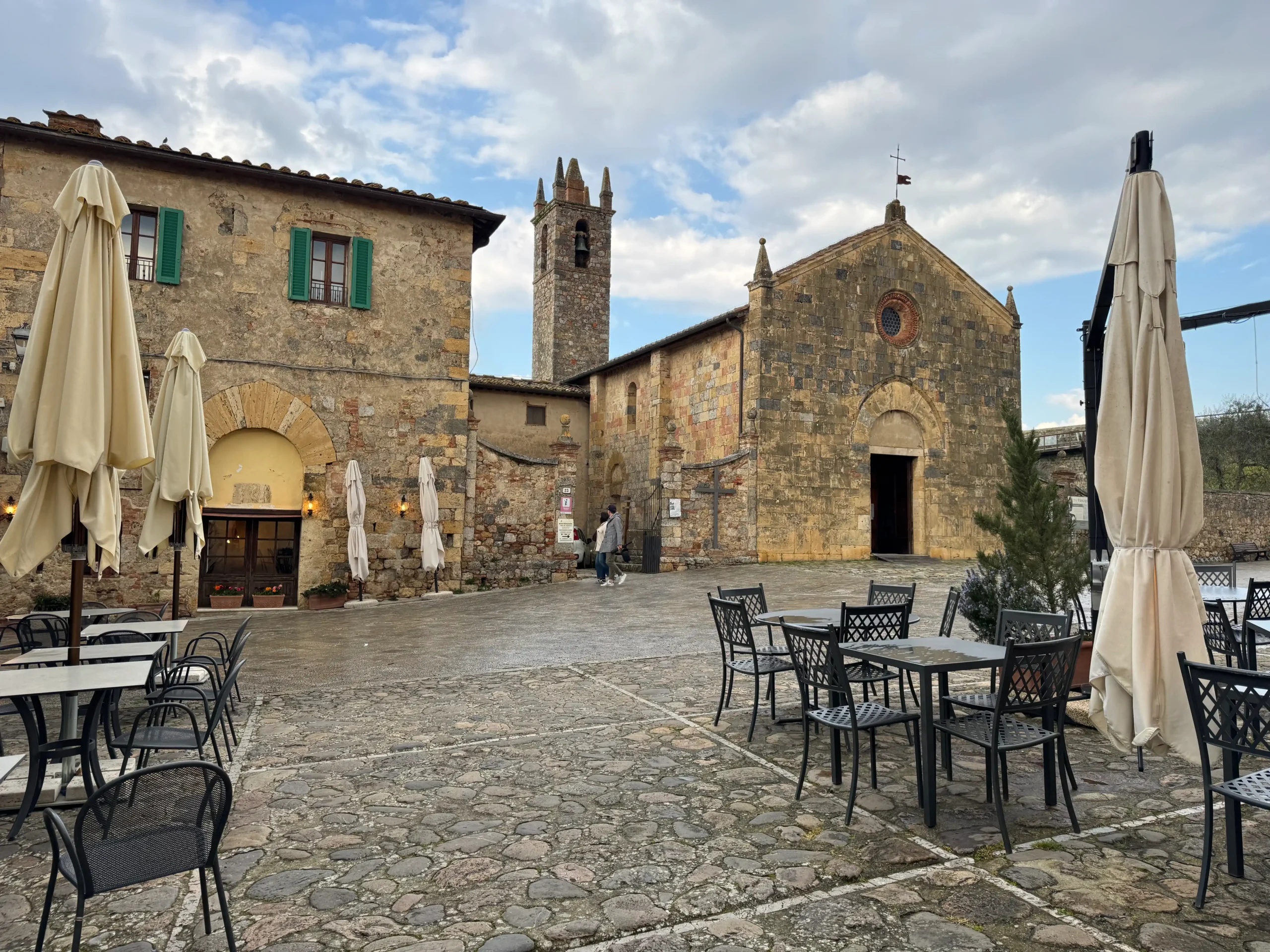
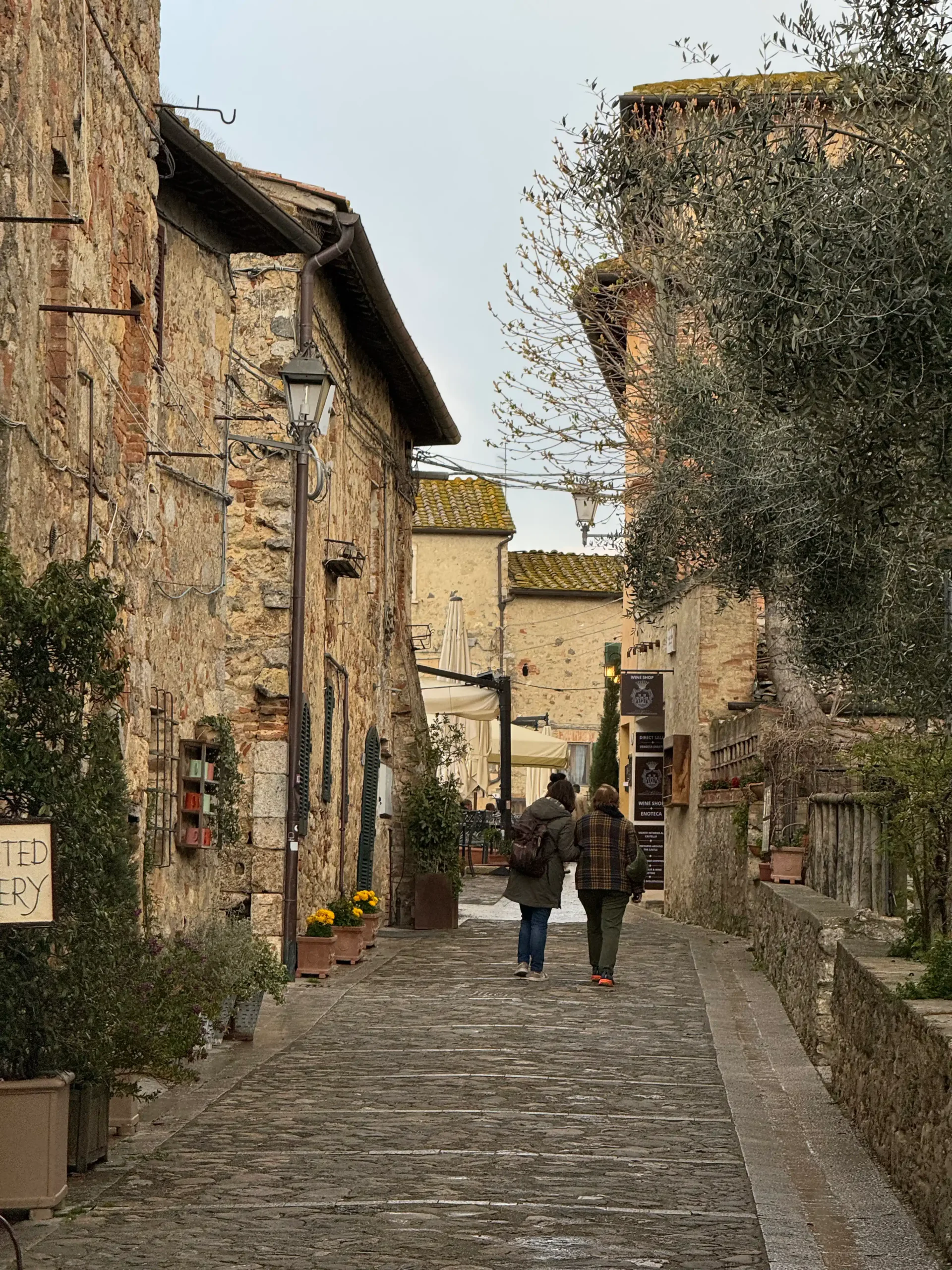
Our evening stop, Monteriggioni. 30 km from San Gimignano, 30 minutes on the road. A tiny hilltop town surrounded by a wall with 14 towers. Dante, in his Inferno, compares it to giants standing in a ring around an abyss.
I’ll say it straight: Monteriggioni can be seen in an hour. It’s a very small town, with one square and a few streets at its centre.
Tips:
- Parking outside the walls: €3 for 2 hours.
- A walk along the town wall: €5. Short, but the view is good.
- Arrive in the evening. We came at 17:30, and all the tourist coaches had already left. The square was almost empty. The golden hour in Tuscany is magic.
We got back to the agriturismo late, but it was a wonderful day. Of course, the baby was tired, so this was a good lesson in trimming the number of sights a little.
Day 3: Val d’Orcia and Pienza, the day I won’t forget
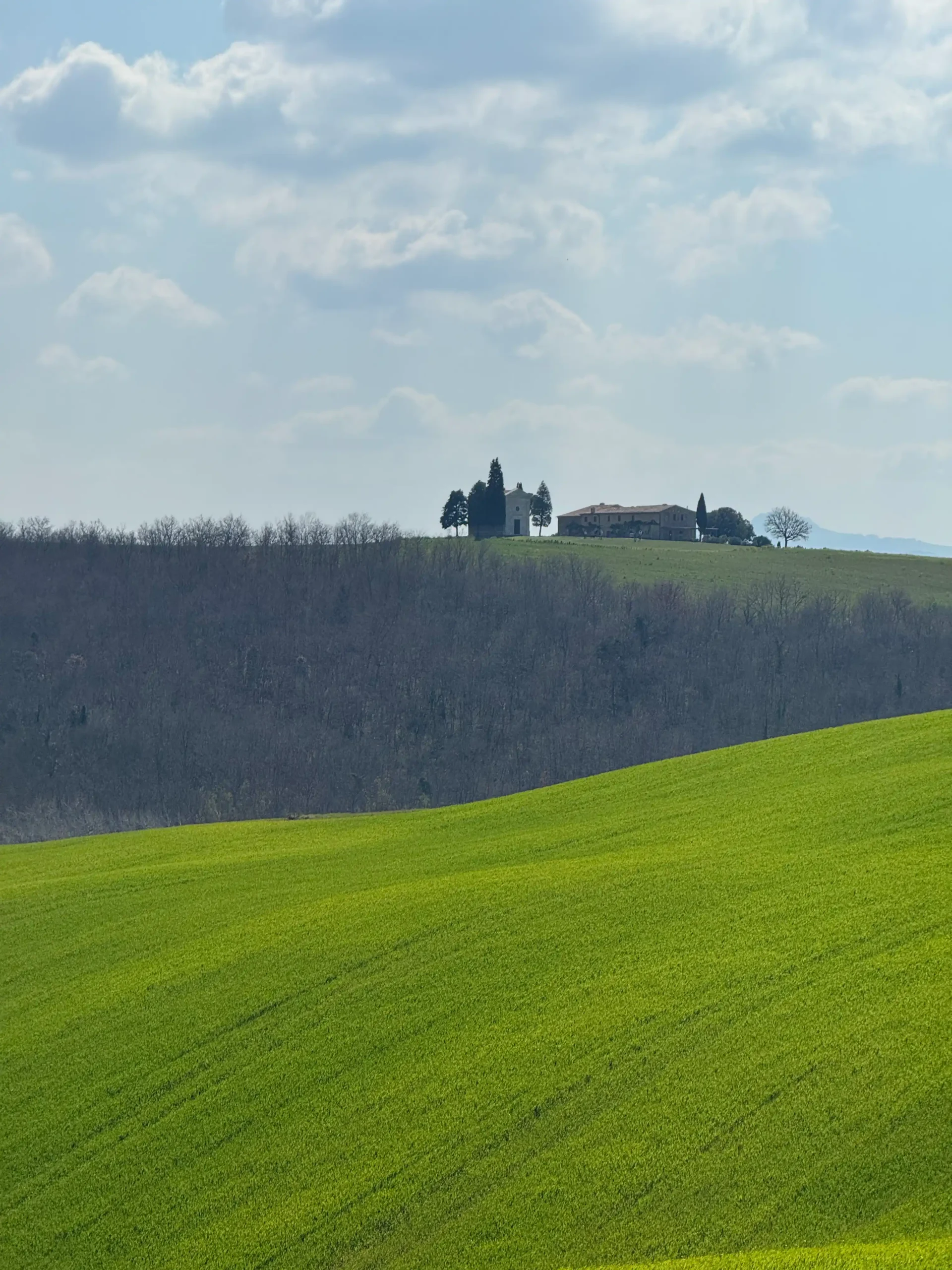
The third day was the longest, but also my favourite. Val d’Orcia is a UNESCO-protected region in southern Tuscany, and it’s the place you’ve seen in every Italian postcard with cypresses and hills. The reality outdoes the postcard.
The road to Val d’Orcia
From Montespertoli to Pienza is about 115 km, nearly two hours on the road. You can choose two routes:
- The faster one: via Siena, on the motorway, about 1 h 40 min. We paid €7 in tolls.
- The slower and prettier one: on back roads through the Chianti region, about 2 h 20 min, but with stops at the foot of the hills.
Pienza: the perfect Renaissance town
Pienza is unique in that it was planned from scratch. In the 15th century Pope Pius II ordered his native village of Corsignano to be turned into a perfect Renaissance town. In three years, with the finest architect, Bernardo Rossellino. The result: a small town in which every street, every square, every view is deliberate.
There are three things I’d recommend while walking around Pienza:
- Piazza Pio II: the main square with the cathedral, the papal palace and the town hall.
- Via dell’Amore, Via del Bacio, Via della Fortuna: three tiny lanes with poetic names (Love, Kiss, Fortune). Silly? A little. Charming? Very.
- A Pecorino di Pienza tasting. This is the local sheep’s-milk cheese, and Pienza is its queen.
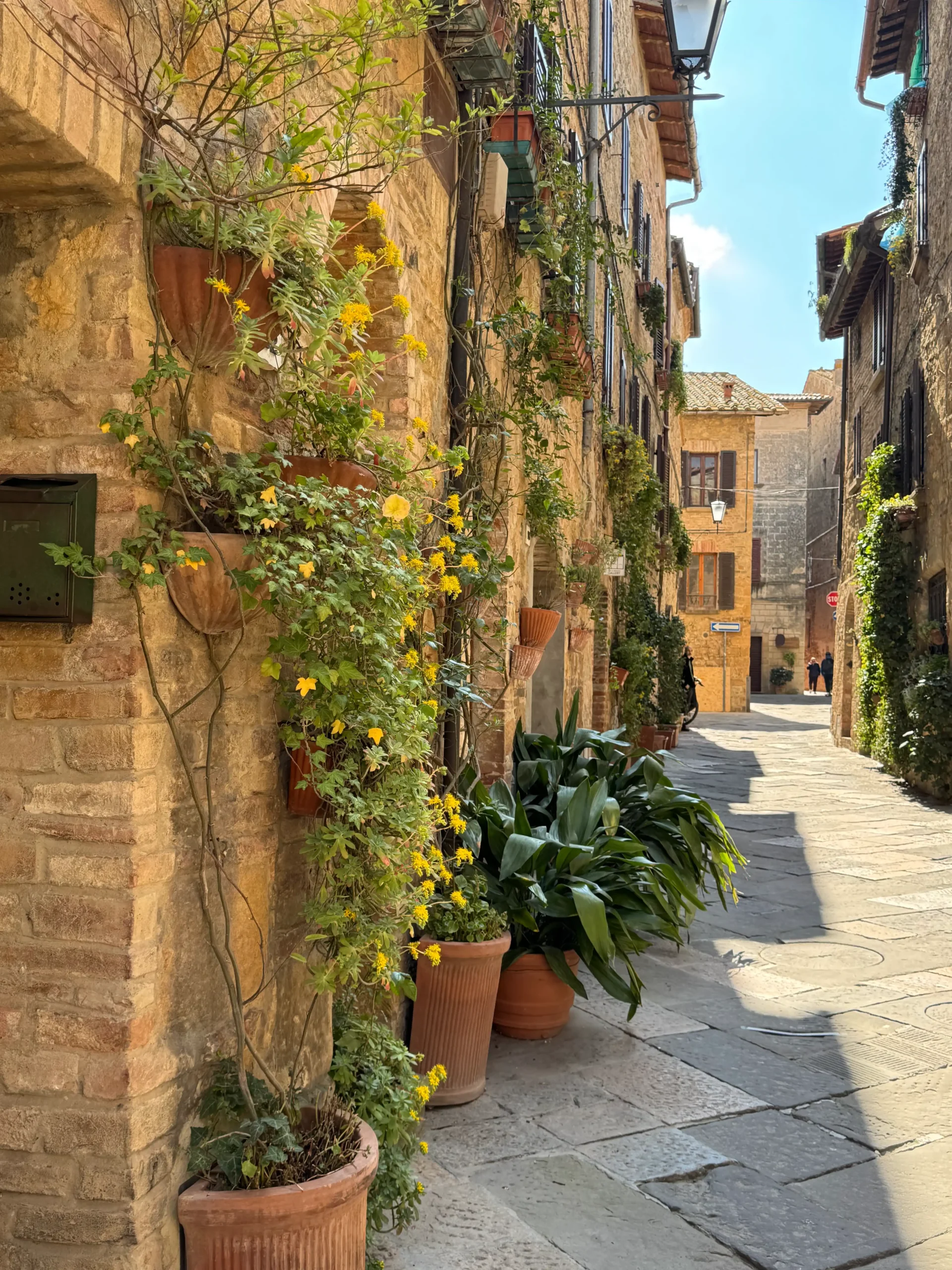
After lunch we stopped in at a local cheese shop. We bought three pecorino cheeses (young, aged in hay, aged in wine lees). €38 for all three, and they made it home intact. Tip: buy them sottovuoto (vacuum-packed), so they’ll be safe for a car journey.
Val d’Orcia: the road that is itself the attraction
After Pienza we drove to San Quirico d’Orcia and Bagno Vignoni. But the truth is that Val d’Orcia’s main attraction isn’t a particular town. It’s the road itself.
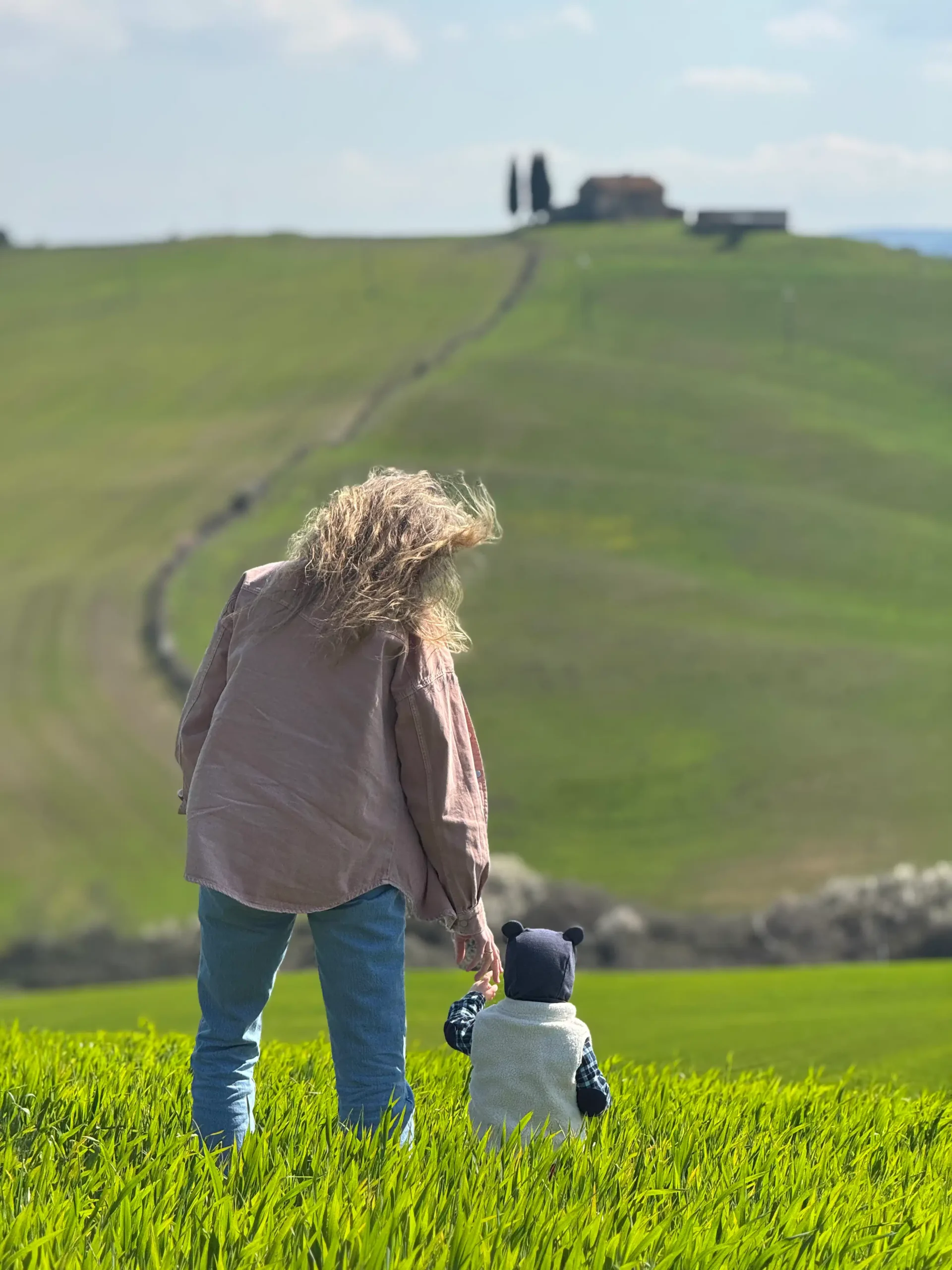
A lesser-known tip: the SP146 road between Pienza and San Quirico has several lay-bys that open onto postcard views. The Cipressi di San Quirico (a cluster of cypresses on a hill) and the winding La Foce road are two spots you’ll find on Instagram if you search for “Tuscany cypresses”. There are no addresses there; the navigation guides you by coordinates.
We spent an hour there just standing, taking photos, breathing. The air in southern Tuscany smells different from the north.
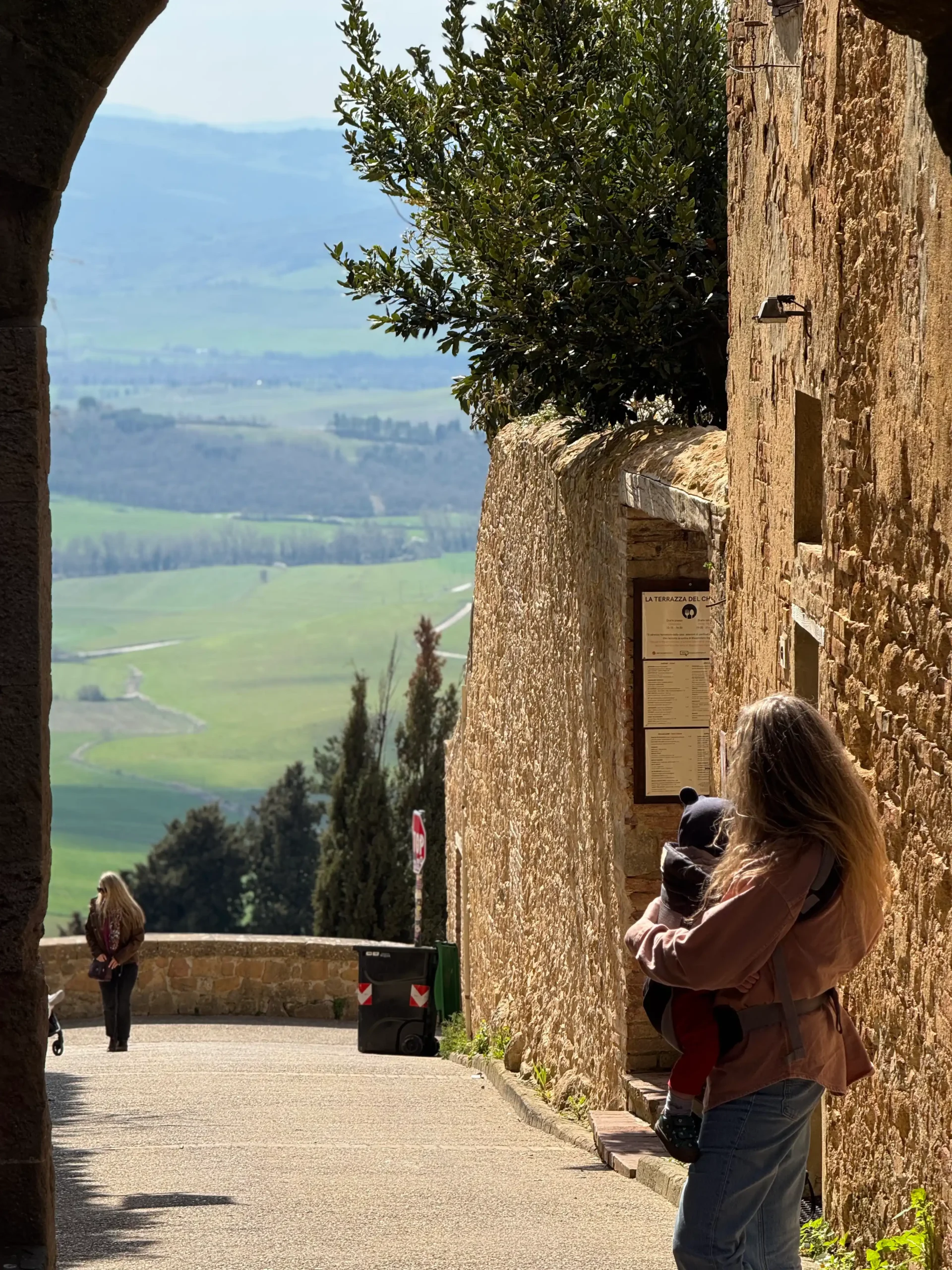
Bagno Vignoni is a small thermal town where, instead of a square, there’s a large thermal pool at its centre. You can’t bathe in it (it’s a protected heritage site), but nearby is the Posta Marcucci spa pool (entry from €30) and a few free thermal spots below the town.
Day 4: Florence, the city that demands patience
The final day, Florence. I have to say it straight: one day for Florence is little. But if that’s all you have, let it be one day.
How to reach Florence from the agriturismo
Two options:
- Car to the suburbs + tram into the centre. You drive to the Villa Costanza car park (40 min from Montespertoli). Daytime parking: €1.50 (with a discount on the tram ticket). The T1 tram to the centre: €1.50 one way, 22 minutes. Total cost for two people: ~€9, and you’ll save your nerves.
- Car into the centre: don’t do it. Florence’s historic centre is a ZTL zone (Zona a Traffico Limitato) – cars without a permit can’t enter, and fines are sent automatically to your registration address. €100+. And parking in the centre is €25–35 a day.
We chose option 1. The best decision of the day.
What to see in one day
My plan, if it’s your only day in Florence:
Morning (9:00–12:30):
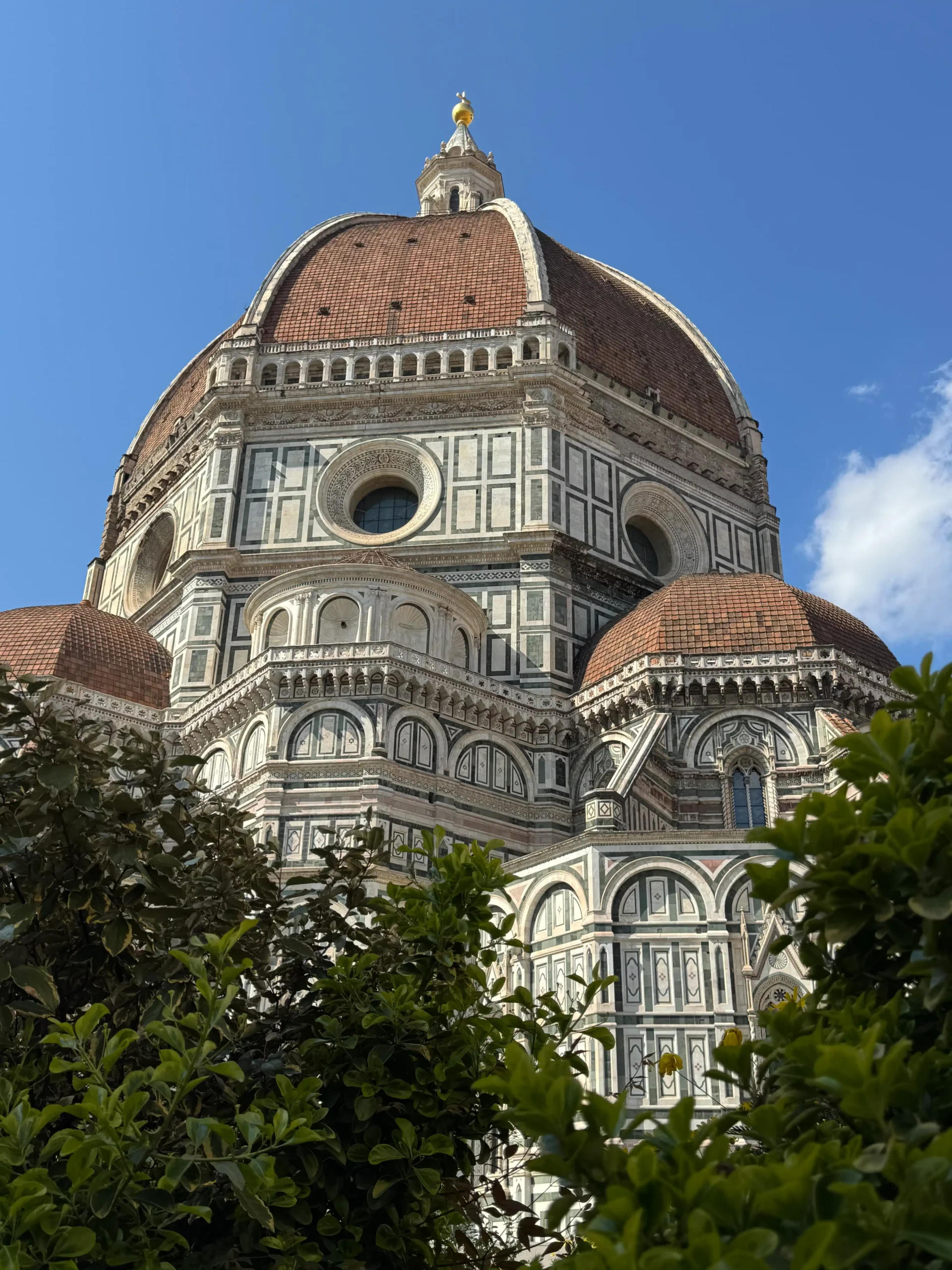
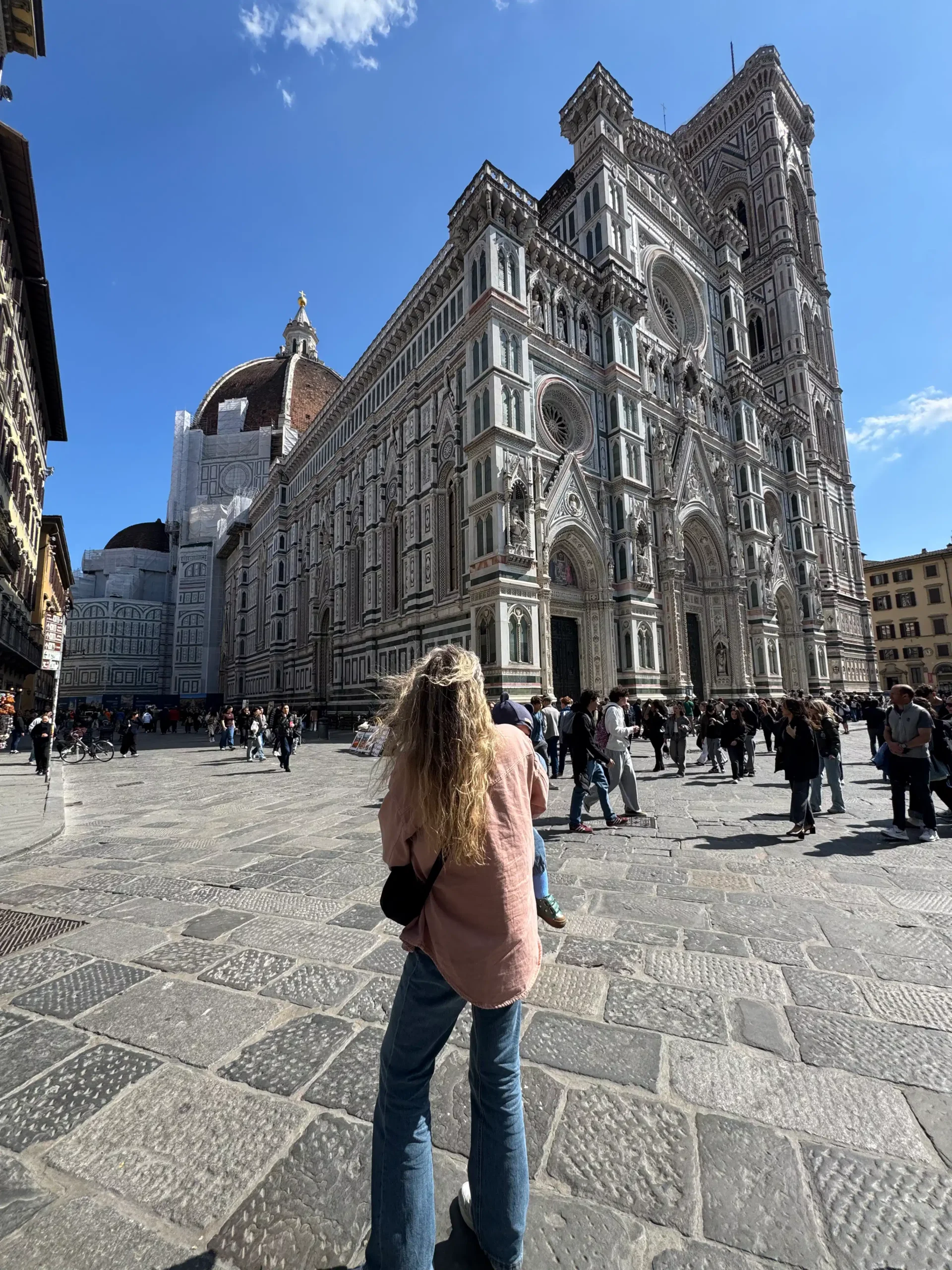
- Duomo square and the cathedral. Entry to the cathedral is free (the queue is long, be ready to wait 30–45 min). Brunelleschi’s dome: €30 (booking online in advance is essential). The steps are steep, not for those afraid of heights, but the view from the top is the view everyone remembers.
- The Battistero and Giotto’s campanile can be admired from the outside. The interior is interesting, but if you’re short on time, skip it.
Lunch (12:30–13:30):
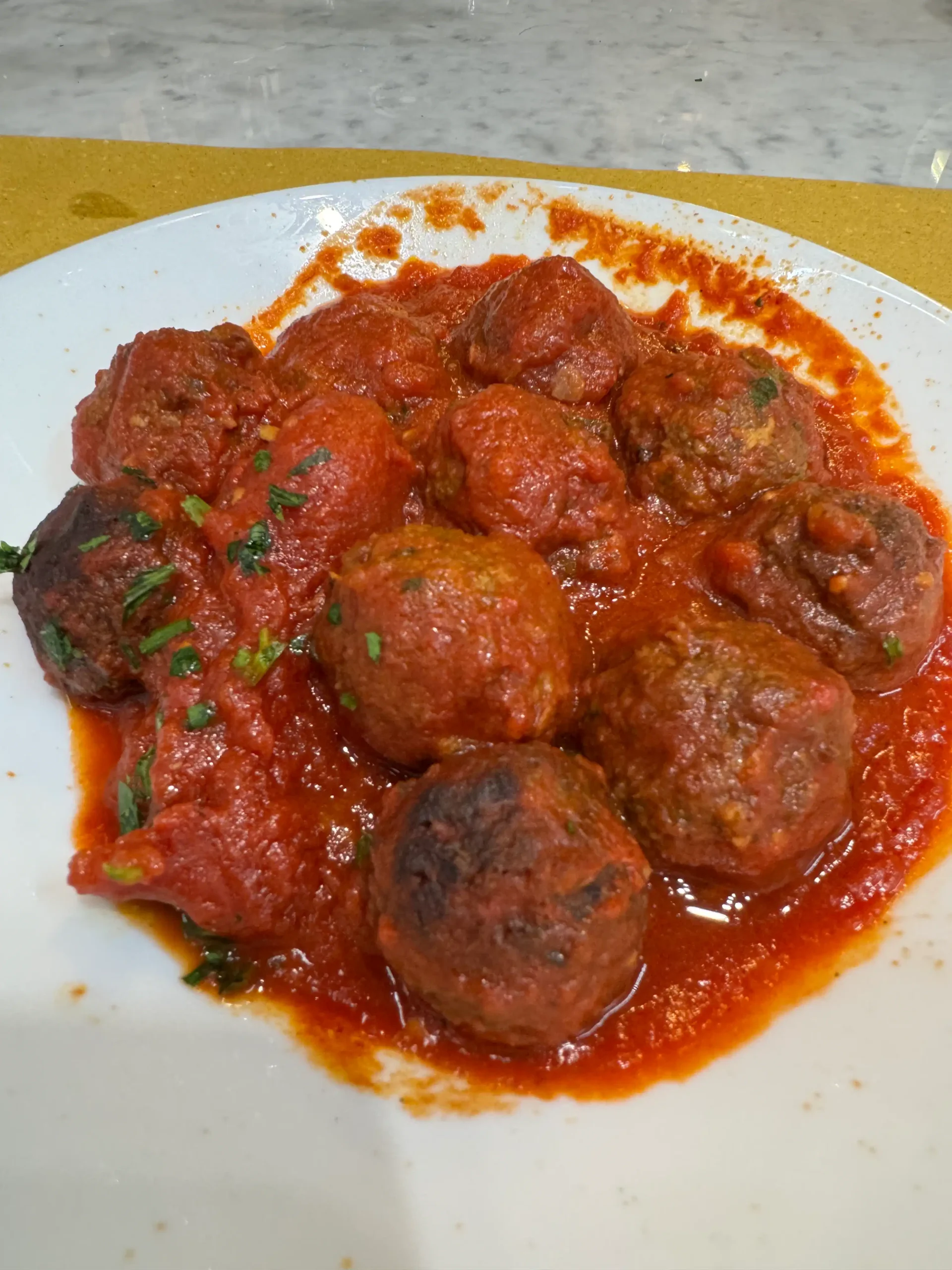
- The second floor of the Mercato Centrale. It’s a modernised version of the city market with a dozen or so food stalls. We had lasagne and meatballs.
Afternoon (13:30–17:30):
- The Galleria degli Uffizi. Ticket: €26 in the September–May season, up to €35 in summer with a booking. Book in advance. Without a booking the queue is 2–3 hours.
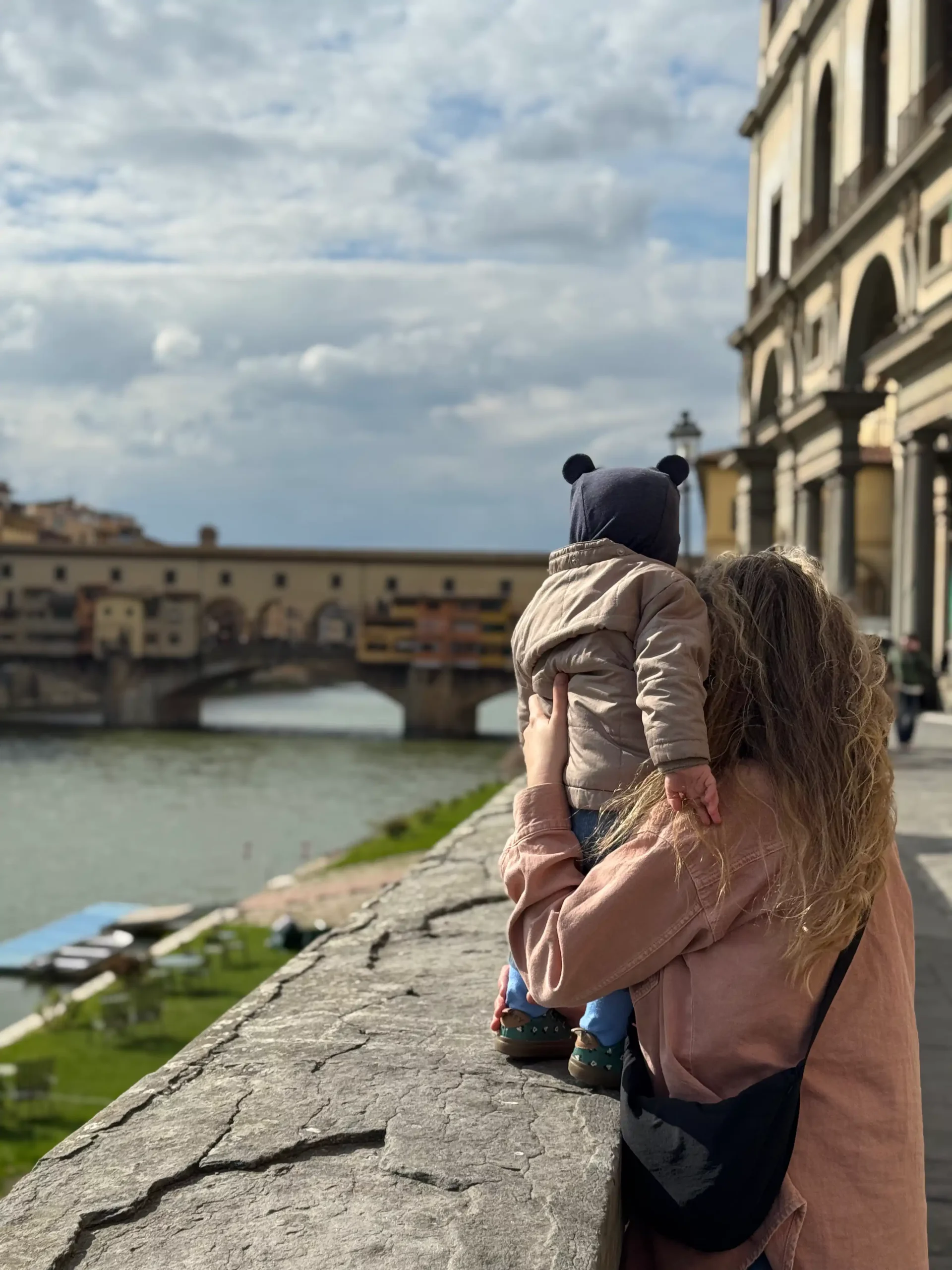
- Ponte Vecchio. You cross the bridge lined with goldsmiths, 10 minutes, and you’re on the other side of the Arno.
Evening (17:30–20:00):
- Climb up to Piazzale Michelangelo. On foot from Ponte Vecchio it’s 25–30 minutes, slightly uphill. From there you can see all of Florence. At sunset it’s magic. Even without the sunset it’s still magic, just with fewer tourists.
Where to eat in Tuscany with a baby
Tuscan food that suits a one-year-old baby
Tuscan cuisine is a baby’s friend. Really. Everything here is simple, gentle, without heavy spices:
Pappa al pomodoro – a tomato soup/mush with stale bread and olive oil. It’s literally baby food that Italians eat as a dish.
Ribollita – a vegetable and bread soup. Soft, warm, easy to chew. An ideal choice for cooler weather.
Pasta in bianco – pasta with olive oil and parmesan. Any restaurant will make it, even if it’s not on the menu. Just say: “pasta in bianco per il bambino.”
Bruschetta – toasted bread with tomatoes. The baby just chewed the bread and licked the tomato off the top.
Cantuccini – hard almond biscuits that you dip in Vin Santo. The baby chewed them like a teething toy – for a long time and with pleasure.
Specific places
The agriturismo restaurant – if your accommodation has a restaurant, use it. The food is usually from local produce, the prices are reasonable (primi ~€8–12, secondi ~€12–18), the atmosphere is calm, and there’s space for the baby on the grass.
Trattoria da Buzzino (the Montespertoli area) – a local trattoria with an outdoor terrace. Tuscan cuisine, large portions, reasonable prices. They brought the baby a plate of pasta without even being asked.
San Gimignano – Gelateria Dondoli (Piazza della Cisterna) – the best gelato I ate in Italy. Yes, the queue is long. Yes, it’s worth it. The baby got a spoonful. Prices: from €2.50.
Tip: in Tuscany, eating out with a baby is completely normal. Italians love babies, waiters will bring a high chair without being asked, and your little one will get a smile from every member of staff. If the baby screams – no one will even look. Here that’s normal.
Practical tips: Tuscany with a baby
Driving
Tuscany’s roads are beautiful, but winding, and some are unpaved (the white “strade bianche”). With a baby that means: drive more slowly and plan your stops.
The baby in the car: ours slept almost every time. Winding roads + lunchtime = an afternoon nap in the car. We used this deliberately – planning the day trip so that the drive home coincided with nap time.
ZTL zones: the centres of Florence, Pienza and San Gimignano are ZTL (limited-traffic zones). Cameras record you. Fines – from €80 to €150. Park outside the centre and walk in.
Where to stay
An agriturismo – the only right answer with a baby in Tuscany. A hotel in Florence with a baby is stress. An agriturismo in the Chianti hills with a baby is a holiday.
What to look for:
- A pool with a shallow children’s section (not all agriturismos have one – check)
- A kitchen in the apartment (for preparing baby food, sterilising bottles)
- A yard / garden (for the baby to crawl, for the parents to sit with a glass of wine)
- A washing machine
- Free parking (all agriturismos have it)
Price guide: apartments at an agriturismo – from €80–140/night, depending on the season. Peak season (July–August) is more expensive and fills up early. We were there in March and paid ~€100/night.
Montespertoli’s advantages as a base: 25 km to Florence, 50 km to Siena, 50 km to San Gimignano, 60 km to Volterra. Everything within a ~1 h radius. And the town itself is calm, un-touristy, with everything you need.
Baby logistics in Tuscany
Nappies and supplies: Montespertoli has a pharmacy and a small supermarket. Bigger shops (Coop, Conad) are in the town of Empoli (~15 min by car). Everything you need for a baby is available in Italy – no need to bring it from home.
Nappy changing: at the agriturismo – no problem (in your own apartment). In restaurants – as everywhere in Italy, changing tables are almost non-existent. A changing mat + the pushchair or the car boot.
Afternoon nap: in Tuscany this falls into place naturally. In the morning – an outing, home by ~13:00. Afternoon nap at the agriturismo or in the car. Afternoon – pool / garden. Evening – dinner.
The heat: in summer Tuscany can hit 35°C+. With a baby: activity in the morning, indoors or in the pool in the afternoon, outside in the evening. Bring a parasol, a water bottle, a sun hat.
How to reach Montespertoli by car
| From | Distance | Time | Note |
|---|---|---|---|
| Florence | ~25 km | ~40 min | Via Volterrana – a scenic road |
| Siena | ~50 km | ~50 min | Through the Chianti hills |
| Pisa | ~80 km | ~1.5 h | The FI-PI-LI motorway (free!) |
| Rome | ~280 km | ~3 h | The A1 motorway (~€20 toll) |
| Cinque Terre | ~180 km | ~2.5 h | Via La Spezia |
The previous / next stop on the route: if you’re arriving from the north (Venice, the Lake District), Florence will be a natural transition point. If you’re heading further south – Rome or the Amalfi Coast.
FAQ – Tuscany with a baby
Is Tuscany suitable with a one-year-old baby? Yes, and I’d go so far as to say it’s the best place in Italy with a baby. The agriturismo culture, the slow pace, the simple food, the beautiful roads and a pool. Everything you need.
Is it worth going to Florence with a baby? Half a day – yes. A whole day – too much. The Boboli Gardens and Piazzale Michelangelo are the best spots with a baby in Florence.
Can you visit the vineyards with a baby? Yes, but choose a “drop in and taste” format, not a formal 2-hour cellar tasting. Castello Sonnino near Montespertoli is a great option.
How many days should you give Tuscany? We had 4 nights and it felt right. 3 nights is the minimum. 5 nights is ideal, if you want not just day trips but also calm days at the agriturismo.
Do you need a car? Yes, without a car the Chianti region with a baby is very hard. Public transport is poor and the places are scattered. A car = freedom.
Find flights here. If something goes wrong with your flight, you can claim compensation via AirHelp or Compensair.
Staying connected? Skip expensive roaming and grab an eSIM plan — set it up before you fly and you’ll have data the moment you land.
I always recommend booking airport transfers in advance. You can do that here.
Find accommodation here.