Some links in this article are affiliate links. If you book through them I earn a small commission, at no extra cost to you.
Contents
- What a safari is and what to expect
- Private reserve or national park? The main decision
- The TOP 12 safari parks in South Africa
- 1. Sabi Sand Private Game Reserve — the leopard capital
- What makes it unique
- Prices and lodges
- How to get there
- When it's best
- 2. Kruger National Park — the safari classic for all budgets
- What makes it unique
- Accommodation options
- How to get there
- When it's best
- 3. Madikwe Game Reserve — malaria-free, with wild dogs
- What makes it unique
- Prices and lodges
- How to get there
- When it's best
- 4. Addo Elephant National Park — Big Seven and a kingdom of elephants
- 4. Addo Elephant National Park — Big Seven and a kingdom of elephants
- What makes it unique
- Prices and accommodation
- How to get there
- When it's best
- 5. Pilanesberg National Park — a safari in a volcanic crater
- What makes it unique
- Prices
- How to get there
- When it's best
- Other important parks: a quick overview
- Which park suits your budget?
- How to choose: 5 questions to ask yourself before booking
- How many days to give a safari?
- Practical tips
- FAQ
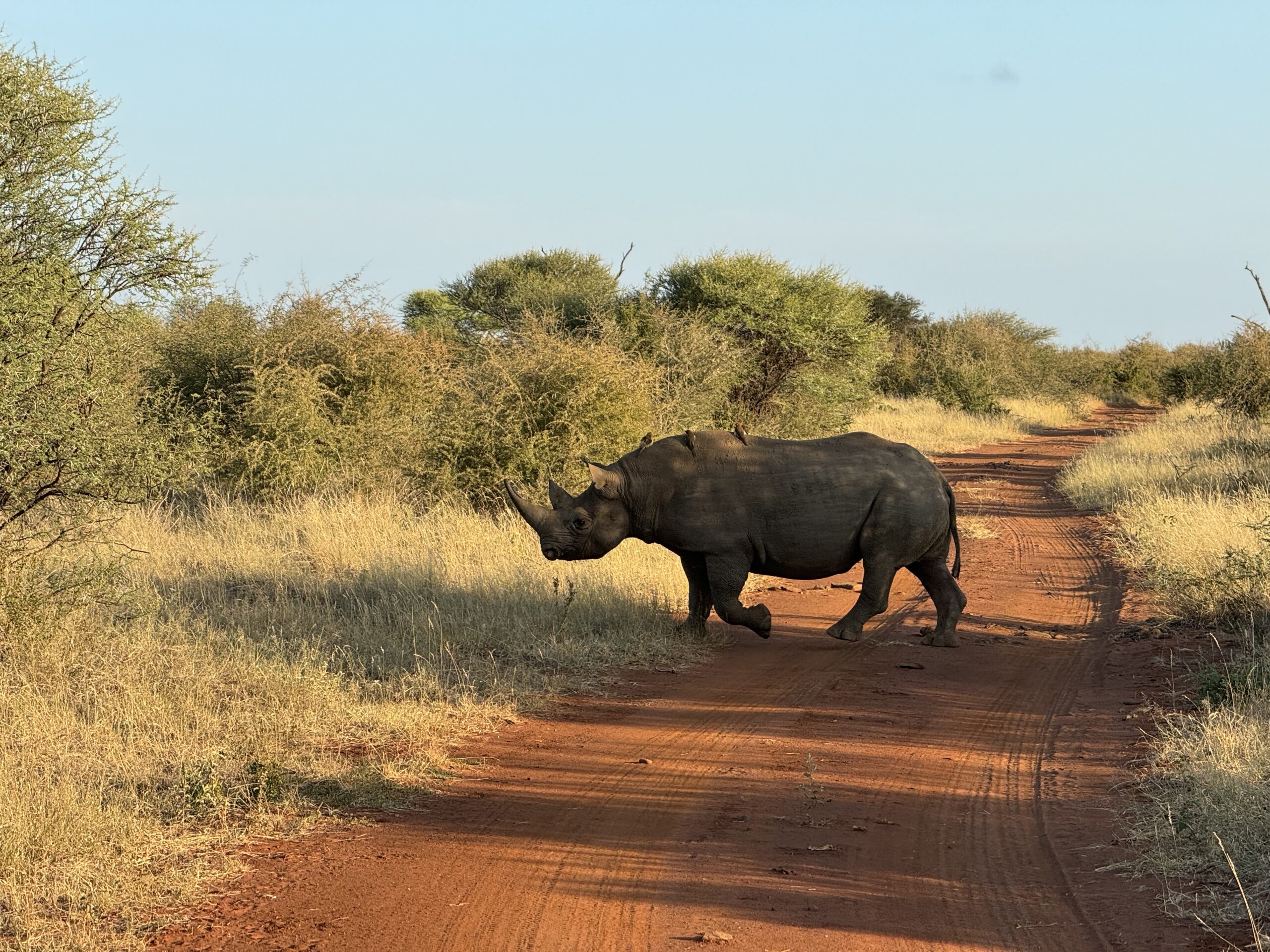
The first night in a safari camp. Darkness — the kind you’ll never see back home. And suddenly — a noise. Close. Really, really close. I stop breathing. In the morning the guide will tell me the elephants passed 20 metres from my tent. And that they pass there every night.
A safari in South Africa is like that. Not a zoo, not an excursion — wild nature, in which you are the guest. But the choice of exactly where to go can completely change the experience. South Africa has 21 national parks and over 400 private reserves. Prices range from ~€25 for a day ticket to €5,000 for a night in a luxury lodge. In some places you’ll see leopards within 5 minutes, in others — after 3 days of searching.
This article will help you choose the right safari park based on your budget, your travel time and what you most want to see. I’ll go over the TOP 5 parks worth visiting, plus 7 more alternatives in brief.
If you’re only just planning a trip to South Africa, start with how much a South Africa trip costs and the South Africa visa guide.
What a safari is and what to expect
Safari (from Swahili — “journey”) today means watching wild animals in their natural environment. In South Africa there are several main safari formats:
- Game drive — driving in an open 4×4 with a guide, for 3–4 hours in the morning and afternoon. This is the classic.
- Self-drive — you drive your own car within the park (only in state parks). The cheapest.
- Walking safari — a walking excursion with an armed guide. Intense.
- Night drive — evening drives with spotlights (banned in most state parks, allowed in private ones).
Big Five — a term from hunting days, meaning the most dangerous animals that were hardest to hunt: lion, leopard, elephant, rhino and buffalo. Many parks have them all, but they’re not equally easy to spot everywhere.
Big Seven — the “Big Five” plus the great white shark and the southern right whale. Only in Addo Elephant National Park, because it includes a stretch of ocean.
Private reserve or national park? The main decision
Before choosing a specific park, you have to decide on the type. It determines the price, the experience and even the likelihood of seeing animals.
| Criterion | National park | Private reserve |
|---|---|---|
| Price | From €25/day + accommodation | From €500/night (all-inclusive) |
| Self-drive | Allowed | Not allowed |
| Vehicles per animal | Unlimited (can be 10+) | Limited (2–3) |
| Off-road driving | Prohibited | Allowed |
| Night drives | Prohibited (exceptions) | Allowed |
| Accommodation | From campsites to hotels | Luxury lodge |
| Big Five chance | Medium (you have to look) | Very high (the guide knows) |
The short answer: if your budget is limited and you want independence — a national park (Kruger, Addo). If you want guaranteed Big Five sightings and luxury — a private reserve (Sabi Sand, Madikwe).
The TOP 12 safari parks in South Africa
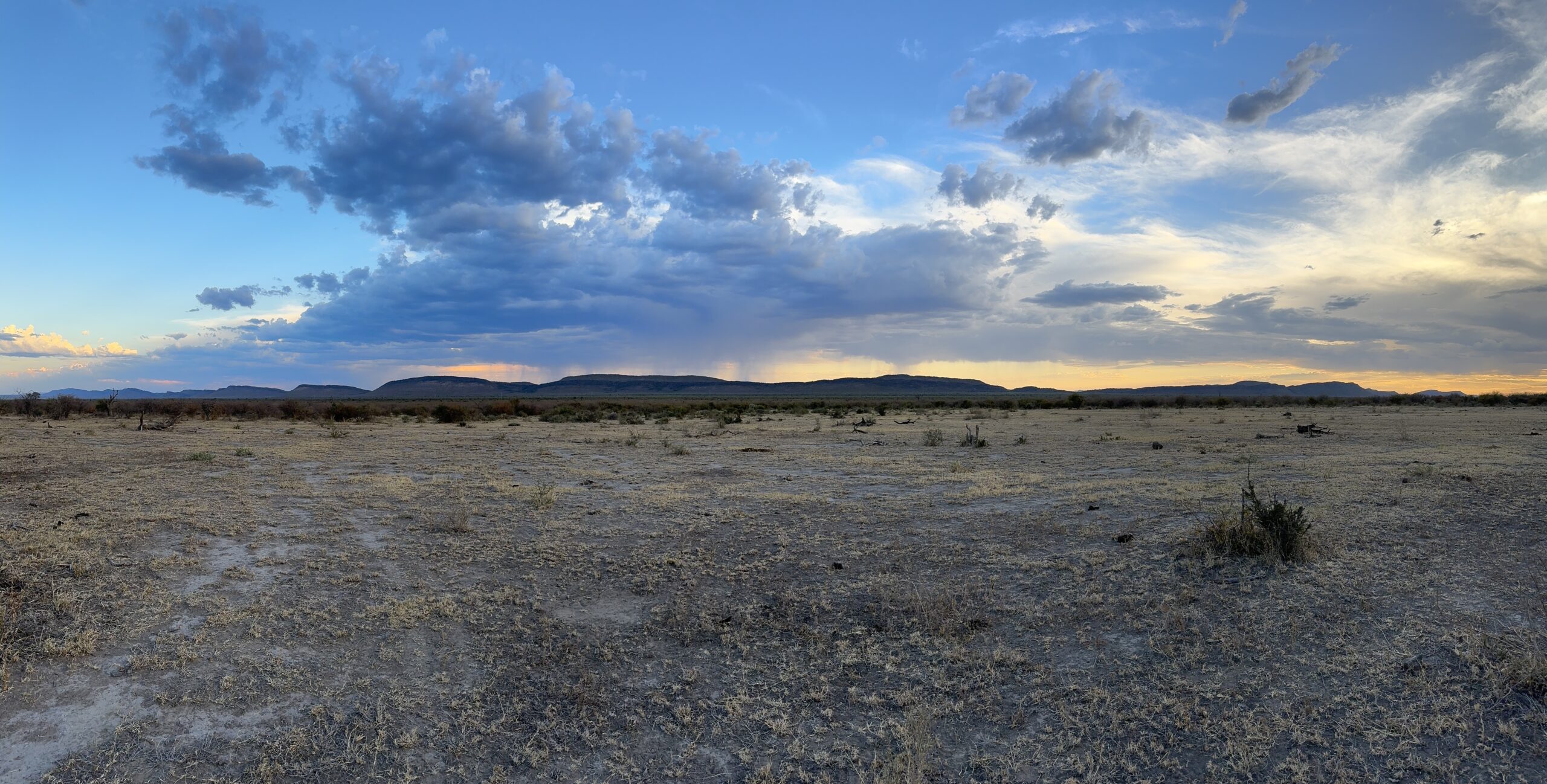
Before moving on to the detailed TOP 5, here’s the full list of the best parks — in the 2026 safari rankings, as many as 12 South African parks made the world’s TOP 50:
- Sabi Sand Private Game Reserve — 4th in all of Africa, the leopard capital
- MalaMala Game Reserve — Sabi Sand’s neighbour, luxury, Big Five
- Kruger National Park — the biggest and most popular state park
- Phinda Private Game Reserve — 7 ecosystems in one reserve
- Kgalagadi Transfrontier Park — a Kalahari Desert safari
- Madikwe Game Reserve — malaria-free, wild dogs
- Kapama Private Game Reserve — high-level service
- Balule Nature Reserve — authentic, fewer tourists
- Addo Elephant National Park — a kingdom of elephants + Big Seven
- Hluhluwe-iMfolozi Park — Africa’s oldest park, the home of white rhinos
- Pilanesberg National Park — a safari in a volcanic crater
- Timbavati Private Nature Reserve — the rare white lions
Now more on my TOP 5.
1. Sabi Sand Private Game Reserve — the leopard capital
Who it suits: those who want the best possible safari experience and have the budget.
What makes it unique
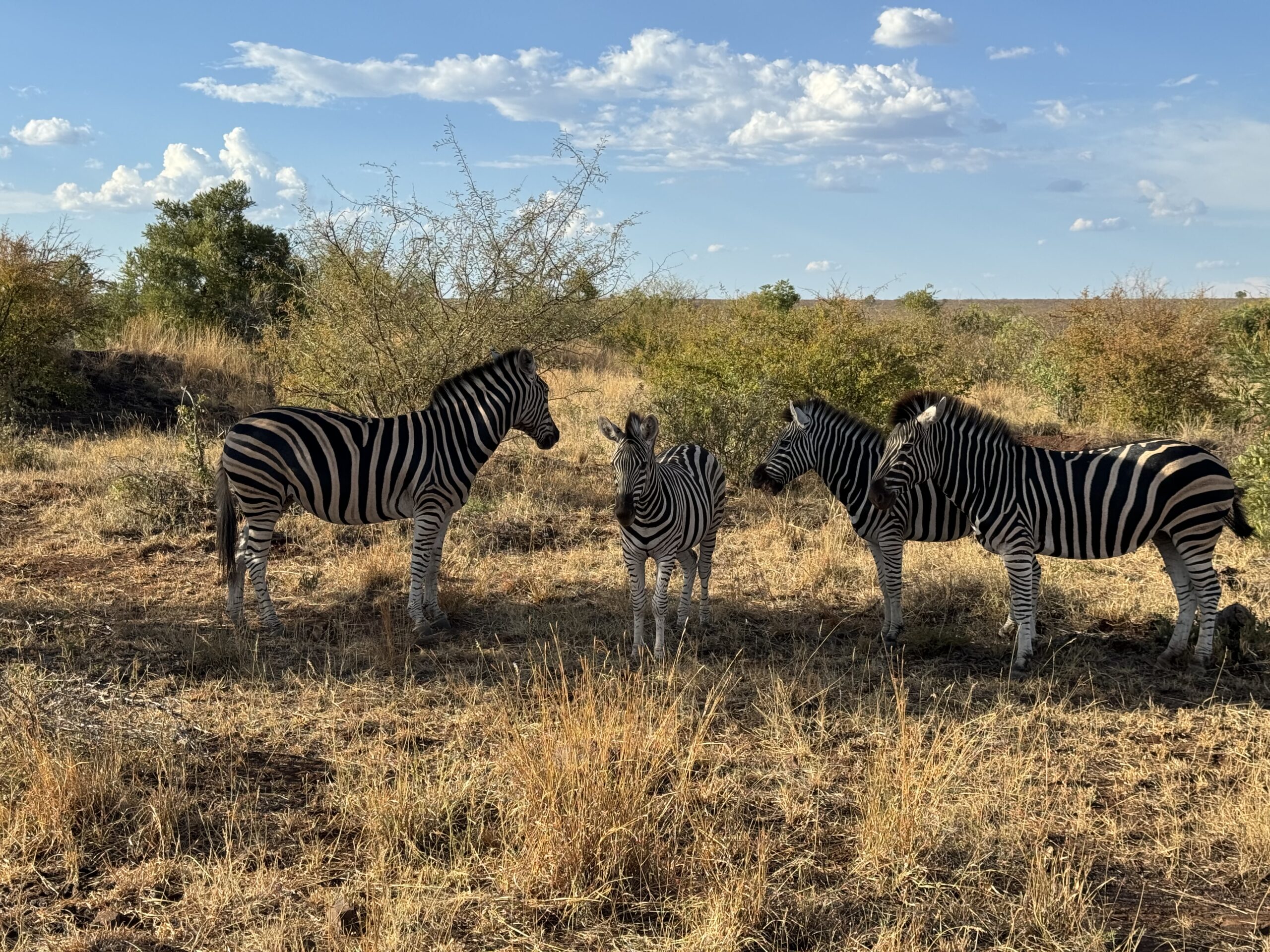
Sabi Sand is a 65,000-hectare private reserve, bordering Kruger National Park along a 50 km unfenced boundary. The animals roam freely between both territories. It has the highest concentration of leopards in Africa — about 12 leopards per 100 km².
An interesting fact: Sabi Sand’s leopards are so used to vehicles that they don’t react to them at all. Several generations of leopards grew up being watched by tourists. Over 6 safari outings the chance of seeing a leopard is almost 95–100%. That’s unique in Africa.
The reserve limits the number of vehicles per animal (max 2–3), allows off-road driving and night safaris. That means: the vehicle will get within 2 metres of a lion, you’ll see hyenas hunting in the moonlight, you’ll watch a leopard hoist an impala into a tree.
Prices and lodges
Prices start from ~$500 ≈ 445 €/night (~€460) for basic tented camping in mid-season and reach €1,500–5,000/night in luxury places like Singita Boulders, Londolozi, Sabi Sabi, Lion Sands. The price includes: accommodation, all meals, drinks (including alcohol), 2 game drives a day, a guide.
How to get there
Sabi Sand is ~600 km from Johannesburg. Options:
- By plane to Skukuza or Hoedspruit airport, then a lodge transfer
- By car from Johannesburg ~5–6 hours (but you can’t drive yourself within the reserve)
When it’s best
September–October — the end of the dry season. The grass is low, animals gather at the water, malaria risk is minimal. For more on travelling in different seasons — the best time to travel to South Africa.
2. Kruger National Park — the safari classic for all budgets
Who it suits: those who want a safari but have a limited budget; self-drive fans.
What makes it unique
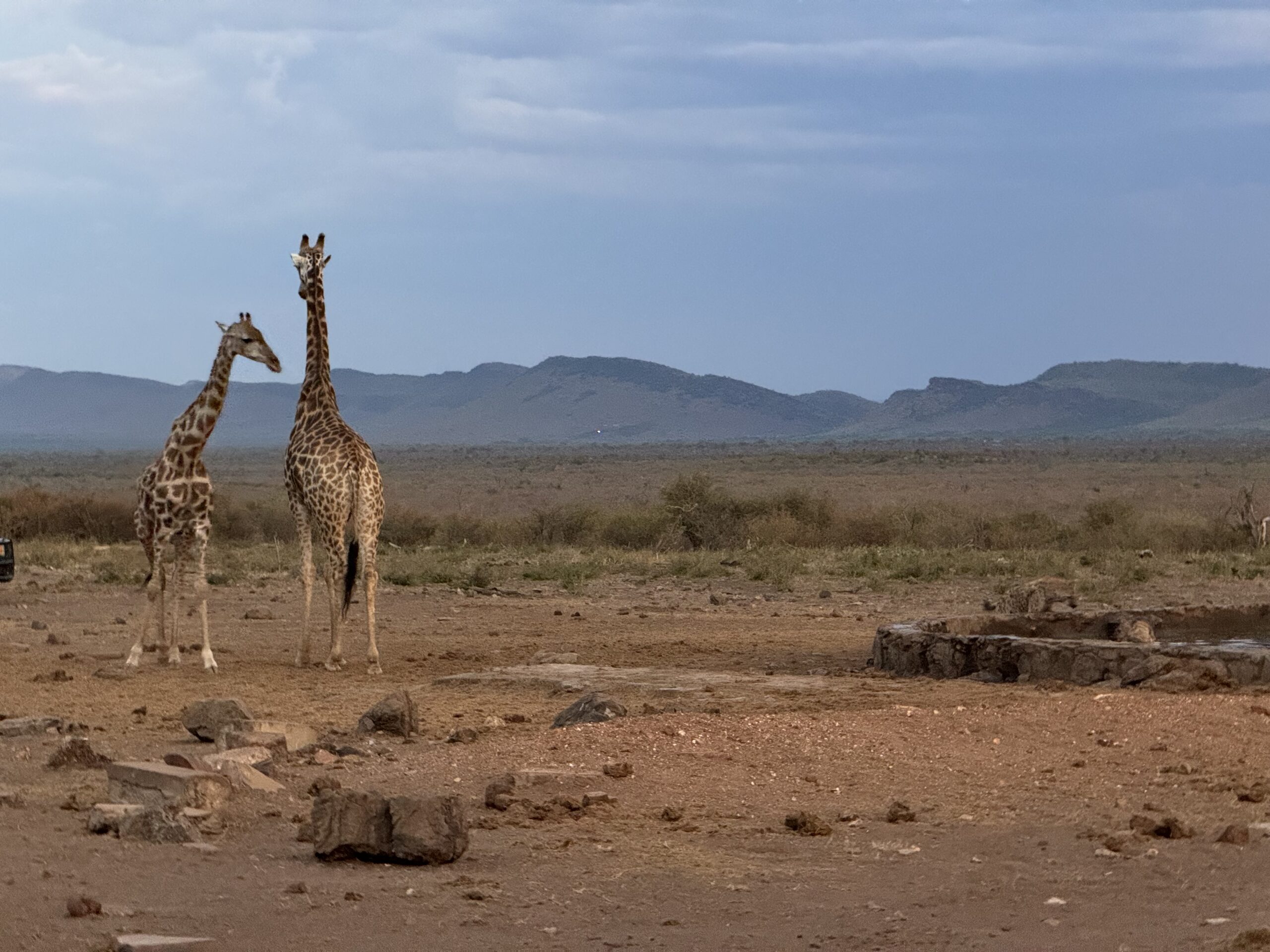
Kruger is South Africa’s biggest and oldest national park, founded in 1898. Area: about 20,000 km² — roughly the size of Wales. It’s home to the Big Five, about 150 mammal species and 500+ bird species.
An interesting fact: Kruger has paved roads — self-drive is possible with an ordinary rental car. The park entrance ticket is ~500 ZAR ≈ 25 € (~€25) a day for an adult foreigner. It’s the cheapest way to see the Big Five.
Downsides: lots of visitors, a lower concentration of animals than in private reserves, vehicles visible everywhere. But the area is so large that you can easily find quiet zones.
Accommodation options
The park has SANParks (state) rest camps — from campsites (~€15/night) to comfortable rondavels (round huts, ~€60–100/night). The most popular: Skukuza, Satara, Lower Sabie, Olifants. You need to book well in advance (3–6 months).
Outside the park — dozens of B&Bs, safari lodges, guest houses. For more on budget — how much a South Africa trip costs.
How to get there
- By car from Johannesburg (~5–6 hours) via Nelspruit
- By plane to Kruger Mpumalanga or Skukuza airport, then a rental car
When it’s best
May–September — the dry season, cooler weather, animals at the water. November–March — greenery, young animals, but hot and there can be a malaria risk.
3. Madikwe Game Reserve — malaria-free, with wild dogs
Who it suits: families with children; those who fear malaria.
What makes it unique
Madikwe is South Africa’s fifth-largest reserve (750 km²) and malaria-free — which means you don’t need preventive medication. That’s exactly what makes it ideal with children or for more sensitive travellers.
Two ecosystems meet here — desert and green bushland — so you can see animals from both.
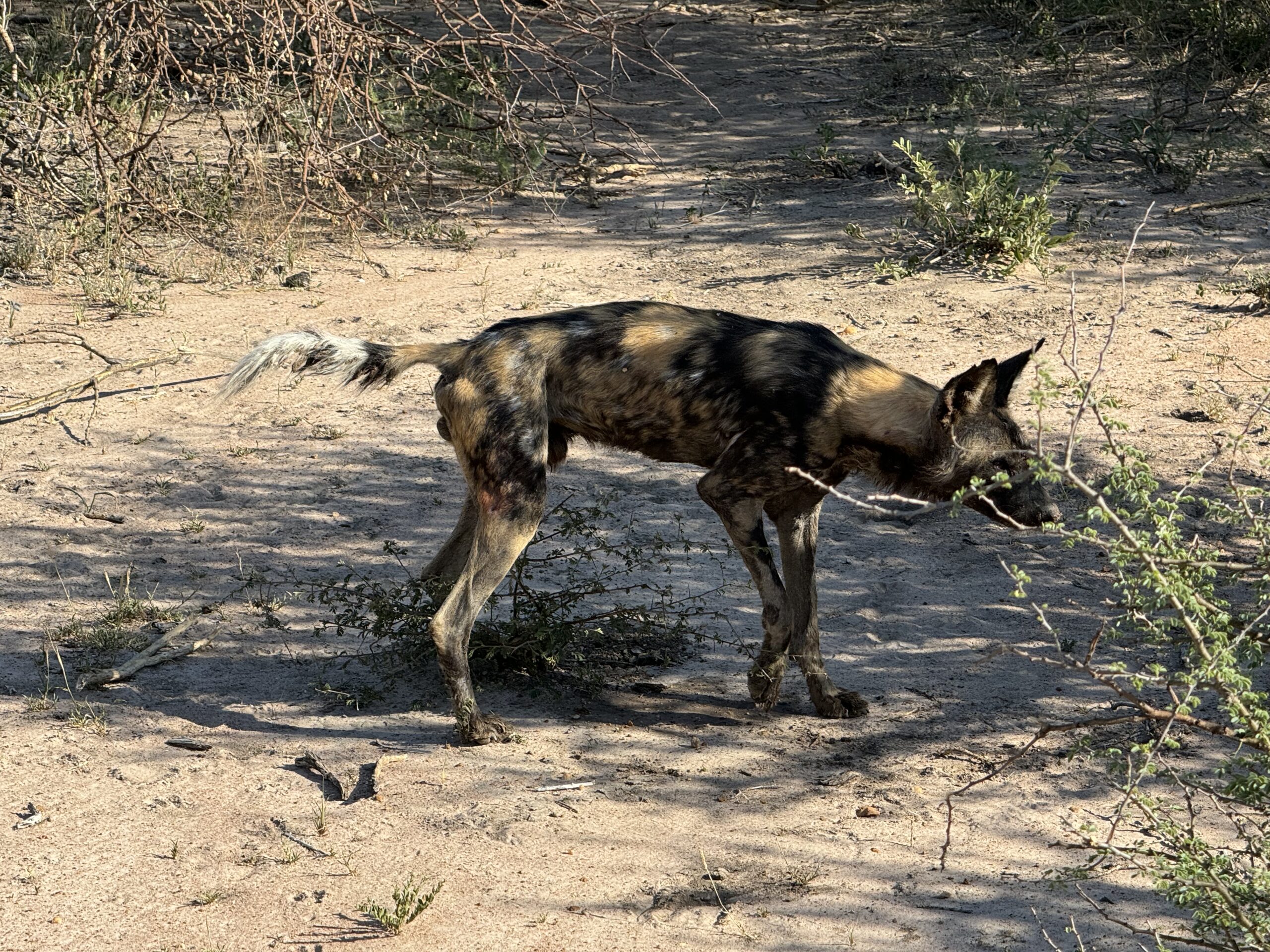
An interesting fact: Madikwe is one of the most important refuges for African wild dogs in the world. These animals were on the brink of extinction — only ~6,600 are left in all of Africa. The Madikwe reserve is a flagship for their conservation, and their population is growing here. Wild dogs aren’t dogs but a separate genus — excellent hunters who work in a pack and regurgitate food for the young.
Prices and lodges
Madikwe lodges — from ~€200/night per person (all-inclusive) to €1,000+ in the luxury ones. Popular: Madikwe Hills, Jaci’s Lodges, Impodimo Game Lodge. Self-drive isn’t allowed.
How to get there
- By car from Johannesburg — about 3–4 hours (~350 km)
- By plane to the reserve’s internal airstrip (private flights)
Important: find out in advance which gate to enter the reserve by according to your lodge’s location — there are several gates and they’re far from one another.
When it’s best
August–September — the highest chance of seeing as many animals as possible. November–March — young animals, but hot.
4. Addo Elephant National Park — Big Seven and a kingdom of elephants
Who it suits: travellers combining the Garden Route with a safari; families.
4. Addo Elephant National Park — Big Seven and a kingdom of elephants
Who it suits: travellers combining the Garden Route with a safari; families.
What makes it unique
Addo is the only place in the world where you can see the Big Seven — the Big Five plus great white sharks and southern right whales — because the park includes a stretch of ocean (the Indian Ocean). Managed by SANParks.
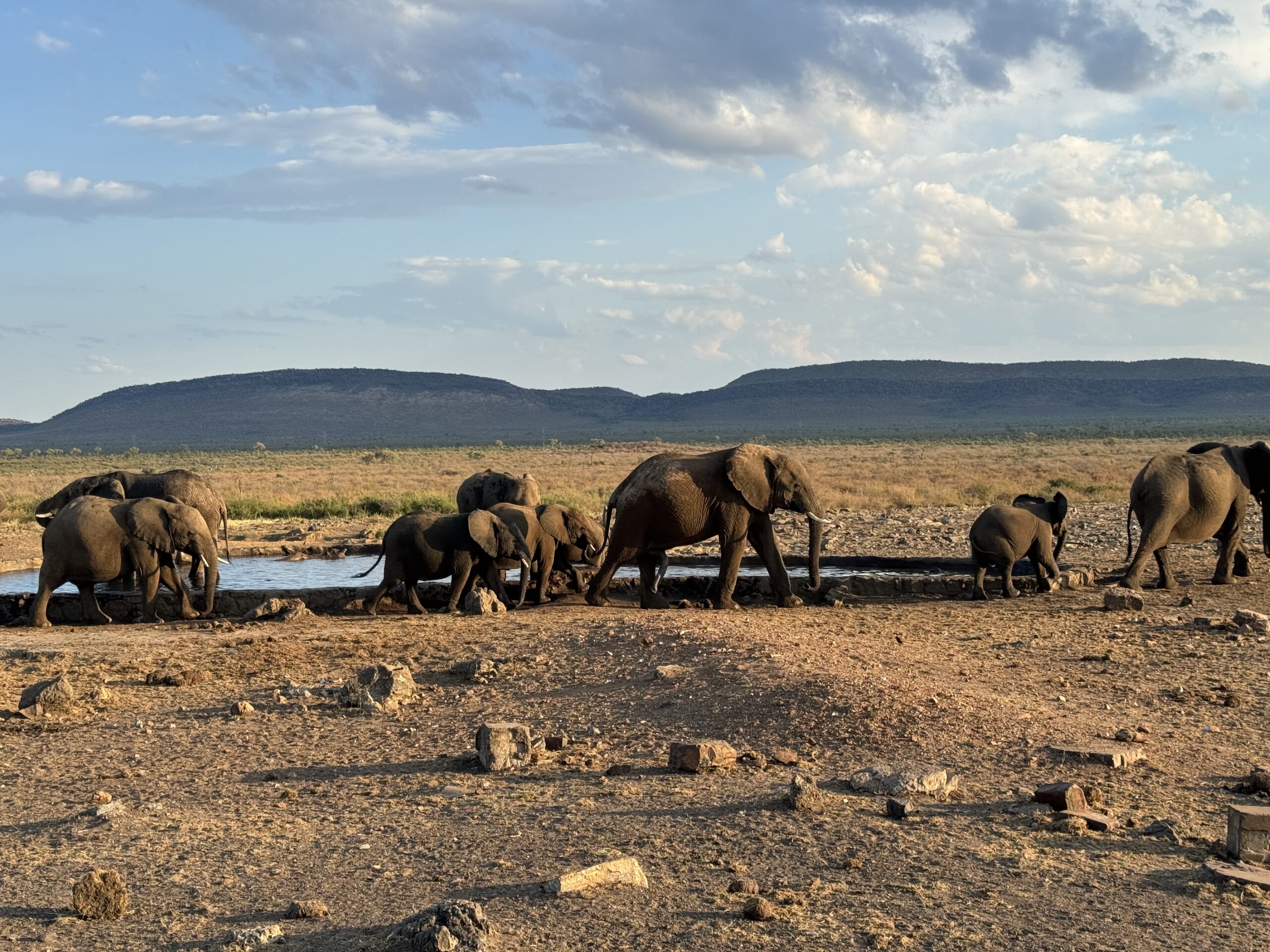
The park was founded in 1931 to protect just 11 remaining elephants. Today about 600 elephants live here — one of the densest populations in the world.
An interesting fact: Addo is the only place with the flightless dung beetle (Circellium bacchus). They have right of way on the roads — signs warn you to let the beetles pass, not just the animals. It’s a feature unique to this park.
It’s a non-malaria zone, has paved roads, and self-drive is allowed — which makes Addo one of the most convenient parks for families.
Prices and accommodation
- Entrance: ~450 ZAR ≈ 25 € (~€22) per adult
- Accommodation in the park: from €40 for a campsite to €150–200 for a rondavel
- Outside the park — B&Bs from €60–100/night
How to get there
- By car — the park is near Port Elizabeth (Gqeberha), ~40 min from the city airport
- It fits ideally with a Garden Route trip — more in South Africa by car: the Garden Route
When it’s best
All year round — it’s one of the few parks that’s good in any season. August–October — the most elephants; from September — whale-watching season on the coast.
5. Pilanesberg National Park — a safari in a volcanic crater
Who it suits: those who have little time and are in Johannesburg; for weekends.
What makes it unique
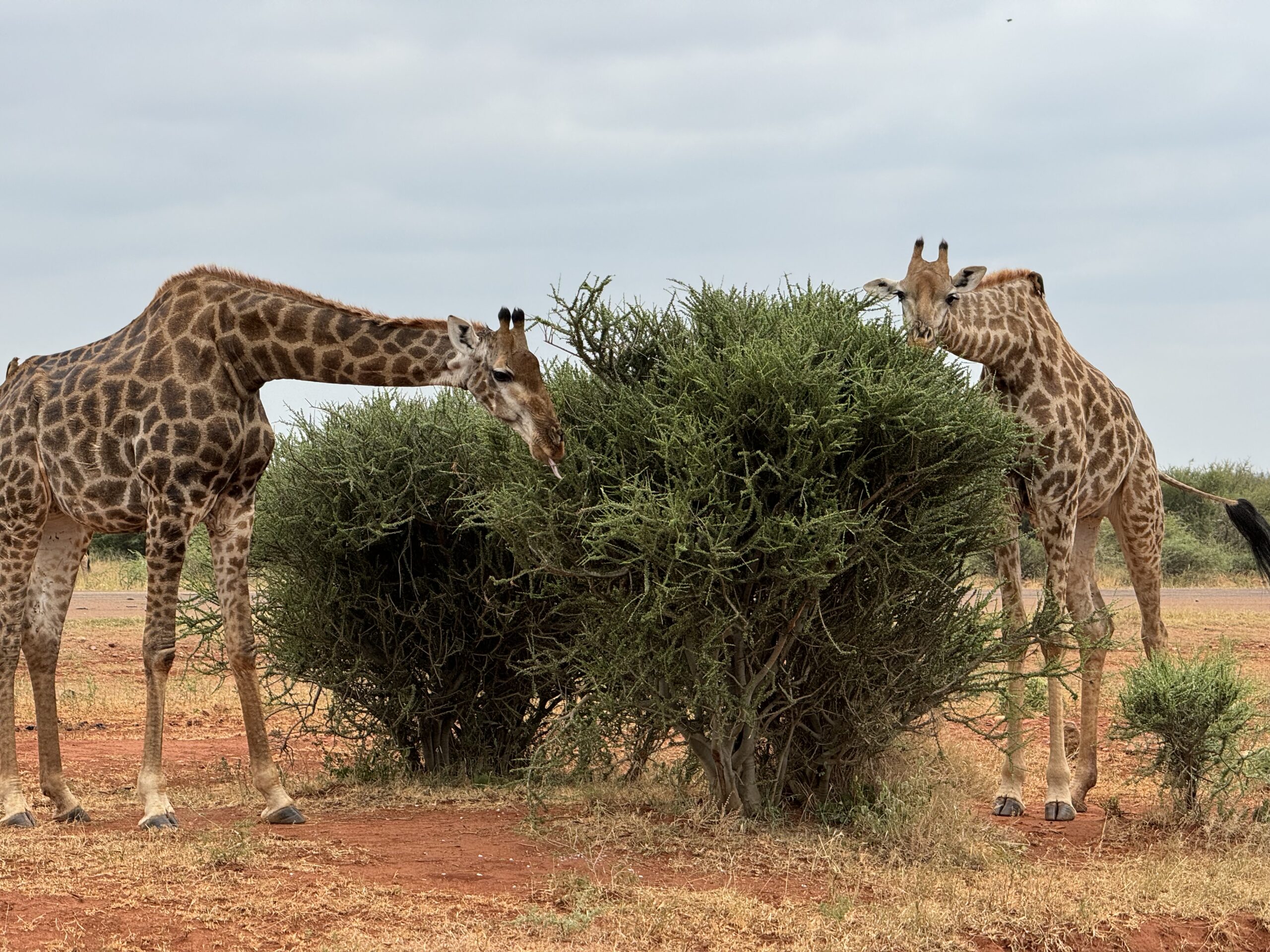
Pilanesberg sits in the crater of a volcano that went extinct 1,300 million years ago. It’s one of the oldest volcanic formations in the world. The result is a hilly, concentric-oval landscape, quite unlike an ordinary savannah.
An interesting fact: the park covers a climatic transition zone between the Kalahari Desert and the green bushland. That means you can see species from both environments. All of the Big Five are here, plus the rare brown hyena — one of the rarest hyenas in the world.
The park is in a non-malaria zone, with paved and gravel roads — self-drive is allowed. It’s ideal for a day trip from Johannesburg. Nearby is the Sun City resort.
Prices
- Entrance: ~100 ZAR ≈ 5 € (~€5)
- Day safari excursions from Johannesburg: from €80
- Accommodation in the park: from campsites (~€20) to luxury (Tshukudu, Ivory Tree Game Lodge, €200+)
How to get there
- By car from Johannesburg — ~2.5 hours (~190 km)
- An organised excursion — picks you up from the hotel, returns you the same evening
When it’s best
May–September — the dry season, animals at the water, pleasant weather. The Mankwe Dam lake is the best spot for watching animals.
Other important parks: a quick overview
Kgalagadi Transfrontier Park — a transnational (South Africa + Botswana) desert safari. Red Kalahari dunes, black-maned lions. An extreme environment: temperatures range from -11 to +45°C. For experienced safari-goers only. Children under 12 aren’t admitted.
Hluhluwe-iMfolozi Park — Africa’s oldest park (1895), in the KwaZulu-Natal province. This is where the southern white rhinos were saved — 100 years ago only ~20 individuals remained, and today all the world’s white rhinos descend from here. A cheap alternative to Kruger.
Phinda Private Game Reserve — KwaZulu-Natal, 7 different ecosystems in one reserve (from wetlands to sand forests). Excellent for leopards and cheetahs.
Timbavati Private Nature Reserve — Kruger’s neighbour, famous for its white lions (a genetic mutation, not albinism). A cheaper alternative to Sabi Sand.
MalaMala Game Reserve — historically the first private reserve in South Africa (1927), Sabi Sand’s neighbour. A high-level experience.
Balule Nature Reserve — less commercialised, authentic, cheaper than Sabi Sand.
Marakele + Welgevonden (Waterberg) — malaria-free, a mountainous landscape, good with children, mid-range budget.
Which park suits your budget?
Limited budget (up to €100/night):
- Kruger NP self-drive (a SANParks rondavel + a rental car)
- A Pilanesberg day trip from Johannesburg
- Addo Elephant self-drive
Mid-range budget (€100–400/night):
- Madikwe mid-range lodges
- Phinda
- Timbavati
- Balule
- Hluhluwe-iMfolozi
Luxury budget (€400+/night):
- Sabi Sand luxury lodges (Singita, Londolozi, Sabi Sabi)
- MalaMala
- Tswalu Kalahari
For a detailed budget comparison, see how much a South Africa trip costs.
How to choose: 5 questions to ask yourself before booking
- What’s your budget? Kruger self-drive ~€50/day vs Sabi Sand ~€500+/night — a 10-fold difference.
- Are you travelling with children? Look for malaria-free parks: Madikwe, Addo, Pilanesberg, Waterberg.
- How many days do you have? 1–2 days — Pilanesberg from Johannesburg. 3+ days — Kruger or a private reserve. Ideally — at least 3 nights in one place to see the most.
- What’s most important to see? Leopards → Sabi Sand. Elephants → Addo. Wild dogs → Madikwe. White lions → Timbavati.
- Self-drive or a guide? For independence → state parks. For the maximum experience → private reserves.
How many days to give a safari?
The minimum experience — 2 nights, 3 days. In that time you get 4–5 game drives (morning + evening), and the chance of seeing the Big Five in the best parks is ~80–90%.
Optimal — 3–4 nights in one park. It lets you relax, stop rushing, follow specific animal families, see a hunt.
The ideal trip — 5–7 nights of safari + 4–5 days in Cape Town / the Garden Route. For more on the whole trip — my independent trip to South Africa.
Practical tips
Travel insurance — essential. In safari areas healthcare is limited and evacuation is expensive.
Malaria prophylaxis — recommended in the Kruger, Sabi Sand, Timbavati and Hluhluwe zones. Madikwe, Addo, Pilanesberg — not needed. Consult a doctor.
What to bring: neutral-coloured clothes (khaki, grey), a warmer jacket for mornings (even in summer it can be +5°C in the morning), a hat, sunglasses, SPF 50+, a charging adapter (South Africa uses Type M/D plugs), binoculars (~10×42), a camera with a zoom lens (200mm+).
What NOT to bring: bright-coloured clothes (yellow and blue attract tsetse flies), shorts (mosquitoes).
Tips for the guides — standard: ~$10 ≈ 9 €/person/day for the guide, ~$5 ≈ 4 €/person/day for the tracker.
FAQ
Which is the best safari park in South Africa for beginners?
Kruger National Park — the cheapest, with a self-drive option and a guaranteed Big Five sighting over 3 days. If you have a bigger budget — Sabi Sand gives an incomparable experience in 2 nights.
Is a safari safe in South Africa?
Yes, if you follow the instructions. The main rules: always stay in the vehicle during a game drive, don’t walk around the camp alone at night, listen to the guide. Private reserves are often unfenced — animals can enter the lodge grounds.
Can you go on safari with a one-year-old baby?
Private reserves often have age limits (no younger than 6, sometimes 12). In state parks with self-drive you can go with a baby, but long game drives are tiring. For families with small children the optimal choices are: Madikwe (malaria-free), Addo (self-drive), Welgevonden.
How much does a safari week in South Africa cost?
Budget: €600–1,000 per person (Kruger self-drive). Mid-range: €1,500–3,000. Luxury: from €5,000 and up. Not counting flights. In detail — how much a South Africa trip costs.
When is the best time for a safari in South Africa?
May–October (the dry season) — the grass is low, animals are at the water, visibility is better. September–October is the optimal compromise. The rainy season (November–March) has lots of young animals and birds, but it’s harder to spot animals. More — the best time to travel to South Africa.
Do you need a visa for South Africa?
No — since 2025 no visa is needed for short trips (for most Western passports, up to 90 days). In more detail — the South Africa visa guide.
Which park has the highest chance of a Big Five sighting?
Sabi Sand — over 3 days practically all 5 are guaranteed. MalaMala and Timbavati are similar. Madikwe — very high over 3–4 days. In Kruger — a high chance over 5–7 days.
Planning a trip to South Africa? And if you want to see how it all fits together, read about my independent trip to South Africa.
Search for flights here. If something goes wrong with your flights, you can claim compensation through AirHelp or Compensair.
Staying connected? Skip expensive roaming and grab an eSIM plan — set it up before you fly and you’ll have data the moment you land.
I always recommend booking taxi transfers to and from the airports in advance. You can do that here.
Find accommodation here.