Someone asks me: “When’s the best time to go to South Africa?” And you want to answer simply, in one sentence. But then you stop and think. Safari or beach? Whales or wildflowers? Cape Town or Kruger Park? South Africa is so big and so varied that “the best time” depends on what you’re looking for. And that’s great news, because it means that at any time of year, somewhere in this country, something extraordinary is happening.
Some links in this article are affiliate links. If you book through them I earn a small commission, at no extra cost to you.
Contents
- The first thing to know: the seasons are reversed
- Safari season: May – September
- Cape Town: November – March
- The Garden Route: February – April (but really all year round)
- Whale season: June – November
- Wildflower season: August – September
- Month by month: a quick guide
- Magical August–October: if only once
- Transitional seasons: hidden treasure
- Climate by region: a short summary
- Cape Town and the Western Cape
- Kruger Park and the north-east
- The KwaZulu-Natal coast (Durban)
- The Garden Route
- Namaqualand and the north-west
- Practical tips for choosing your time
- So when should you go?
The first thing to know: the seasons are reversed
South Africa is in the southern hemisphere, so the seasons are completely flipped compared with Europe. When it’s snowing in the north and getting dark at three in the afternoon, in Cape Town it’s +30°C and the sun shines until nine in the evening. When it’s summer in Europe, it’s winter in South Africa — although that “winter” in many regions means +15–20°C and sunny days.
| South Africa | Months | Northern Hemisphere equivalent |
|---|---|---|
| Summer | December – February | Winter in the north |
| Autumn | March – May | Spring in the north |
| Winter | June – August | Summer in the north |
| Spring | September – November | Autumn in the north |
This means the European winter-holiday week in late December lines up perfectly with the peak of South Africa’s summer. And a European summer-holiday trip in July falls into South Africa’s dry winter, which is the best safari season. Essentially, a win either way.
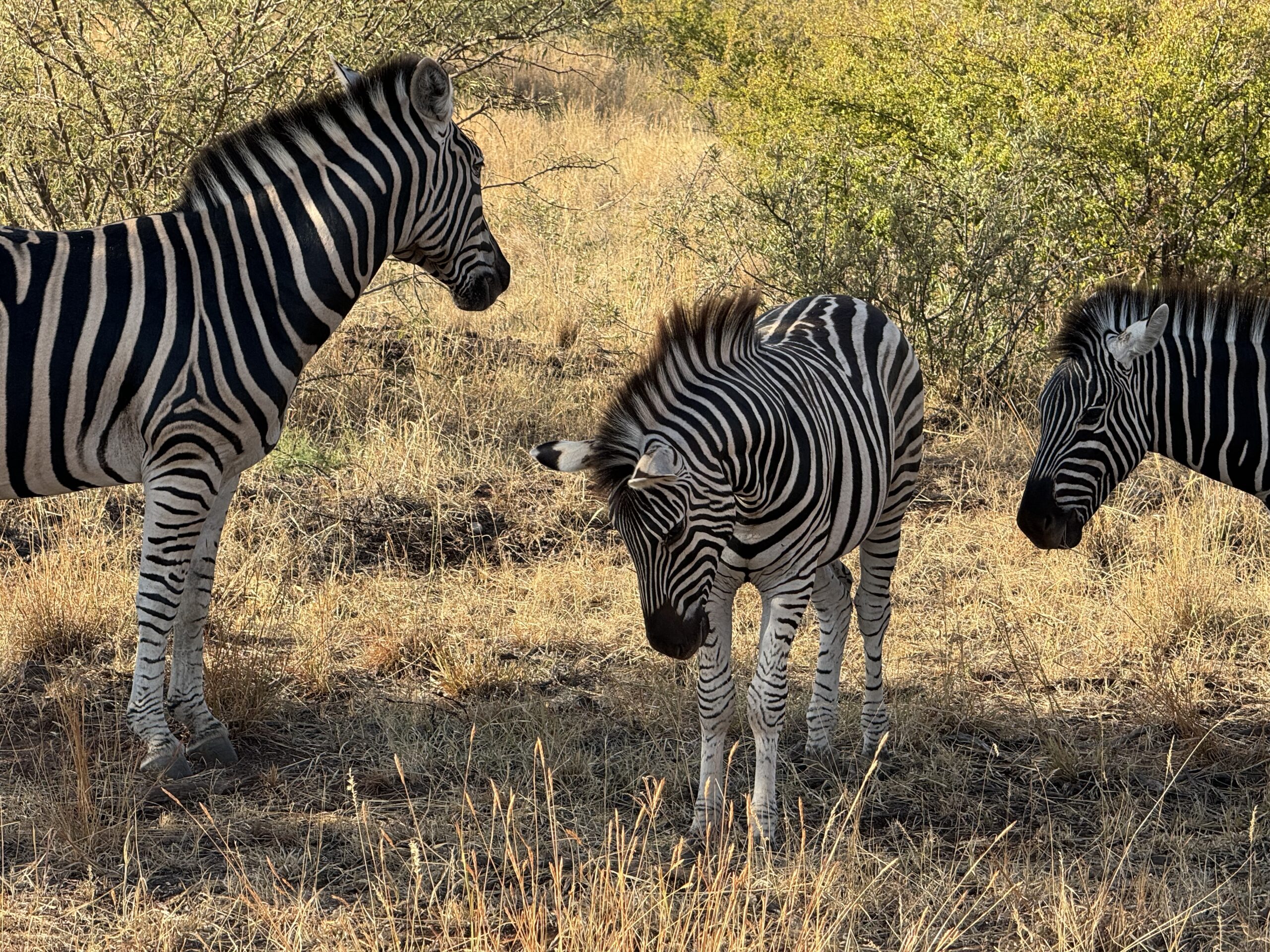
Safari season: May – September
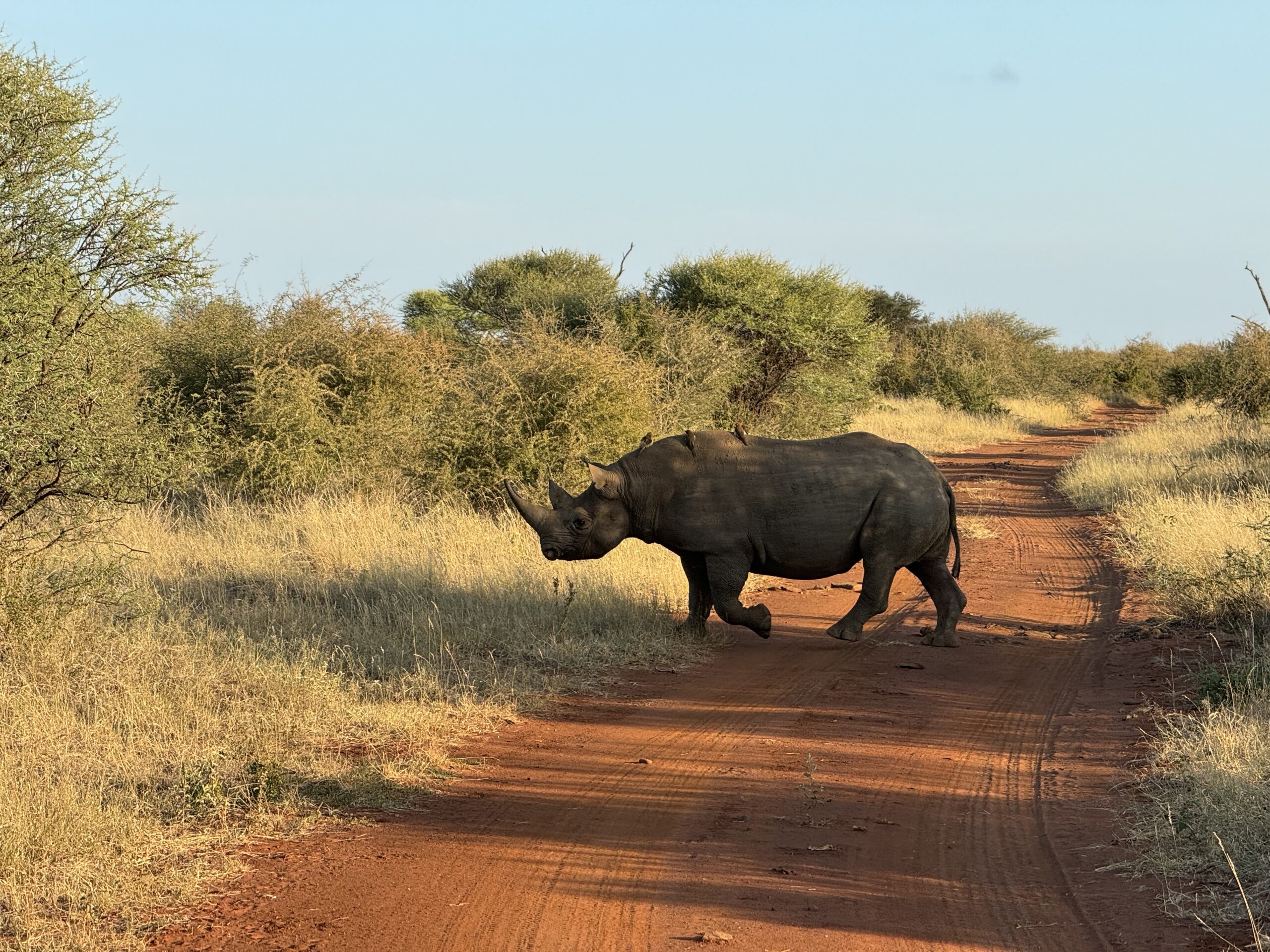
If the goal of your trip is to see the Big Five (lion, leopard, elephant, rhino, buffalo), the best time is the dry winter season from May to September.
Why? The logic is simple:
- The vegetation thins out. In winter the bushes shed their leaves and the grass dries up. Animals become visible, because there’s nowhere left for them to hide. In summer the same area looks like a dense green forest, through which even an elephant is hard to spot.
- Water is scarce. The dry months mean animals gather at the remaining waterholes. That makes watching easier, because you know where they’ll come.
- Less malaria. In winter the mosquito population is smaller, so the malaria risk in certain regions drops.
- Cooler weather. Daytime temperatures in Kruger Park in winter hover around 20–25°C, which is pleasant and more comfortable than the +35°C summer heat.
It matters not only when you go, but also what kind of safari you choose — self-drive, walking or a traditional one.
Kruger National Park (South Africa’s biggest and most famous reserve) is best from May to September. April and October are excellent transitional months: fewer tourists, still good viewing conditions. I’ve written about the best safari parks in South Africa in a detailed article.
Summer (November – March) in Kruger Park means rain, lush vegetation and the peak of bird migration. It’s a good time for birdwatchers and for those who want to see newborn animal young, but not the ideal time for a Big Five search.
Cape Town: November – March
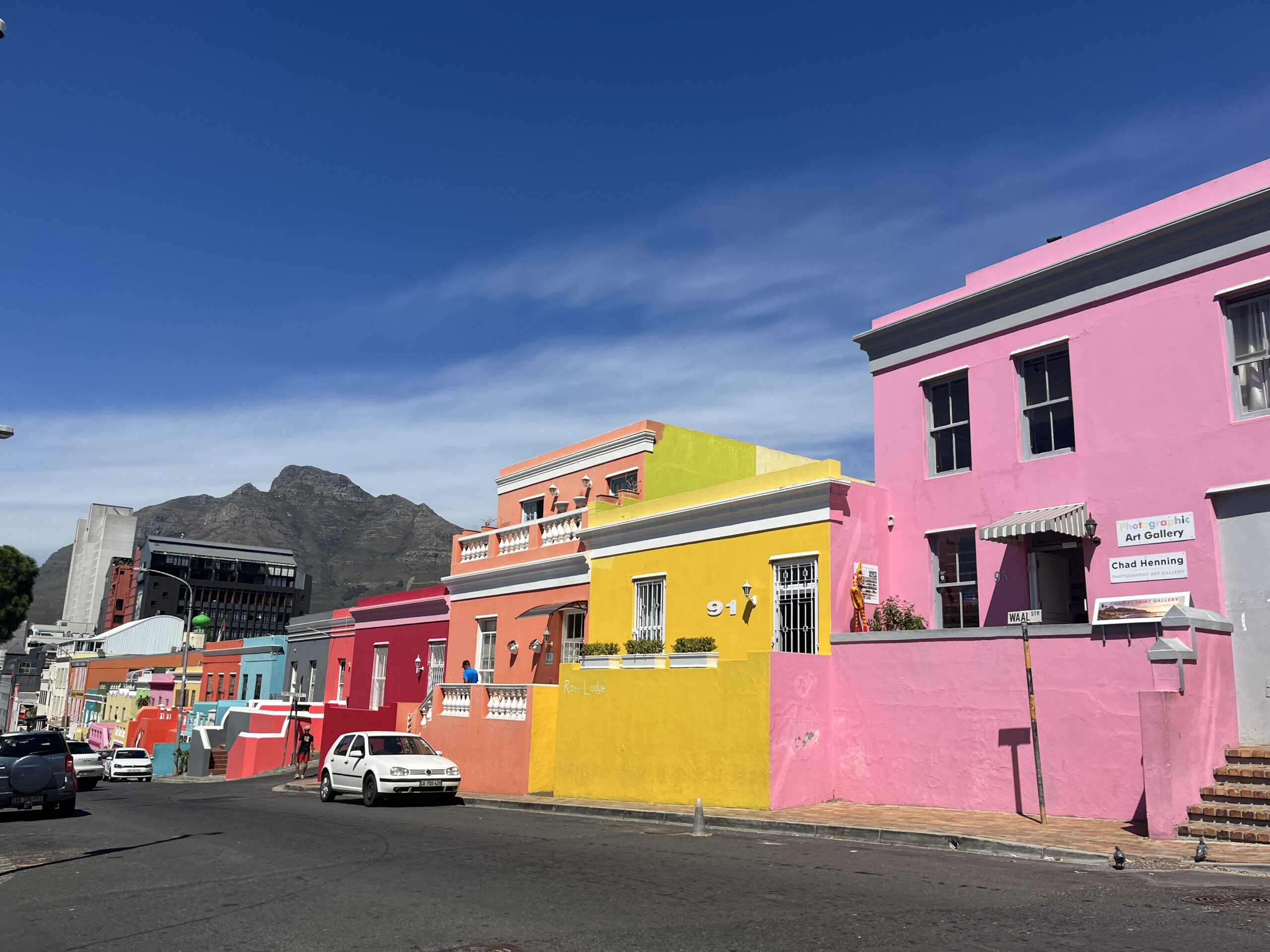
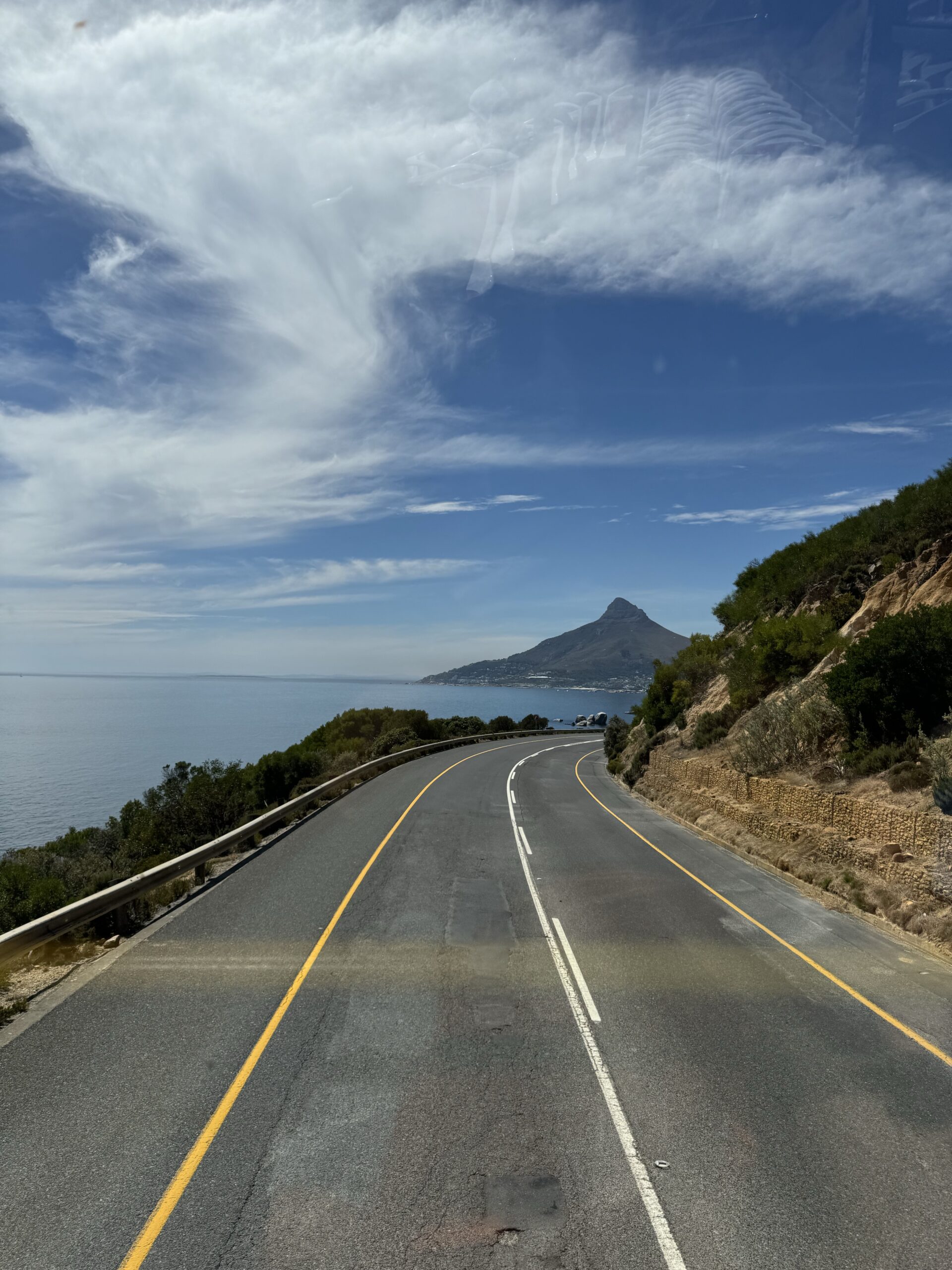
Cape Town has a Mediterranean climate: hot, dry summers and cool, rainy winters. The best time for Cape Town is from November to March, when the sky is blue, the temperature reaches 25–30°C and there’s almost no rain.
In summer Cape Town reveals its full beauty:
- The Clifton and Camps Bay beaches come alive, full of people, music and energy.
- Table Mountain is usually cloud-free (or with its famous “tablecloth”), and the cableway runs long hours. Table Mountain, the cableway and hiking routes — in a separate guide.
- The vineyards in the Stellenbosch and Franschhoek region are at their greenest and liveliest. Wine tastings outdoors, with a view of the mountains, are one of Cape Town’s best experiences.
- Long days mean more time to see everything. The sun sets around 20:00–20:30.
A warning: December – January is peak season. Prices rise, hotels fill up, the beaches get crowded. If you want a Cape Town summer without the crowds, choose mid-February to early March, or November.
In winter (June – August) it rains in Cape Town, the wind blows and the temperature drops to 8–15°C. The city still works — the cafés, museums and restaurants are waiting — but outdoor activities become unpredictable.
The Garden Route: February – April (but really all year round)
The Garden Route is one of those regions where the weather is unpredictable at any time, and that’s part of its charm. Rain here is possible in every month.
Still, February – April is considered the best period: the summer heat has already eased, there are fewer tourists than during the December–January peak, and the water temperature is still warm enough for swimming.
Spring (September – October) is also great: nature bursts into bloom, the temperature is pleasant (15–25°C), and the hiking trails are empty.
The full Garden Route by car with stops — here.
Whale season: June – November
Every year Southern Right Whales migrate from Antarctica towards the South African coast, where in the warmer waters they mate and raise their young. It’s one of the continent’s greatest natural spectacles.
Hermanus (about 1.5 hours from Cape Town) is the whale-watching capital. You can see whales here from June to November, with the best period being August – October. In late September the Hermanus Whale Festival takes place, drawing thousands of people.
An astonishing fact: Hermanus is one of the few places in the world where you can watch whales from the shore, without any boat. They swim just a few dozen metres from the cliffs. Some even leap out of the water (this is called “breaching”), and that sight is such that you simply stand, watch and forget where you are.
Wildflower season: August – September
Every spring the Namaqualand region (in the north-west of South Africa) undergoes a brief but stunning transformation. The dry, brownish-grey semi-desert turns, over a few weeks, the brightest colours: orange, yellow, violet, white, pink.
The wildflower season runs from early August to late September, with the peak usually in mid-August to early September.
A few tips for flower hunters:
- The flowers only open when the sun is shining. On overcast days the blooms stay closed. The best viewing time: 11:00–16:00.
- Start from the northern part of Namaqualand in early August, and move south in September.
- Every season is different: depending on the amount of winter rain, the intensity of the flowers varies. Some years the display is simply incredible, other years more modest.
Month by month: a quick guide
| Month | What to expect | Where it’s best |
|---|---|---|
| January | Summer peak, heat, longest days, biggest crowds | Cape Town, the Garden Route, beaches |
| February | Still hot, but the crowds thin. A great compromise | Cape Town, the Garden Route, vineyards |
| March | Summer slowly ends, mild weather, prices drop | Cape Town, the Garden Route, start of safari |
| April | Transitional period. Safari conditions improve | Kruger (cooling, vegetation thinning) |
| May | Start of safari season. Rain appears in Cape Town | Kruger, Hluhluwe, Addo |
| June | Winter, dry, cool. Safari excellent. Whales arrive | Kruger, Hermanus (whales) |
| July | Safari peak. Whales active. Rainy in Cape Town | Kruger, Hermanus, Durban (warmer) |
| August | Safari + whales + wildflowers. A three-wonder month | Kruger, Hermanus, Namaqualand |
| September | Spring begins. Flowers bloom. Whale peak | Hermanus, Namaqualand, Cape Town (weather improving) |
| October | Weather warms everywhere. Safari still good. Whales still here | Cape Town, Kruger, Hermanus |
| November | Start of summer. Cape Town revives. Bird migration | Cape Town, the Garden Route, Kruger (for birds) |
| December | Summer peak. Festive season, highest prices | Cape Town, beaches, the Garden Route |
Magical August–October: if only once
If you can go only once and want to experience as much as possible, mid-August to early October is the closest to a “perfect” period:
- Safari conditions are excellent (the dry season is still going).
- Whales off the Hermanus coast (peak in September–October).
- Wildflowers in Namaqualand (August–September).
- Cape Town waking from winter: fewer crowds, prices not yet risen, weather warming.
- On the Garden Route it’s calm and green.
The downside: the weather in Cape Town can still be unstable, some days rainy. But the risk is small, and the reward is big.
Transitional seasons: hidden treasure
March – May and September – November are the periods experienced travellers choose. The reasons are simple:
- Fewer tourists means better prices, freer trails, a calmer atmosphere.
- The weather is still good in most regions.
- Flexibility. You can combine safari with the coast, because conditions in both regions are acceptable.
March and April are especially good for those who want a bit of everything: it’s still warm in Cape Town, the vegetation in Kruger Park is beginning to thin, and there are fewer people on the Garden Route than during the summer peak.
Climate by region: a short summary
Cape Town and the Western Cape
Mediterranean climate. Hot and dry in summer, cool and wet in winter. In summer (December–February) the temperature is 25–35°C, in winter (June–August) 8–18°C. The “Cape Doctor” wind (a south-easterly) is frequent and strong in summer.
Kruger Park and the north-east
Subtropical climate. In summer (November–March) it’s hot and humid, temperatures up to 35°C, with frequent afternoon thunderstorms. In winter (May–September) it’s dry, the days warm (20–25°C), the nights cool (sometimes down to 5°C).
The KwaZulu-Natal coast (Durban)
Warm and humid all year round. Even in winter the temperature in Durban rarely drops below 15°C. The ocean temperature is warm year-round thanks to the warm Agulhas current. A great alternative when it’s too cold in Cape Town.
The Garden Route
Temperate climate zone. Rain is possible in every month, but summer (December–March) is the warmest and driest. Temperatures are 20–28°C in summer, 10–20°C in winter.
Namaqualand and the north-west
Semi-desert climate. Very hot in summer, mild in winter. Rainfall is minimal, apart from a short winter rain season, which is what triggers the spring flower boom.
Practical tips for choosing your time
How far ahead to plan. Peak season (December–January, and July–August in the safari regions) requires bookings 3–6 months in advance. In the transitional season a few weeks is often enough.
Flights. The cheapest tickets from Europe to Cape Town or Johannesburg are usually found in May–June and September–October (off-peak season). It’s also worth knowing about the 2026 visa changes — no visa is needed for stays of up to 90 days.
Budget. December–January is the most expensive period across the whole country. Hotel and lodge prices can be 2–3 times higher than in April or May. The transitional season lets you save and get the same (and sometimes better) experience.
What to wear. Layering is key. Even in summer, evenings in Cape Town can be cool because of the wind. In winter in Kruger Park a morning safari needs a warm jacket, because an open jeep at five in the morning, when it’s +5°C outside, cools you down fast.
Malaria. Kruger Park and some northern regions are in a malaria zone. The risk is highest in the rainy season (November–March). In winter the risk is lower, but prevention is still recommended. Cape Town, the Garden Route and the Western Cape are malaria-free.
So when should you go?
Honestly, there’s no bad time. There are only different times for different experiences:
- Want a safari? May – September.
- Want Cape Town and beaches? November – March.
- Want wildflowers? August – September.
- Want a bit of everything? September – October or March – April.
- Want it cheaper and calmer? May or November.
- Want adventure and aren’t afraid of rain? Any month. Really. South Africa works all year round.
South Africa is one of those countries that doesn’t fit into a single holiday week. It’s too big, too varied, too alive. But that’s exactly why people come back. The first time you come for the safari. The second, for Cape Town. The third, for the whales. The fourth, for the flowers. The fifth time you realise you just want to be there. And then it no longer matters what month it is on the calendar.
And if you want to see how it all fits together, read about my independent trip to South Africa — the safari and Cape Town.
Search for flights here. If something goes wrong with your flights, you can claim compensation through AirHelp or Compensair.
Staying connected? Skip expensive roaming and grab an eSIM plan — set it up before you fly and you’ll have data the moment you land.
I always recommend booking taxi transfers to and from the airports in advance. You can do that here.
Find accommodation here.