Planning a trip to South Africa and not sure whether you need a visa? Great news — most Western travellers no longer need a visa for a short stay! In this detailed guide I’ll cover everything you need to know about the latest visa rules, travel documents and practical tips for 2026.
Some links in this article are affiliate links. If you book through them I earn a small commission, at no extra cost to you.
Contents
- Do you need a visa for South Africa in 2026?
- South Africa entry requirements 2026 — for visa-free arrivals
- When do you still need a visa for South Africa?
- How to get a South Africa visa — step by step
- South Africa with children — important requirements 2026
- Travelling to South Africa in 2026 — practical tips
- The best times to travel
- Language and communication
- Frequently asked questions about the South Africa visa 2026 (FAQ)
- Conclusion: South Africa in 2026 — more accessible than ever
Do you need a visa for South Africa in 2026?
For most Western travellers, the answer is no. Citizens of the EU, the UK, the US, Canada, Australia and many other countries can travel to South Africa visa-free for tourism. For most of these nationalities the visa-free stay is up to 90 days, though a few countries are granted 30 days — so it’s worth checking your own country’s status before you fly.
This applies to tourism, short business visits and transit. If you plan to work, study or live in South Africa for longer than 90 days, different visa requirements apply.

South Africa entry requirements 2026 — for visa-free arrivals
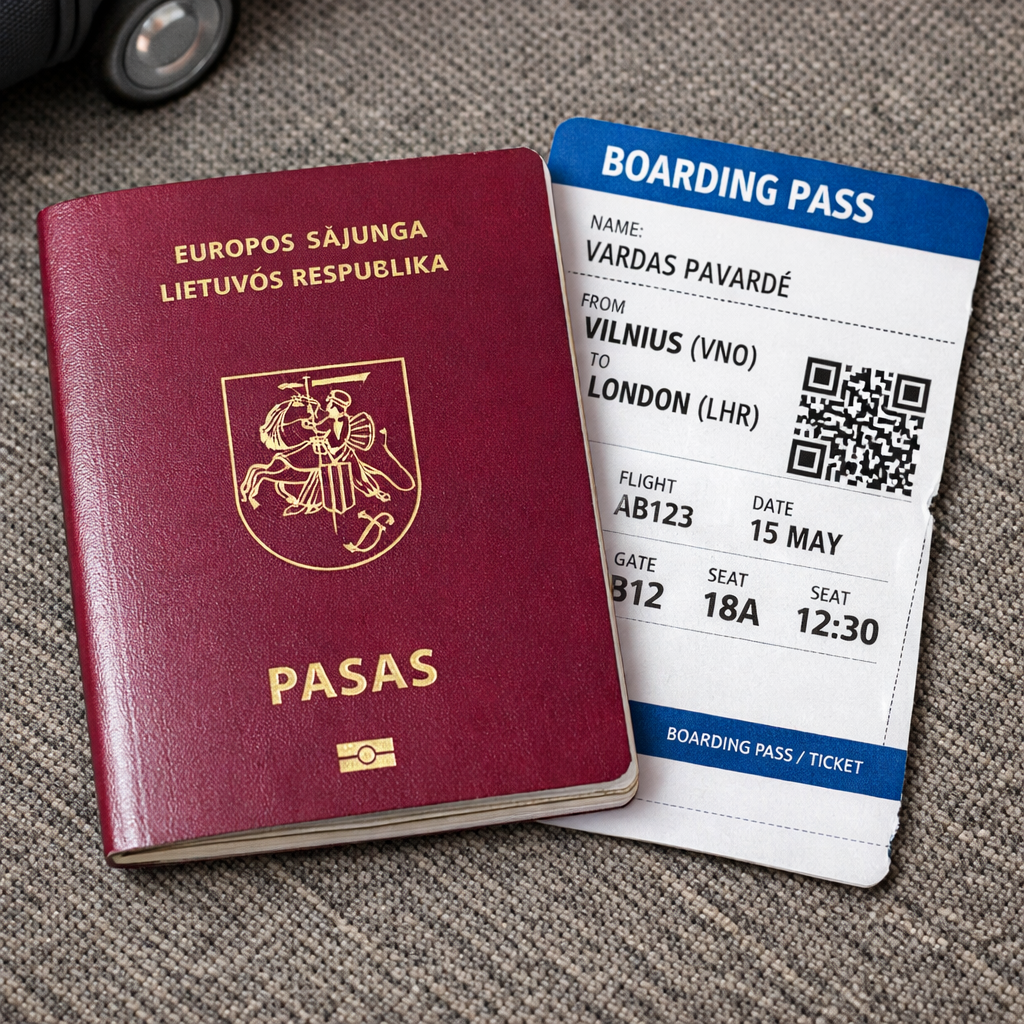
Even though you don’t need a visa, South Africa’s entry requirements still mean that on arrival at the border or airport you must have:
- A valid passport — the passport must be valid for at least 30 days after your planned departure from South Africa (6 months is recommended). It must have at least 2 blank pages for stamps.
- A return ticket — proof that you plan to leave the country (a return or onward flight ticket).
- Proof of funds — a bank statement showing you have enough money for the trip (at least ~$500 ≈ 445 € USD or the equivalent is recommended).
- Proof of accommodation — a hotel booking, an Airbnb confirmation or an invitation from a host.
- Travel insurance — although not officially required, it’s strongly recommended to have medical insurance valid in South Africa.
When do you still need a visa for South Africa?
Although you no longer need a visa for tourism of up to 90 days, a visa for South Africa is required in these cases:
- A stay longer than 90 days — if you want to stay more than three months.
- Work — a Work Visa is required for all foreigners who want to work in South Africa.
- Studies — a Study Visa is required for those studying at officially accredited institutions.
- Business activity — a Business Visa, if you plan to invest or run a long-term business.
- Joining family — a Relative’s Visa for those whose family members are South African citizens or residents.
- Travelling with children — special attention: children under 18 must have an unabridged birth certificate and, if travelling with one parent or without parents, a notarised consent from the other parent.
How to get a South Africa visa — step by step
If your situation requires a visa (work, study, a long stay), here’s how to get a South African visa:
Step 1: Determine the visa type
First determine which type of visa you need based on the purpose of your trip. South Africa’s Department of Home Affairs issues different visa types.
Step 2: Gather the required documents
A general document list for a visa application:
- A completed visa application (form BI-84)
- A valid passport with at least 30 days’ validity after your planned departure
- 2 passport-size photos meeting the requirements
- Flight tickets (return)
- Proof of accommodation
- A bank statement (last 3 months)
- A travel insurance policy
- The visa fee (paid when applying)
- Additional documents depending on the visa type (an employment contract, a university acceptance letter, etc.)
- Step 3: Apply at a South African embassy
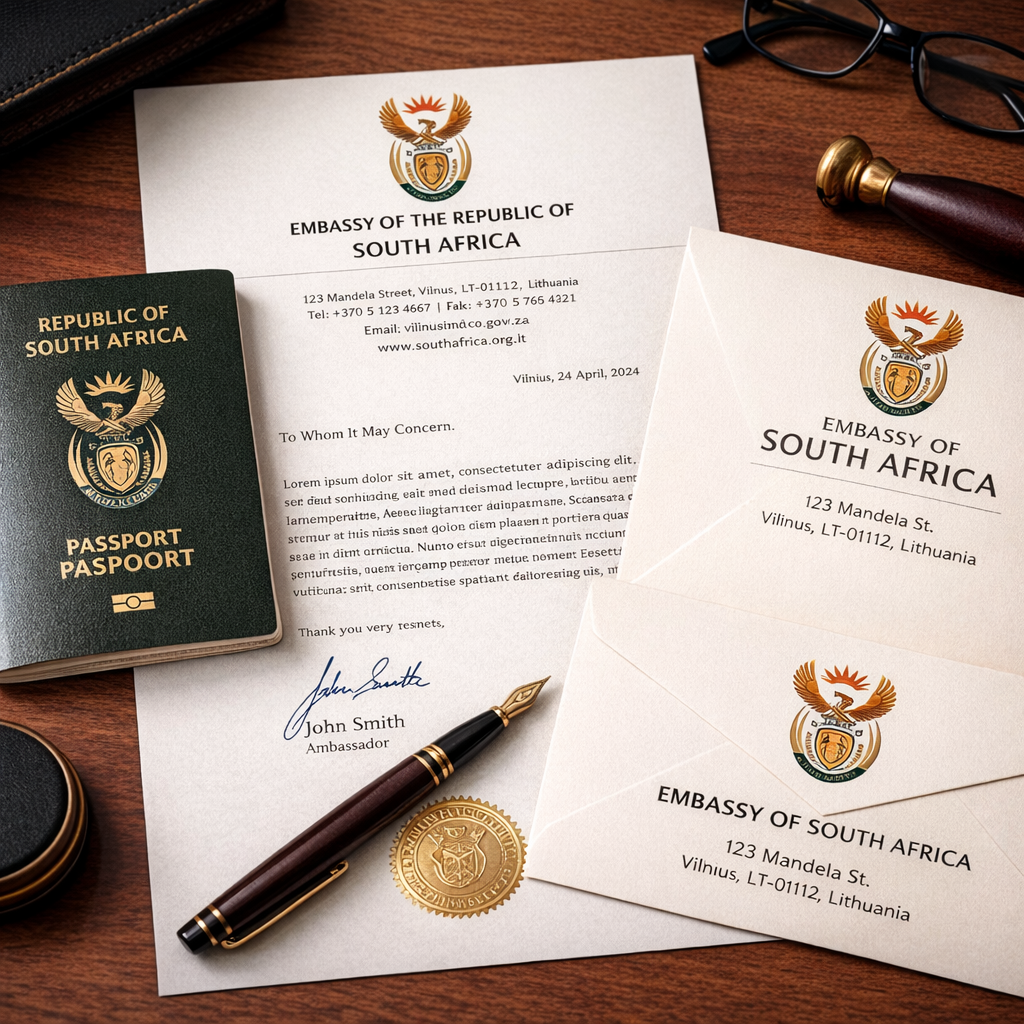
You must obtain a South African visa through the nearest embassy or consulate. If there’s no South African embassy in your own country, apply at the nearest one that serves your region. Some visa types allow you to apply through an accredited visa center service (for example, VFS Global).
Step 4: Pay the visa fee
The visa fee depends on the visa type. For a tourist visa the fee is usually about 425 ZAR ≈ 25 € (South African rand), and more for other types. Check the current prices directly with the embassy, as they can change.
Step 5: Wait for the decision
Visa processing usually takes 10–15 working days, but it’s recommended to apply at least 4–6 weeks before your planned trip, especially during the holiday season.
South Africa with children — important requirements 2026
South Africa has especially strict requirements when travelling with children under 18. These rules were introduced to protect children from trafficking.
If you’re travelling with a child:
- The child must have an unabridged birth certificate (the full one, not just an extract).
- If both parents are travelling together — both must be listed on the birth certificate or have other documents proving the relationship.
- If one parent is travelling — a notarised written consent from the other parent is required, or a death certificate, or a court order for sole custody.
- If travelling without parents (with grandparents, teachers, etc.) — a notarised consent from both parents is required.
Important: ignoring these rules can get you refused entry, so prepare the documents in advance.
Travelling to South Africa in 2026 — practical tips
The best times to travel
South Africa is a great destination all year round, but the best times depend on what you plan to do:
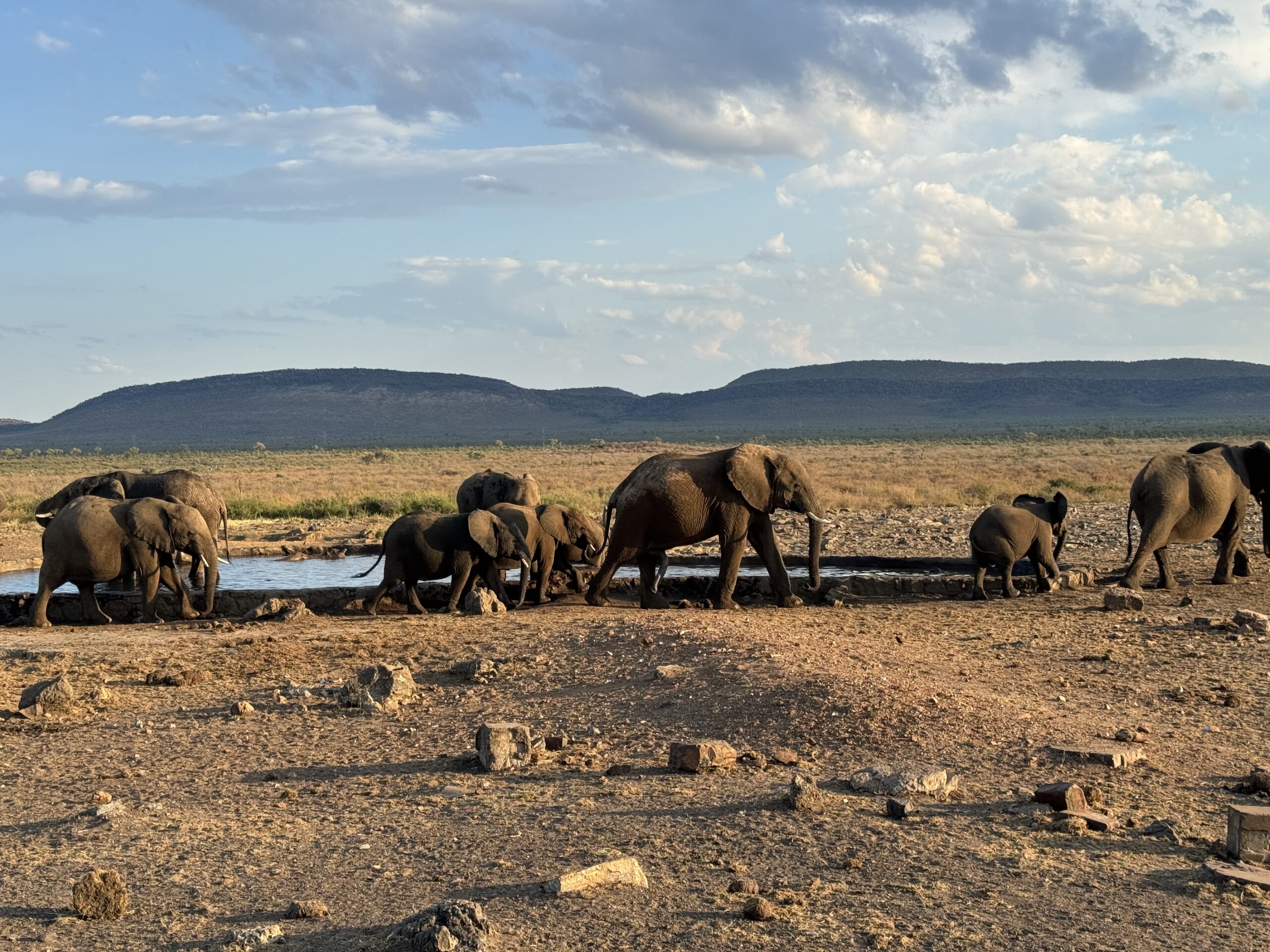
- May–September (South African winter) — the best time for safari, as the vegetation thins out and animals are easier to spot. The weather is drier, colder at night.
- November–February (South African summer) — ideal for beach lovers in Cape Town, but the rainy season in the northern areas.
- October–November — a great time to watch animals with their young, green landscapes.
Transport and getting around
The most popular and flexible way to travel in South Africa is car hire. An EU or UK driving licence is recognised, but an International Driving Permit is recommended. Note — they drive on the left (right-hand-drive cars).
Health and safety
Before the trip, consult a doctor about:
Malaria prophylaxis — especially if you’ll visit Kruger National Park or Limpopo Province.
The yellow fever vaccine — although South Africa itself doesn’t require this vaccine on arrival (if you’re not coming from an endemic region), other destinations after South Africa may require it.
Standard vaccinations — hepatitis A and B, typhoid.
In terms of safety, South Africa has a high crime rate, especially in cities. Follow general rules: don’t walk alone late at night, don’t keep valuables in view, use registered taxi services.
Currency and payments
South Africa’s currency is the rand (ZAR). You can pay by card in most places, but it’s worth having cash for smaller shops and resort areas. ATMs are widely available in the major cities.
Language and communication
South Africa has 11 official languages, but English is the language of business and tourism, understood everywhere. If you speak English, you’ll have no communication problems.
Frequently asked questions about the South Africa visa 2026 (FAQ)
How long can you stay in South Africa without a visa?
Most Western travellers can stay in South Africa for up to 90 days visa-free for tourism (a few nationalities get 30 days — check your own country). For many countries this is a recent change from a shorter limit.
Can you extend your stay in South Africa?
Yes, you can apply to extend your stay at South Africa’s Department of Home Affairs. But this must be done before your original 90-day permit expires. Deliberately overstaying can result in a fine and a ban on re-entry.
Do you need travel insurance for South Africa?
Officially insurance isn’t mandatory, but it’s strongly recommended. Medical care in South Africa’s private hospitals is expensive, and treatment without insurance can cost thousands of euros.
How much money do you need to have?
There’s no official minimum amount, but immigration officers assess whether you have enough funds for the trip. A guide figure is at least $500 ≈ 445 € USD or the equivalent per person for a short trip.
Can you pay in euros or dollars in South Africa?
No, the official currency is the rand (ZAR). You can exchange euros or dollars at banks and currency exchange offices in airports and cities. The most convenient way to get local currency is from a local ATM.
Conclusion: South Africa in 2026 — more accessible than ever
For most Western travellers, no visa is needed for tourist trips of up to 90 days — for many countries that’s three times longer than before. This change has made South Africa an even more attractive destination.
Everything you need for a short trip — a valid passport, a return ticket and enough funds. A visa is only needed in specific cases — a longer stay, work or studies.
Preparing for a trip to South Africa isn’t complicated, but you need to pay special attention to the documents for travelling with children and to health precautions. With the right preparation, South Africa will reward you with wonderful national parks, colourful cultures and unforgettable natural scenery.
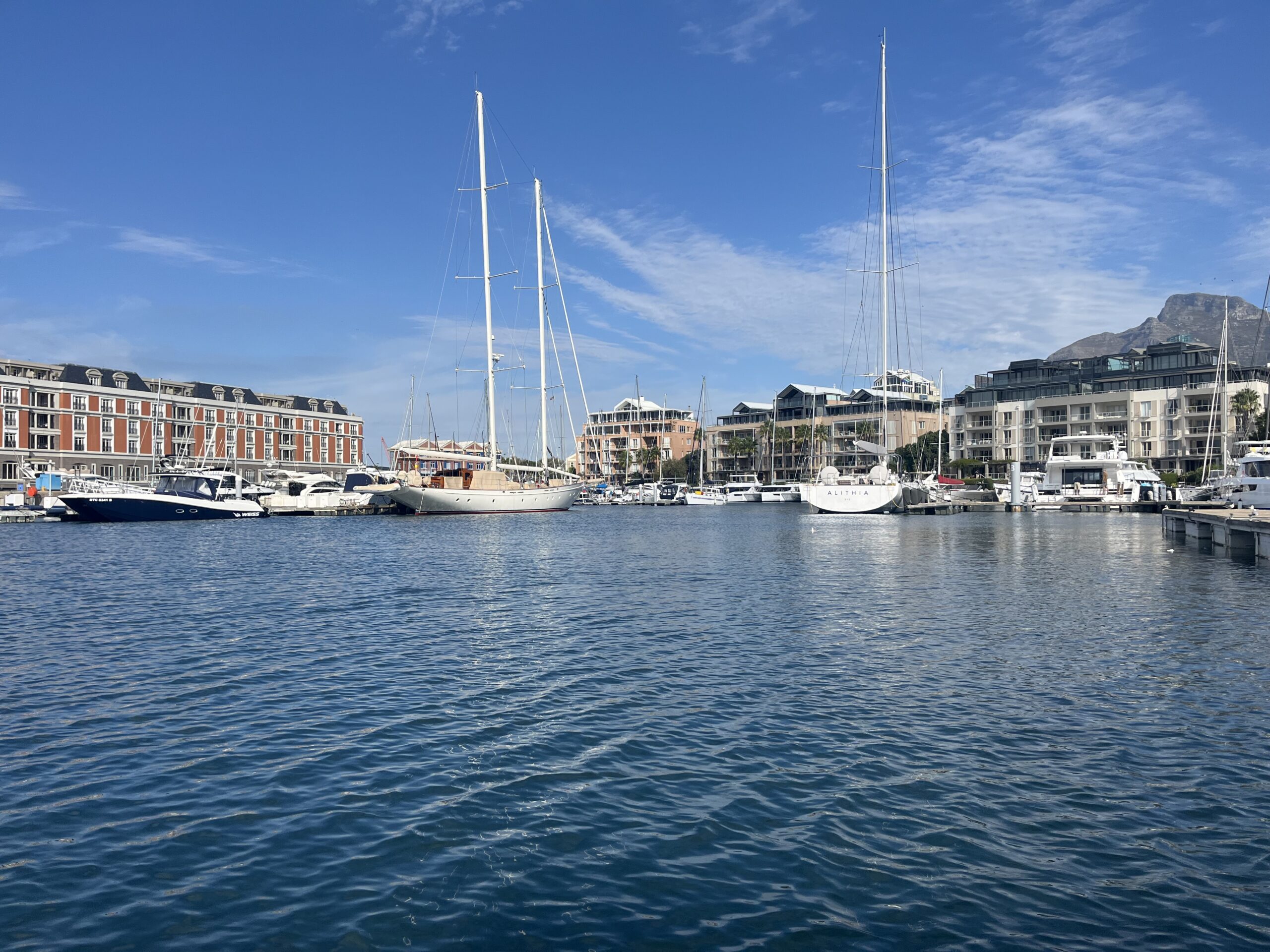
And if you want to see what such a trip actually looks like, read about my independent trip to South Africa — the safari and Cape Town.
Search for flights here. If something goes wrong with your flights, you can claim compensation through AirHelp or Compensair.
Staying connected? Skip expensive roaming and grab an eSIM plan — set it up before you fly and you’ll have data the moment you land.
I always recommend booking taxi transfers to and from the airports in advance. You can do that here.
Find accommodation here.