South Korea’s transport system runs so smoothly that after your first day you start feeling like a local. Trains arrive to the second, metro stations are full of English signs, and a single plastic T-money card unlocks almost everything — from the Seoul metro to intercity buses. Here you’ll find everything you need to get around the country. The good news for newcomers: most of it can be sorted with your phone and one card, so planning your route is easier than it first looks.
Some links in this article are affiliate links. If you book through them I earn a small commission, at no extra cost to you.
Contents
- T-money Card
- Where to buy a T-money card
- How to top up
- Where T-money works
- The Seoul Metro: The Fastest Way to Get Around the City
- What the fares look like
- Climate Card — an unlimited travel pass
- Paying with a foreign card
- KTX: The High-Speed Train Between Cities
- Seoul–Busan: the most popular route
- Where to buy KTX tickets
- Other popular KTX routes
- KORAIL Pass: Unlimited Rail Travel for Foreigners
- Prices and types
- How to get a KORAIL Pass
- Intercity and Express Buses
- Prices and travel time
- How to buy tickets
- Flights to Jeju: Faster Than the Ferry and Often Cheaper
- Plane or ferry
- Taxis in Korea
- How to pay
- Quick Summary: Which Transport Should You Choose?
- Frequently Asked Questions
- Can I top up a T-money card with a bank card?
- How much is a KTX ticket from Seoul to Busan?
- Is the KORAIL Pass worth it for a short trip?
- Is it better to fly or take the ferry to Jeju?
- What's the easiest way to book a taxi in Korea?
- Can I pay for the Seoul metro with a foreign card?
T-money Card
T-money is a rechargeable transport card that works nationwide. It’s accepted on the Seoul metro, city buses, many taxis, regional buses in some cities, and even in some shops and fast-food places. If you plan to use public transport for more than a day, you’ll definitely need this card. It’s the first thing worth picking up at the airport.
Where to buy a T-money card
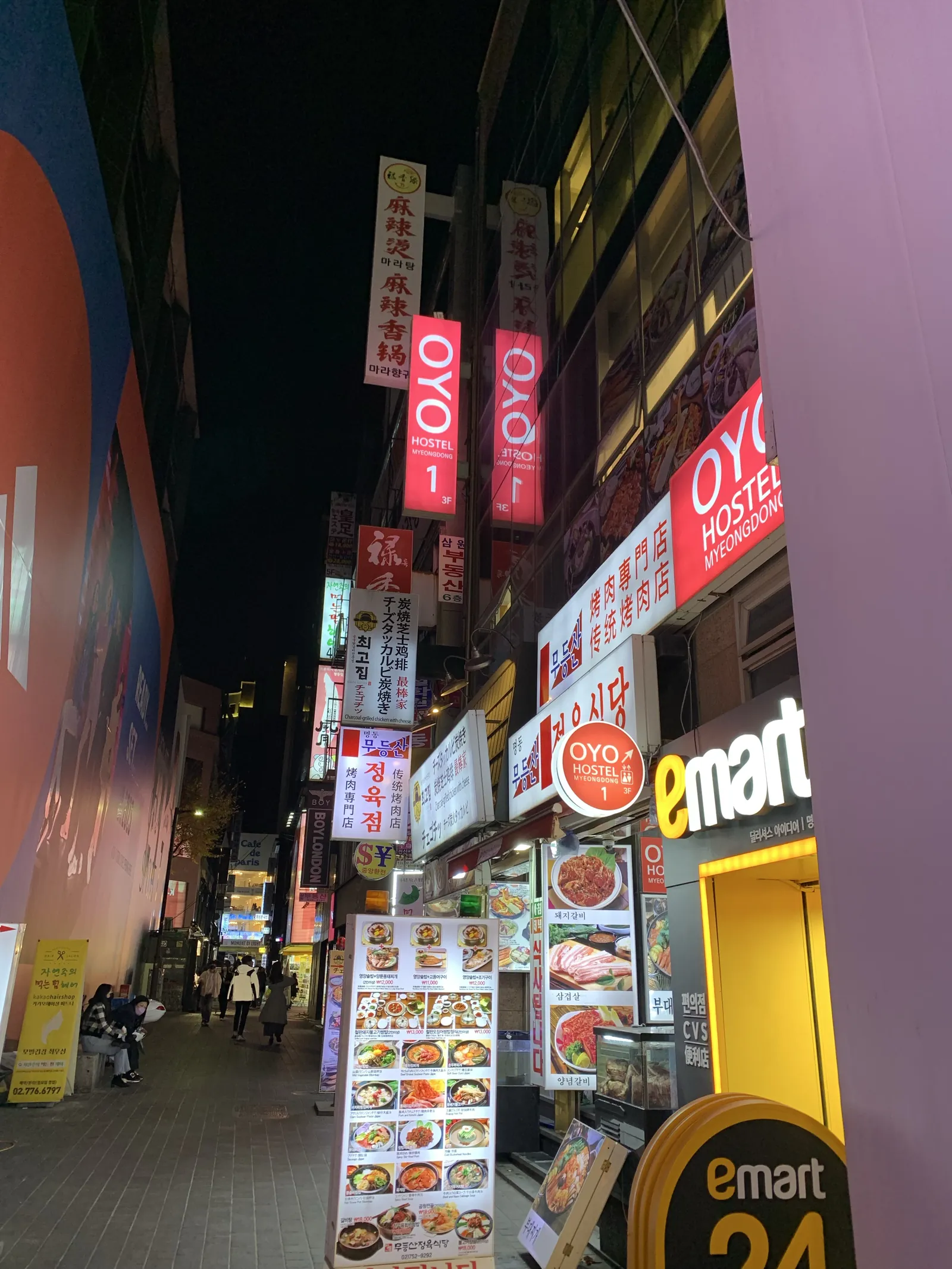
You can buy one as soon as you arrive — the card is sold at GS25 and CU stores at Incheon Airport, near the AREX (airport railroad) stops, and in any city convenience store: GS25, CU, 7-Eleven, Ministop, Emart24. A standard card costs about 3,000 won (roughly €2).
How to top up
You can top up at any convenience store. The minimum is 1,000 won, and the maximum single top-up is about 90,000 won. One important catch: most machines and store tills only accept cash for T-money top-ups, so make sure you always carry around 10,000–20,000 won in banknotes. There’s an alternative — the WOWPASS card, which you can top up with a foreign bank card via an app, so it’s very handy if you have no cash on you.
Where T-money works
- Seoul metro and suburban trains
- City buses across Korea
- Taxis — wherever you see the T-money logo on the car
- Some shops and fast-food places
Bonus: T-money holders get a discount when transferring from metro to bus or bus to bus within roughly half an hour — this is called the integrated fare system. Single-use tickets don’t get this perk, so if you’ll be hopping around the city with transfers, the card saves both time and money.
The Seoul Metro: The Fastest Way to Get Around the City
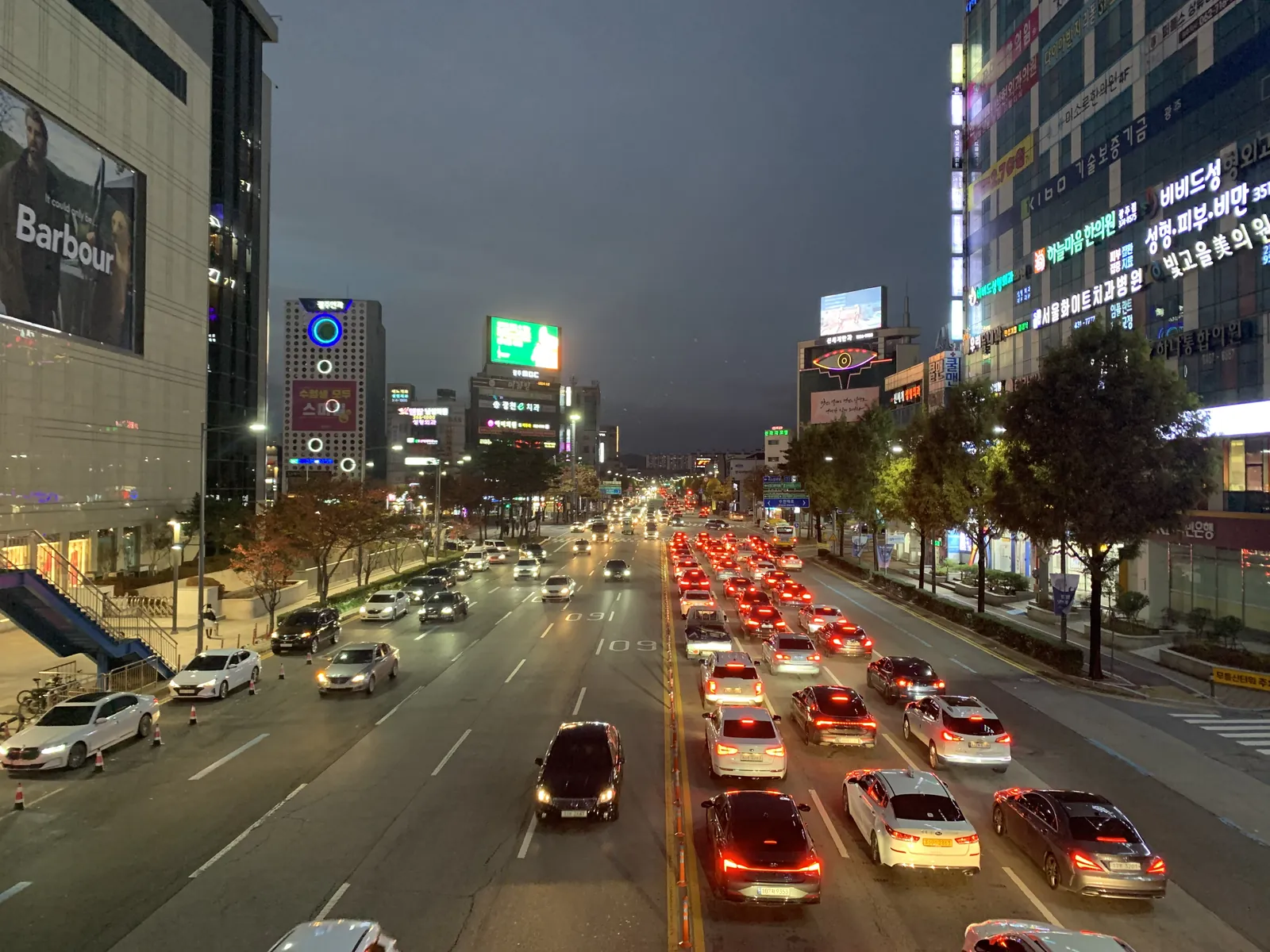
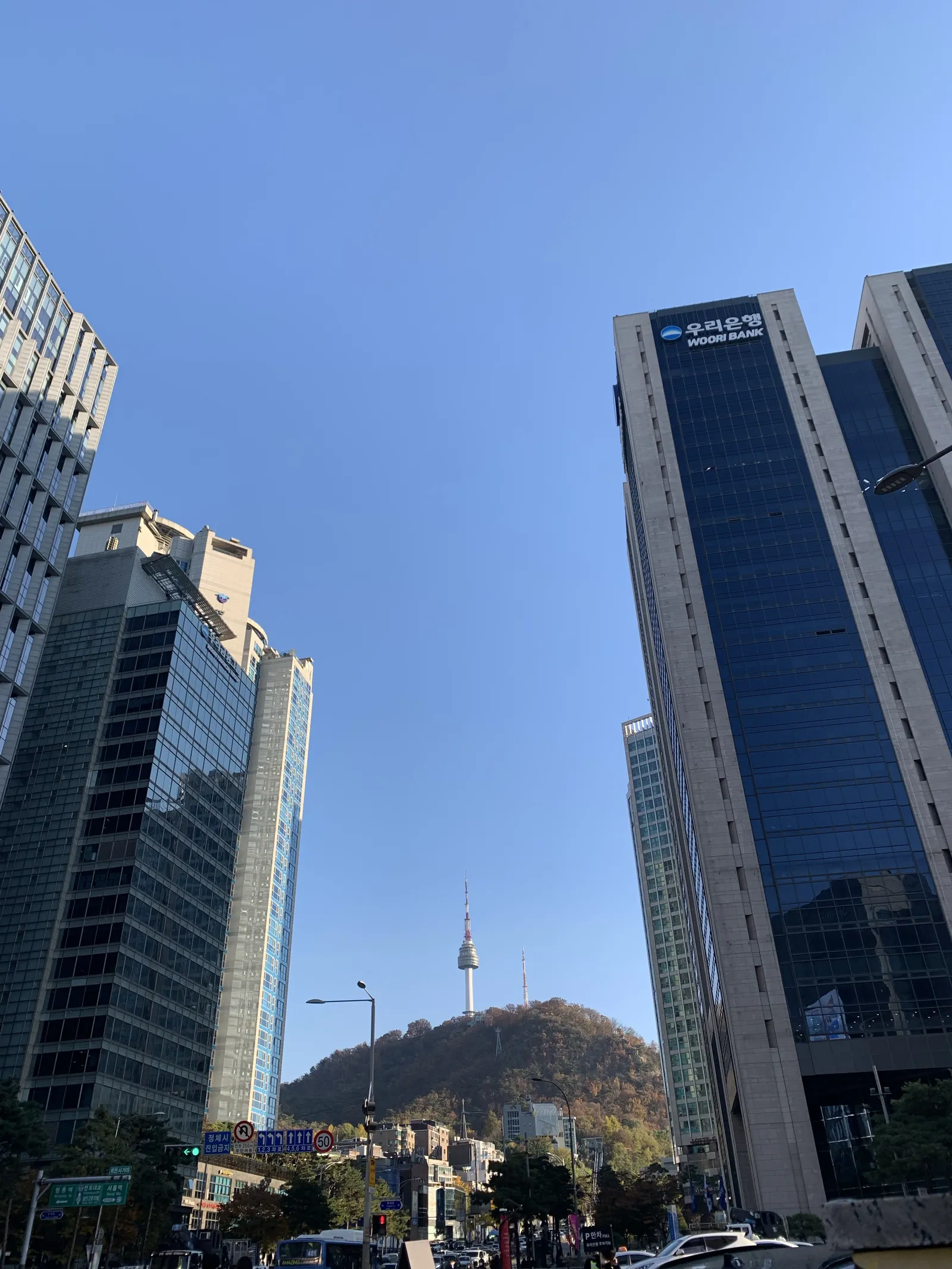
The Seoul metro is one of the largest in the world. It covers not only the capital but also Incheon and Gyeonggi Province. Navigating central stations is easy: signs are in Korean and English, platforms have English voice announcements, and at every junction you’ll find colored line maps. Rush hour gets properly crowded, but trains run so often that you rarely wait long.
What the fares look like
The base fare with a T-money card is about 1,550 won (roughly €1.05). Every additional 5 km adds another 100–200 won. In the early morning, before the rush starts, some lines are cheaper. The calculation is automatic: you tap your card on the reader when entering and leaving, and the system works out the distance and price. If you forget to tap out, you may be charged the maximum fare next time.
Climate Card — an unlimited travel pass
If you plan to ride around Seoul a lot, it’s worth knowing about the Climate Card — an unlimited pass for the Seoul metro and city buses for about a month at 65,000 won (around €44). There are also shorter options for a few days, which are often more convenient for tourists. Good news: you can now buy and top up this card with a foreign bank card at special machines in the largest stations — before, this was only possible with cash.
Paying with a foreign card
Apple Pay and Samsung Pay already work with T-money at some metro stations — at certain gates you can simply tap your phone. Check support in your bank’s app before the trip. Regular bank payments (Visa, Mastercard) are accepted at station machines for single-use tickets. For all the apps that will come in handy on your trip, read the separate article about apps for traveling in Korea.
KTX: The High-Speed Train Between Cities
KTX (Korea Train Express) is the fastest and most comfortable way to travel between Korea’s major cities. Trains reach speeds of up to 300 km/h, and that’s not marketing: Seoul–Busan (about 450 km) takes roughly 2 hours 15 minutes. Clean cabins, roomy seats, Wi-Fi, and the whole peninsula flashing past the window. Stations have clear electronic boards with departure times in Korean and English, so even first-timers find their way easily. Worth knowing: seats are numbered, so a reserved ticket guarantees a specific seat — an unreserved ticket is cheaper, but you may have to stand.
Seoul–Busan: the most popular route
Many KTX services run every day between Seoul (Seoul Station or Suseo) and Busan, so you’ll find a train at almost any time of day. Economy-class tickets start at roughly 42,600–59,800 won (€28–40), depending on the time and how early you buy. First class starts at about 83,700 won (€55). The earlier you buy, the cheaper — on weekends and holidays, popular times sell out quickly.
Where to buy KTX tickets
Tickets are sold on the official KORAIL website, in the “Korail Talk” app, at ticket offices and machines in stations, and on platforms such as Klook and Rail.Ninja. Station machines have an English interface and accept international cards. If you buy online from abroad, some Korean banks’ payment methods don’t work — in that case the most reliable choice is Klook or Rail.Ninja, which accept Visa and Mastercard without problems.
Other popular KTX routes
- Seoul–Daegu: about 1 h 40 min
- Seoul–Gyeongju: about 2 h (via Singyeongju station)
- Seoul–Gwangju: about 1 h 40 min (Honam line)
- Seoul–Jeonju: about 1 h 30 min
KORAIL Pass: Unlimited Rail Travel for Foreigners
The KORAIL Pass is a special pass for holders of foreign passports only (or people living in Korea on a short-term visa). It gives you unlimited travel on KTX, ITX-Saemaeul and Mugunghwa trains for your chosen period. It’s a great solution if you plan to cover several cities in a short time.
Prices and types
- 2-day flexible pass (any 2 days within 10 days): about 131,000 won (~€87)
- 3 consecutive days: about 165,000 won (~€110)
- 4-day flexible pass (any 4 days within 10 days): about 234,000 won (~€155)
- 5 consecutive days: about 244,000 won (~€162)
Is the KORAIL Pass worth it? Do the simple math: if you plan at least two longer train journeys (for example, Seoul–Busan and Seoul–Gwangju), the 2-day pass will most likely pay for itself. If you’re only going once, a single ticket is better. Groups of two to five people get an extra discount with Saver passes.
How to get a KORAIL Pass
You buy the pass online (on the KORAIL website or third-party platforms) and receive a voucher by email. In Korea you exchange it for the physical pass at a ticket office, showing your foreign passport — you can do this at Seoul, Yongsan, Suwon, Busan and other larger stations. On some trains you also need to reserve a seat separately, and on KTX it’s worth doing almost always.
Intercity and Express Buses
Trains aren’t the only option. Korea’s intercity bus network is extensive, cheap, and reaches cities and towns where KTX doesn’t stop. From Seoul there are two main express bus terminals: Seoul Express Bus Terminal (in Gangnam, by metro lines 3, 7 and 9) and Dong Seoul Bus Terminal on the eastern side of the city. Both are easy to reach by metro, so you don’t need to worry about getting there.
Prices and travel time
An express bus ticket from Seoul to Jeonju costs about 22,000 won (around €15), and the journey takes roughly 2.5–3 hours. Buses are usually cheaper than KTX but slower. They’re great if you don’t want to overpay or are heading to cities where the train station is far from the center. Seats are comfortable, and on express buses they’re often wider than on a train.
How to buy tickets
You can buy tickets at the terminal’s ticket office, where both cash and bank cards are accepted. Online, the platforms Kobus and Bustago work (both have English interfaces), but paying with a foreign card sometimes gets stuck. The most reliable alternative is Klook, where you can pay with Visa or Mastercard. If you’re traveling during Chuseok or the New Year holidays, tickets sell out quickly — arrange them in advance.
Buses are especially handy for traveling to southwest Korea — to Ttangkkeut, the “end of the land”, where there are no KTX lines, and toward the southern coast.
Flights to Jeju: Faster Than the Ferry and Often Cheaper
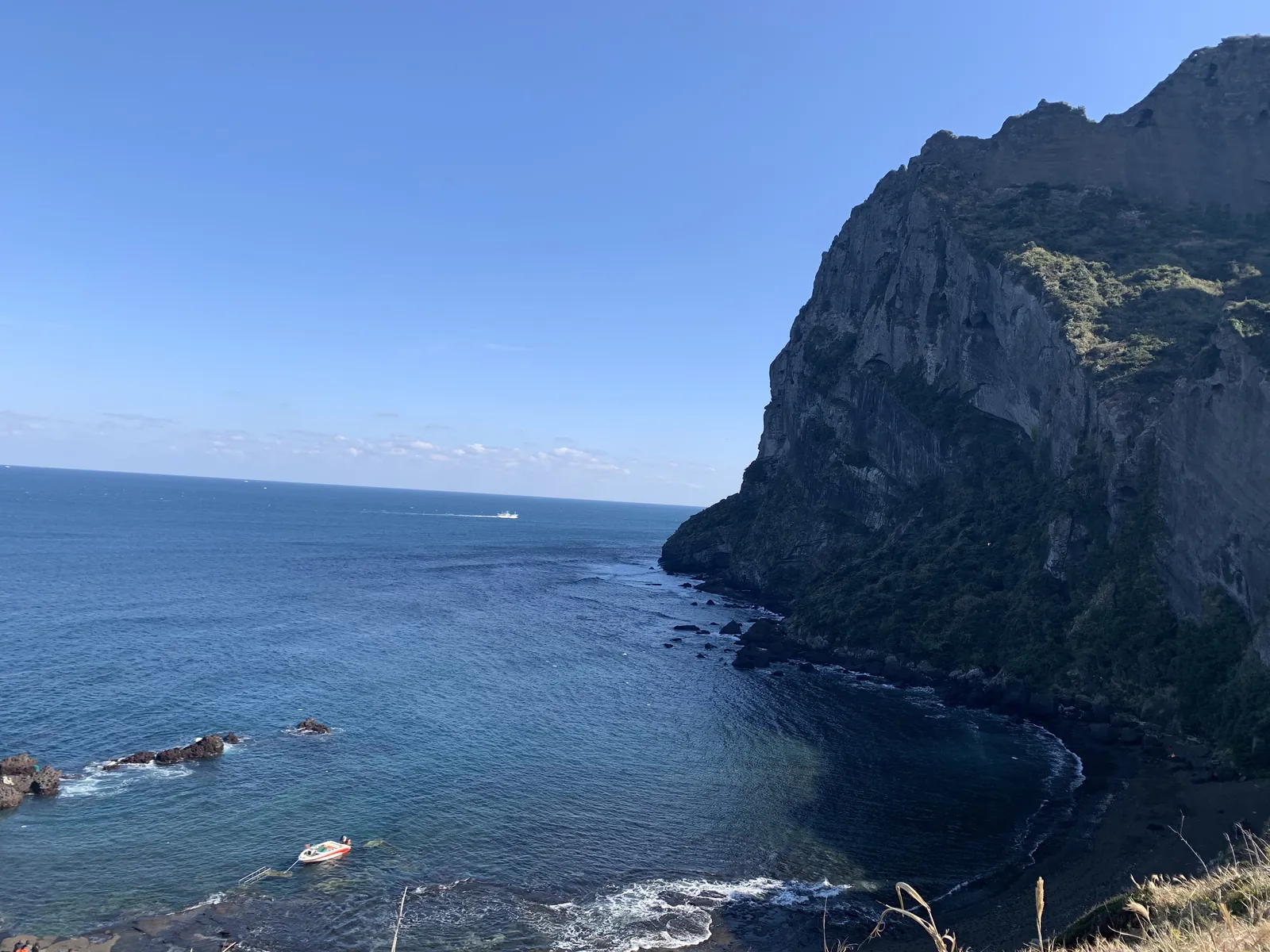
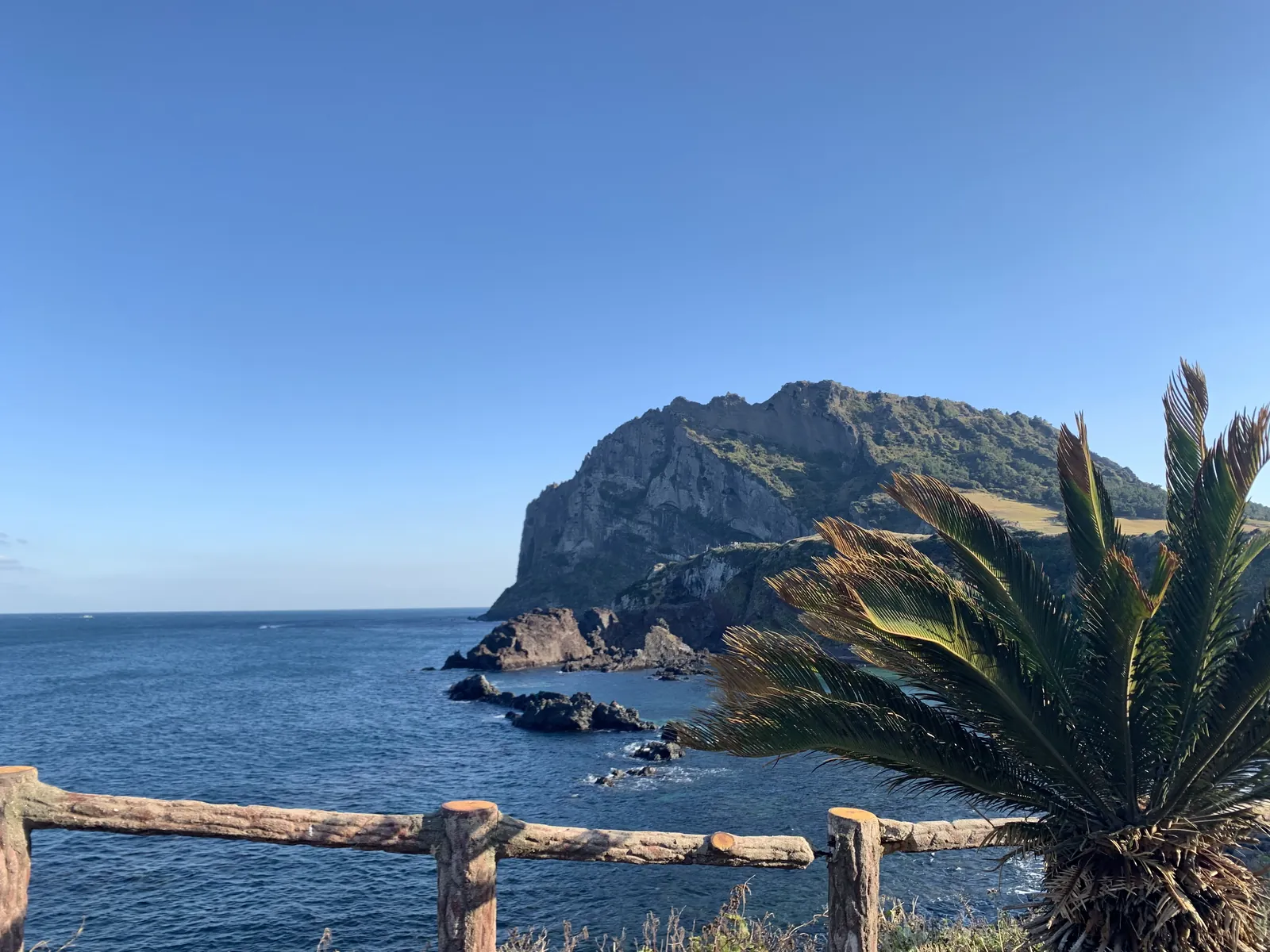
Jeju Island isn’t on the mainland — you reach it by ferry or by plane.
Plane or ferry
The flight from Seoul to Jeju takes about 1 hour 15 minutes. By ferry, you first need to get to a southern port (Mokpo or Wando), and then sail another 2–3 hours at sea. In total, the ferry journey from Seoul with transit takes more than 10 hours. Flight tickets with Jeju Air, Jin Air or T’way Air, bought a few months in advance, start from just a few tens of thousands of won, and during promotions they get even cheaper. The ferry only makes sense if you’re traveling with very large luggage or specifically want a sea voyage.
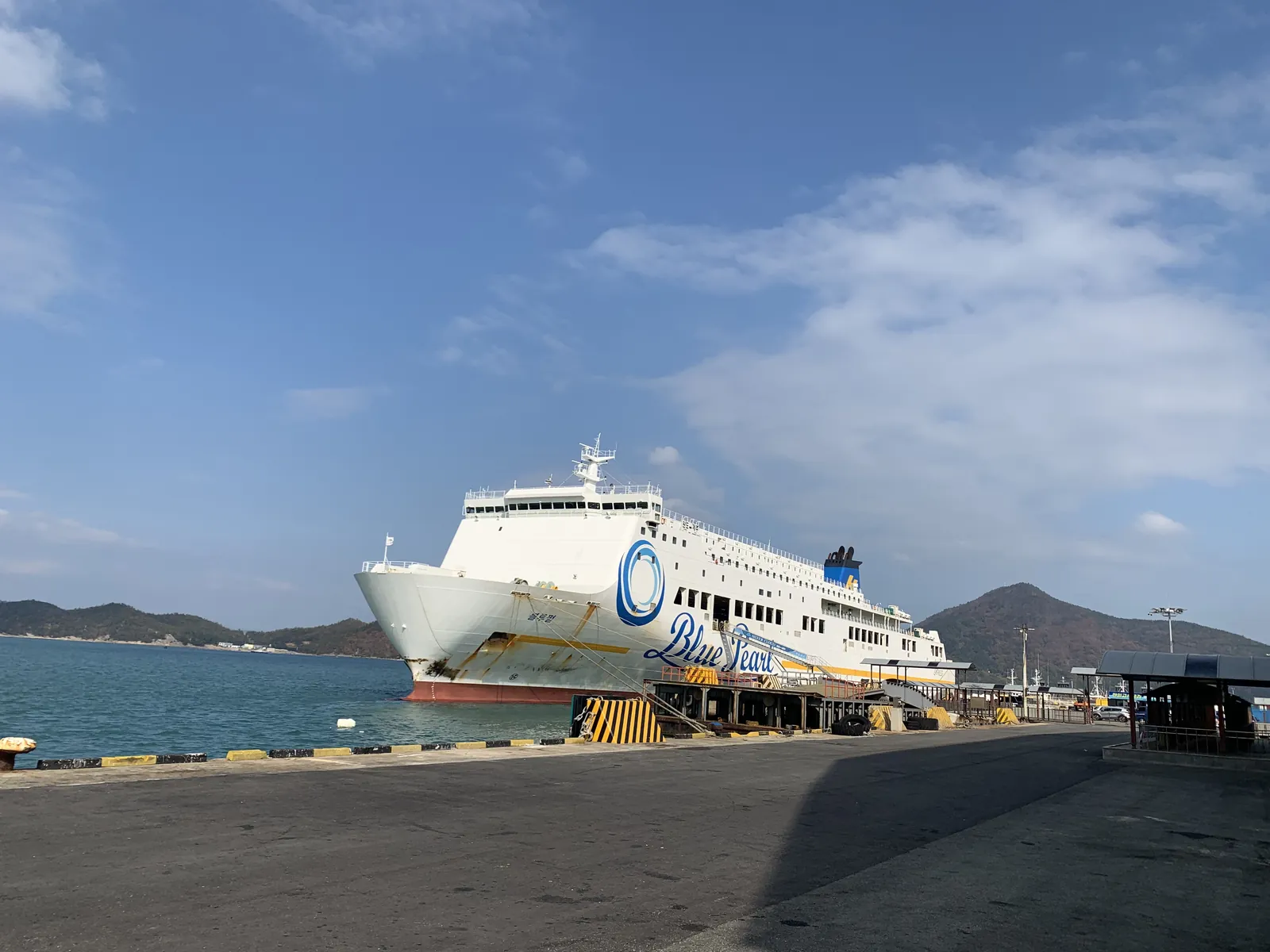
Several carriers serve the Seoul–Jeju route, and it’s traditionally considered one of the busiest in the world by number of flights. That means lots of choice and competitive prices.
Taxis in Korea
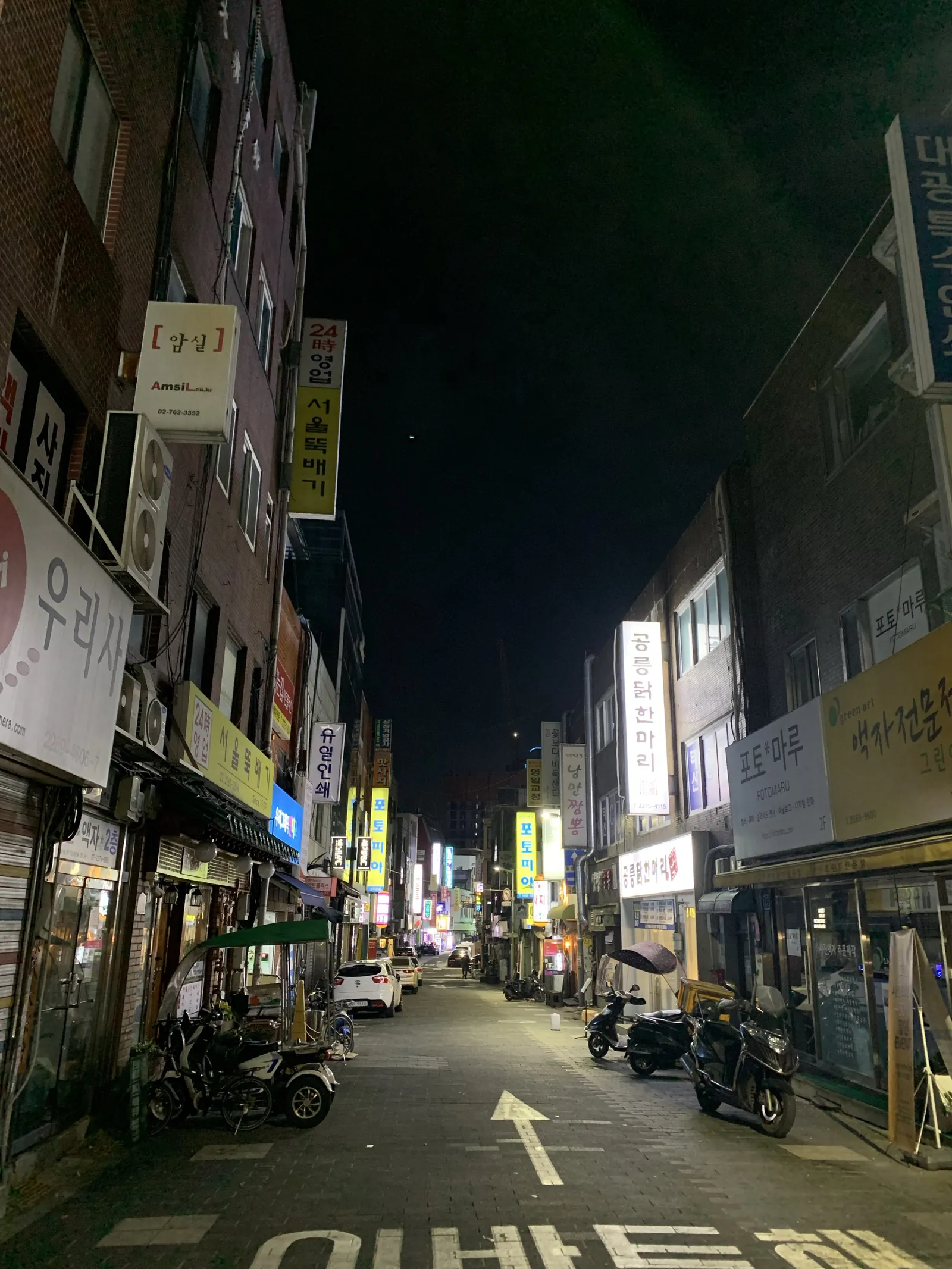
Taxis in Korea are cheap by Western European standards. The starting fare in Seoul is about 4,800 won (around €3.20), after which the meter takes over. Fares are higher at night, but even then a ride won’t empty your wallet. It’s a convenient option when you’re carrying luggage or coming back late when the metro has stopped running. Short trips around the city cost just a few euros, so with three or four people, taking a taxi often works out cheaper than buying individual tickets.
How to pay
Many Seoul taxis accept the T-money card — the driver will hold it to the reader. Bank cards (Visa, Mastercard) are also accepted, and of course cash. There is a language barrier — many taxi drivers don’t speak English. The solution is simple: the Kakao T app lets you enter your destination in advance (in Korean) and book a taxi. It’s the most convenient way for a foreigner, and you can use the app even without a Korean phone number.
Quick Summary: Which Transport Should You Choose?
- In the city (Seoul and others): metro plus bus with T-money — the fastest and cheapest.
- Between cities when speed matters: KTX.
- Between cities on a budget or to smaller towns: express or intercity bus.
- To Jeju Island: plane — the fastest and usually the cheapest.
- A long trip with lots of train rides: KORAIL Pass.
- Getting around at night or with luggage: taxi with Kakao T.
For more on planning your whole trip around the country, read the main South Korea travel guide.
Frequently Asked Questions
Can I top up a T-money card with a bank card?
At most top-up points — machines and convenience stores — T-money can only be topped up with cash. The alternative is the WOWPASS card, which works like T-money but can be topped up with a foreign bank card via an app. The Climate Card, Seoul’s unlimited travel pass, can now be bought and topped up with a foreign card at the largest stations.
How much is a KTX ticket from Seoul to Busan?
An economy-class KTX ticket from Seoul to Busan costs roughly 42,600 to 59,800 won (€28–40) depending on the time and how early you buy. First class starts at about 83,700 won (€55). The journey takes around 2 hours 15 minutes.
Is the KORAIL Pass worth it for a short trip?
The KORAIL Pass pays off if you plan at least two longer train journeys during your trip (for example, Seoul–Busan and Seoul–Gwangju). If you’re only going once, a single ticket is cheaper. The pass is available only to foreigners with a non-Korean passport.
Is it better to fly or take the ferry to Jeju?
Almost always it’s better to fly. The flight takes about 1 hour 15 minutes and can cost about the same as, or even less than, the ferry plus transport to the port. The ferry journey from Seoul with transit takes more than 10 hours. The ferry only makes sense for specific needs — for example, traveling with a lot of luggage.
What’s the easiest way to book a taxi in Korea?
The most convenient option is the Kakao T app — it lets you enter your destination in advance and book a taxi without speaking Korean. You can use the app even without a Korean phone number. Seoul taxis accept T-money cards and bank cards.
Can I pay for the Seoul metro with a foreign card?
Yes — station machines accept Visa and Mastercard for single-use tickets. The Climate Card can now be bought and topped up with a foreign card at the largest stations. Apple Pay and Samsung Pay work with T-money at some stations. Convenience stores still require cash for T-money top-ups.
Find flights to Seoul and Jeju here. If something goes wrong with your flight, you can claim compensation through AirHelp or Compensair.
I always recommend booking an airport transfer in advance — especially after landing at Incheon following a long flight. You can do that here.
Look for accommodation in Korea here.
To make sure Naver Maps, Kakao T and ticket apps work from the very first minute, activate an eSIM for Korea before you fly.

Travel Without Chaos: South Korea — 14-Day Itinerary Without a Car (+ National Parks)
14-day South Korea itinerary — complete PDF guide, no car needed. Seoul, Seoraksan, Jeonju, Jeju and Hallasan. Daily plans, budgets, hotels and transport.