South Korea is one of those countries where in two weeks you can go from the neon of a twenty-million Seoul to an empty rocky coast where all you hear is wind and waves. The same map holds granite mountains above the city, quarters of six-hundred-year-old wooden houses, a volcanic island with a crater you can climb into in half an hour, and a street kitchen smelling of garlic and fried dough from morning till midnight. If you’re planning your first trip and want a single page that helps you understand where to go, how much time to give it and what to sort out in advance, you’ve found it.
Some links in this article are affiliate links. If you book through them I earn a small commission, at no extra cost to you.
Contents
- Who Korea suits and what to expect
- Regions in brief: from Seoul to Jeju
- Seoul
- Seoraksan and Sokcho
- Jeonju
- Gwangju
- Haenam and Ttangkkeut
- Jeju
- How many days you need
- Preparation before you leave
- Entry: visa-free and the e-Arrival Card
- Internet: eSIM
- Apps: Naver and Kakao
- Transport card: T-money
- TTransport within the country
- Budget and seasons
- Food you must try
- Culture and etiquette: a few things worth knowing
- What to pack
- Safety, health and everyday details
- How to plan your route without mistakes
- FAQ
Korea is easy for travellers: English works at airports, train stations and a large share of restaurants, public transport is precise to the minute, and even in a small town you’ll find a shop open twenty-four hours. Add to that very low crime, and people who will often help a lost foreigner themselves — and you get one of the most comfortable destinations for a beginner.
One thing worth knowing right away: Korea isn’t as expensive as many fear. Food is cheap and filling, public transport costs pennies, and you can find a bed from a dorm bunk to a luxury hotel. For most travellers the biggest expense stays the flight itself from Europe. Everything else inside the country is handled at reasonable prices, if you know where to look.
Who Korea suits and what to expect
Korea is interesting because you don’t have to choose between city, nature and culture — all three fit into one route. One day you can shop in Seoul’s retail district, the next scramble up a granite peak above that same city, the third walk through a wooden traditional village and eat bibimbap in its birthplace. The country is small, and a fast train connects it end to end in a few hours, so in two weeks you’ll see a lot without having to get up before dawn every day.
It suits people travelling beyond Europe for the first time, because it’s safe, clean and logical. Timetables hold, signs are duplicated in English, and distances are short. It suits families, food lovers, hikers, culture seekers, and anyone who simply wants to see what one of the world’s most modern societies looks like.
What to expect day to day? A fast pace in the cities and a suddenly slow pace in the mountains. Food that’s often spicy but always filling. People who at first seem reserved and then start looking after you more than you expect. And constant contrast: a glass skyscraper stands next to a temple, and beneath the smartest metro system you’ll find a market that works just as it did a hundred years ago. That contrast is the big reason to come here.
The only thing you may need to get used to is the pace in the big city. Seoul never fully stops, the crowds during metro rush hour are large, and life happens loudly and fast. But right outside the city you find the complete opposite: quiet mountains, calm temples, and seaside towns where time flows slowly. In a well-built route these two paces alternate and the trip doesn’t wear you out.
Regions in brief: from Seoul to Jeju
Here’s the country’s skeleton. All the cities are linked by fast train or a short bus, so mixing city, mountains and island in the same route is entirely realistic.
Seoul
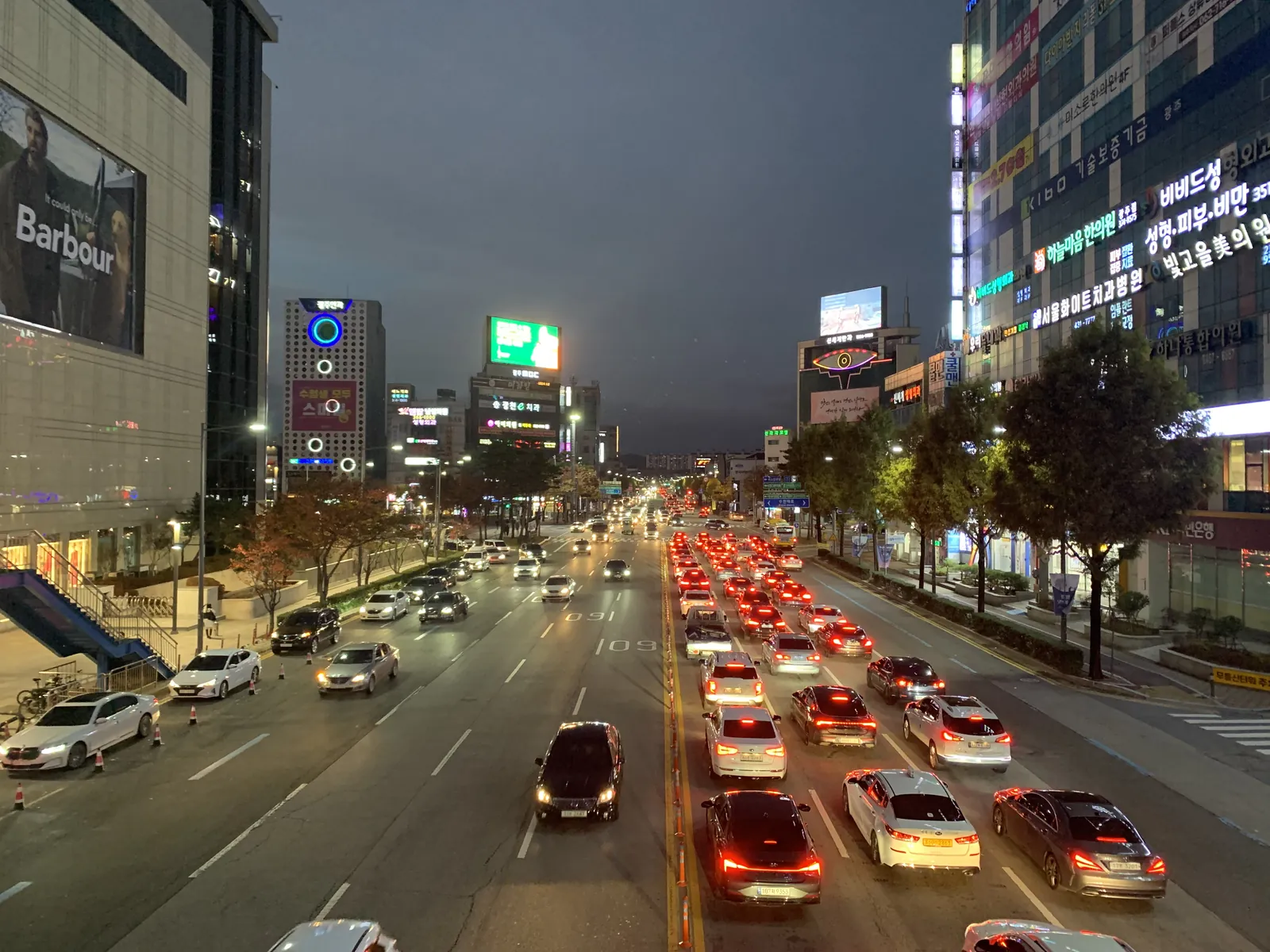
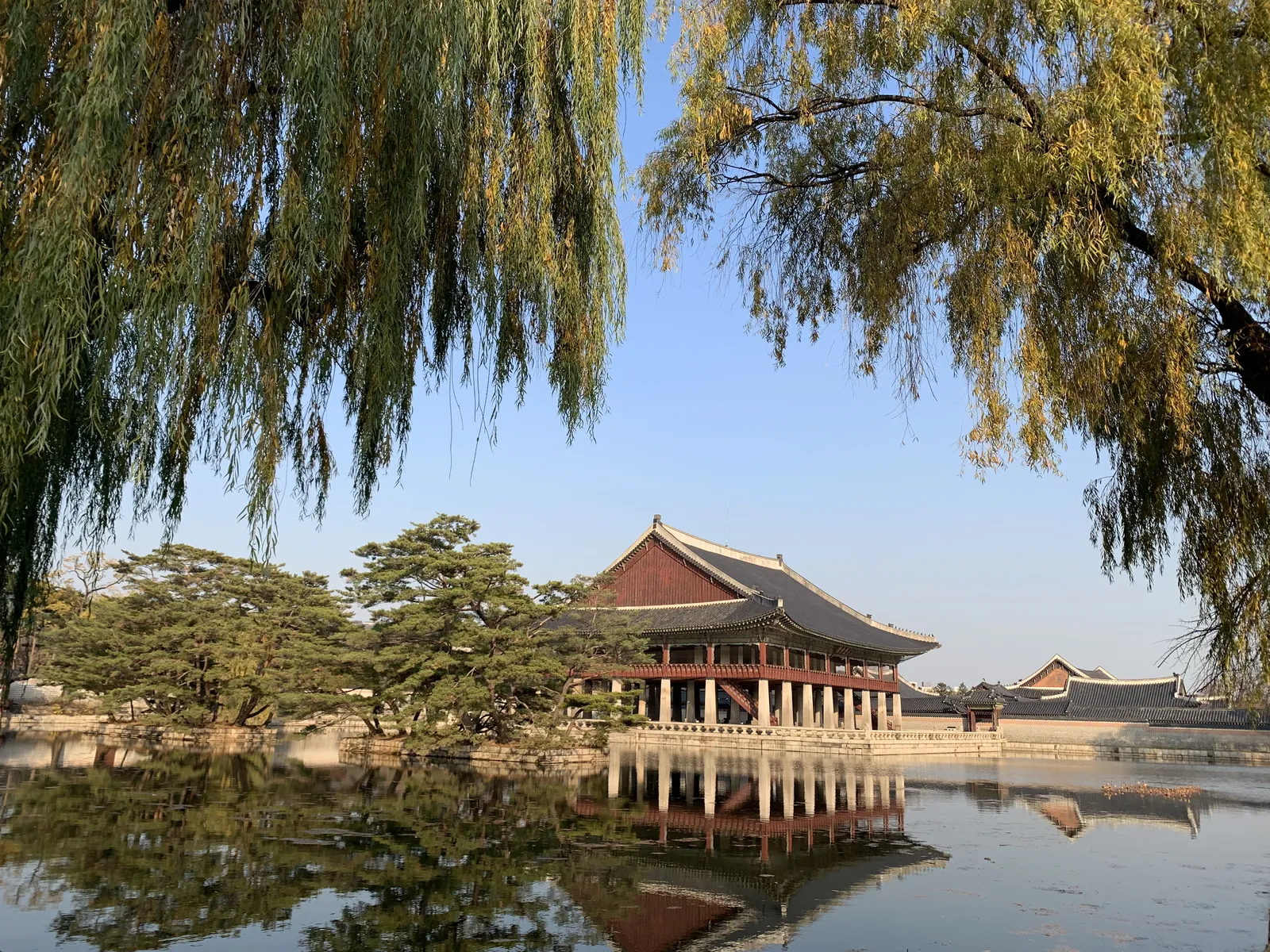
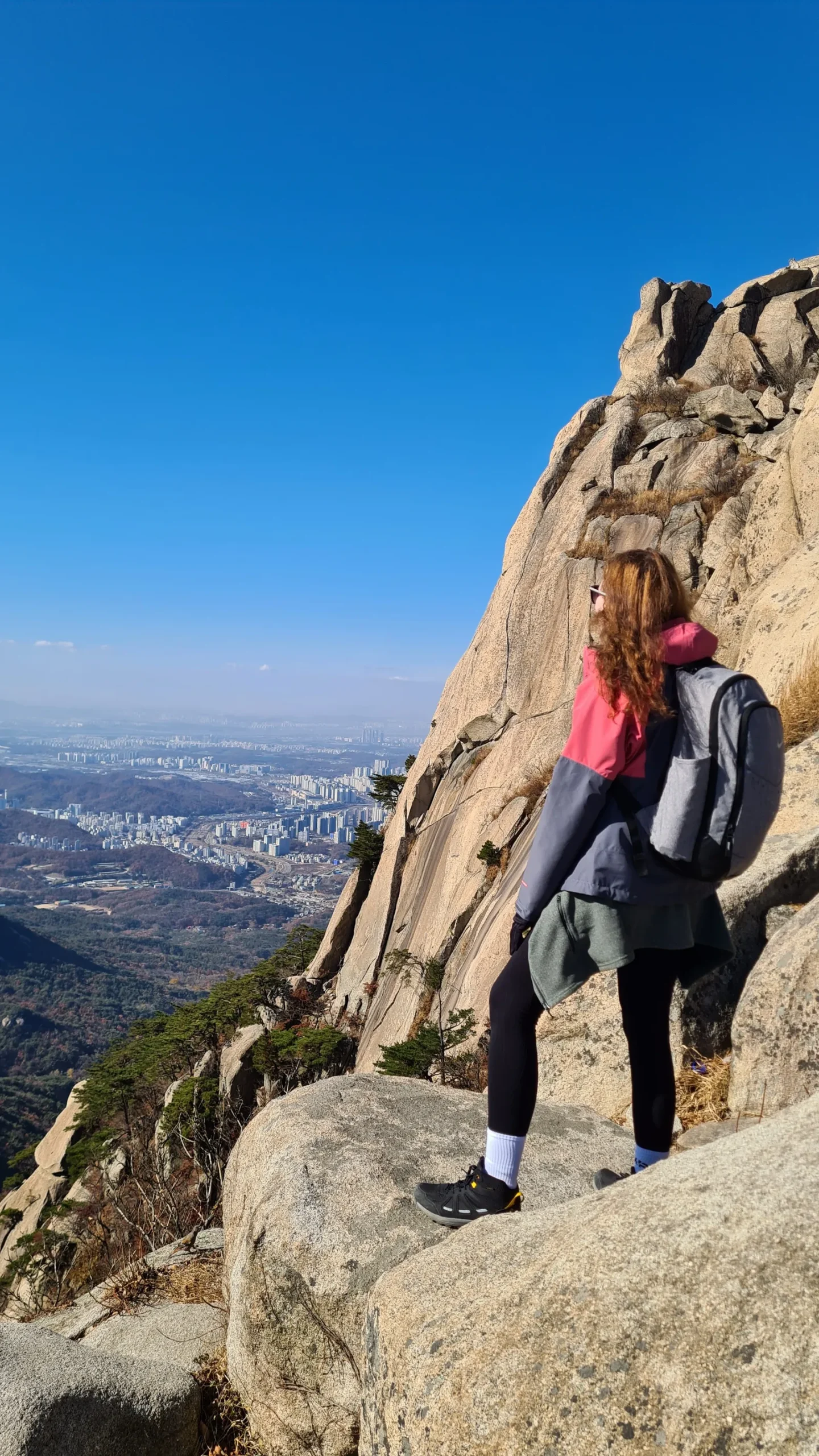
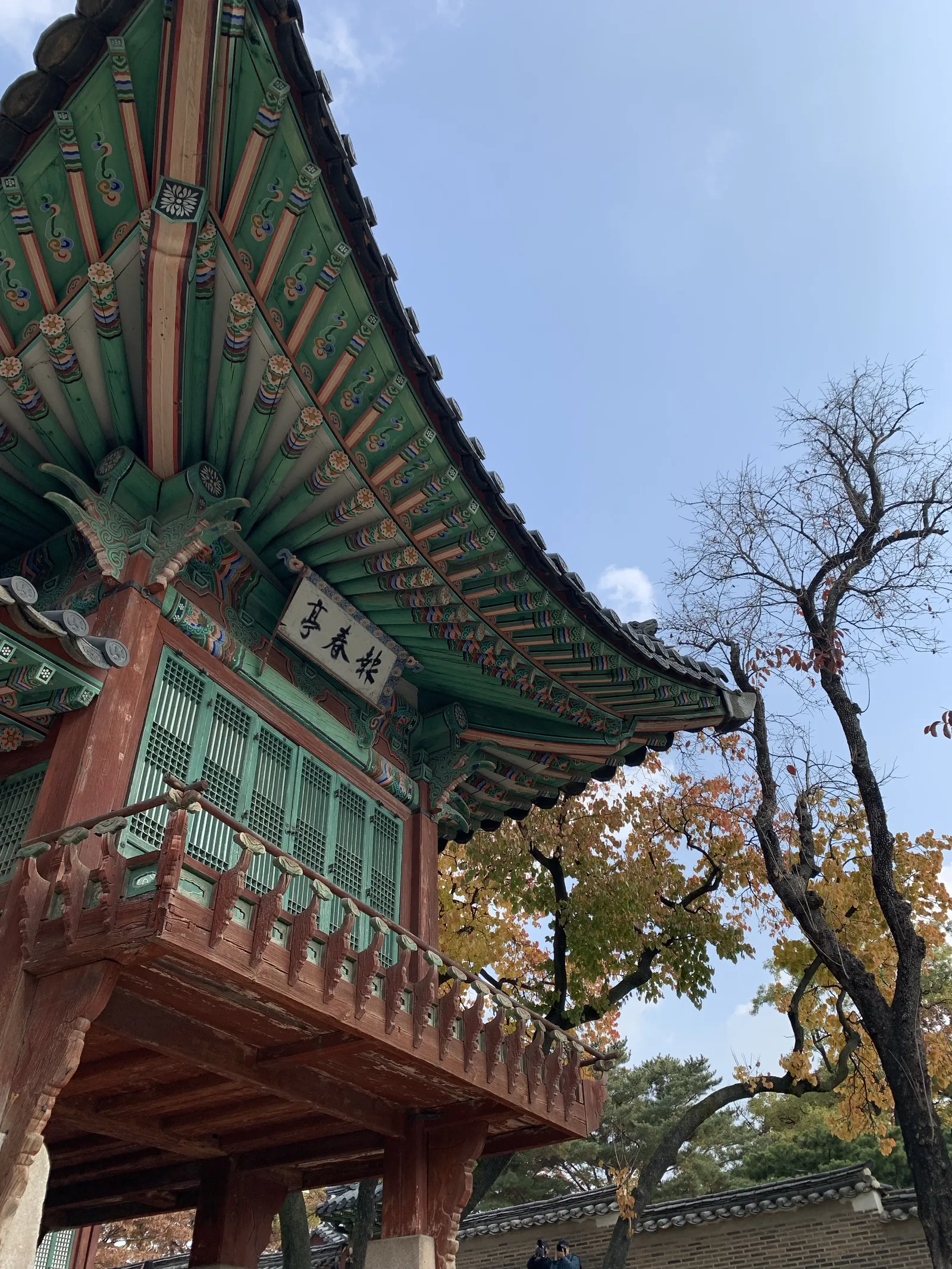
The capital, where you’ll spend at least three nights, better four. Here stand the royal palaces, the wooden Bukchon quarter among the skyscrapers, and retail districts open late into the night. The city is big, but the metro handles everything: you get from one point to another in half an hour and for a few cents. Start your sightseeing at Gyeongbokgung Palace and the Bukchon old town, and give an evening to the Myeongdong quarter for shopping and street food. If you like mountains, granite peaks rise above the city — Bukhansan and the ancient Bukhansanseong mountain fortress. Few big cities have a national park right outside the metro station.
Seoraksan and Sokcho
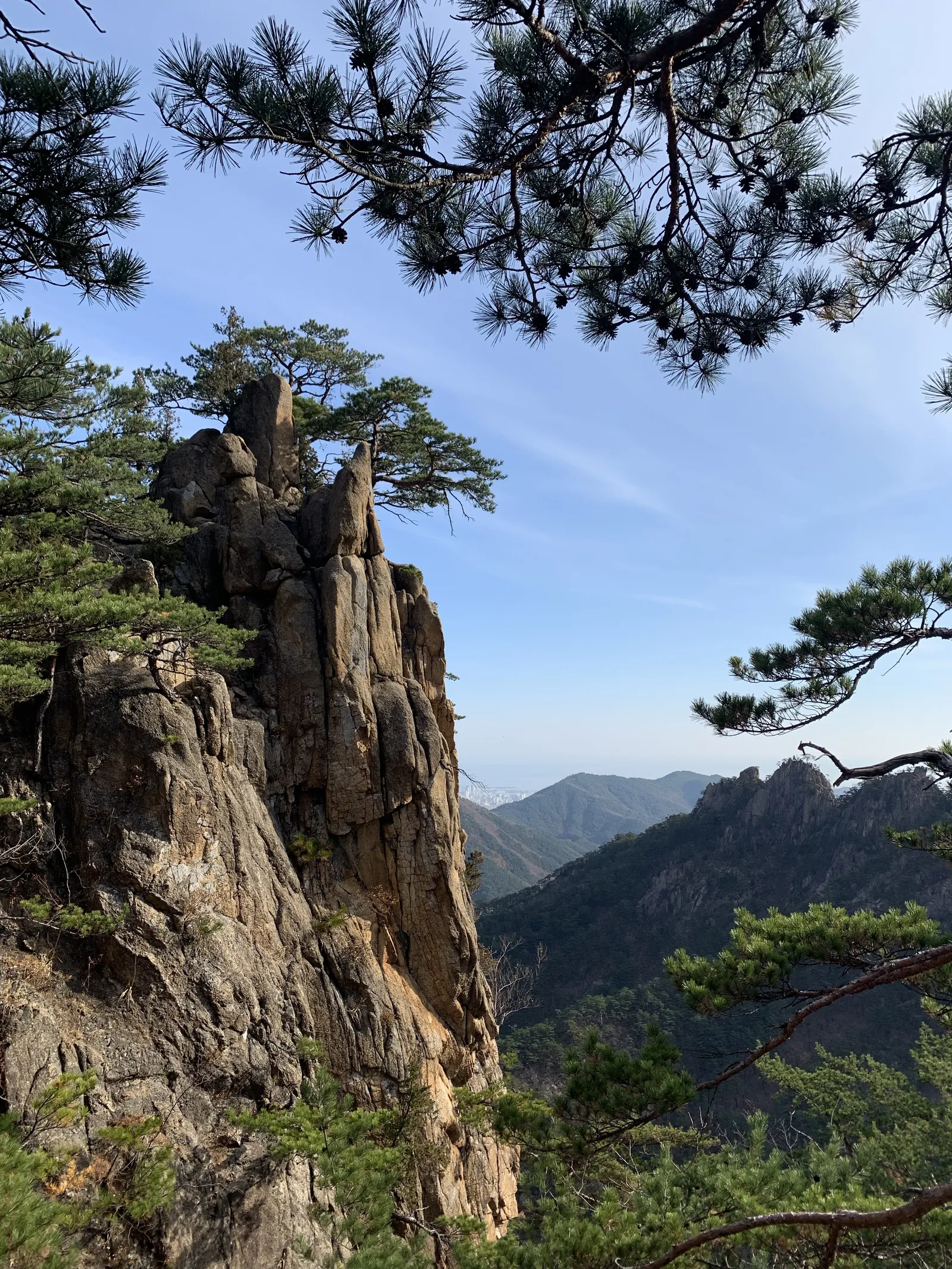
In the country’s northeast, by the sea, sits one of Korea’s most beautiful national parks. Seoraksan’s sharp rocks turn red and yellow in autumn — it’s the most popular autumn hiking spot in the whole country. The trails vary: from easy strolls to serious all-day climbs, so there’s enough for both beginner and experienced hikers. At the foot lies the town of Sokcho with the best seafood on the coast and the interesting Abai village founded by refugees from the North, which tells the story of a divided country through food and streets.
Jeonju
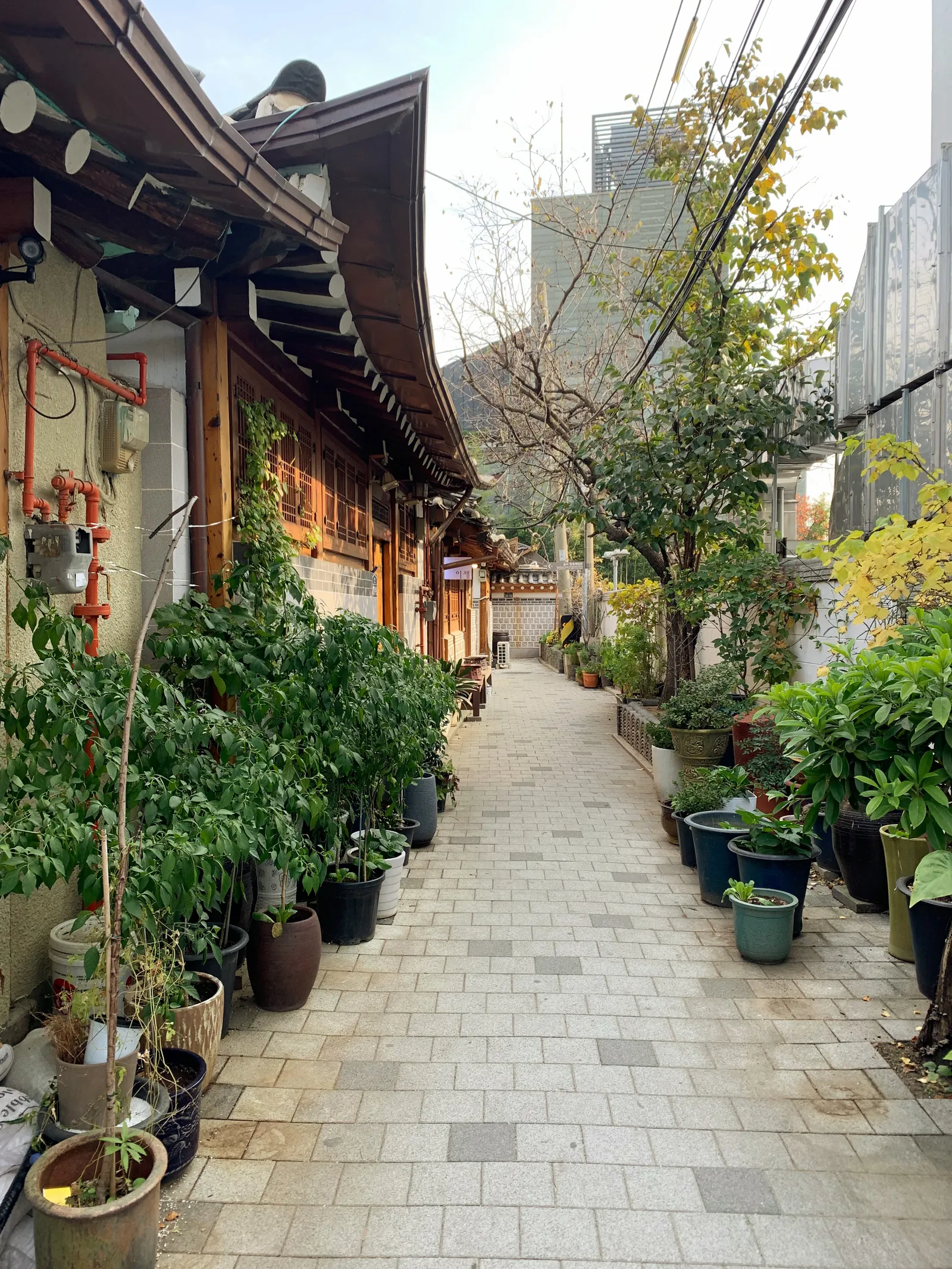
Jeonju is the heart of Korean cuisine and the best place to see a traditional hanok house village. This is where the famous bibimbap was born, and in the wooden-house quarter you can not only walk but also spend the night on heated floors, as Koreans have done for centuries. In the evening the streets fill with the smell of snack stalls, and in the morning the quarter is quiet and empty — the perfect time for photos.
Gwangju
A southwestern city, often skipped but worth a day. Here sits a large Asia Culture Center, vivid street art, and the region’s own Jeolla cuisine, which locals consider the best in the country. It’s also a city with a strong history of democracy, so a walk through the centre has a deeper meaning than it first seems. Worth seeing separately are the Asia Culture Center, the colourful Jangnim-dong penguin village, and a taste of Jeolla cuisine, which turns a single dish into a whole feast of a table.
Haenam and Ttangkkeut
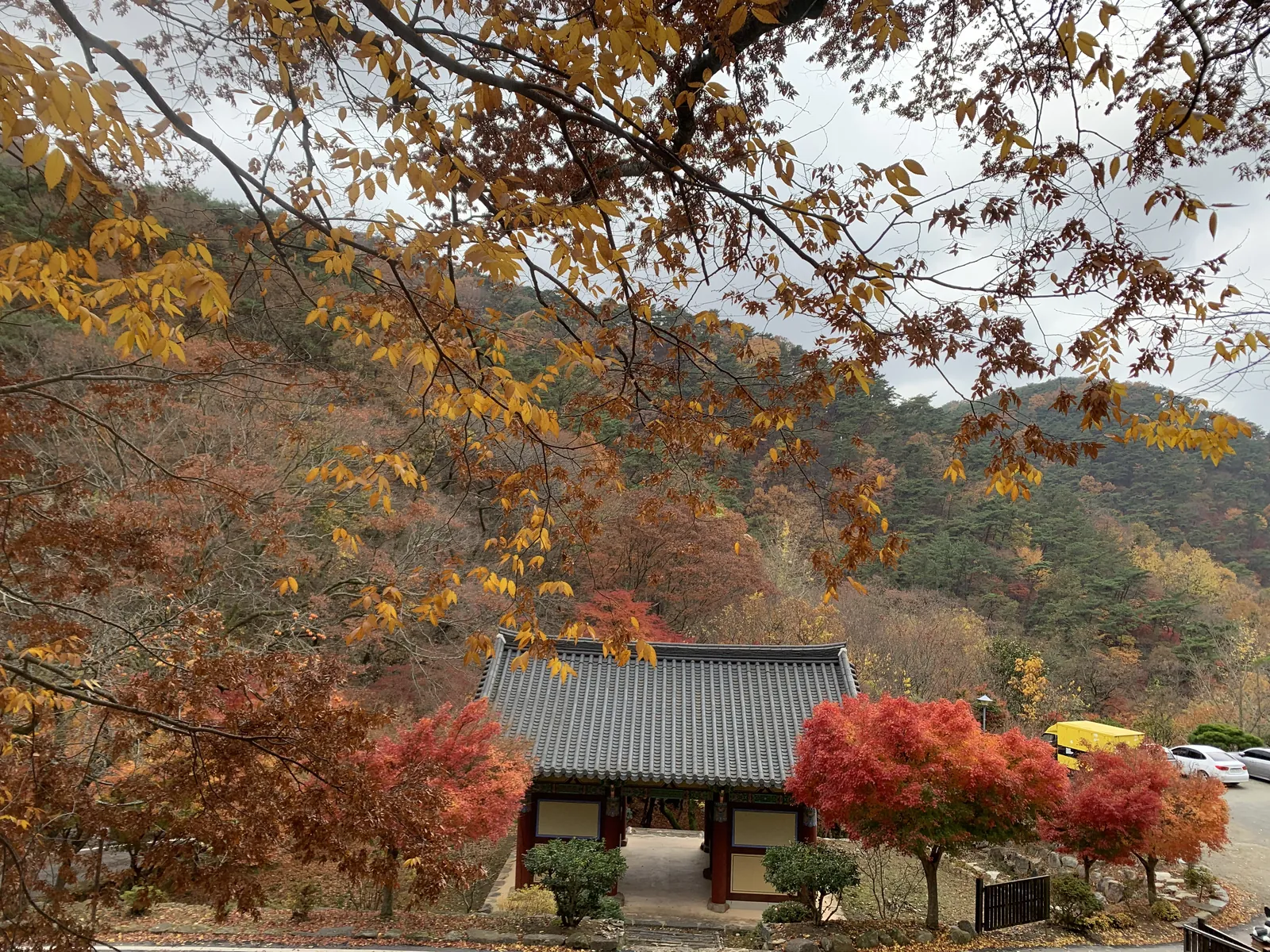
The very southern tip of the Korean peninsula, called Ttangkkeut — a word meaning “the end of the land.” Here there’s the sea, quiet monasteries in the mountains, and the feeling of being as far as you can go overland. This corner is less touristy, so you’ll find a quiet that doesn’t exist in the big cities. Ferries sail from here to the peaceful Bogil Island.
Jeju
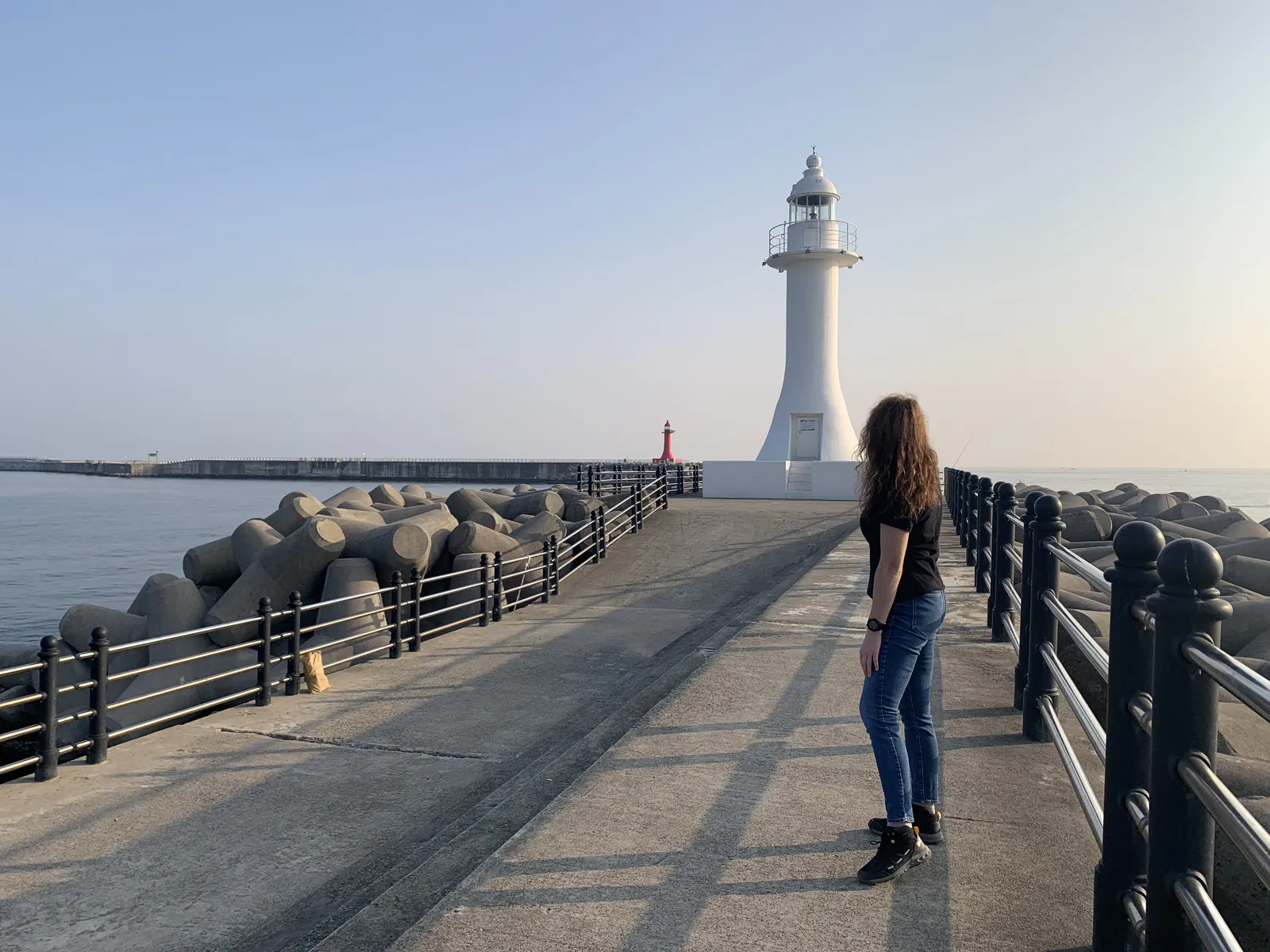
A volcanic island in the south, Koreans’ favourite holiday spot. At its centre stands the country’s highest mountain, Hallasan; on its coasts, craters and basalt rocks, and in the sea the famous women divers. The island is bigger than it looks on the map, so it’s worth at least three nights. You can climb the so-called Sunrise Peak crater in about half an hour.
How many days you need
The short answer: at least ten, ideally fourteen. Korea is small, but the transfers still take time, and after a long flight you’ll want at least a day to recover from the jet lag. The mistake many make is cramming too many cities into a short time and then spending the whole trip on trains. Better to see less, but calmly. Here’s how to split your time by the days you have.
- 10 days: Seoul (4 nights with a day hike), Jeonju (1 night), Gwangju or the south (1 night) and Jeju (3 nights). You’ll manage to see the city, a traditional village and the island without rushing.
- 14 days: the same plus the Seoraksan mountains and Sokcho in the east, or the quiet end of the land in the south. Room appears to breathe and not visit two cities in one day.
- 21 days: everything listed, plus smaller towns, a slower pace, and time to return to the places you liked. That many days lets you travel with no stress at all and even rest a day by the sea.
A practical tip: plan your first and last night in Seoul. The first — because after the flight you won’t want to get straight on a train; the last — because from Seoul it’s easiest to reach the international airport without stressing about connections. Between them, lay out your route in a loop so you don’t have to backtrack.
Preparation before you leave
Korea is convenient for tourists, but a few things are best sorted in advance so you don’t have to think at the airport, tired after the flight. Here’s the essential list to go through a few days before departure.
Search for flights here. If something goes wrong with your flights, you can claim compensation through AirHelp or Compensair.
Staying connected? Skip expensive roaming and grab an eSIM plan — set it up before you fly and you’ll have data the moment you land.
Entry: visa-free and the e-Arrival Card
Citizens of the EU, the UK and many other countries don’t need a visa for a short tourist trip. What’s more — a temporary exemption from the electronic travel authorisation K-ETA currently applies, so you don’t need to fill that in either. But before arrival you must fill in an electronic arrival card (e-Arrival Card) — it’s free, done online and takes a few minutes. You can complete it up to seventy-two hours before arrival, so you can do it calmly just before leaving home. For the domestic flight to Jeju you don’t need to fill the card in again, as Jeju counts as a domestic route. Important: fill it in only through the official government site and never pay intermediaries who offer “help” for a fee. Since the rules sometimes change, check the official page again before your trip.
Internet: eSIM
Without internet, Korea is hard — maps, transport and orders all work through apps. The simplest solution is an eSIM, which you buy at home and activate on landing, with no queue at the airport kiosks. Your phone needs to support eSIM, but almost all newer ones do.
Apps: Naver and Kakao
Google Maps works only partially in Korea due to local data restrictions, so it’s better to plan routes with Naver Map or Kakao Map — both have an English interface. Many travellers install both and use whichever offers the better route that day, especially for public transport connections. Add KakaoTalk for messages and orders, as practically everyone in Korea uses it. A translation app on your phone will also come in handy for menus without English names.
Transport card: T-money
T-money is a universal contactless card for the metro, buses and even taxis. You buy it at any shop or metro station, top it up with cash and simply tap it on the reader — no foreign ID needed. With it, rides are cheaper than buying tickets one by one, and transfers between metro and bus often come with a discount. The card works across the whole country, not just in Seoul, so buy it on the first day and use it right up to departure.
TTransport within the country
Getting around Korea is easy and there’s no need to rent a car, unless you’re heading into the interior of Jeju, where buses are rarer. The whole mainland is connected by trains and buses so densely that a car would hinder more than help — parking in the cities alone would fray your nerves. Here are the main options.
- KTX high-speed train. Connects the big cities. From Seoul to Busan it takes about two and a half hours, a ticket about 55,000–60,000 ₩ (roughly 35–40 €). The most convenient way to move between cities, clean and precise to the minute.
- Domestic flights to Jeju. From Seoul’s Gimpo airport to Jeju it’s about an hour and a half. It’s one of the world’s busiest routes, so there are lots of flights and cheap tickets are common — prices start from a few tens of euros one way if you book in advance.
- Intercity buses. Cheaper than the train and reaching towns the KTX doesn’t. Good for smaller destinations, for example toward the end of the land in the south or to the national parks.
- City metro and buses. Seoul’s metro is large, clean and with English signage. Everything is paid with the T-money card, and the gaps between trains are short even in the evening.
One tip on the KTX: on popular days, especially weekends and holidays, seats sell out, so buy your ticket in advance online or at the station. Standing tickets are also sold, but for a long distance that’s uncomfortable.
I always recommend booking taxi transfers to and from the airports in advance. You can do that here.
Budget and seasons
Korea is cheaper than most expect, especially the food. Below are rough daily costs for one person, not counting the flight from Europe. We give prices approximately, since they swing by season and city, and the won’s rate against the euro is always changing.
- Budget traveller: about 65,000–70,000 ₩ a day (around 45 €). A dorm bed, street food and convenience-store snacks, public transport.
- Mid-range budget: about 150,000–180,000 ₩ a day (around 100–120 €). A mid-level hotel, restaurants, more activities and entry tickets.
- Accommodation: a dorm bed from about 25,000–40,000 ₩, a mid-level city room about 80,000–150,000 ₩ a night.
- Food: a kimbap or convenience-store snack from a few thousand won, bibimbap at a market about 6,000–7,000 ₩, Korean BBQ at a restaurant from about 12,000 ₩ a person.
Where do you save the most? By eating where the locals eat — at markets, small eateries and shops open around the clock. Many sights, especially temples, parks and old towns, are free or cost just a few thousand won. Public transport with a T-money card is so cheap that a day’s travel costs often fit into a few euros. Where do you spend the most? On entry to some attractions, car rental on the island, and accommodation at the height of the season, when the cherries bloom or the mountains burn with autumn colours.
As for the season — the best times are spring and autumn. In spring (roughly late March to early April) the cherries blossom, the weather is mild, the days grow longer. Autumn (late October and early November) brings vivid mountain foliage and dry, cool days — perfect for hiking in Seoraksan. Midsummer is hot and humid, with a rainy season of several weeks from late June, when downpours come and go quickly. Winter is cold but dry and sunny, with skiing in the mountains.
One warning about spring and autumn: these are the most popular seasons not just for foreigners but for Koreans themselves. On cherry-blossom and autumn-colour weekends the most popular spots are packed and accommodation gets more expensive. If you want quiet, choose weekdays or lesser-known trails.
Food you must try
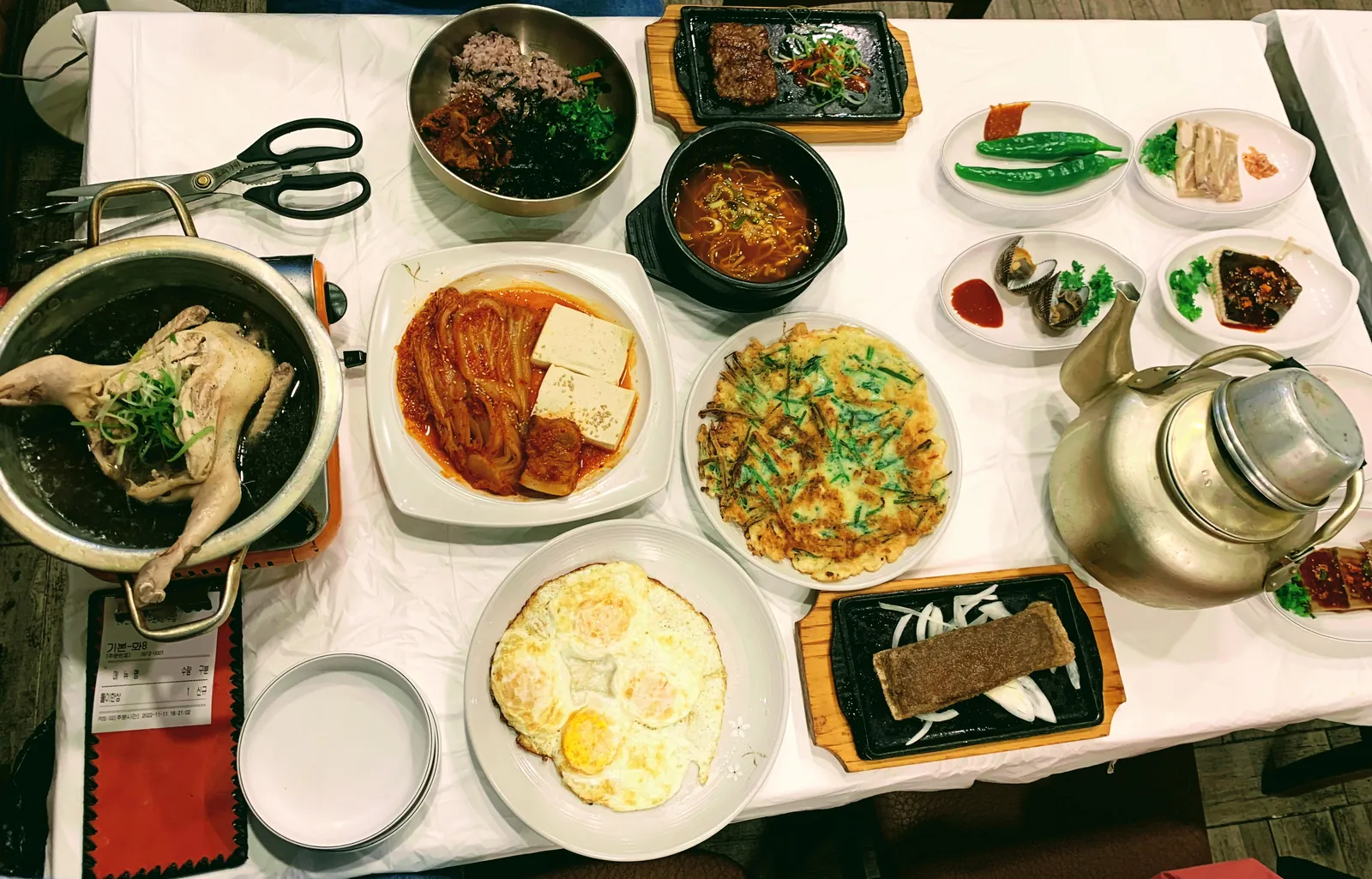
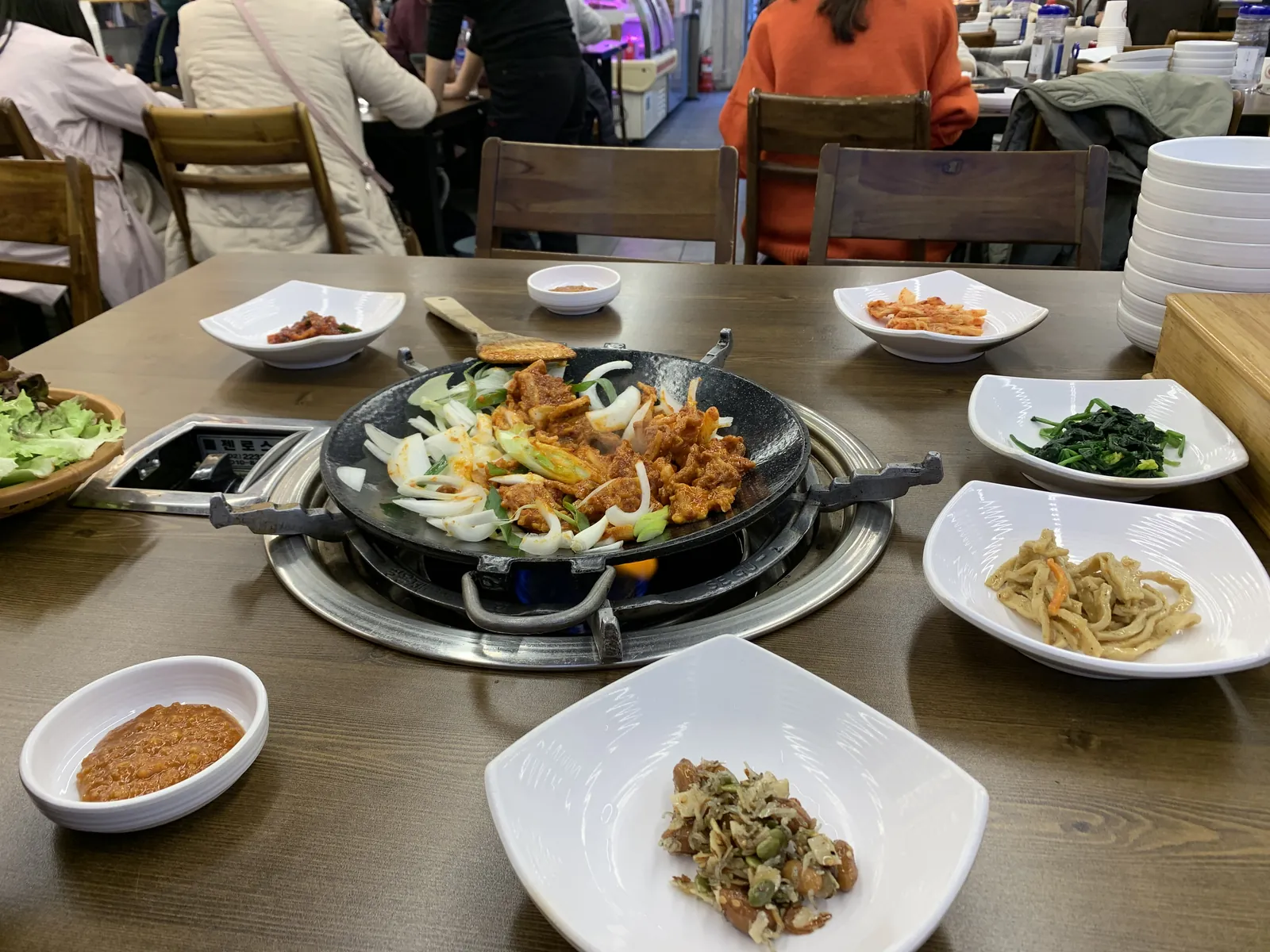
Korean cuisine is one of the strongest reasons to come here. Food is cheap, plentiful and served with an abundance of free side dishes called banchan — those little bowls of kimchi, vegetables and pickles with every meal. You order one dish and the table is full. Here’s what you must try.
- Bibimbap — rice with vegetables, meat and a spicy sauce, best in Jeonju where it was born.
- Korean BBQ — you grill the meat yourself at the table, wrapping it in lettuce leaves with garlic and sauce.
- Tteokbokki — spicy rice cakes in a sweetish sauce, a classic street snack.
- Kimbap — rice rolls with vegetables and meat, an ideal lunch on the road or the train.
- Seafood on the coast — especially in Sokcho, straight from the boat to the plate, sometimes even raw.
A few practical things at the table. Many eateries are self-service: you get your own water, spoons and banchan. You often can’t reduce the spiciness, so if you can’t take it, ask for a milder version. And if you’re travelling alone, don’t worry — soups, rice bowls and kimbap are perfect for a solo eater, though BBQ and some stews are tastiest for two or in a group.
Culture and etiquette: a few things worth knowing
Koreans understand that a foreigner doesn’t know all the rules, and no one will be angry at a mistake. But a few simple things will make you a nicer guest and ease your everyday life. Here’s a short minimum.
- Footwear. Entering a traditional house, a hanok stay or some restaurants with low tables, you take your shoes off at the door.
- Two hands. Handing or receiving something from an older person, use both hands — it’s a sign of respect.
- No tipping needed. In restaurants and taxis tips aren’t customary; the bill is the final price.
- In temples. Behave quietly, respect those praying, and don’t touch the statues. In most places you can photograph, but check the signs.
What to pack
In Korea almost everything can be bought locally, and often cheaper than at home, so there’s no point overloading your suitcase in reserve. But a few things depend on the season and on what you plan to do. Here’s what to look at when packing.
- Comfortable footwear. Even if you’re not a hiker, you’ll walk many kilometres in the city, and old-town paving is uneven. For hikes in Seoraksan or Hallasan you’ll need sturdier boots.
- Layers by season. In spring and autumn the days are warm and the evenings cool, so a light jacket or jumper saves you. In summer — thin, breathable fabric and an umbrella for sudden rain.
- A universal plug adapter. Korea uses the same round plugs as much of Europe, and the voltage is similar, so in many cases you won’t even need an adapter — but check your devices.
- A small daypack. Handy for water, a layer and shopping, when the day’s plan jumps between city and mountains.
Medicines you take regularly, bring enough for the whole trip. Ordinary things for a headache or stomach you can easily buy at a pharmacy, but prescription drug names differ, so it’s better to have your own.
Safety, health and everyday details
Korea is one of the safest destinations in the world, and you feel it every day. People leave their phones on a café table while they go to order, the late-night metro is full of people calmly heading home, and a lost foreigner is often helped unasked. That doesn’t mean you should drop your usual awareness, but the general level of safety is very high, even for a woman travelling alone.
Tap water is considered drinkable in many places, but locals mostly drink filtered or bottled, which costs pennies. Toilets are clean and available at metro stations, shops and malls. Twenty-four-hour convenience stores are a real lifesaver: there you’ll find a snack, coffee, a card top-up and even simple food prepared on the spot.
On money — cards are accepted almost everywhere, even at small kiosks, so you don’t need to carry a lot of cash. Still, a little won comes in handy at markets, some street eateries and small buses. ATMs that accept foreign cards can be found at airports, shops and banks.
How to plan your route without mistakes
Most mistakes on a first trip are made not on the ground but while planning from home. On the map Korea is small, so it seems you’ll manage everything in a day. In reality, transfers, check-ins and rest eat up more time than you expect. Here are a few principles that help avoid the most common traps.
- Don’t live out of a suitcase. Every new city requires unpacking, finding accommodation and figuring out where everything is. Better to spend two or three nights in one place and make a few day trips.
- Group by direction. Link Seoraksan in the east with the eastern part, the south with the southern part. Hopping across the whole country back and forth is tiring and expensive.
- Leave one free day. Something always happens: rain, tiredness, or a place you want to stay in longer. A free day saves the route from strain.
- Leave Jeju for the end or the middle. The island offers a slower pace after the city bustle, and the flight from Gimpo is short, so it’s easy to slot into any part of the route.
Find accommodation here.
FAQ
Do you need a visa for South Korea?
Citizens of the EU, the UK and many other countries don’t need a visa for a short tourist trip. A temporary exemption from the electronic K-ETA authorisation also currently applies, so you don’t need to fill that in — but before arrival you must complete the free electronic e-Arrival Card. Rules change sometimes, so check the official government site before your trip.
How many days are enough to see South Korea?
At least ten days lets you see Seoul, one traditional village and Jeju Island without rushing. Fourteen days is the most convenient option, since the mountains in the east or the quiet south also fit. Twenty-one days lets you travel completely stress-free.
When is the best time to travel to South Korea?
The best seasons are spring and autumn. In spring the cherries bloom and the weather is mild; autumn brings vivid mountain foliage and dry, cool days. Midsummer is hot, humid and rainy, and winter is cold but dry and suitable for skiing.
How do you travel between cities in South Korea?
The most convenient way is the KTX high-speed train, which runs from Seoul to Busan in about two and a half hours. To Jeju Island you fly a domestic flight from Seoul, about an hour and a half. In the cities and for smaller destinations, the metro, buses and the T-money card — which pays for all public transport — work well.
How much does a trip around South Korea cost per day?
A budget traveller spends about 65,000–70,000 ₩ a day, that’s around 45 €, staying in a dorm and eating street food. A mid-range trip costs about 150,000–180,000 ₩ a day, that’s around 100–120 €. The prices are given without the flight from Europe and can swing by season and city.
Is there enough English in South Korea?
At airports, train stations, the metro and many restaurants English works well, and signs are often duplicated in English. In small towns a translation app on your phone helps, but you’ll definitely manage to communicate. It’s useful to set up Naver or Kakao maps and the KakaoTalk app.
My other South Korea guide: South Korea on a budget (costs and how to save).

Travel Without Chaos: South Korea — 14-Day Itinerary Without a Car (+ National Parks)
14-day South Korea itinerary — complete PDF guide, no car needed. Seoul, Seoraksan, Jeonju, Jeju and Hallasan. Daily plans, budgets, hotels and transport.