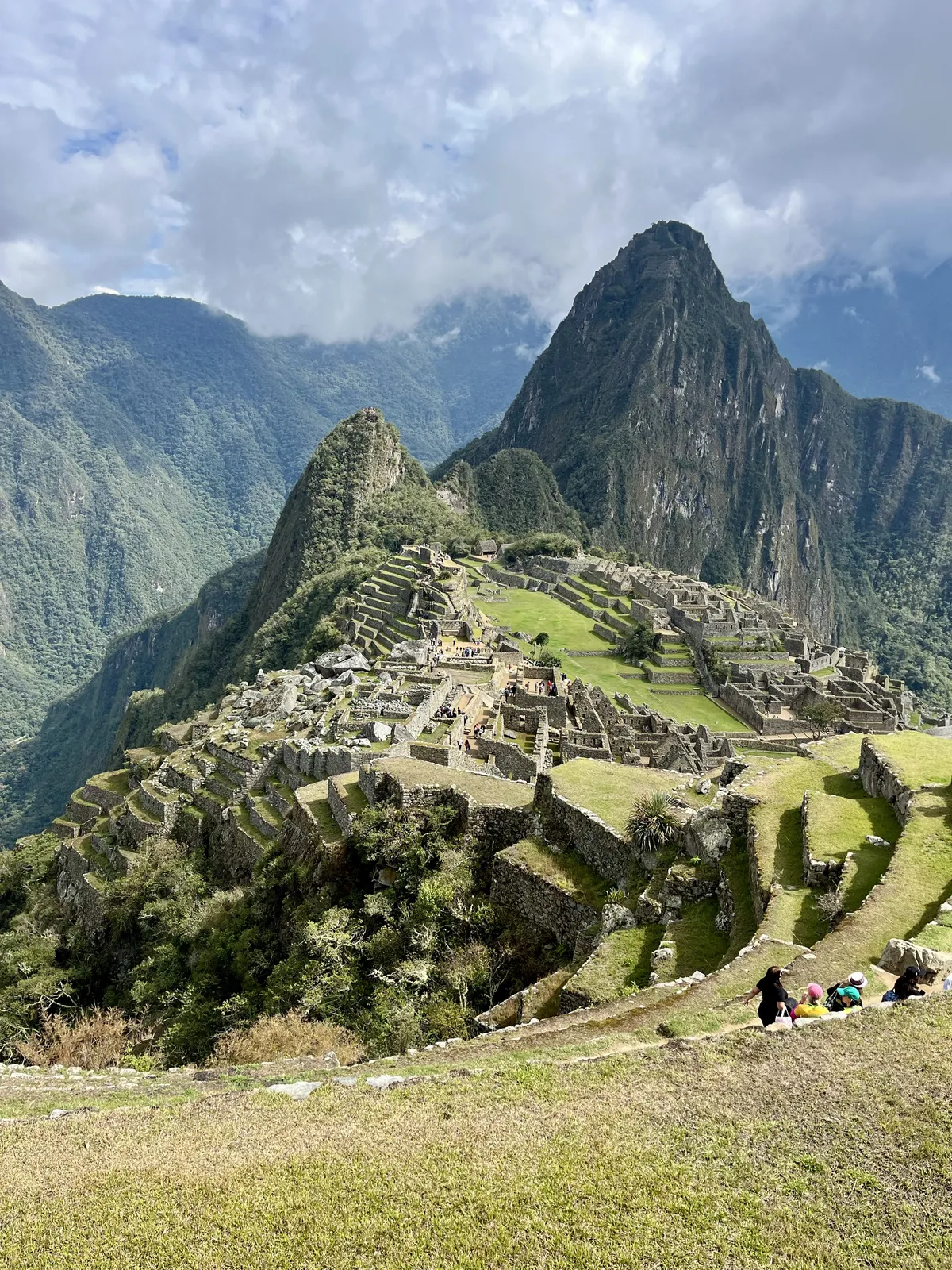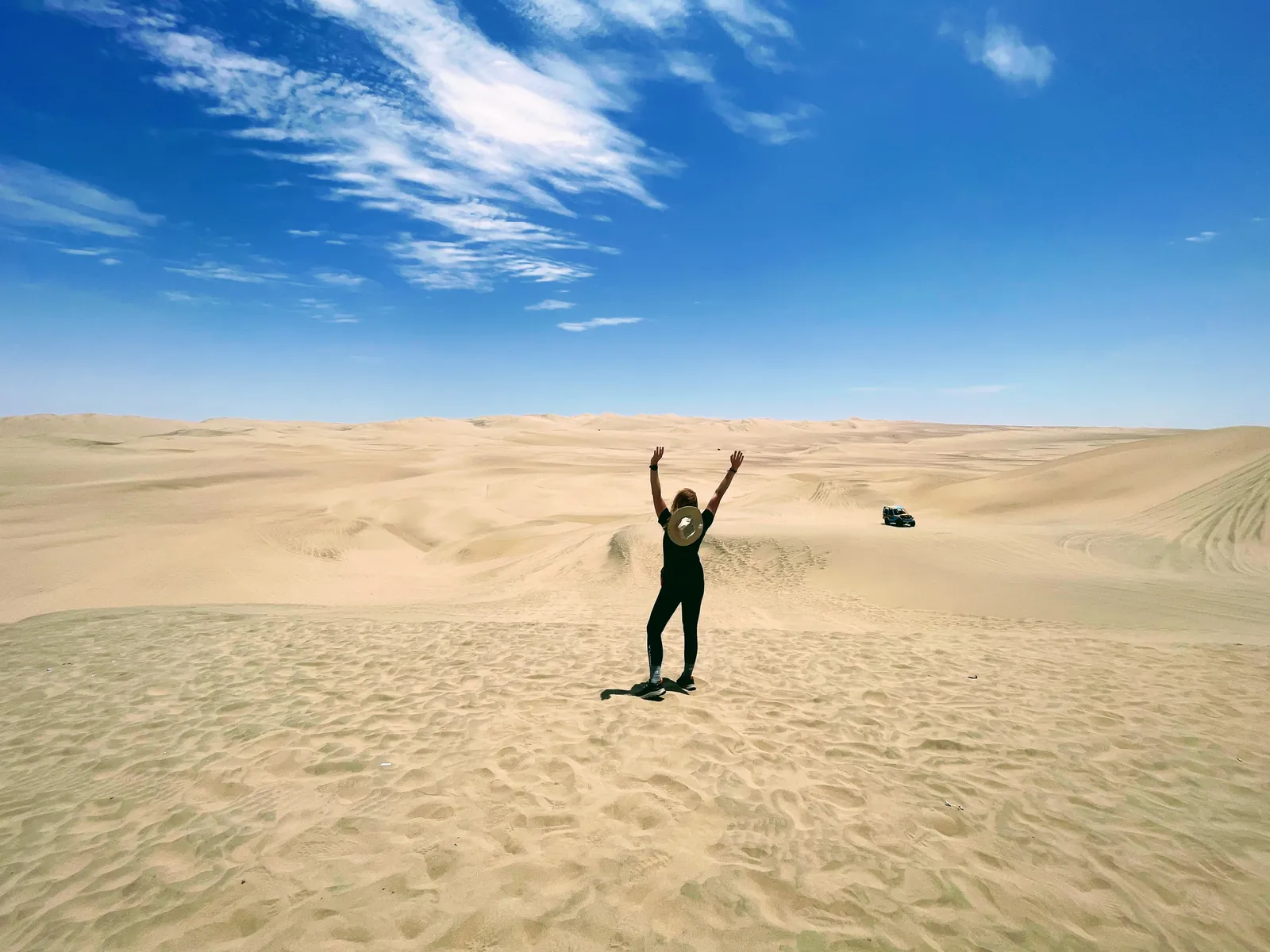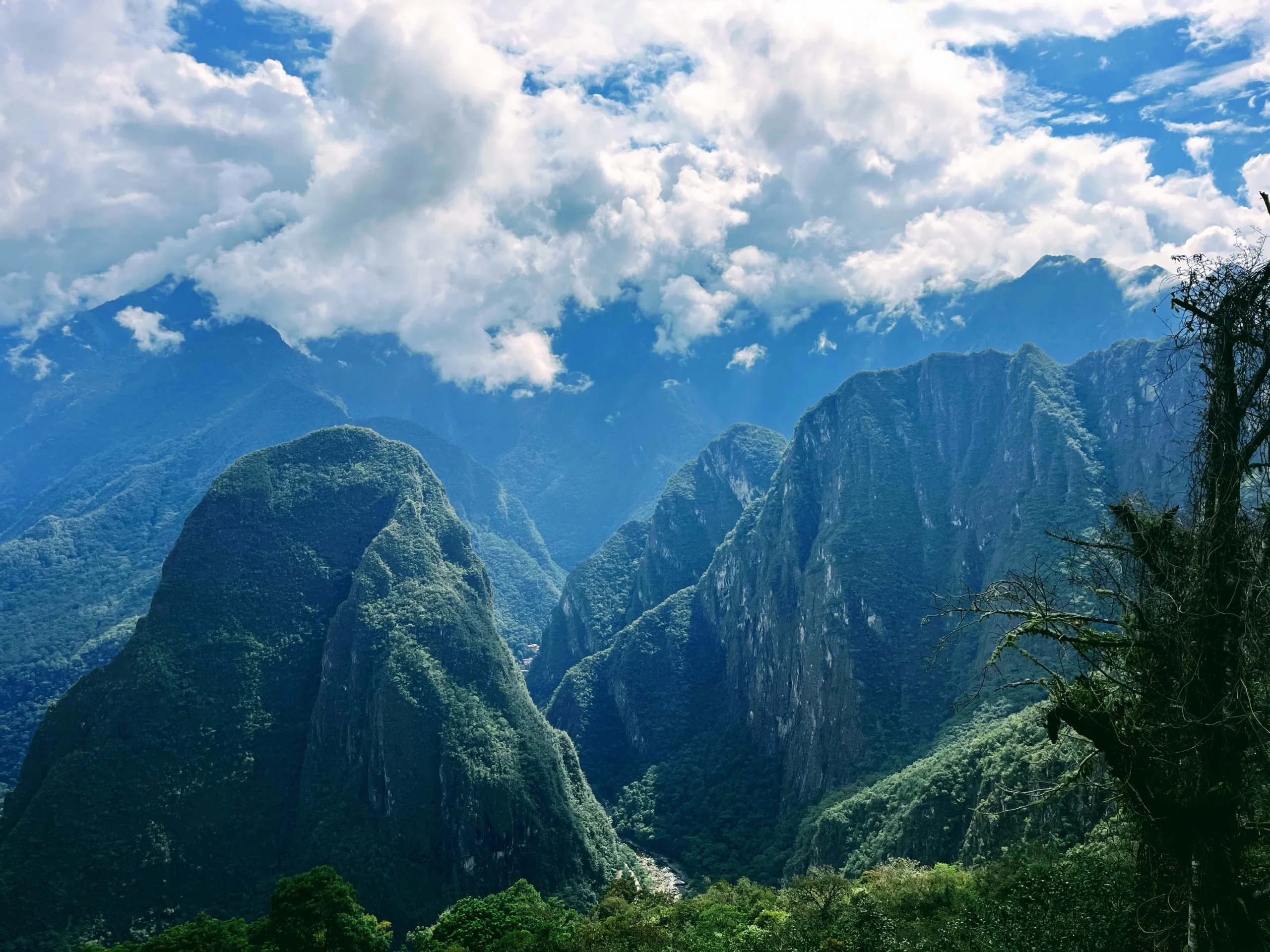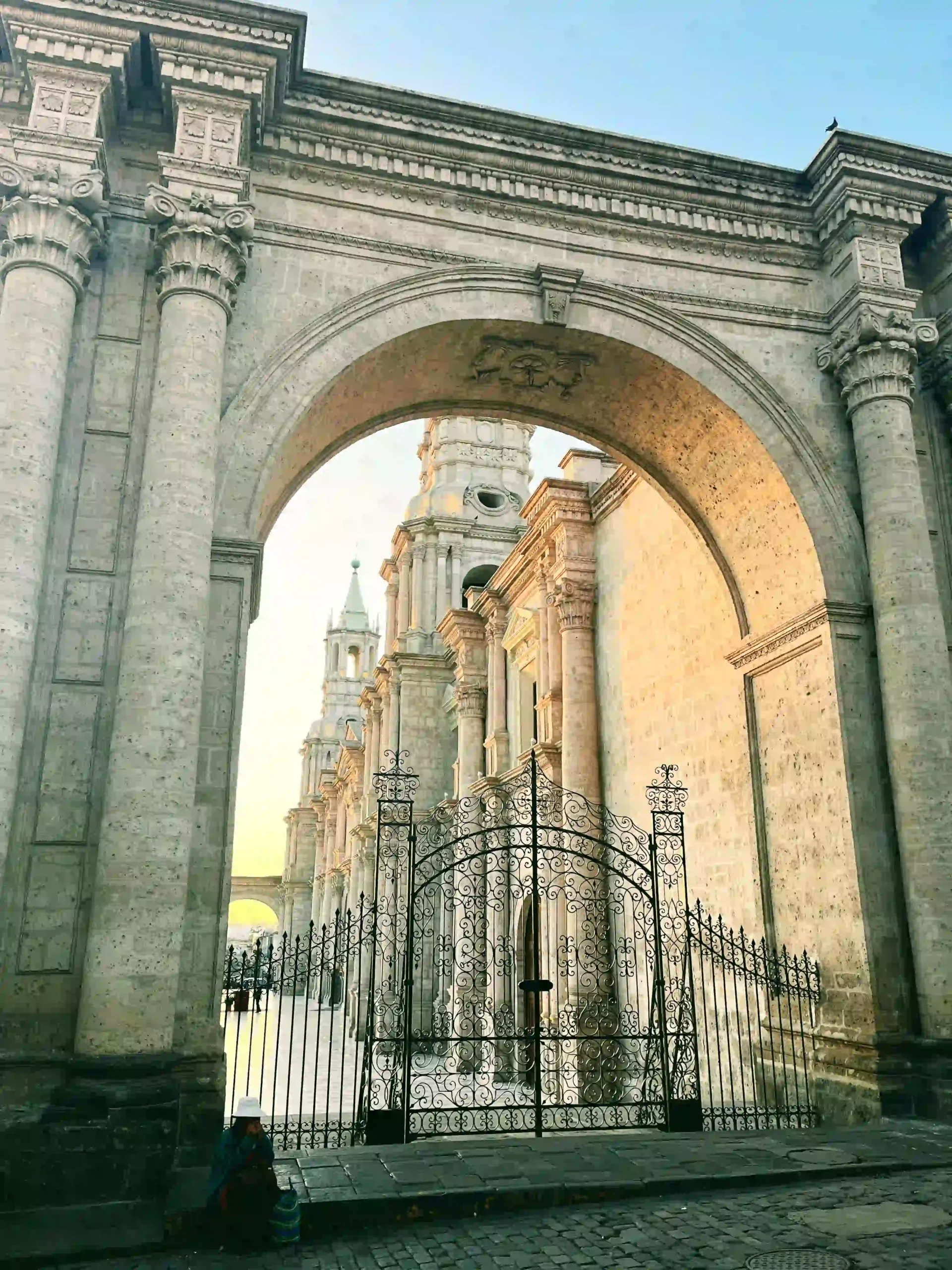
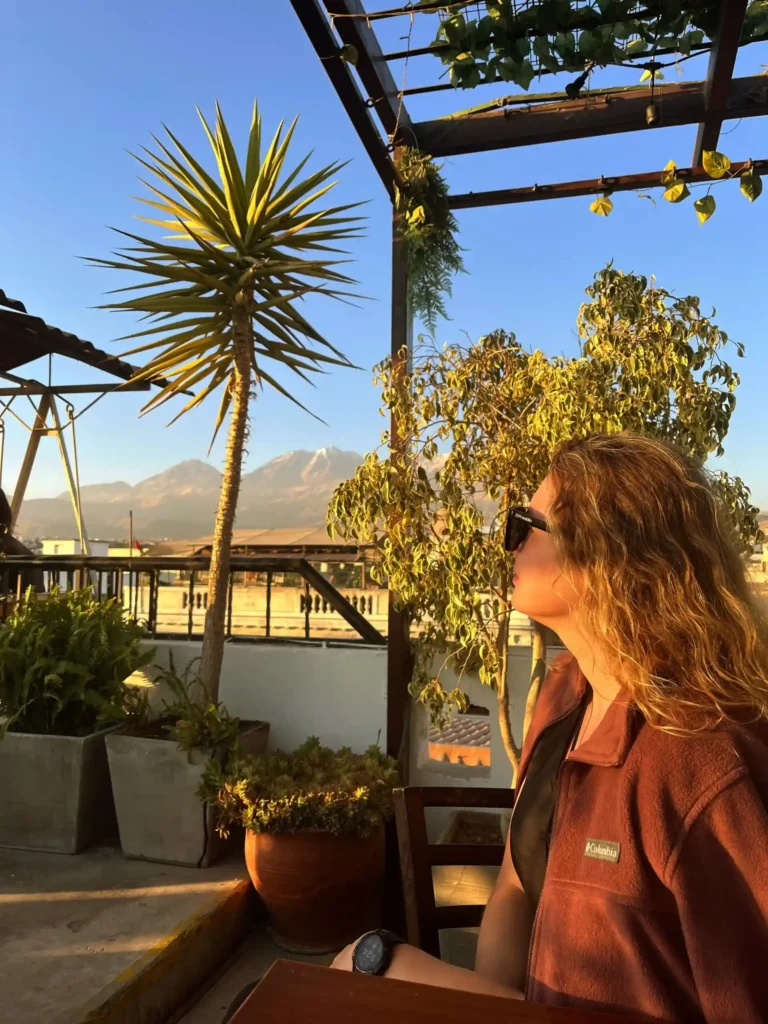
I remember that first morning in Arequipa. I stood on my hotel roof with a cup of coffee in hand, and in front of me — the Misti volcano, lit by the first sun, and the whole city below me — white, white, white. In that moment I thought: “This really needs more than one day.”
Some links in this article are affiliate links. If you book through them I earn a small commission, at no extra cost to you.
Contents
- Why is Arequipa worth visiting?
- Arequipa's sights: TOP 8
- 1. Santa Catalina Monastery (Monasterio de Santa Catalina)
- 2. Plaza de Armas and Arequipa Cathedral
- 3. Yanahuara viewpoint (Mirador de Yanahuara)
- 4. Museum of Andean Sanctuaries – Juanita, the ice maiden (Museo Santuarios Andinos)
- 5. San Camilo market (Mercado San Camilo)
- 6. Misti volcano (the view and the chance to climb)
- 7. The Sillar route (Ruta del Sillar)
- 8. Barrio San Lázaro
- Arequipa food: what to eat and where
- Where to eat?
- Practical tips for independent travellers
- How to get to Arequipa
- Where to stay
- How many days to give Arequipa
- Altitude sickness — how to prepare
- Safety
- Internet and SIM card
- Arequipa's budget: how much a day costs
- Onward from Arequipa: Colca Canyon and other adventures
- My personal impressions and what I didn't expect
- Frequently asked questions (FAQ)
- In closing: Arequipa awaits
And I was right. Arequipa’s sights astounded me with their abundance and quality. It’s not just a “stop on the way to Colca Canyon,” as many guides write. It’s a city that needs time. And attention. And an empty stomach — but more on that later.
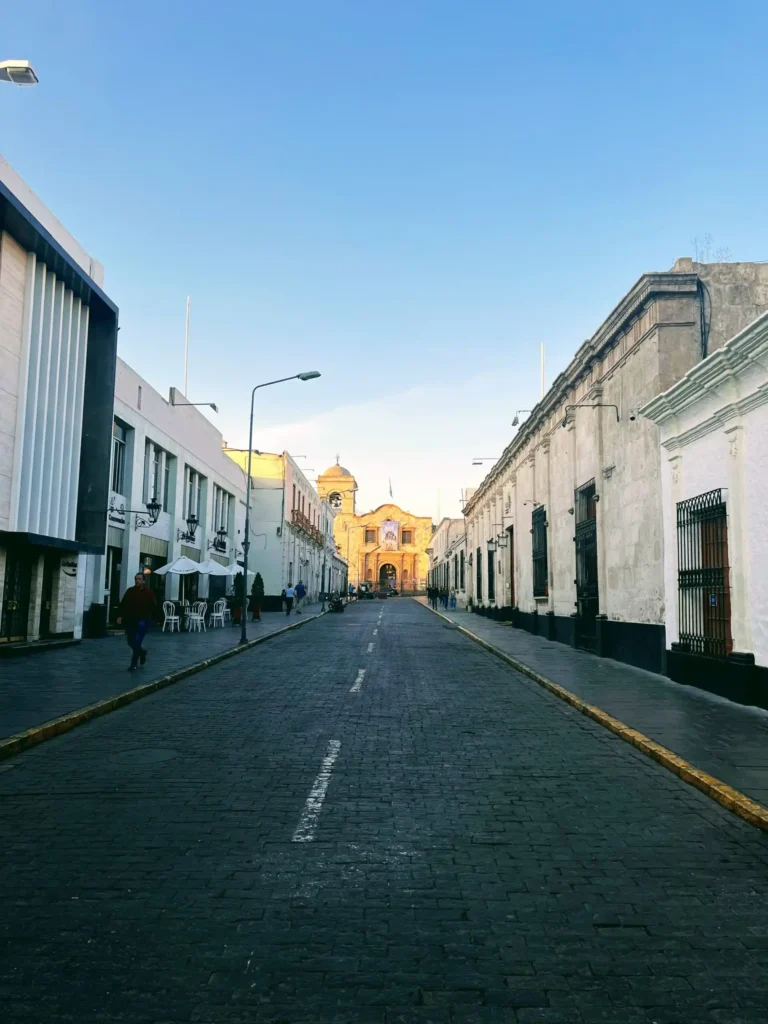
Arequipa is Peru’s second-largest city, located at 2,335 m, surrounded by three volcanoes. Its old town has been on the UNESCO World Heritage list since 2000. And quite deservedly. The city is called the ciudad blanca — the white city — because most of its buildings are built from sillar, a white volcanic stone. It looks as if someone decided to build a whole city out of clouds.
In this article you’ll find everything you need for an independent trip: the sights, food recommendations, practical tips and a concrete budget. And if you’re planning a trip to Peru on your own — read my detailed article about Machu Picchu, the Amazon and practical tips.
Why is Arequipa worth visiting?
Before diving into details, briefly — why it’s worth visiting Arequipa for more than one day:
- A UNESCO old town with unique architecture. The sillar buildings shine in the sun so brightly it dazzles the eyes. It really isn’t an ordinary colonial city.
- Peru’s culinary capital. Seriously. Arequipa’s picanterías (traditional restaurants) have a century-long history, and the food here is even better than in Lima.
- Three volcanoes all around. Misti (5,822 m), Chachani and Pichu Pichu. Where else in the world can you drink coffee in the centre with three snow-capped volcanoes in the background?
- A base for trips to Colca Canyon — one of the deepest canyons in the world (twice as deep as the Grand Canyon!).
- Fewer tourists than Cusco. More authentic, calmer, cheaper. And the experience — no less impressive.
- 300+ sunny days a year. The weather here is almost always great. A real desert climate with a gentle highland tinge.
Arequipa’s sights: TOP 8
Eight places I recommend to everyone planning an Arequipa trip.
1. Santa Catalina Monastery (Monasterio de Santa Catalina)
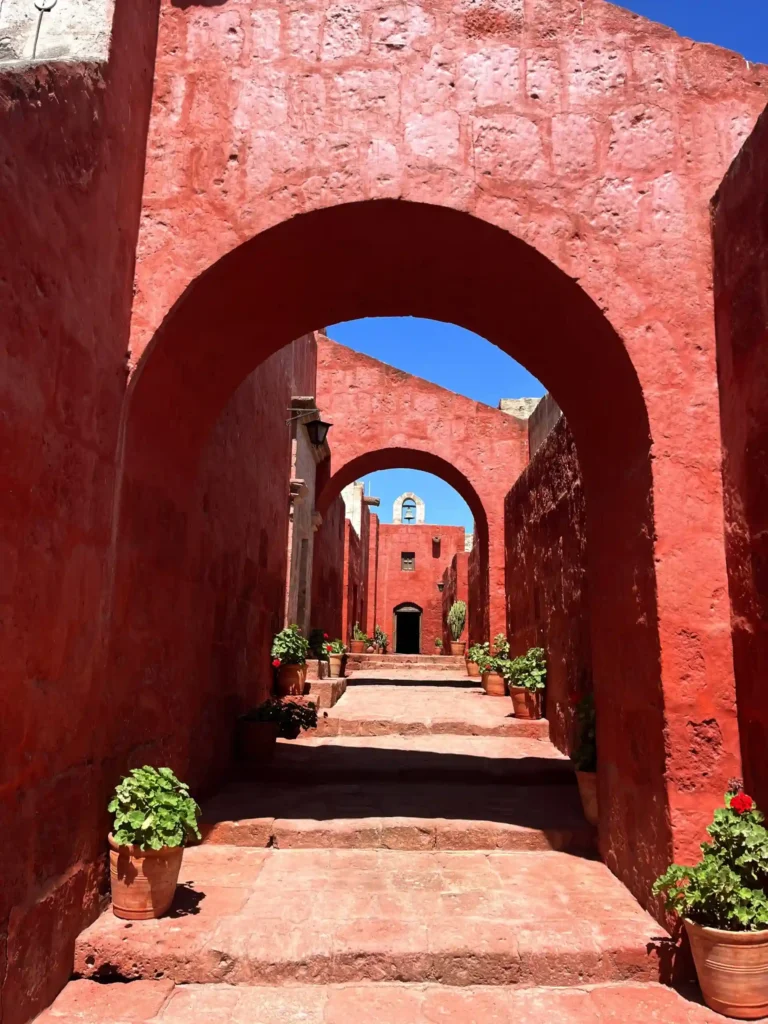
If you had time for only one place in Arequipa — go here. The Santa Catalina Monastery is a city within a city. An area of almost 20,000 m², founded in 1579, where nuns lived completely cut off from the world for nearly 400 years. Some nuns still live here today.
And when you say “monastery,” you imagine something grey and gloomy, right? Forget it. Here — colourful streets in bright blue, orange and red, quiet little courtyards with flowers, ancient kitchens, cells. You walk as if in a dream. I spent three hours here and would have stayed longer.
Practical info:
- Ticket: 45 PEN ≈ 12 € (~11 EUR) for foreign tourists
- Give it a minimum of 2 hours (I spent 3!)
- A guide isn’t essential — you can walk on your own, there are information boards
- Tip: go in the morning before 10:00 or just before closing — far fewer people
2. Plaza de Armas and Arequipa Cathedral
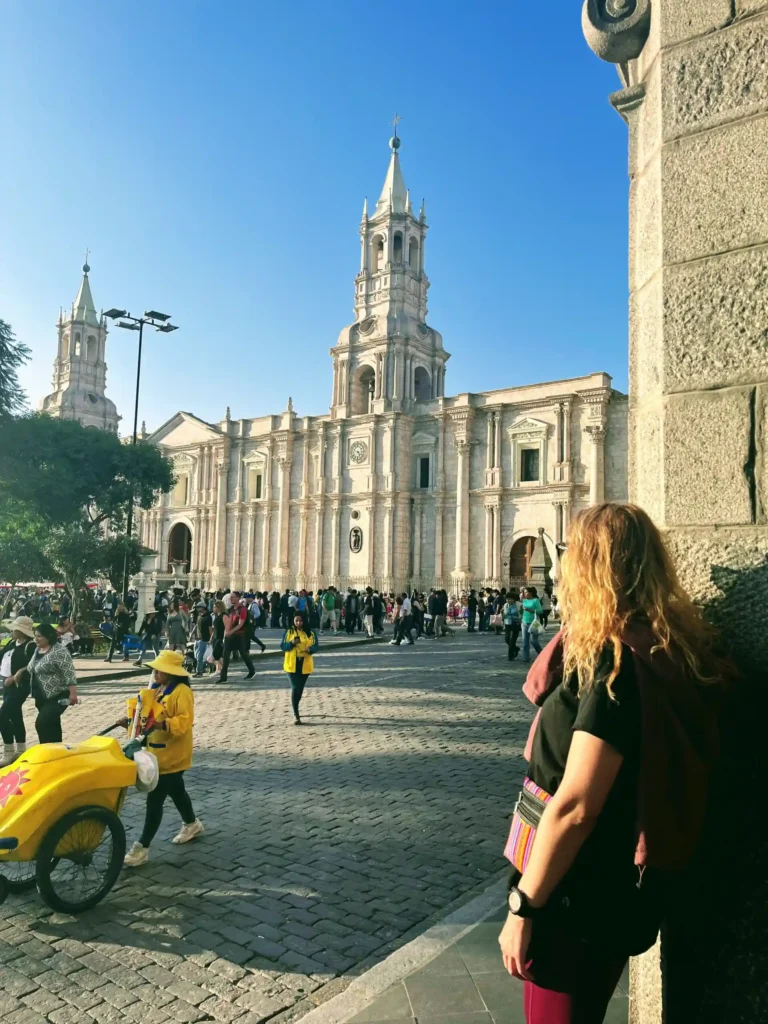
One of the most beautiful squares in all of Peru. And I’m not throwing words around — I really did see a lot of them. Arequipa’s Plaza de Armas is surrounded by white sillar buildings with arcades, and the northern side is taken up by a huge cathedral — it literally occupies the whole edge of the square.
On the square itself — a fountain with a bronze tuturutu (a local figure), palm trees, benches. The atmosphere is lively: vendors, families, street musicians.
Tip: come in the evening, sit down on a bench and watch the sunset paint the Misti volcano pink. One of the most beautiful moments of my trip. For free.
3. Yanahuara viewpoint (Mirador de Yanahuara)
The best view of Arequipa and the Misti volcano. The Yanahuara viewpoint is on a hill, a little above the city. Here stand stone arches into which quotes by Arequipa poets are carved. Romantic? Very.
In the Yanahuara district itself — a cosy church, cafés, quiet streets. A great place for a walk.
How to get there: ~20 min on foot from the centre (uphill, but not hard) or a short taxi ride for 5–8 PEN ≈ 2 € (~1.5–2 EUR). I walked and didn’t regret it — along the way you see real local life.
4. Museum of Andean Sanctuaries – Juanita, the ice maiden (Museo Santuarios Andinos)
The Juanita mummy is roughly a 14-year-old Inca girl, found in 1995 on the Ampato volcano (at 6,310 m). She was sacrificed in an Inca ritual about 500 years ago and is incredibly well preserved thanks to the ice.
Practical info:
- Ticket: 25 PEN ≈ 6 € (~6 EUR) + a tip for the guide
- The tour takes ~1 h
- Important: Juanita herself is shown only April–December. In the other months a different mummy is on display — also impressive, but not the same one
5. San Camilo market (Mercado San Camilo)
If you want to feel the real pulse of Arequipa — go to the market. The San Camilo market is colourful, noisy and absolutely authentic. Here locals buy everything — from fresh fruit to llama meat (yes, llama).
What to taste:
- Freshly squeezed fruit cocktails — the women mix them right in front of you, the choice is huge
- Queso helado — traditional Arequipa “ice cream” (not from cheese, despite the name! It’s a mix of milk, coconut and cinnamon)
- Rocoto relleno — stuffed hot pepper
Tip: go on an empty stomach. Don’t be afraid to point — the vendors are friendly and happy to give you a taste. Almost no one speaks English here, but a smile and gestures work perfectly.
6. Misti volcano (the view and the chance to climb)
The Misti volcano is Arequipa’s symbol. A perfect cone shape, 5,822 m high, often with a snow cap. It’s everywhere — on T-shirts, postcards, beer labels.
If you want to climb: it’s a two-day hike, requiring good fitness and essential acclimatisation. Tours start from ~250–350 PEN ≈ 90 € (65–90 EUR) with a guide and equipment. It’s a serious challenge — not a stroll.
If you don’t climb: the best view is from the Yanahuara viewpoint or from the hotel roofs. Some hostels in the centre have fantastic roof terraces — choose one like that!
7. The Sillar route (Ruta del Sillar)
A lesser-known but very unusual attraction. The Sillar route is the stone quarries from which the white volcanic stone was mined for centuries and the whole white city in Peru was built. The landscapes here are out of this world — they resemble another planet. Huge white rock masses, sculptures carved from stone by local artists.
How to get there: a tour from the city (~3–4 h, from 50 PEN ≈ 13 € / ~13 EUR). Reaching it on your own is complicated — I recommend a tour.
8. Barrio San Lázaro
The oldest quarter of Arequipa. Narrow winding streets, flower pots on windowsills, colourful little houses. There are no museums or tickets here — you just walk and enjoy the calm.
Ideal: for a morning walk, when the city is still waking up.
Arequipa food: what to eat and where
Arequipa is considered Peru’s culinary capital, and that’s no empty title. Here there are picanterías — traditional restaurants, some over a hundred years old. In them, food is made according to old recipes, on wood-fired stoves, with local ingredients. It’s not a tourism show — locals eat here.
TOP dishes you must try:
Rocoto Relleno — a stuffed hot pepper with minced meat, onions, olives and egg, baked with cheese. It looks like an innocent pepper. It burns like fire.
Chupe de Camarones — a thick shrimp soup/stew with potatoes, milk and ají pepper. Comfort food at altitude (literally).
Adobo Arequipeño — a pork stew with chilli and spices, marinated overnight in chicha (corn beer). And it’s… eaten for BREAKFAST. Yes, for breakfast. The arequipeños know what they’re doing.
Queso Helado — traditional ice cream of milk, coconut and cinnamon. The name means “cheese ice cream,” but there’s no trace of cheese here. It’s just that the milk mass resembles fresh cheese. Try it at the San Camilo market — it costs pennies.
Pastel de Papa — a potato pie, simple and brilliant.
Where to eat?
Picanterías (recommended):
- La Capitana — authentic, locals eat here every day
- Sol de Mayo — a bit more touristy, but the food is excellent and the setting beautiful
Prices: lunch at a picantería — 15–25 PEN ≈ 6 € (4–7 EUR). At a tourist restaurant by Plaza de Armas — 30–60 PEN ≈ 16 € (8–16 EUR). The price difference is double, and the food at the picantería is often even better.
Practical tips for independent travellers
This part is for those who want concrete numbers and logistics. Because when you plan a trip to Peru on your own, the details matter.
How to get to Arequipa
By plane from Lima:
- Flight time: ~1.5 h
- Airlines: LATAM, Sky Airline, JetSMART
- Prices: from 30–80 EUR (booked in advance, with hand luggage)
By bus from Lima:
- Duration: ~15 h (the night bus is the best option)
- Companies: Cruz del Sur (best comfort), Oltursa
- Prices: from 15–40 EUR (depending on class — semi-cama vs. cama completa)
From Cusco: by bus ~10 h or by plane ~1 h.
From Puno (Lake Titicaca): by bus ~6 h.
Tip: if you arrive from Lima and have time — the Cruz del Sur night bus in “cama” class is fantastic. A flat bed seat, a blanket, dinner. Almost like a hotel on wheels.
Where to stay
Recommended districts:
- Centro Histórico — the most convenient, everything reachable on foot
- Yanahuara — calmer, more local, but a bit further
Price guide:
- Hostel: 8–15 EUR/night
- Mid-range hotel: 25–50 EUR/night
- Comfortable hotel: 60–120 EUR/night
Tip: choose accommodation with a roof terrace (rooftop). The view of the Misti volcano in the morning or evening light is priceless. Some hostels in the centre have fantastic terraces for 10 EUR a night.
How many days to give Arequipa
- Minimum: 2 full days (the main city sights)
- Ideally: 3–4 days (the city + Colca Canyon or the Misti climb)
Rough 2-day plan:
- Day 1: Santa Catalina Monastery in the morning → lunch at a picantería → Plaza de Armas → San Lázaro quarter → evening on a roof terrace
- Day 2: the Juanita museum in the morning → San Camilo market (brunch!) → Yanahuara viewpoint → the Sillar route in the afternoon (if time remains)
Altitude sickness — how to prepare
Arequipa is at 2,335 m — considerably lower than Cusco (3,400 m), so altitude sickness usually doesn’t trouble you here. But if you fly straight from sea level — a headache or fatigue on the first day is possible.
My tips:
- On the first day, don’t rush. Seriously. No climbs or running
- Drink plenty of water (more than you think you need)
- Coca tea (mate de coca) — a local remedy, it really helps
- Eat light — the stomach at altitude is also more sensitive
- Arequipa is a great place to acclimatise before travelling higher (to Colca Canyon or Cusco)
Safety
Arequipa is one of the safest cities in Peru. By day in the old town I felt completely safe, even alone. But a few rules apply everywhere in Peru:
- At night avoid remote districts (especially far from the centre)
- Don’t carry a lot of cash — pay by card where possible
- Keep your phone close (street thefts happen)
- Taxis — use the “InDrive” or “Uber” apps, not street taxis
Internet and SIM card
I recommend buying Saily or Airalo eSIM plans.
WiFi at hotels and cafés is good enough for work or social media.
Arequipa’s budget: how much a day costs
One of the most common questions — how much does Arequipa cost on your own? Here’s a table based on my experience:
| Category | Budget (EUR) | Mid-range (EUR) | Comfortable (EUR) |
|---|---|---|---|
| Accommodation | 8–15 | 25–50 | 60–120 |
| Food (3 meals) | 8–12 | 15–25 | 30–50 |
| Transport in the city | 2–5 | 5–10 | 10–20 |
| Sights | 5–10 | 10–20 | 20–40 |
| TOTAL per day | 23–42 | 55–105 | 120–230 |
A note on currency: Peru’s currency is the sol (PEN). The current rate: 1 EUR ≈ 3.96 PEN ≈ 1 €. When changing money in the city, use official exchange offices (casa de cambio) or ATMs — avoid street changers.
Arequipa is one of the cheapest large cities in Peru. Compared to Cusco or Lima — everything here is about 20–30% cheaper.
Onward from Arequipa: Colca Canyon and other adventures
Arequipa is a great base for exploring the surroundings. And the biggest magnet is Colca Canyon (Cañón del Colca).
The numbers speak for themselves: Colca Canyon reaches over 3,400 m deep in places — twice as much as the Grand Canyon in the US. And here you can watch Andean condors — huge birds gliding through the air right above you. The viewing spot Cruz del Condor is one of the most impressive experiences in all of Peru.
Tours from Arequipa to Colca Canyon are one or two days. I have a separate article about Colca Canyon.
Other adventures from Arequipa:
- Climbing the Misti volcano (2 days)
- The Chachani volcano (easier than Misti)
- The Baños de Yura hot springs (a great rest after hikes)
My personal impressions and what I didn’t expect
Honestly? Arequipa was one of the biggest surprises of my Peru trip.
What surprised me most: the white city. Everything so beautiful and aesthetic. Very photogenic.
What made the biggest impression: the Santa Catalina Monastery. I walked its colourful streets for three hours and felt as if I’d stepped into another century. You can almost touch the silence here.
What I didn’t expect: how fast time flies. It felt as if a few days flew by like three hours.
If someone asked me whether it’s worth giving Arequipa time — I’d answer without hesitation, yes. It’s one of those cities that stay in your heart. Not because of monuments or museums, but because of the atmosphere, the colours and that unreal volcano in the background.
Frequently asked questions (FAQ)
How many days to spend in Arequipa?
A minimum of 2 full days for the city alone. Ideally 3–4 days if you plan to also visit Colca Canyon or climb the Misti volcano. One day is really too little — you won’t have time to feel the spirit of the city.
Is Arequipa safe for travellers?
Yes, Arequipa is one of the safest large cities in Peru. By day in the old town it’s safe to walk even alone. At night stick to lit streets and central districts, use taxi apps.
When is the best time to visit Arequipa?
Arequipa has over 300 sunny days a year, so almost any time is good. The dry season (April–November) is ideal. The rainy season (December–March) — short afternoon showers, but still warm and sunny in the morning.
Do you need a visa for Peru?
No! Holders of most Western passports (EU, UK, US and others) don’t need a visa for Peru for a tourist visit of up to 90 days. All you need is a passport valid for at least 6 months from your arrival date.
How do you get from Lima to Arequipa?
Two main ways: by plane (~1.5 h, from 30 EUR with LATAM, Sky Airline or JetSMART) or by night bus (~15 h, from 15 EUR with Cruz del Sur or Oltursa). The plane is faster, the bus is cheaper and convenient — you sleep and save on a night’s accommodation.
In closing: Arequipa awaits
Arequipa is a city that needs time. Not because there are many “must-see” sights, but because here you just want to be. To drink coffee with a view of a volcano. To get lost in the monastery streets. To taste something whose name you don’t even know.
If you’re planning a trip to Peru on your own — Arequipa should be on your route. Not as an intermediate stop, but as a destination in its own right.
Read my detailed article about the whole Peru route: A trip to Peru: Machu Picchu, the Amazon and practical tips.
External links:
- NESCO – Historic Centre of the City of Arequipa – the UNESCO heritage page for Arequipa’s old town
- Santa Catalina Monastery official page – opening hours and ticket prices
- PromPerú – the official Peru tourism site – official tourist information
Search for flights here. If something goes wrong with your flights, you can claim compensation through AirHelp or Compensair.
Staying connected? Skip expensive roaming and grab an eSIM plan — set it up before you fly and you’ll have data the moment you land.
I always recommend booking taxi transfers to and from the airports in advance. You can do that here.
Find accommodation here.
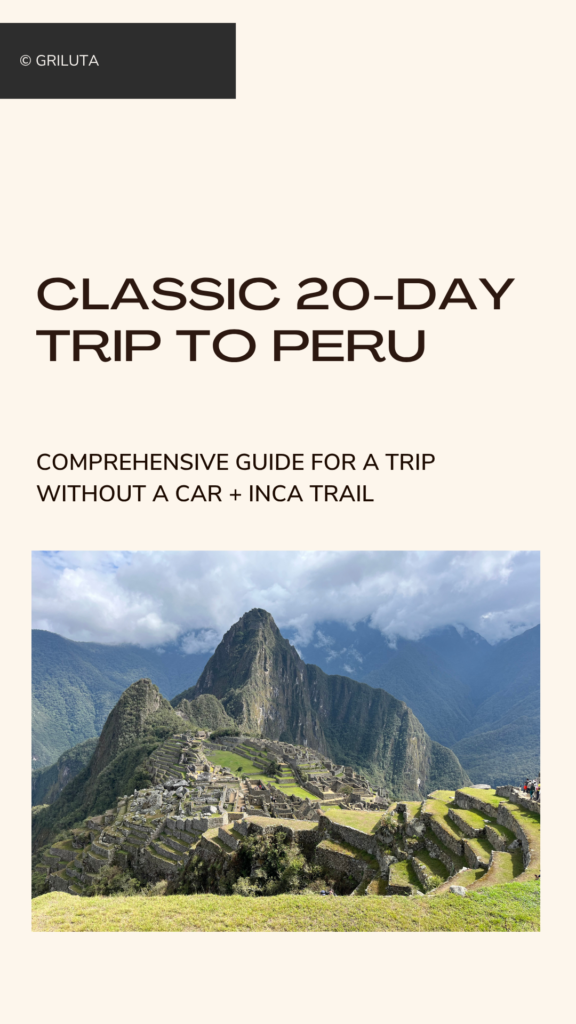
Travel Without Chaos: Peru — Classic 20-Day Itinerary Without a Car (+ Inca Trail)
Classic 20-Day Trip to Peru — Complete PDF Guide