This article contains affiliate links. If you book something through them, I earn a small commission at no extra cost to you. I only recommend what I use myself.
Some links in this article are affiliate links. If you book through them I earn a small commission, at no extra cost to you.
Contents
- Quick answer: how many days do you need in Peru?
- 7-day itinerary: Lima + Cusco + Machu Picchu
- Day by day
- What you give up in 7 days
- 14-day itinerary: the full Andean arc
- Day by day
- What you give up in 14 days
- 21-day itinerary: the full Peru spectrum
- Itinerary
- Rainbow Mountain and altitude
- The Amazon: the final contrast
- Paracas and Huacachina
- Flights and transfers
- When to go
- Frequently asked questions
- Are 7 days enough for Peru?
- Can I do the Inca Trail on the 14-day itinerary?
- How much do domestic flights in Peru cost?
- How do I handle the altitude on the route?
- Can I combine all three itineraries into one?
Peru is a country that doesn’t fit into a single trip. The Andes, Machu Picchu, Lake Titicaca, the Amazon rainforest, a desert oasis and one of the world’s best cuisines — all in one place. The question is never “is it worth it?” but “how many days do I have?” The answer decides whether you’ll see only the classics or also what most travellers never get to. In this article you’ll find three realistic Peru itineraries — 7, 14 and 21 days — with precise logistics, distances and what you’ll have to sacrifice if you have fewer days.
If you’re still choosing a country and want the big picture, start with the main Peru travel guide covering Machu Picchu, the Amazon and practical tips. And if you already know you’re flying and just need the itinerary framework — you’re in the right place.
Quick answer: how many days do you need in Peru?
The minimum for a trip to make sense is 7 days — but that’s already a very tight plan, built around Machu Picchu and Lima alone. 14 days is the sweet spot: it fits Arequipa, Colca Canyon and Lake Titicaca without rushing. 21 days lets you add the Amazon, Rainbow Mountain and Huacachina — the full Peru spectrum from jungle to desert. Here’s how the three options compare.
| Itinerary | Main places | Best if you… | Does the Inca Trail fit? |
|---|---|---|---|
| 7 days | Lima, Cusco, Machu Picchu (by train) | Have only a week and want the classics | Barely — the train is better |
| 14 days | + Arequipa, Colca Canyon, Lake Titicaca | Want the full Andean arc without rushing | Yes, with planning |
| 21 days | + Amazon, Rainbow Mountain, Huacachina, Paracas | Want to see the full Peru spectrum | Yes, comfortably |
All three share the same logistical core: an international flight to Lima, a domestic flight Lima → Cusco (1.5 h) and several days in the Andean highlands. For where to fly from and how, see our article on flights to Peru from Europe.
7-day itinerary: Lima + Cusco + Machu Picchu
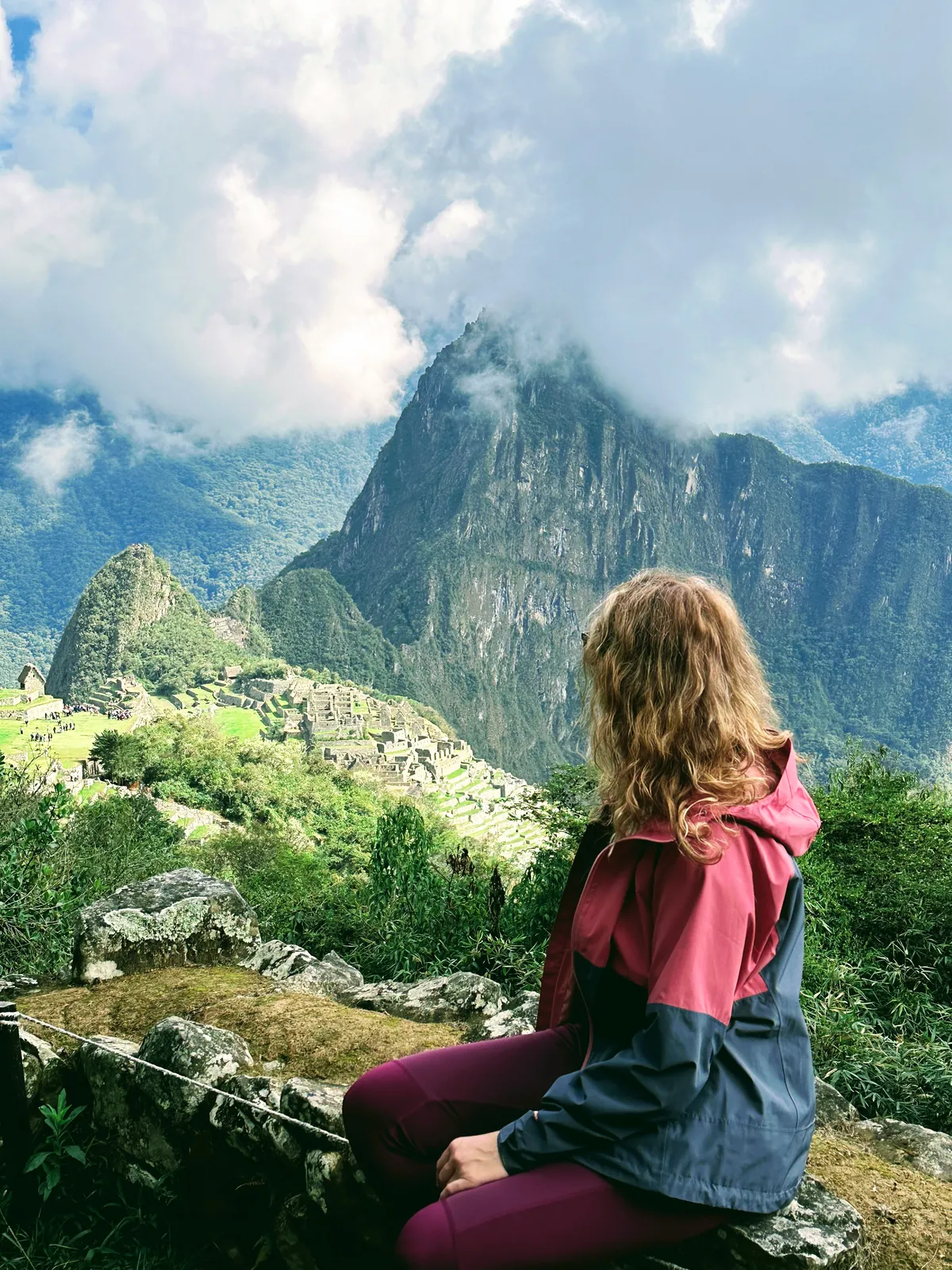
This is “fast Peru” — a week in which you see the two most important highlights and get home with Machu Picchu photos. Realistically you only get 5 full days in the country, because an international flight from Europe with 1–2 connections eats almost the entire arrival and departure days. The Inca Trail (4 days) barely fits such a plan, so you’ll need to take the train to Machu Picchu.
Day by day
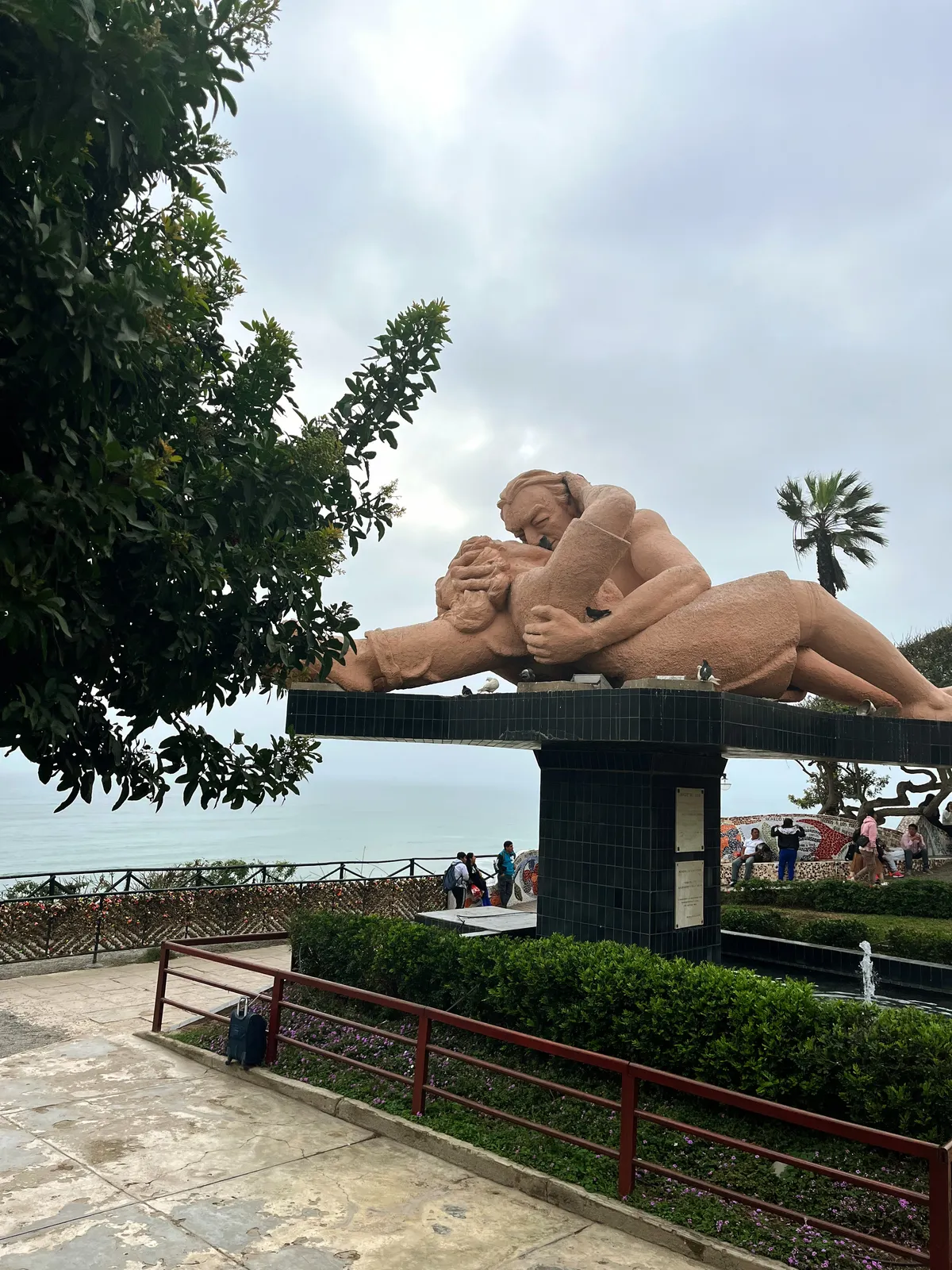
- Day 1 — Lima. Arrival, a walk along the Malecón coastline, dinner at a local restaurant.
- Day 2 — Lima → Cusco. Morning domestic flight. The rest of the day is for acclimatisation ONLY. Coca tea, an easy stroll around the Plaza de Armas, early night.
- Day 3 — Cusco. Sacsayhuamán fortress, the Coricancha temple, the San Blas district. Getting ready for Machu Picchu.
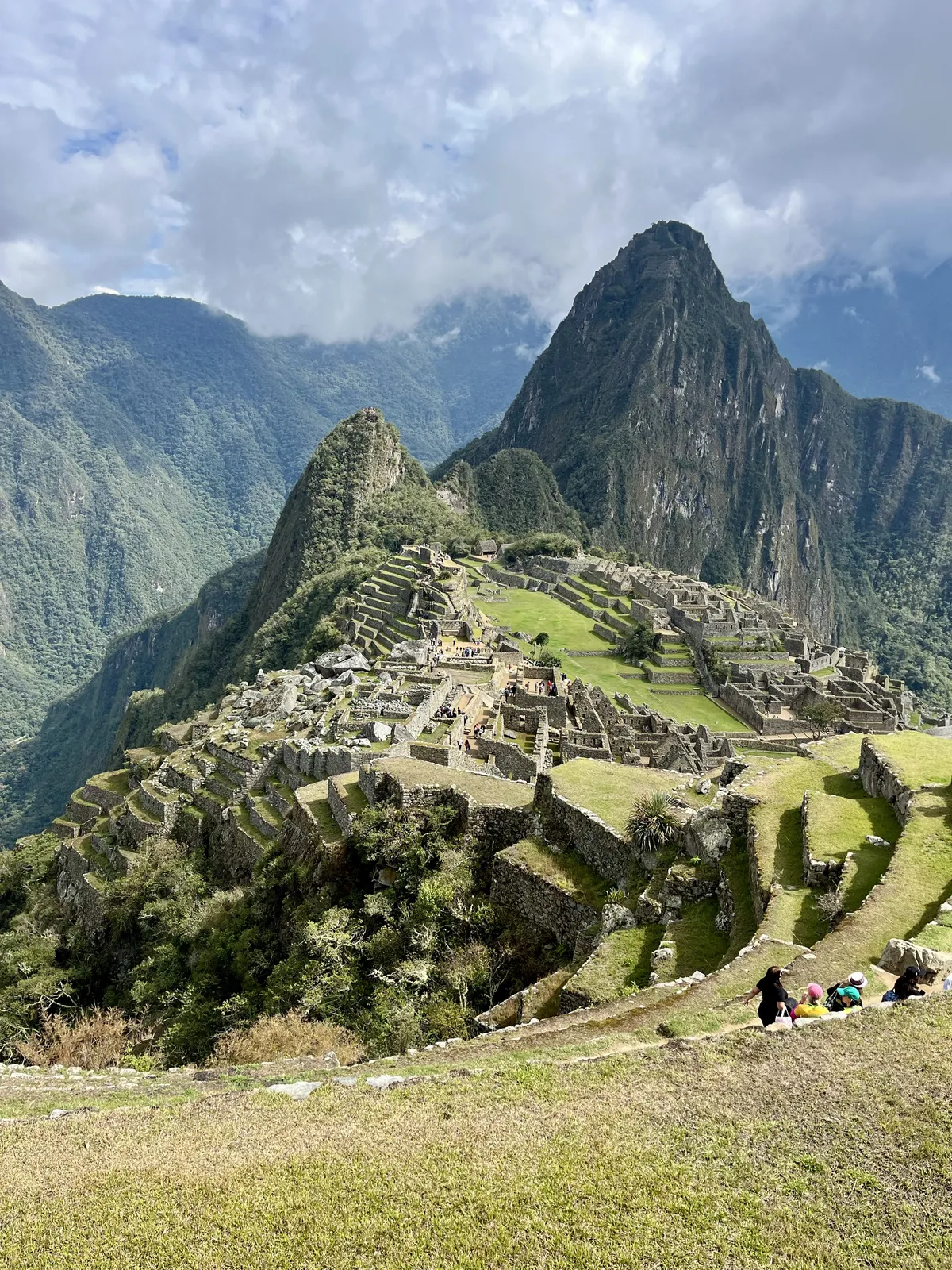
- Day 4 — Machu Picchu. Train from Ollantaytambo or Poroy → Aguas Calientes, bus to the entrance, guided tour and a night in Aguas Calientes.
- Day 5 — Sacred Valley. Train back, with a stop on the way at the ruins and market of Ollantaytambo or Pisac.
- Day 6 — Cusco → Lima. Domestic flight back, last evening in Barranco.
- Day 7 — home. International flight.
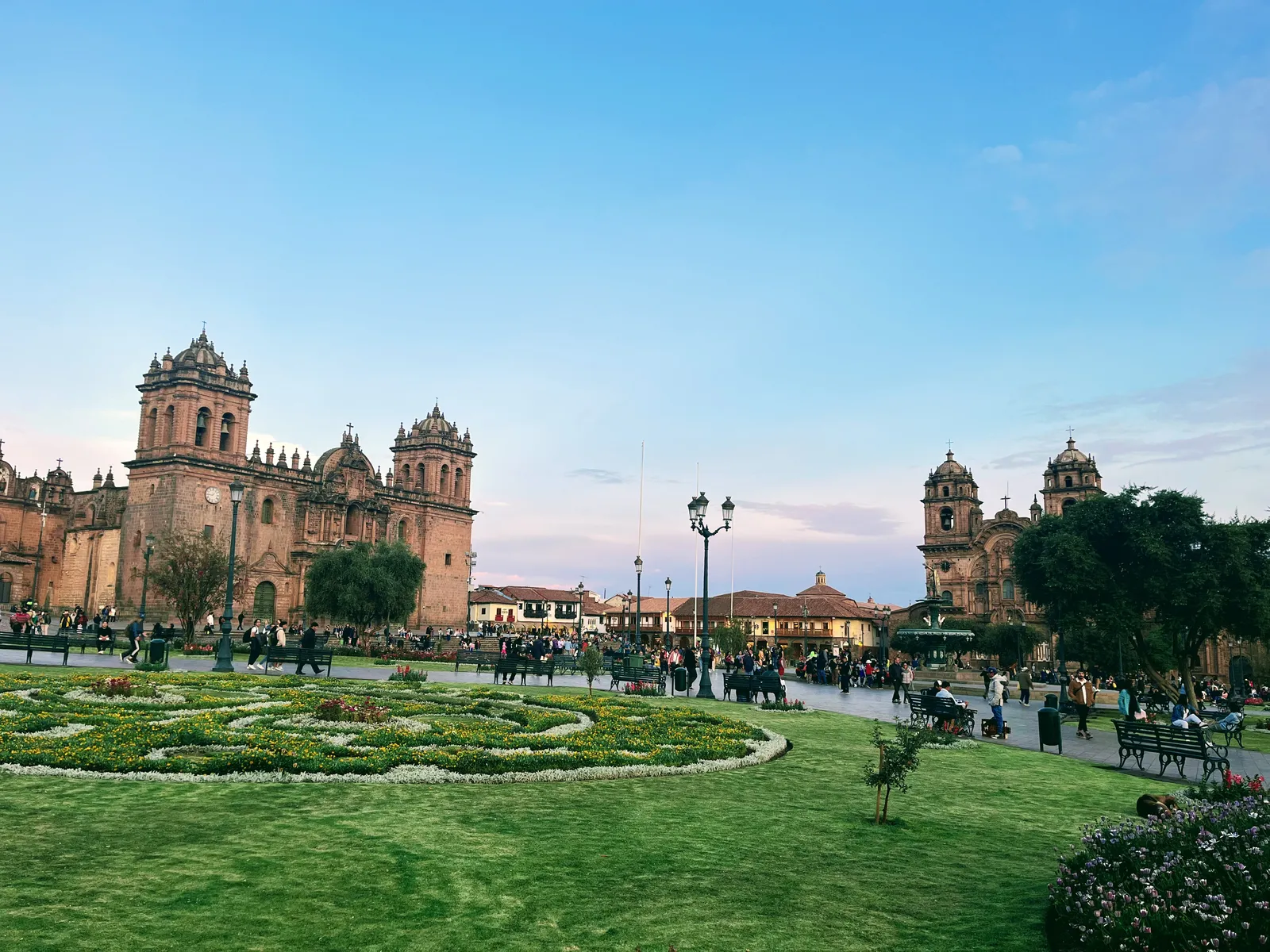
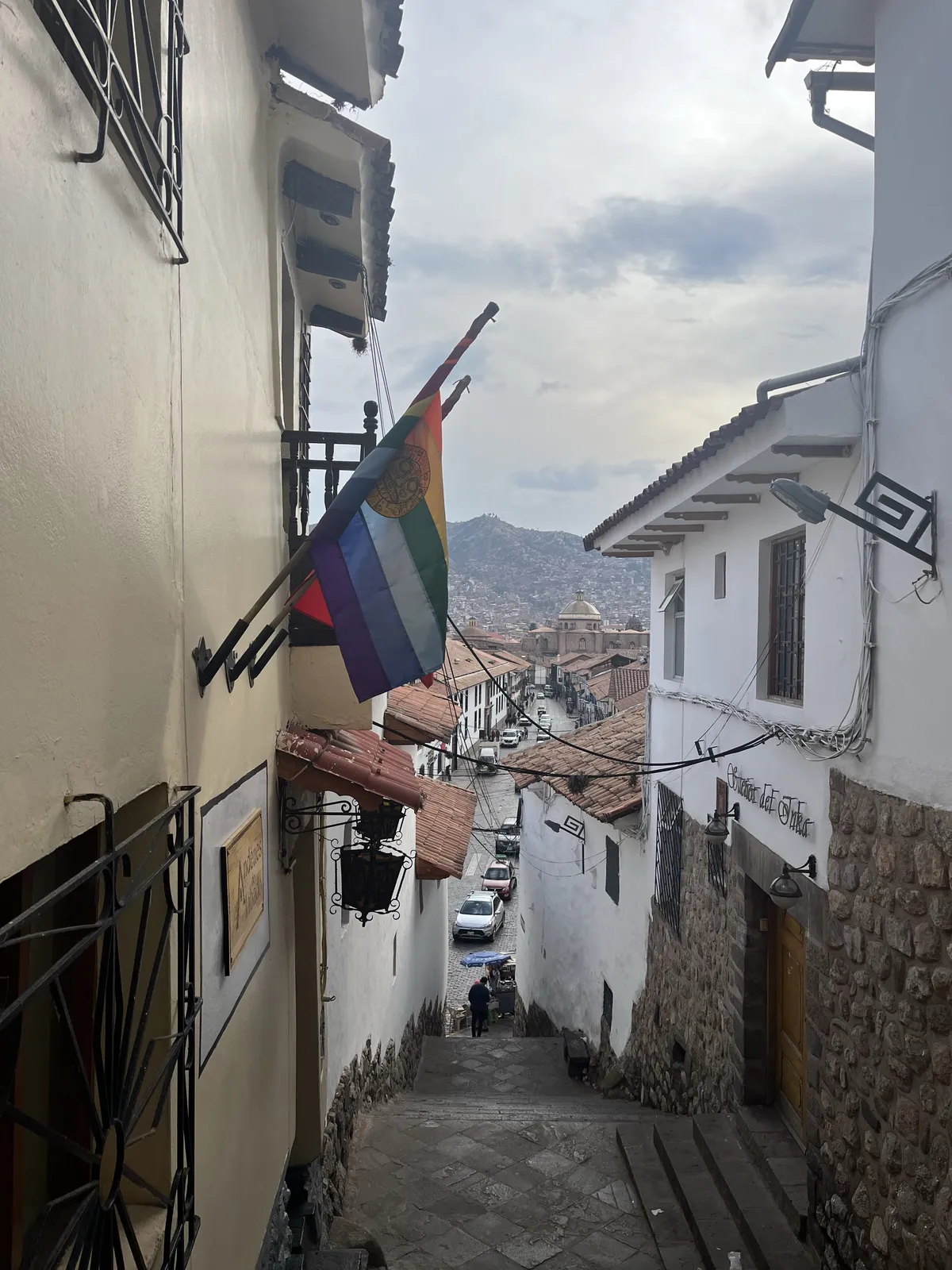
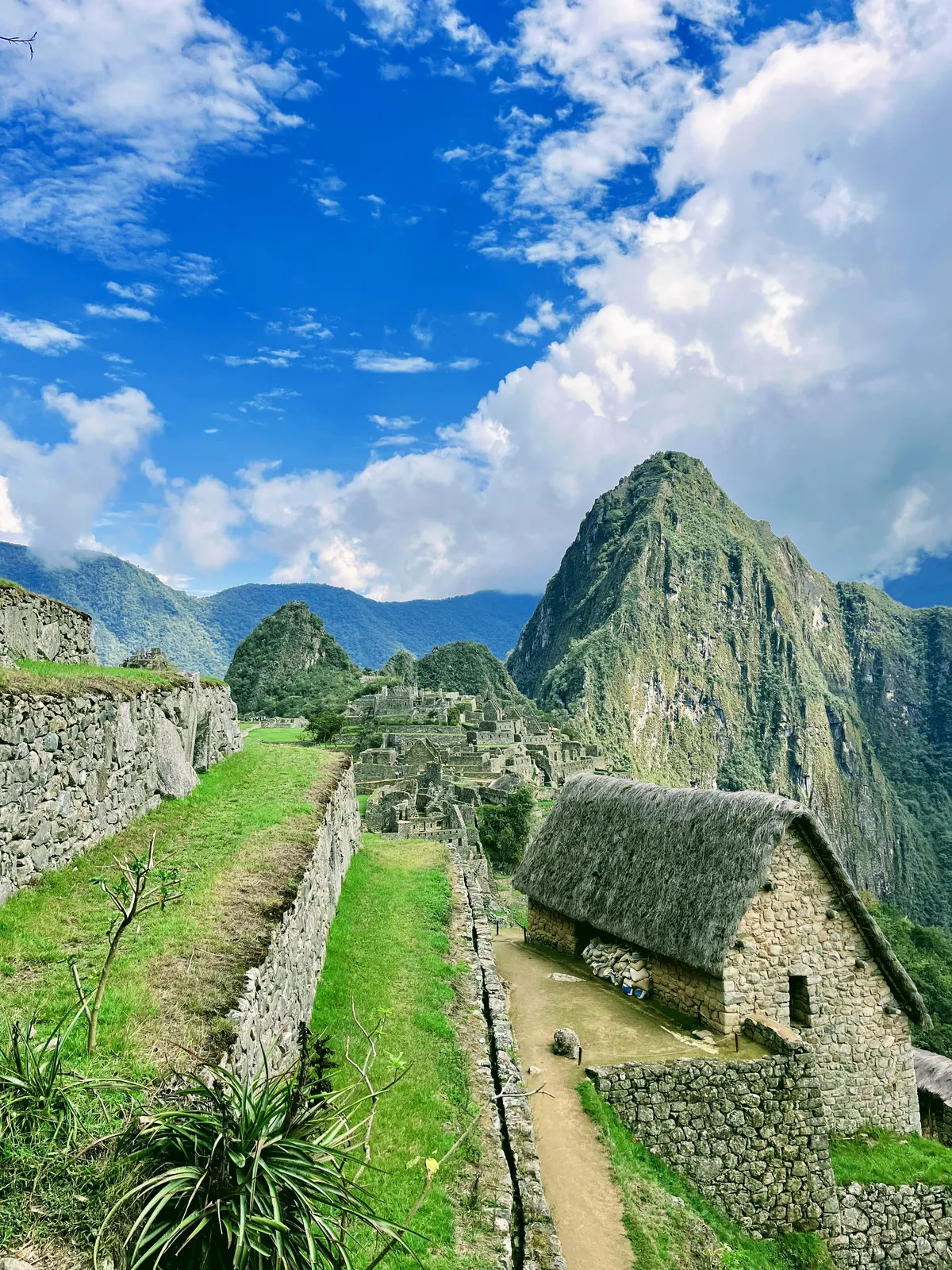
Buy Machu Picchu tickets only through the official website machupicchu.gob.pe 2–4 months in advance (USD 45 ≈ 40 €–60). For detailed logistics — which train, which station, how to get to the entrance — see our article on how to get to Machu Picchu independently. Plan your Cusco day around what to see in Cusco on your own.
What you give up in 7 days
- The Inca Trail trek
- Lake Titicaca, Arequipa and Colca Canyon
- The Amazon and any part of the desert
- A time buffer — if your domestic flight to Cusco is delayed by weather (which is common), the plan becomes very fragile
An important rule at this pace: leave at least 4–5 hours between your international flight to Lima and your domestic flight to Cusco. Cusco airport is sometimes closed because of mountain weather, so if you arrive from Europe early in the morning, schedule the flight to Cusco for the evening or the next day — this reduces the risk of a delay eating half your itinerary.
14-day itinerary: the full Andean arc
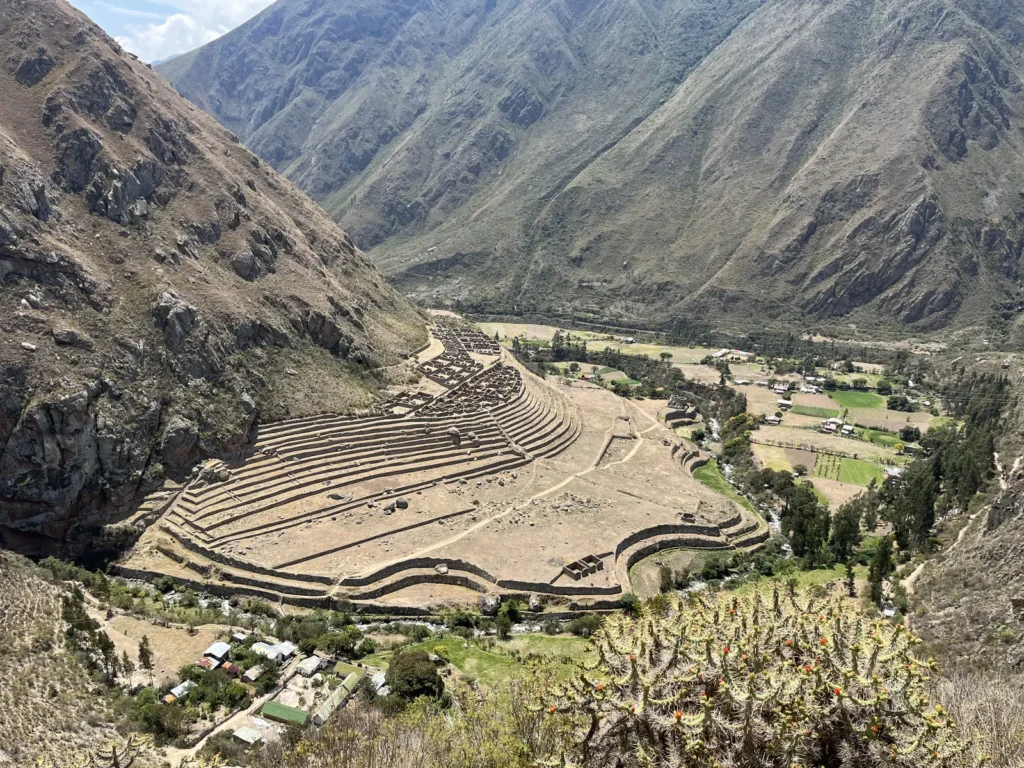
Two weeks is the point from which you can start seeing the real Peru. Besides Machu Picchu, you can fit in Arequipa, Colca Canyon with its condors, and Lake Titicaca with the Uros floating islands. With this itinerary you can do the Inca Trail (4 days) instead of taking the train — but the permit has to be booked well in advance. If you love high-altitude trails and want an alternative to the famous trek, a similar two weeks could also include the hikes around Huaraz and the Cordillera Blanca to Laguna 69.
Day by day
- Day 1 — Lima. Arrival, Miraflores, the Malecón, dinner.
- Day 2 — Cusco. Domestic flight, acclimatisation, nothing else.
- Day 3 — Cusco. Sacsayhuamán, Coricancha, San Blas, preparing for the trek.
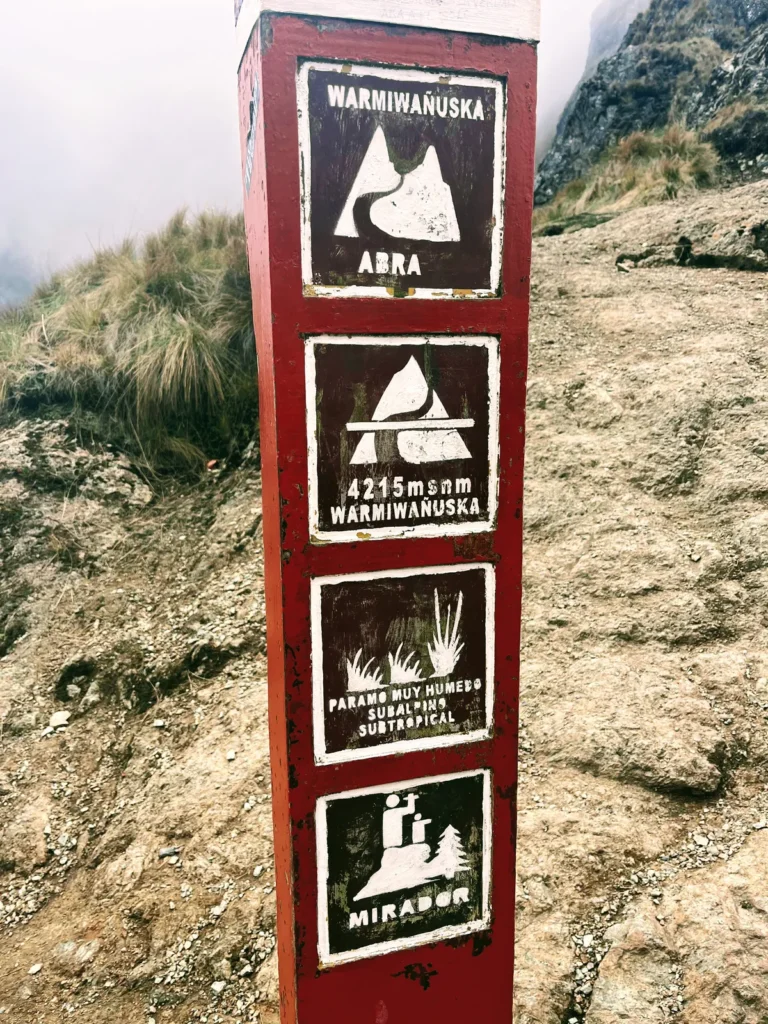
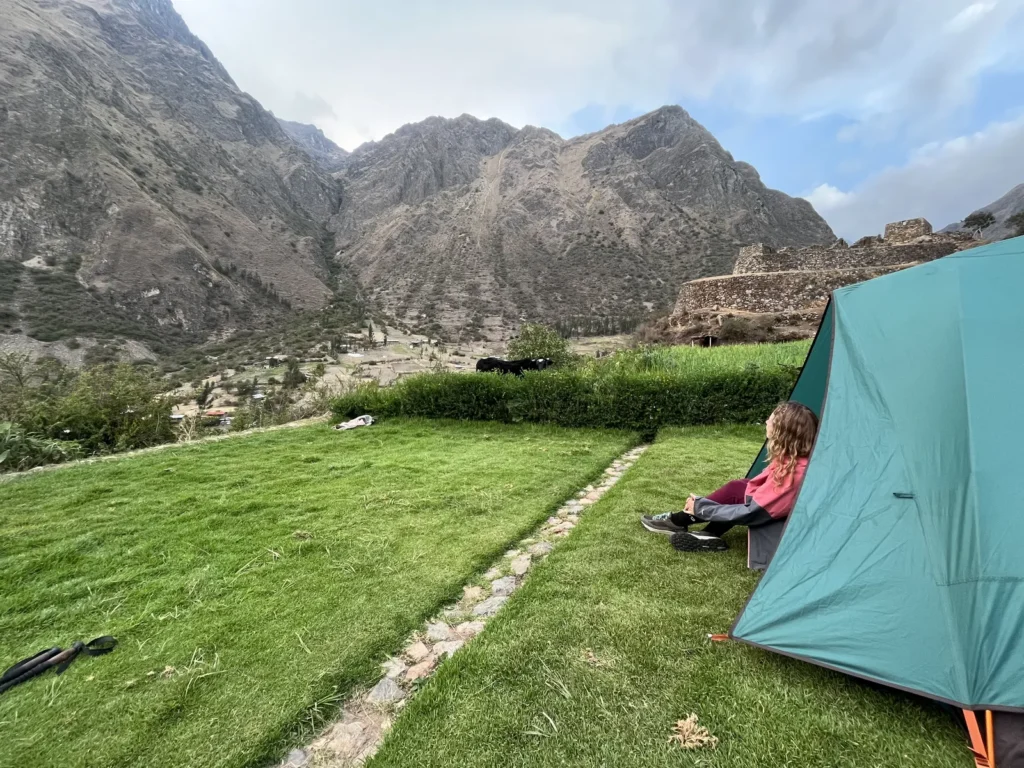
- Days 4–7 — Inca Trail. 4-day trek. Evening train back to Cusco.
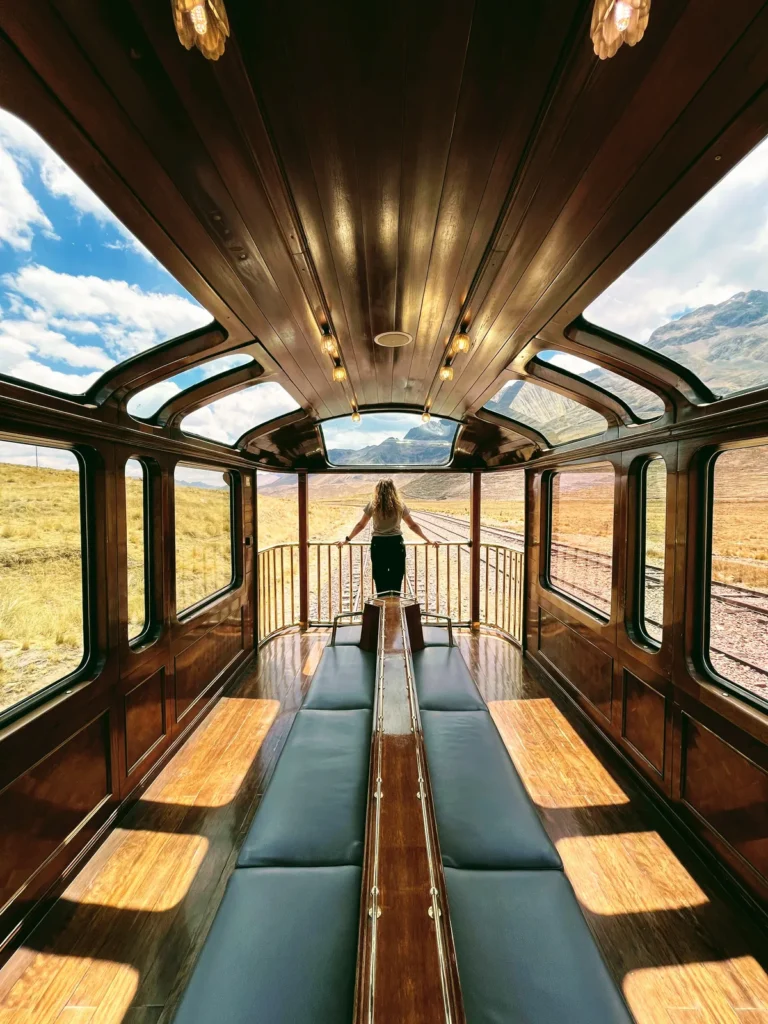
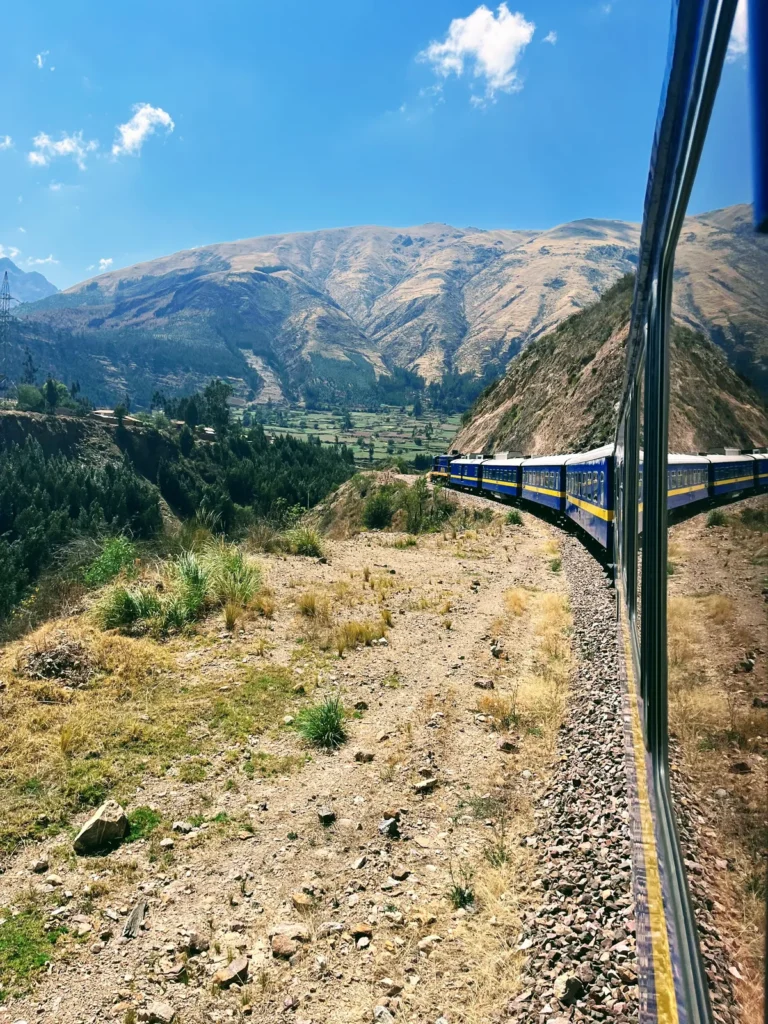
- Day 8 — Cusco → Puno. Transfer by bus (~7 h) or by PeruRail Andean Explorer train (~10 h).
- Day 9 — Lake Titicaca. Boat tour: the Uros floating islands and Taquile Island.
- Day 10 — Puno → Chivay. Two-day Colca excursion, the road over the Patapampa Pass, overnight in Chivay.
- Day 11 — Cruz del Cóndor → Arequipa. Early condor watching, then the road to Arequipa.
- Day 12 — Arequipa. Santa Catalina Monastery, the Juanita Museum, the Yanahuara viewpoint with a view of El Misti.
- Day 13 — Arequipa → Lima. Domestic flight, last evening in Barranco.
- Day 14 — home. International flight.
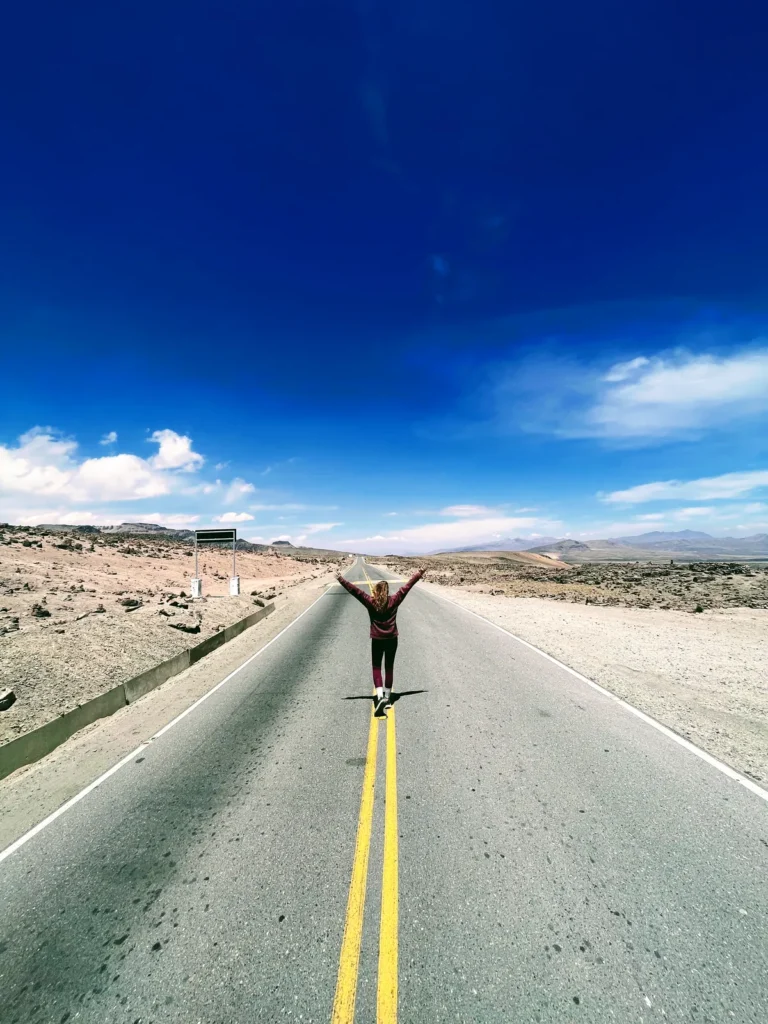
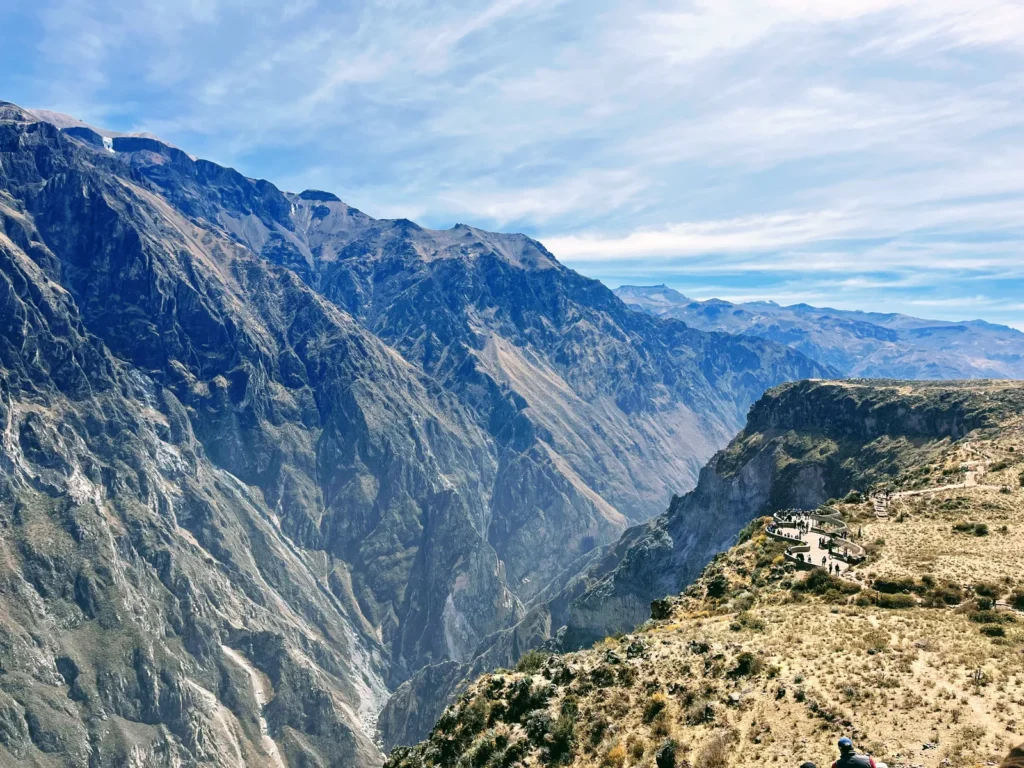
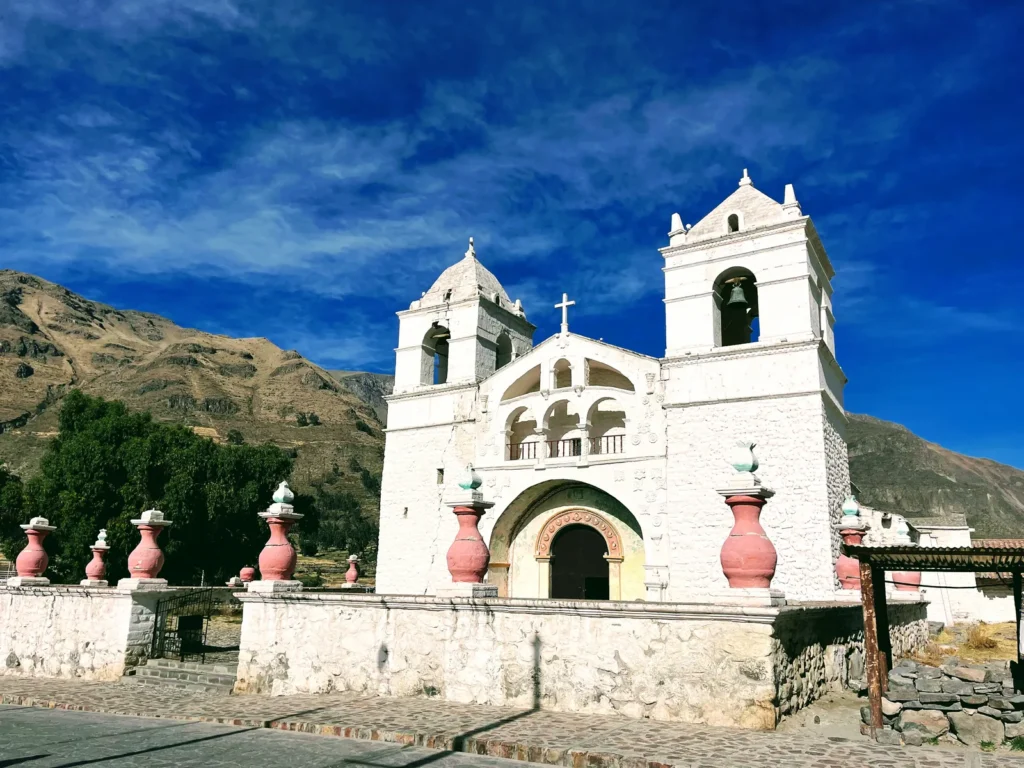
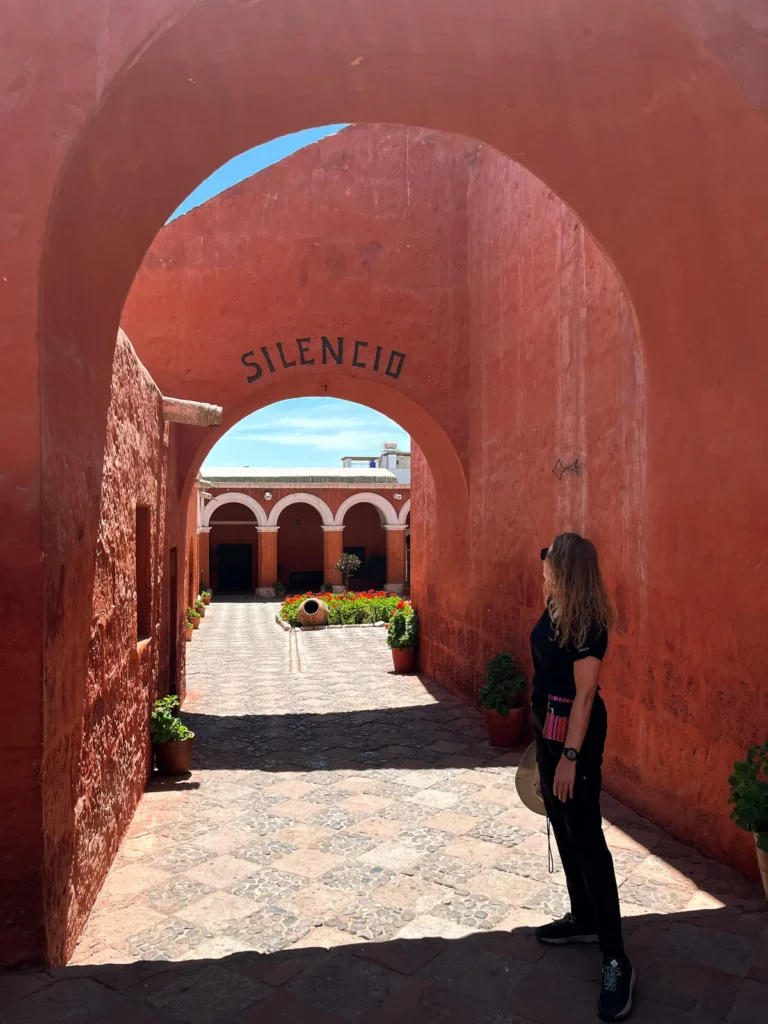
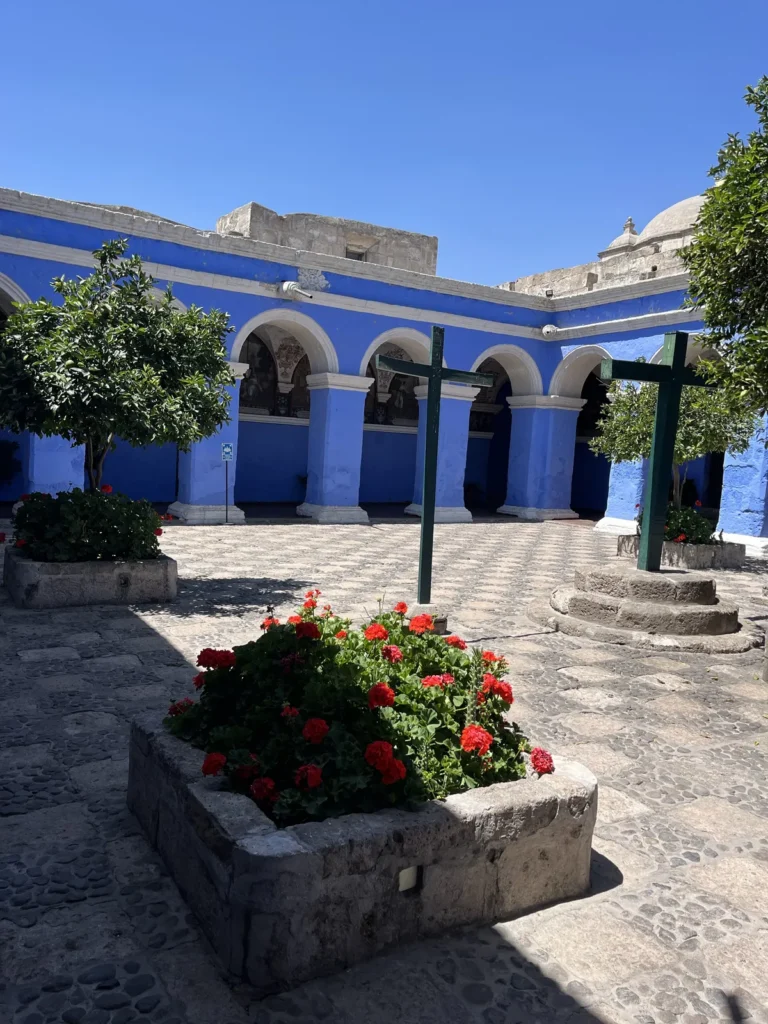
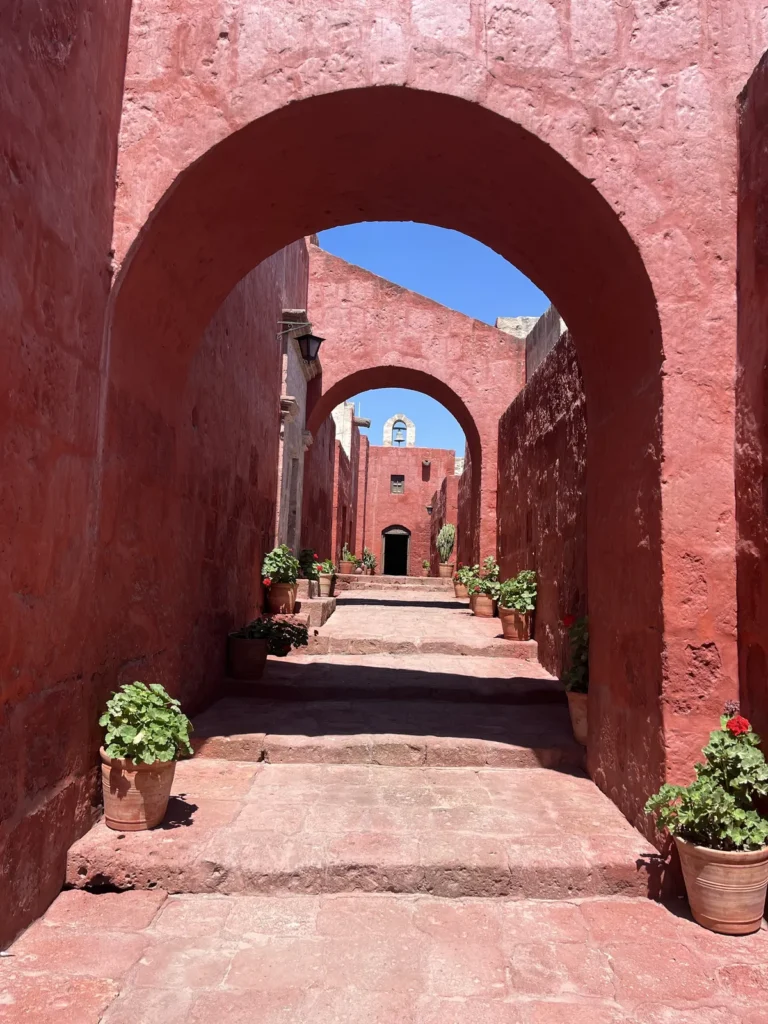
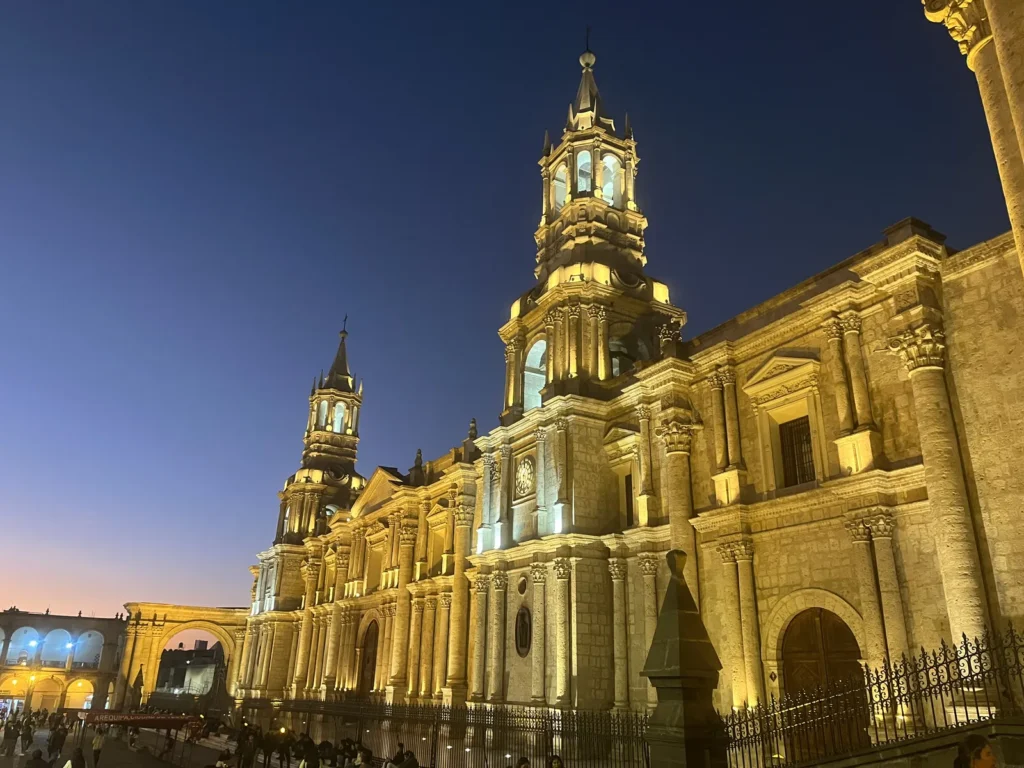
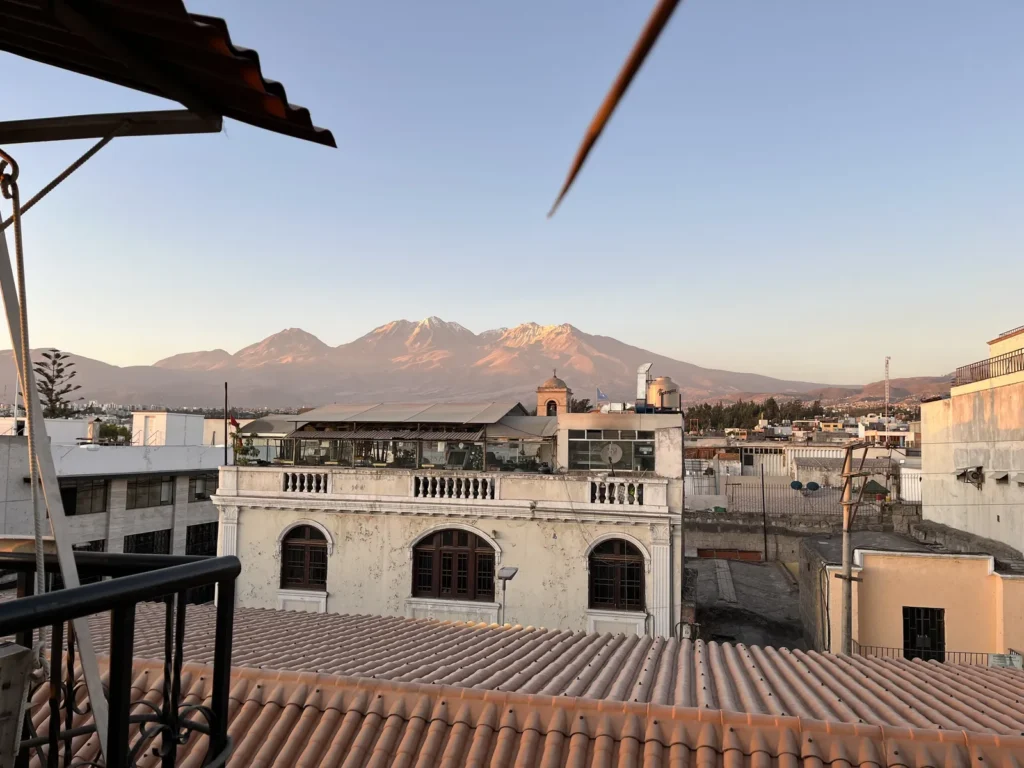
This option relies on several transfers that are worth understanding in advance. For Cusco → Puno you can choose a cheap bus (Cruz del Sur, or the tourist Inka Express with stops) or the luxury Andean Explorer train (~USD 250 ≈ 225 €–350). To read about the Lake Titicaca experience itself, see Lake Titicaca and Puno, and for the condors and the canyon — Colca Canyon trek tips.
What you give up in 14 days
- The Amazon rainforest — it needs at least 3–4 days including flights
- Rainbow Mountain and Humantay Lake — extra days in Cusco
- Huacachina and the desert / coastal part of Paracas
21-day itinerary: the full Peru spectrum
This is a full itinerary that leaves out almost nothing — essentially a tried-and-tested 19–20-day plan with a small buffer. The pace is intense, but every day has a purpose.
Itinerary
| Days | Place | Altitude | Pace |
|---|---|---|---|
| 1 | Lima | sea level | Easy |
| 2–3 | Cusco | 3,400 m | Slow (acclimatisation) |
| 4–7 | Inca Trail → Machu Picchu | up to 4,215 m | Active |
| 8 | Humantay Lake | 4,200 m | Active |
| 9 | Rainbow Mountain | up to ~5,100 m | Intense |
| 10 | Puno (Andean Explorer) | 3,830 m | Travel |
| 11 | Lake Titicaca | 3,812 m | Easy |
| 12–13 | Colca Canyon → Arequipa | 3,607 → 2,335 m | Active |
| 14 | Arequipa | 2,335 m | Cultural |
| 15 | Puerto Maldonado | 183 m | Travel |
| 16–17 | Amazon (safari + overnight) | ~200 m | Adventure |
| 18 | Lima | sea level | Easy |
| 19 | Paracas + Huacachina | sea level / 369 m | Active |
| 20–21 | Lima → home | — | Departure / buffer |
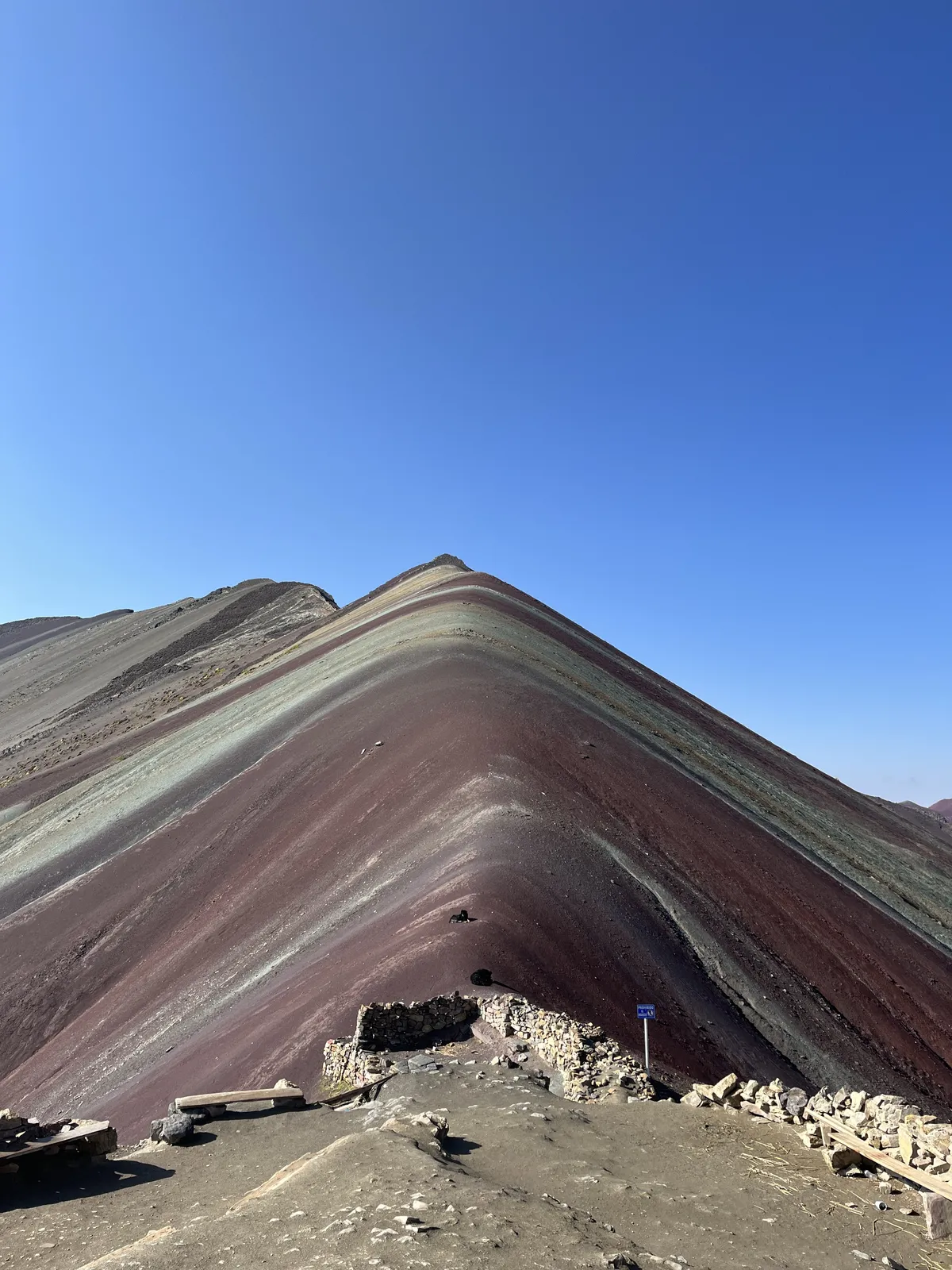
In this version two adventure days from Cusco slot in between the Inca Trail and Puno: Humantay Lake (4,200 m, turquoise glacial water) and Rainbow Mountain (~5,100 m, the highest point of the whole route). Both excursions start at 3:00–5:00 in the morning, so your body needs to be well acclimatised — and here that is already achieved after the Inca Trail.
Rainbow Mountain and altitude
Vinicunca, or Rainbow Mountain, rises to ~5,100 m — an altitude with very little oxygen, and the hike is harder than a day on the Inca Trail. At the start you can hire a horse (~USD 20 ≈ 18 €–30) if the walk gets too much. It’s cold and windy at the top even in summer. To learn why the colours only appeared after 2015 and how to reach the mountain, read Rainbow Mountain (Vinicunca), and for altitude sickness prevention — altitude sickness in Peru.
The Amazon: the final contrast
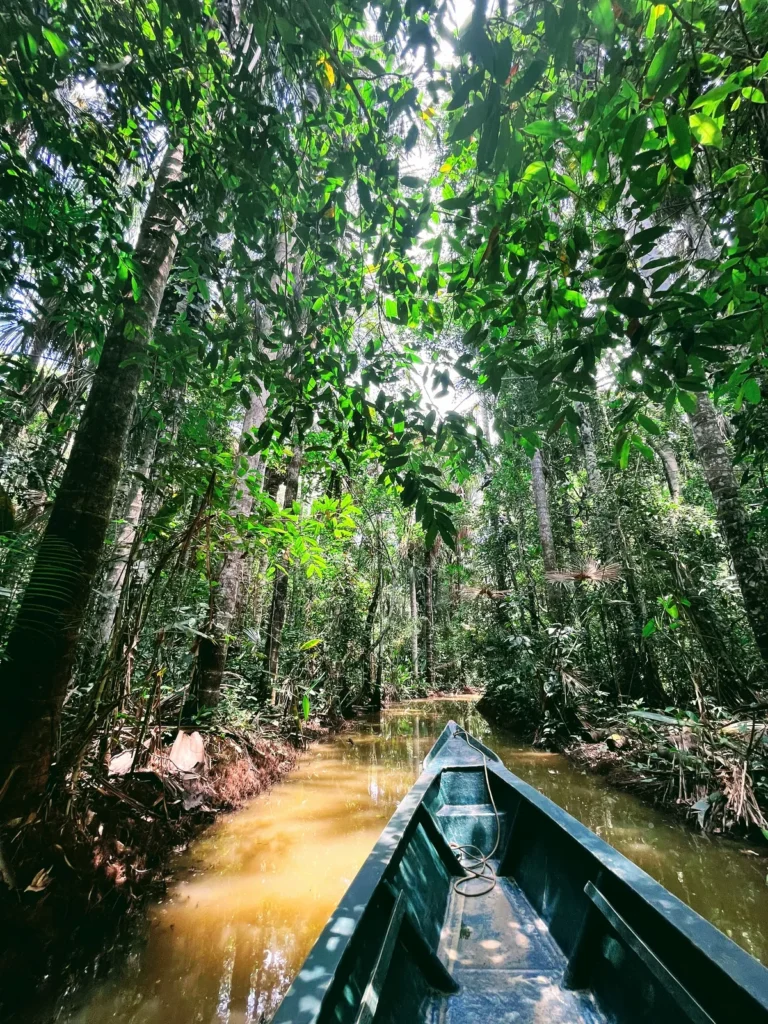
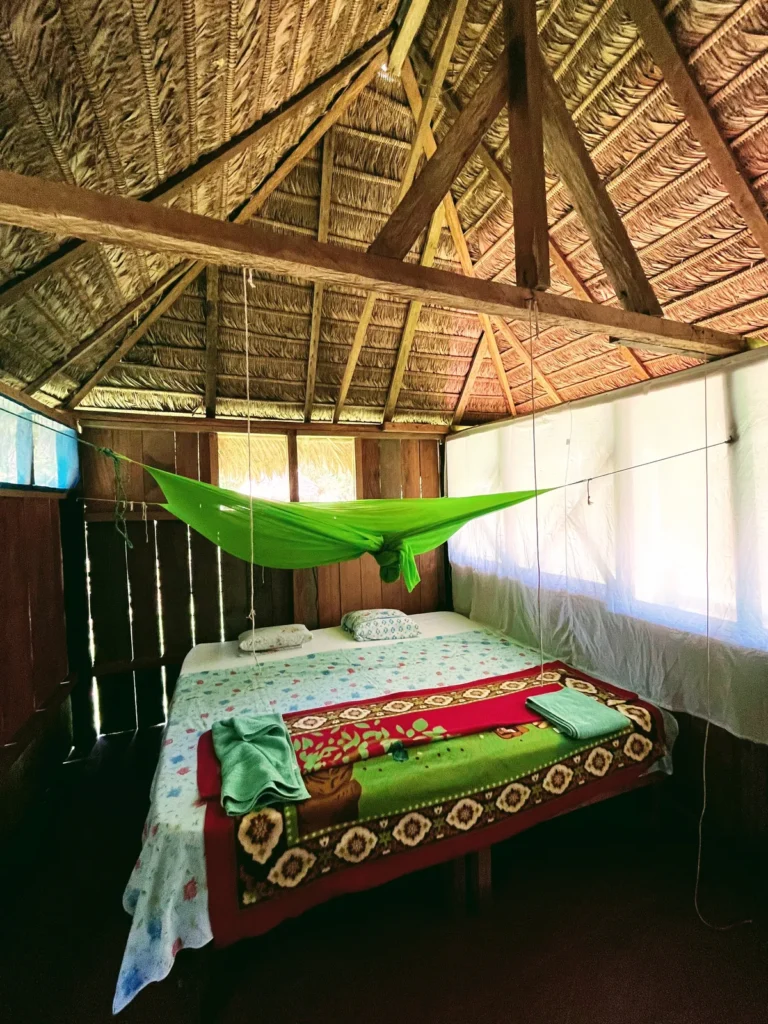
After the high Andes comes a flight to Puerto Maldonado (183 m), where the temperature jumps by 15 degrees and the humidity doubles. The lodge transfer from the airport is usually included (by boat or jeep), and meals are fully included in the price. Two to three options range from ~USD 150 ≈ 135 € to ~USD 350 ≈ 315 € per night, depending on how far from town you want to get into the jungle. The further from Puerto Maldonado, the more wildlife. Important: there is a malaria risk in the Amazon, so consult a doctor before this part and use DEET repellents from the first minute. For more on lodges, animals and what to bring, see the Amazon (Puerto Maldonado).
Paracas and Huacachina
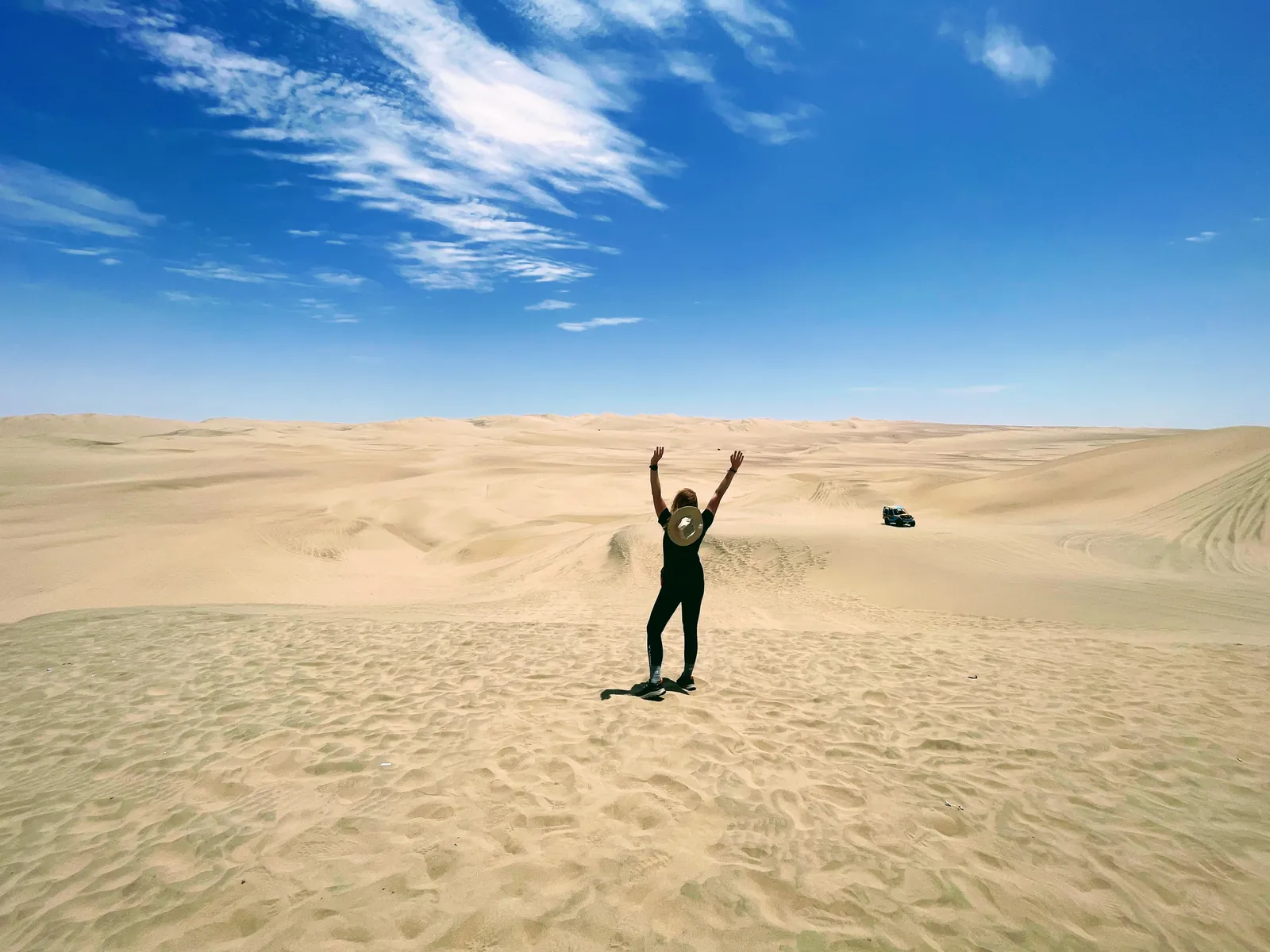
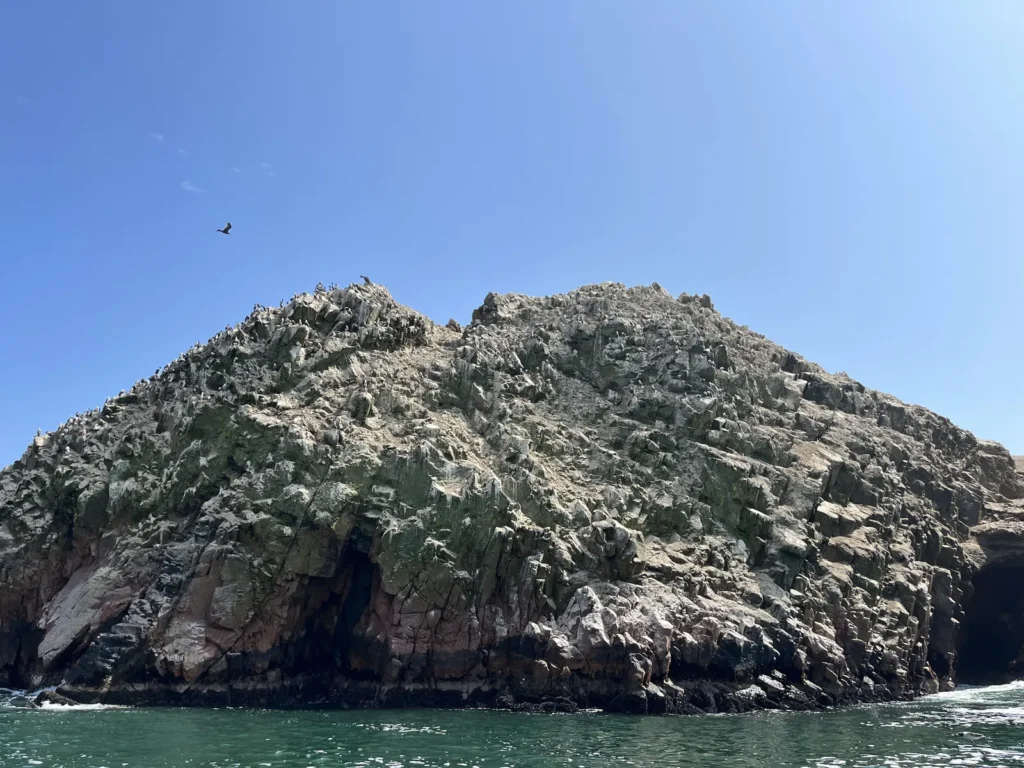
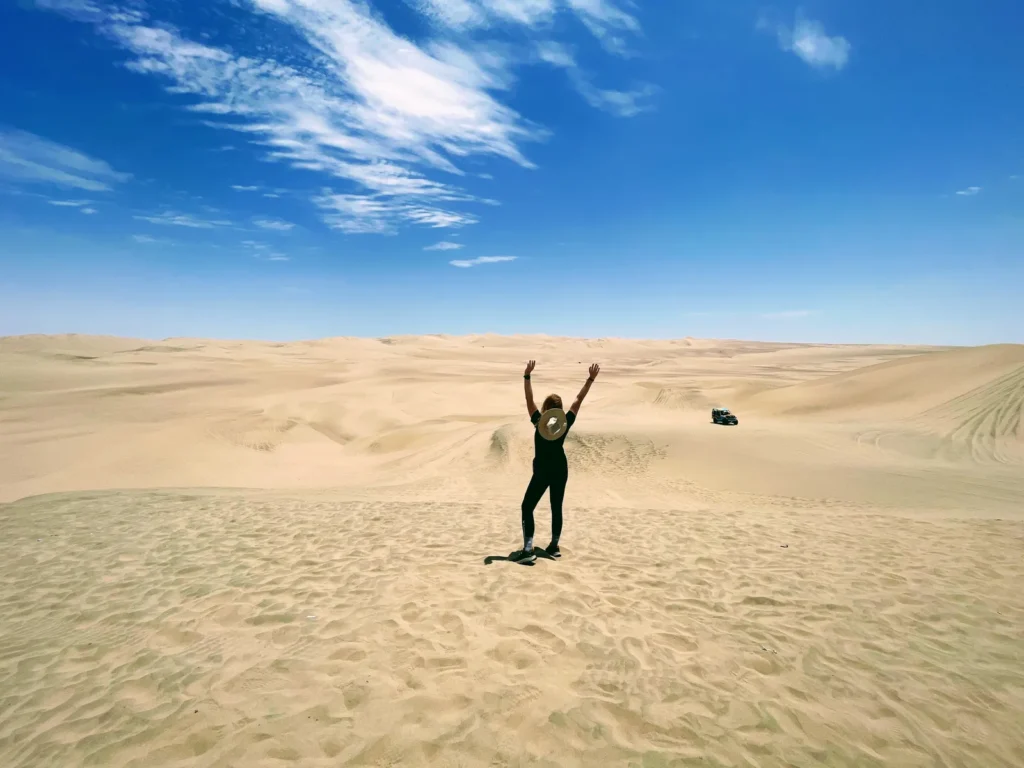
The last full day is an excursion from Lima: in the morning the Ballestas Islands with Humboldt penguins and sea lions, in the afternoon the Huacachina desert oasis with dune buggies and sandboarding. On the way between Lima and the oasis it’s worth stopping at the Nazca Lines. Days 20–21 remain as a buffer for delayed flights or a calm last evening in Lima, which you can read more about in what to see in Lima on your own.
Flights and transfers
Whichever itinerary you choose, these transfers come up again and again.
| Leg | Mode | Duration | Price (approx.) |
|---|---|---|---|
| Vilnius → Lima | Flight with 1–2 connections | ~16–24 h with connections | EUR 600–1,100 return |
| Lima → Cusco | Domestic flight (a must) | ~1.5 h | USD 50 ≈ 45 €–150 one way |
| Cusco → Aguas Calientes | PeruRail / Inca Rail train | ~1.5–3.5 h | USD 50 ≈ 45 €–150 one way |
| Cusco → Puno | Bus or Andean Explorer | ~7–10 h | USD 20 ≈ 18 €–40 / USD 250 ≈ 225 €–350 |
| Puno → Arequipa (via Colca) | 2-day excursion | 2 days | USD 60 ≈ 55 €–100 |
| Arequipa → Puerto Maldonado | Domestic flight | ~1.5 h | USD 60 ≈ 55 €–130 |
Lima → Cusco has to be flown: the bus would take 20–24 hours. Book domestic flights right after your international tickets, because prices rise as the date approaches. The overall trip budget — from flights to lodges — is broken down in detail in how much a trip to Peru costs.
💡 Tickets and stays. The easiest way to compare the cheapest flights to Lima in one place is to search for flights here. I book hotels and lodges through Booking, and I arrange the airport transfer in advance here. If your international flight is delayed or cancelled, AirHelp or Compensair can help you claim compensation.
When to go
The dry season (May–October) is the best time for all three itineraries, especially if they include the Inca Trail, Rainbow Mountain or Machu Picchu. The optimal window is June–August: open trails, a colourful Rainbow Mountain, active wildlife in the Amazon. Important: the Inca Trail closes in February for maintenance, so if you plan the trek, avoid that month. In the rainy season the Amazon is better (higher water, more animals), while the coast and Huacachina are warmest. You’ll find the full month-by-month guide in when to travel to Peru.
- For the 7-day itinerary: any dry-season month works, since you don’t need an Inca Trail permit
- For the 14-day itinerary: May–September; if you’re doing the Inca Trail, book the permit 3–6 months in advance
- For the 21-day itinerary: ideally June–August
💡 Internet in Peru. So I don’t have to hunt for a local SIM at the airport, I activate an eSIM plan back home in Lithuania — it works the moment I land, keeping maps and bookings at hand the whole time.
Frequently asked questions
Are 7 days enough for Peru?
Only for the classics: Lima, Cusco and Machu Picchu by train. Realistically you get 5 full days, because a flight from Europe with connections takes up almost the entire arrival and departure days. The Inca Trail (4 days) doesn’t fit such a plan, and there is almost no buffer left for delayed domestic flights. If you can spare at least 10–14 days — it’s worth it.
Can I do the Inca Trail on the 14-day itinerary?
Yes. The 4-day trek fits between acclimatisation in Cusco and the move to Puno. There is one condition: the permit must be booked 3–6 months ahead, because only 500 people (including guides and porters) are admitted per day, and in the busy season the spots sell out within minutes. You can only go with a licensed agency (~USD 800 ≈ 700 €–1,400, everything included).
How much do domestic flights in Peru cost?
Lima → Cusco costs USD 50 ≈ 45 €–150 one way, Arequipa → Puerto Maldonado USD 60 ≈ 55 €–130. Airlines: LATAM Peru, Sky Airline, Star Peru. Prices rise as the date approaches, so book right after your international tickets. Lima → Cusco has to be flown — the bus would take 20–24 hours.
How do I handle the altitude on the route?
On your first day in Cusco (3,400 m) plan nothing — that is the most important rule. Drink 2–3 litres of water, coca tea (hotels offer it for free), move slowly and avoid alcohol. Prescription Diamox helps you acclimatise faster — talk to your doctor in advance. Rainbow Mountain (~5,100 m) and Puno (3,830 m) need extra attention, which is why they come after the Cusco acclimatisation in the route.
Can I combine all three itineraries into one?
Essentially yes — the 21-day itinerary is a combination of all three: the 7-day classic forms the core, the 14 days add the Andean arc, and the 21 days finish with the Amazon, Rainbow Mountain and the desert. If you have even more time, you could add days in the Sacred Valley or stay longer in the Amazon, but three weeks is enough to see the full Peru spectrum.
Travel Without Chaos: Peru — Classic 20-Day Itinerary Without a Car (+ Inca Trail)
Classic 20-Day Trip to Peru — Complete PDF Guide