This article contains affiliate links. If you book something through them, I earn a small commission at no extra cost to you. I only recommend what I use myself.
Some links in this article are affiliate links. If you book through them I earn a small commission, at no extra cost to you.
Contents
- First — documents and money
- Health items — the most important section
- Altitude sickness medication
- Protection from mosquitoes and sun
- General first-aid kit
- Clothing for four environments
- Tops and bottoms
- Footwear
- Accessories
- Toiletries and small essentials
- Electronics
- Inca Trail specifics
- Amazon jungle specifics
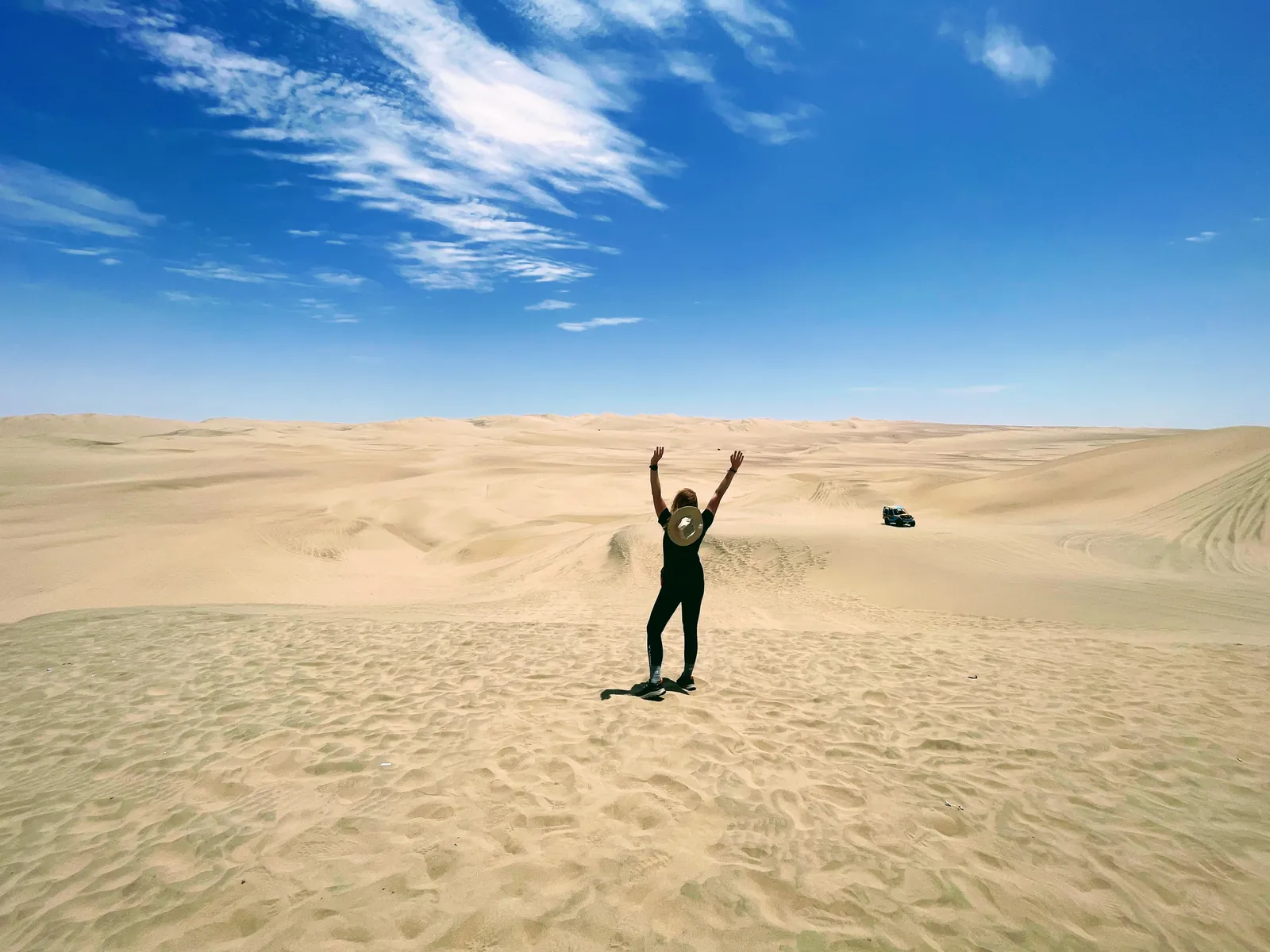
- Huacachina and the desert
- Luggage strategy for the whole route
- What NOT to bring
- FAQ
- Do I really need both warm and light clothes for one trip?
- What must I buy back in Lithuania, and what can I get there?
- What size backpack do I need?
- Do I need a DEET repellent for the whole trip?
- Can I bring coca leaves back with me?
- How much cash should I take on the Inca Trail?
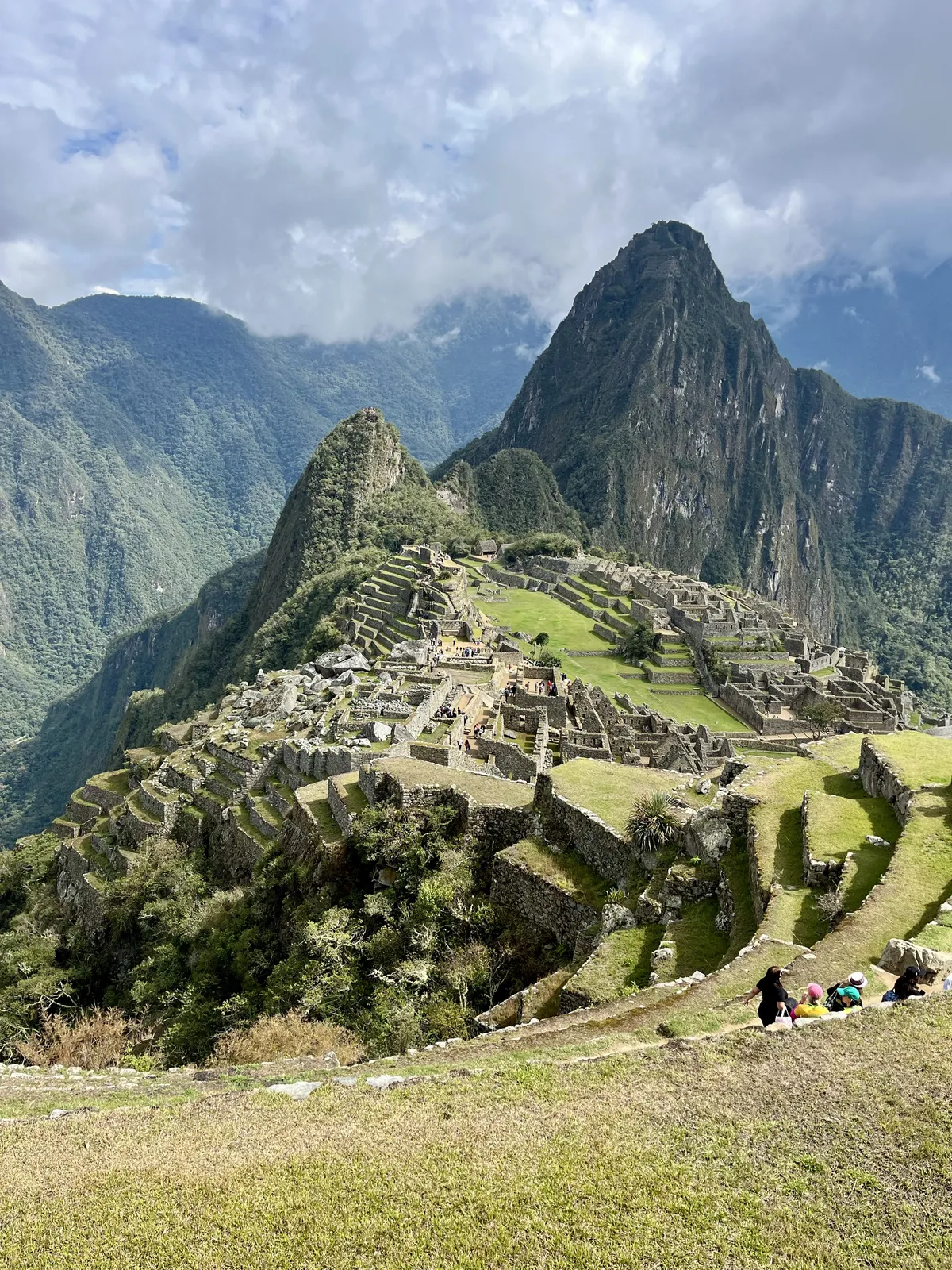
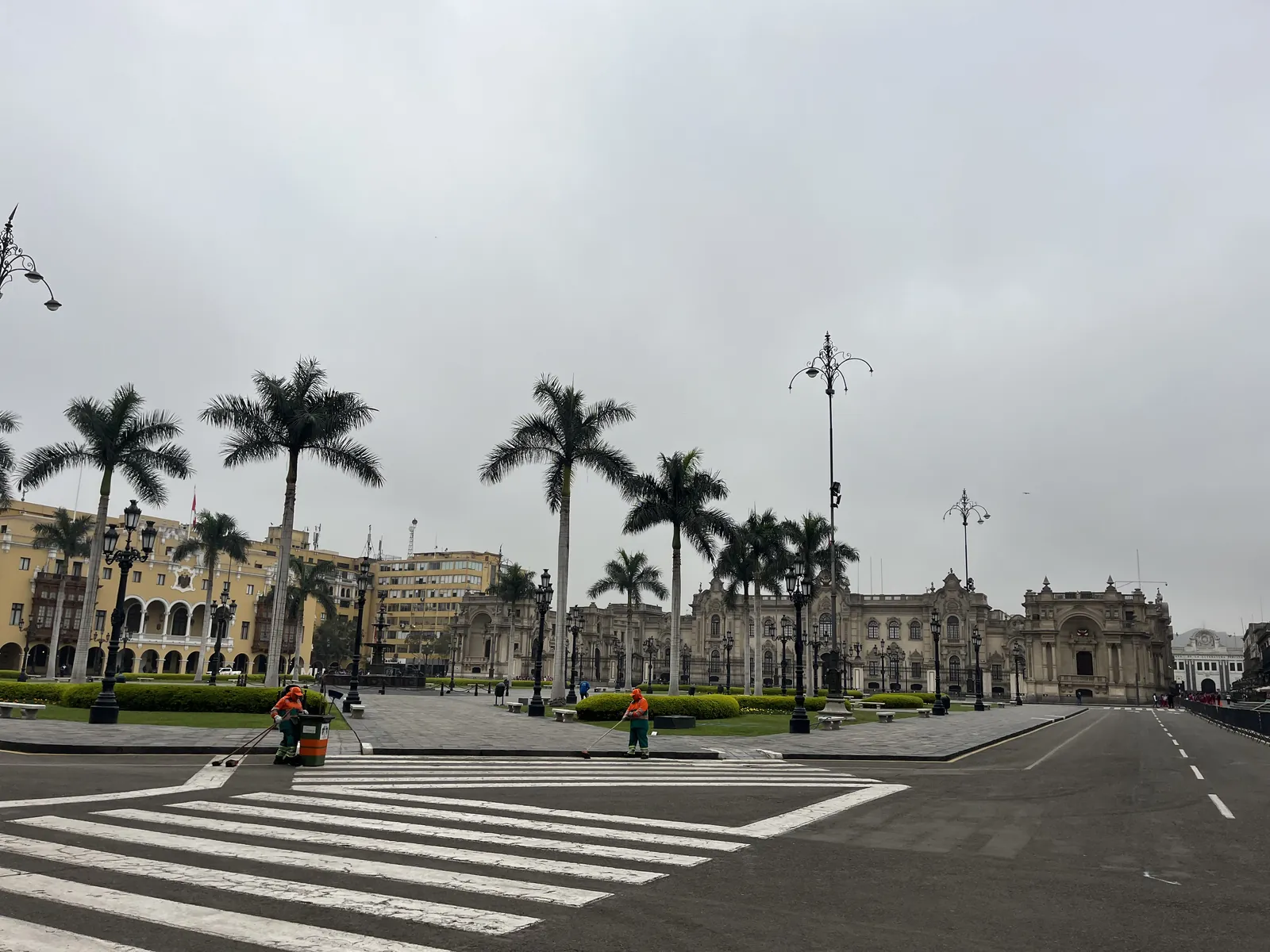
A trip to Peru differs from a regular European weekend in one key way: over two weeks you move through four completely different environments. You wake up in cool, overcast Lima, a day later you’re shivering in the cold at 5,200 metres by Rainbow Mountain, a few days after that you’re sweating in the Amazon jungle, and you finish by wading through desert dunes in Huacachina.
Let me start with the single most important thing: the golden rule is layers. Instead of one thick jacket, bring three thin layers you can mix and match. And don’t forget that some items here matter more than comfort — altitude sickness medication or a DEET repellent can genuinely decide whether you enjoy the trip or lie in your hotel room with a headache.
Many travellers pack for Peru as if they’re heading in a single direction — say, just the mountains — and then realise in the Amazon that they have neither a proper repellent nor lightweight long-sleeved shirts. I’ve built this packing list so you think about each stage of the route separately.
First — documents and money
Let’s start with the things without which you won’t even board the plane or set foot on the Inca Trail. Pack this little pile first and keep it in one place — ideally in a small bag.
- Passport — valid for at least 6 months from your return date (see Peru entry requirements).
- A passport copy (paper) and a photo on your phone — keep it separate from the original.
- A copy of your travel insurance policy — printed and on your phone.
- Inca Trail permit and Machu Picchu ticket confirmations (how to get them — Machu Picchu on your own).
- Train (PeruRail / Inca Rail) and flight (international and domestic) tickets.
- Hotel and lodge booking confirmations.
- Cash and a Visa or Mastercard.
One tip about money: before setting off on the Inca Trail, take enough cash in soles. There are no ATMs in the mountains, and toilets along the way, tips for the porters and small expenses are always paid in cash. Small notes (5, 10, 20 S/) are especially handy — market stalls often can’t give change for a 100 S/ note. If you have US dollars, they’ll work too; most tours are paid for in dollars. For a realistic budget, see how much a trip to Peru costs.
💡 Tickets and stays. The easiest way to compare the cheapest flights to Lima in one place is to search for flights here. I book hotels and lodges through Booking, and I arrange the airport transfer in advance here. If your international flight is delayed or cancelled, AirHelp or Compensair can help you claim compensation.
If you’re still deciding when to go, it’s worth reading when to travel to Peru — the season directly determines how many warm and how many light clothes go into your bag.
Health items — the most important section
If you remember only one paragraph from this whole list, let it be this one. A Peru first-aid kit is not the same as what we toss into a backpack for a trip to Spain. Two things — altitude and the jungle — call for specific items that you won’t necessarily find at the last minute in a Cusco pharmacy (and if you do, you’ll need a prescription).
Altitude sickness medication
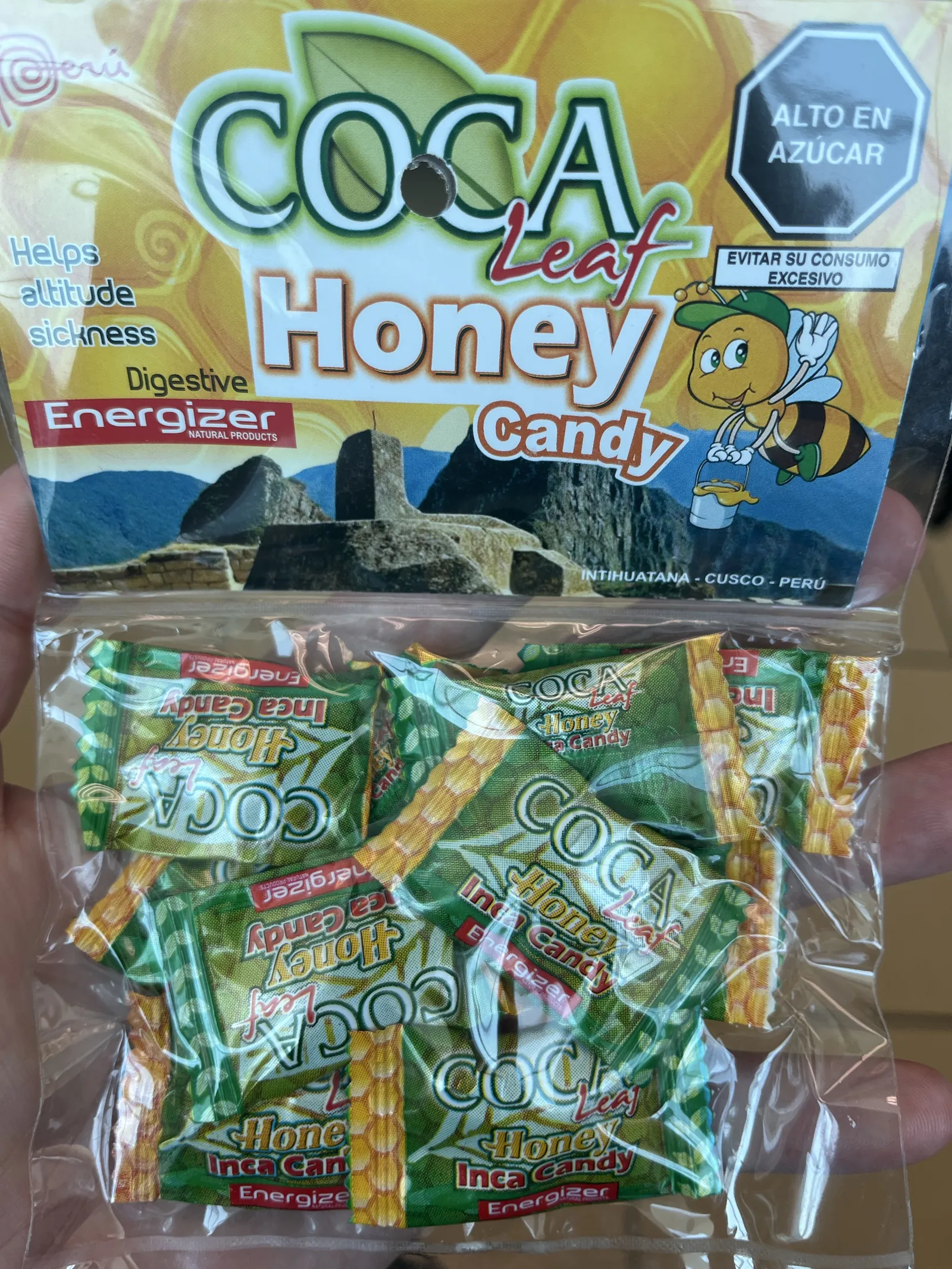
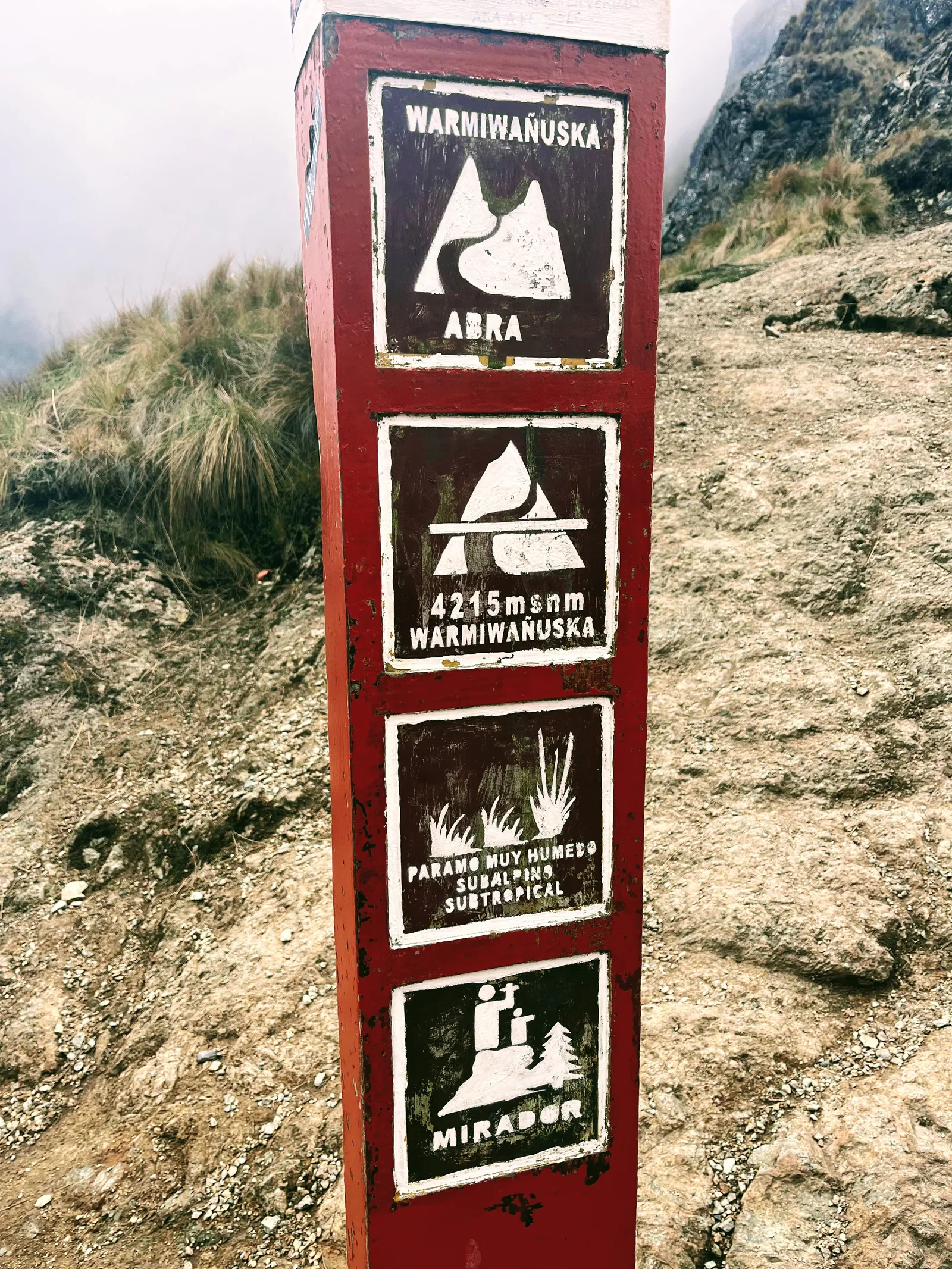
Altitude sickness (soroche) in Peru is not a minor detail but the main problem. Cusco sits at 3,400 m, Puno at 3,850 m, and Rainbow Mountain at a full 5,200 m. It doesn’t depend on your fitness: you can be in great shape and still spend a day flat out with a headache and nausea — but you can prepare for it.
- Acetazolamide (Diamox) — a prescription drug that helps your body acclimatise faster. You start taking it 1–2 days before reaching altitude. In Lithuania it requires a prescription, so bring enough for the whole trip. Cusco pharmacies also sell herbal remedies for altitude sickness.
- Ibuprofen or paracetamol — for headaches. Guides recommended paracetamol.
- Rehydration sachets (electrolytes) — helpful when you lose fluids.
- An altitude-sickness info sheet with symptoms and an action plan.
Important: Diamox is not suitable for people allergic to sulfonamides, so be sure to talk to your doctor 6–8 weeks before the trip. Tingling fingers and more frequent urination are normal, harmless side effects. We put the full method — how to acclimatise and when you might not even need Diamox — into a separate article on altitude sickness in Peru — worth reading before you even start packing.
Protection from mosquitoes and sun
- A DEET repellent (30% or more) — essential in the Amazon. Choose a real, strong repellent, not a cosmetic one. There is a malaria risk in the Amazon jungle (the Puerto Maldonado region), so protection from mosquitoes here is not comfort but safety.
- Sunscreen SPF 50+ — UV is very intense at altitude; you can burn in 20 minutes even on a cloudy day.
- Lip balm with SPF.
- Malaria prophylaxis — if your doctor prescribes it for the Amazon leg.
General first-aid kit
- Plasters — especially for blisters.
- Bandages and a disinfectant.
- Hand sanitiser.
- Personal medication with enough supply.
A note on vaccinations: hepatitis A and B, typhoid and yellow fever are recommended.
Clothing for four environments
Tops and bottoms
- Quick-dry hiking shirts — 2–3.
- Long-sleeved shirts — 2 (Inca Trail and the Amazon).
- A fleece or another warm layer.
- A waterproof, windproof jacket — mandatory for the Inca Trail.
- A light jacket for Lima — it’s chilly there even in summer.
- Hiking trousers — 2.
- Light trousers or shorts — for Lima and the Amazon.
- Quick-dry underwear.
Footwear
- Hiking boots — NOT new, already broken in.
- Comfortable walking shoes or trainers — for the cities. I chose hiking sandals for the warm spots.
- Sandals or flip-flops — for the lodge and hotel.
- Thick hiking socks — 3–4 pairs.
Accessories
- A wide-brimmed sun hat — UV is intense at altitude.
- A warm hat — for Inca Trail nights and Rainbow Mountain.
- Gloves — it’s genuinely cold at Rainbow Mountain (5,200 m).
- A neck gaiter or scarf.
- Sunglasses with UV protection.
A quick table so you can see at a glance what matters most for each environment:
| Environment | Weather | Key items |
|---|---|---|
| City (Lima, Arequipa) | Cool, overcast | Light jacket, comfy trainers, everyday clothes |
| Highlands (Cusco, Puno, Rainbow Mountain) | Sunny days, cold nights | Layers, warm hat, gloves, SPF 50+, Diamox |
| Jungle (the Amazon) | Hot, humid +30 °C | Long sleeves, DEET repellent, quick-dry clothes |
| Desert (Huacachina) | Hot, sandy | Sunglasses, light clothes, neck gaiter |
Toiletries and small essentials
- Wet wipes and toilet paper — Inca Trail toilets often have no paper.
- A quick-dry travel towel — takes up little space and dries fast.
- A reusable water bottle — tap water in Peru isn’t safe to drink.
- Moisturiser — the dry mountain air really dries out your skin.
On connectivity: if your phone supports eSIM, you can activate it before you leave. Just remember that in the mountains and the jungle the signal is weak or gone entirely, so offline maps will really come in handy here.
💡 Internet in Peru. So I don’t have to hunt for a local SIM at the airport, I activate an eSIM plan back home in Lithuania — it works the moment I land, keeping maps and bookings at hand the whole time.
Electronics
- Phone and charger.
- A universal travel adapter — Peru’s sockets are the US type, two flat pins, 220 V.
- A power bank — the Inca Trail means 4 days without electricity.
- Camera, an extra lens, memory cards.
- Headphones.
- Downloaded offline maps (Google Maps, Maps.me) — there’s often no signal in the mountains and jungle.
The “100–240V” label on most modern chargers means they’ll work in Peru without any issues — you’ll just need to plug them in through an adapter. There’s no need to buy a voltage converter specially.
Inca Trail specifics
Packing for the Inca Trail has its own logic, because porters carry some of your things and you carry the rest. Porters usually carry up to about 7 kg of your luggage, so your big backpack stays at the hotel in Cusco and you take only a sleeping bag (often provided by the agencies), a change of clothes and toiletries. On your back you’re left with a light daypack (about 30–40 l) holding what you’ll need on the trail. If you’re still choosing an operator, reliable options include Alpaca Expeditions and Inka Altitude.
- A rain poncho or a rain cover for your backpack.
- A sleeping bag — check with your agency, you can often rent one.
- Trekking poles — recommended; you can also rent them in Cusco or the agency provides them.
- A headlamp with batteries — essential on the last day, when you get up at 3:30 a.m.
- Cash — toilets along the way cost 1–2 S/, plus tips for the porters at the end.
- Insect repellent, SPF 50+ sunscreen, moisturising lip balm with SPF.
One important organisational point: Inca Trail permits are registered against your passport number and can’t be changed later. For more on how and when to book them, read the article on Inca Trail permits. And if you’re choosing to reach Machu Picchu by train rather than the trail, the logistics will be a little different.
Amazon jungle specifics
In the jungle everything changes: instead of cold, humidity and heat; instead of sun protection, mosquito protection becomes the priority. The lodge usually provides rubber boots and a torch, but be sure to check in advance so you don’t bring things you don’t need. If you’re still deciding how to visit the jungle, have a look at this 2-day Amazon community tour.
- Long trousers and long-sleeved shirts — protection from mosquitoes.
- A strong DEET repellent — not a cosmetic one.
- Malaria pills — if prescribed.
- A waterproof bag for your camera and phone.
- Quick-dry clothes — high humidity around the clock.
The transfer from Puerto Maldonado airport to the lodge is usually already included in the price — the lodge meets you, so there’s no extra transport to arrange. For more on what to expect in this region, read our article on the Amazon and Puerto Maldonado.
Huacachina and the desert
The last environment — sand dunes. The easiest way to see Huacachina is a Paracas + Huacachina day tour from Lima.
- Sunglasses — they protect against both the sun and flying sand.
- Sunscreen.
- Light clothes.
- Shoes you don’t mind filling with sand.
- A neck gaiter. Very handy for covering your mouth on the dune-buggy ride.
Similar logic applies to the Colca Canyon excursion, where you’ll combine warm night clothes with light daytime ones — you’ll find more about it in the article on the Colca Canyon trek and condors.
Luggage strategy for the whole route
How do you fit all this in? The best combination is: one medium travel backpack (about 50–60 l) plus a small daypack (about 20–25 l). The big bag travels from hotel to hotel, while the daypack is always with you — on the bus, the train, on excursions and on the Inca Trail.
Why not a wheeled suitcase? The Inca Trail, the lodges and local buses demand mobility — you sling a backpack on your back and go, whereas dragging a suitcase over Cusco’s rough cobblestones or a jungle path is simply awkward. Besides, a big suitcase tempts you to overpack.
What NOT to bring
When packing, it’s just as important to know what to leave at home. These items usually just take up space or create needless risk:
- Lots of expensive jewellery — needless risk.
- An oversized suitcase — treks, lodges and narrow buses demand mobility.
- New, un-broken-in boots — blisters guaranteed.
- Coca leaves on the way home — bringing them into the EU is prohibited, even though they’re legal in Peru.
FAQ
Do I really need both warm and light clothes for one trip?
Yes. Even in the dry season, nights in the Andean highlands can be +5 °C or colder, while the Amazon jungle is humid and hot (around +30 °C) all year round. On the same trip you’ll need both a warm hat with gloves and light long sleeves against mosquitoes. So pack in layers — that way you can use the same items across several environments.
What must I buy back in Lithuania, and what can I get there?
From Lithuania, be sure to bring prescription medication, especially acetazolamide (Diamox), because it needs a prescription in Peru too. Also break in your hiking boots at home.
What size backpack do I need?
The best option is one medium travel backpack (about 50–60 l) plus a daypack (about 20–25 l). The main one stays at the hotel on Inca Trail days, while the daypack always travels with you. It’s best to avoid a wheeled suitcase: treks, lodges and local buses are far more comfortable with a backpack on your back.
Do I need a DEET repellent for the whole trip?
A strong DEET repellent (30% or more) is essential for the Amazon leg, where there’s a malaria risk. At altitude (Cusco, Puno, Machu Picchu) the mosquito problem is far smaller. Even so, it’s worth carrying one bottle for the whole trip — it takes up little room in your pack, and if you need it, you’ll be ready.
Can I bring coca leaves back with me?
No. In Peru, coca leaves and coca tea are legal and even recommended for acclimatisation, but bringing them into the European Union is prohibited. Enjoy them there, but take nothing with you before the flight home so you don’t run into trouble at customs.
How much cash should I take on the Inca Trail?
Take enough small-denomination soles, because there are no ATMs in the mountains. You’ll need cash for toilets along the way (1–2 S/), and at the end of the trek it’s customary to tip the porters and guide. Small notes are handier than large ones, which often nobody can break.
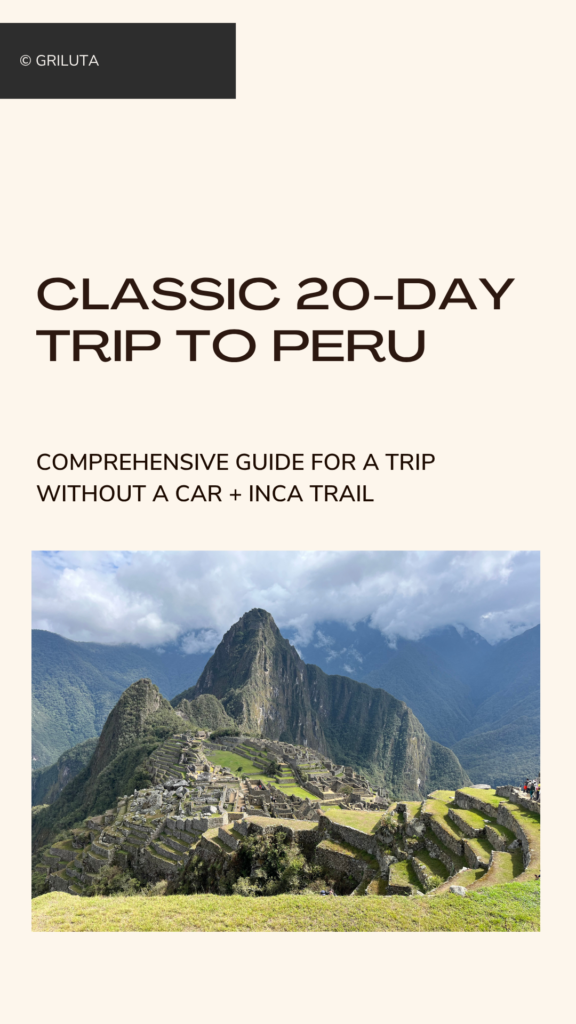
Travel Without Chaos: Peru — Classic 20-Day Itinerary Without a Car (+ Inca Trail)
Classic 20-Day Trip to Peru — Complete PDF Guide