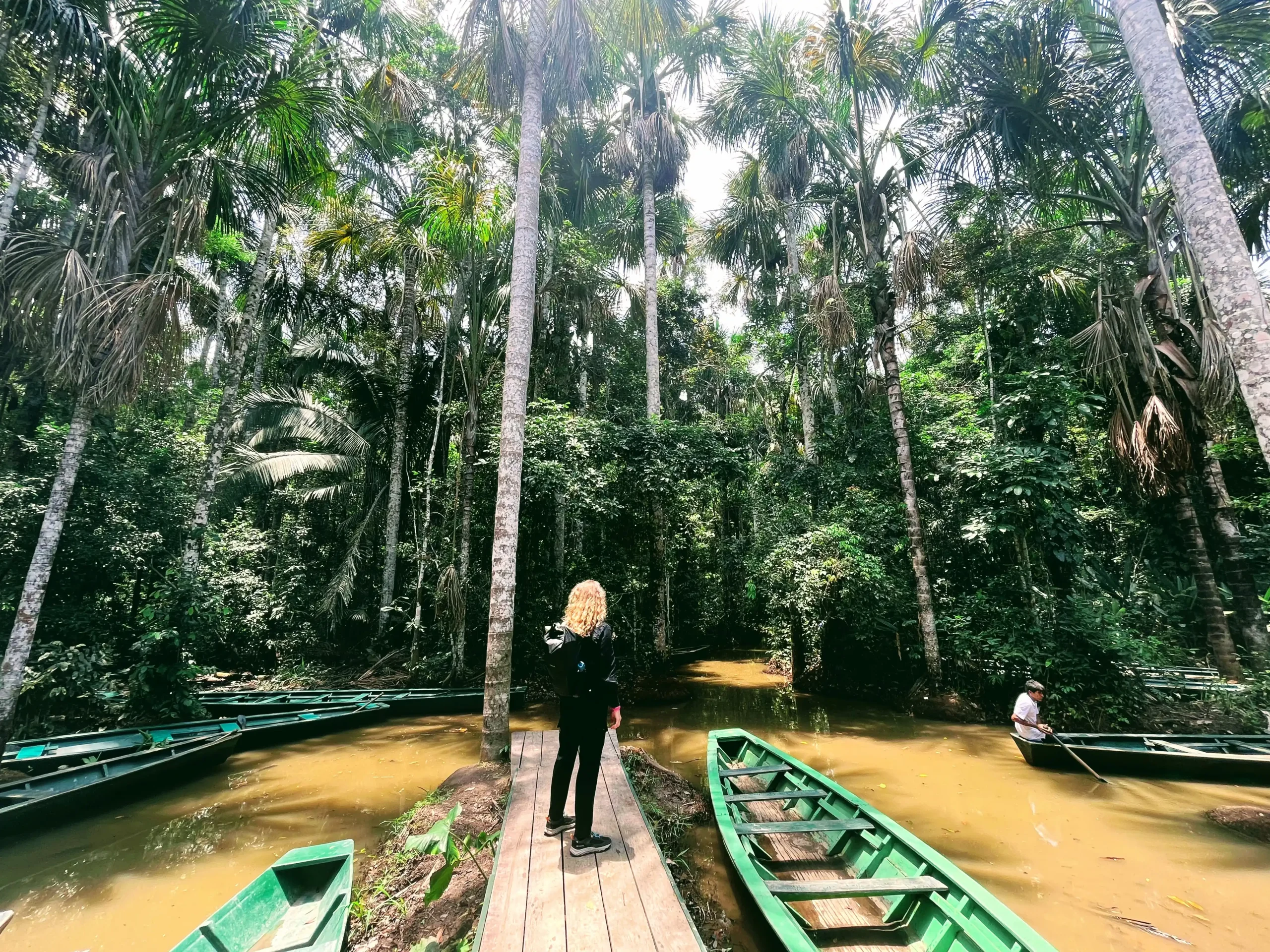
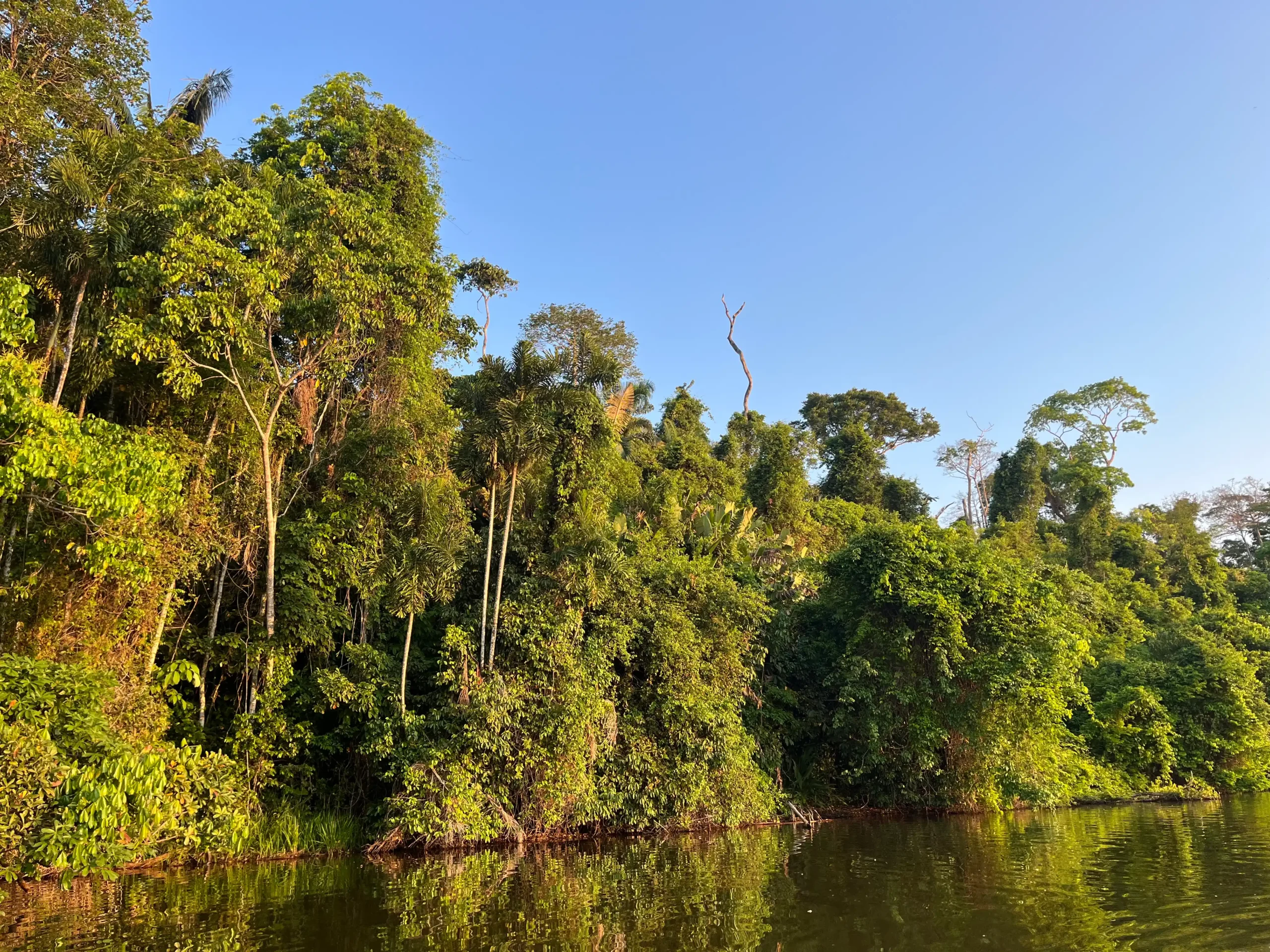
Picture this: yesterday you were shivering with cold in the Andean highlands, and today you’re sitting in a boat, the air hot and humid like a sauna, while monkeys leap between the branches on the bank. That’s exactly the contrast the Peruvian Amazon offers — a place where biodiversity is so dense that in two days you’ll see more animals than in the whole rest of your trip. The main gateway to this world is the town of Puerto Maldonado, tucked at just 183 metres by the Madre de Dios River.
Some links in this article are affiliate links. If you book through them I earn a small commission, at no extra cost to you.
Contents
- How to reach the Amazon jungle and Puerto Maldonado
- Choosing a lodge: where to stay in the jungle
- What you'll see: animals, birds and caimans
- A typical day at the lodge
- A night with a local community: the other side of the Amazon
- What two days in a community look like
- Health: malaria and yellow fever
- What to pack for the Amazon
- When to go to the Amazon
- How much the Amazon part costs
- FAQ
- Which lodge is best for wildlife?
- Is it safe in the Amazon jungle?
In this guide I’ll tell you how to reach Puerto Maldonado, which lodge to choose by budget, what you’ll actually see (from caimans to macaws), why it’s worth spending at least one night with a local community, and how to prepare on the health front — malaria and yellow fever here aren’t empty fears. If you’re planning a wider route, all the logistics are laid out in our main Peru travel guide, and this Amazon part is its natural continuation.
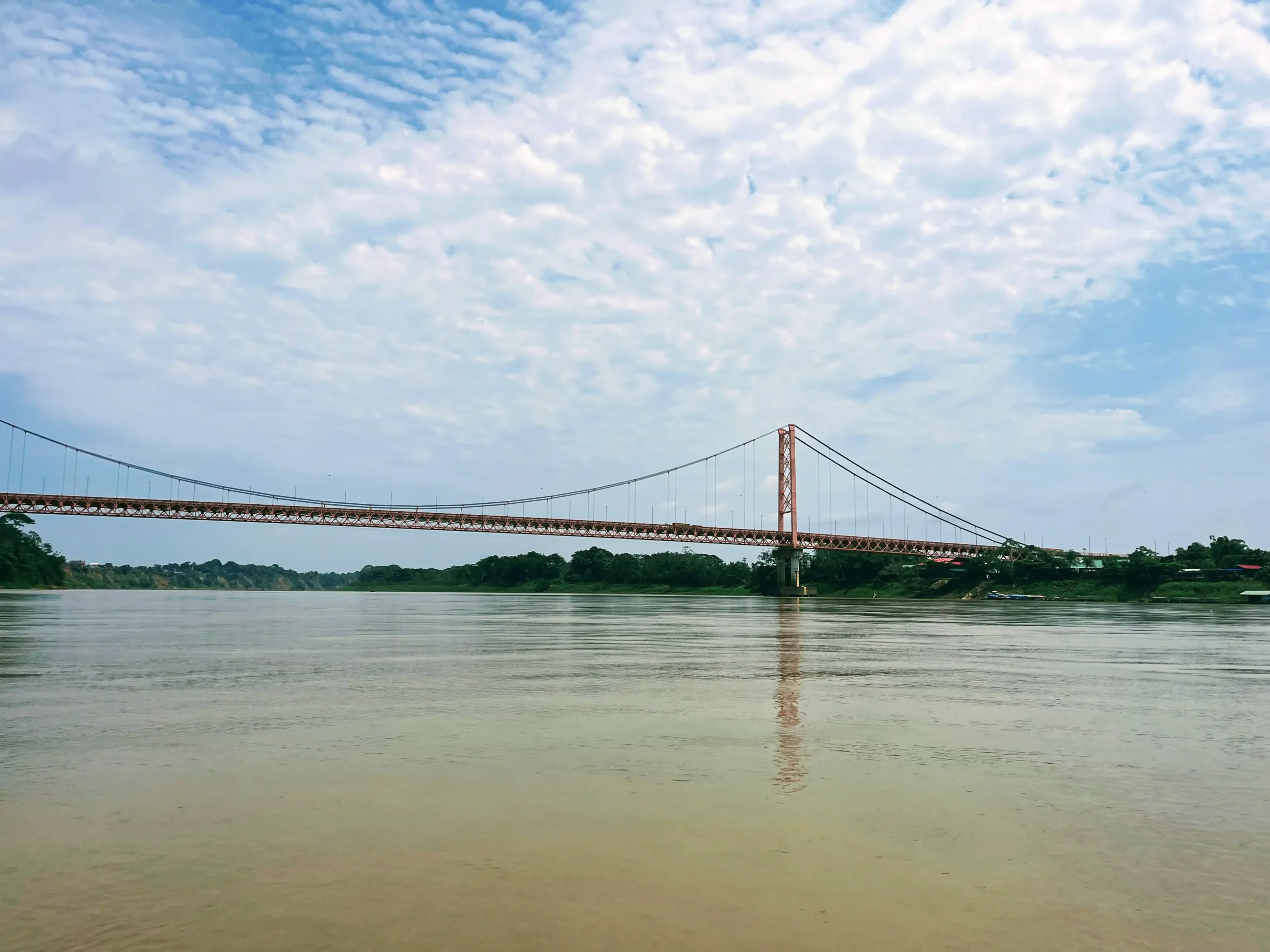
How to reach the Amazon jungle and Puerto Maldonado
You won’t drive to the Amazon — at least not in any sensible time. The only logical way to reach Puerto Maldonado is by flight. From Lima or Cusco the flight takes about 1.5 hours. If you’re travelling a longer Peru route and were in Arequipa before, the Arequipa → Puerto Maldonado flight also takes about 1.5 hours, but often with a layover in Lima, so be sure to check the schedule before buying your ticket.
The airlines flying this route are LATAM Peru, Sky Airline and Star Peru. The one-way fare usually ranges from 60 to 130 USD ≈ 115 €, depending on how early you book. The rule is simple: the closer to the date, the more expensive. Buy domestic flights right after your international tickets.
Search for flights here.
The best news is that from the airport to the lodge you won’t have to organise anything yourself. The transfer from the airport to the jungle lodge is almost always included in the accommodation price — they’ll meet you by boat or jeep. You just fly in, find your lodge’s representative with a sign, and set off deeper into the forest. If the transfer isn’t included, you can book it here.
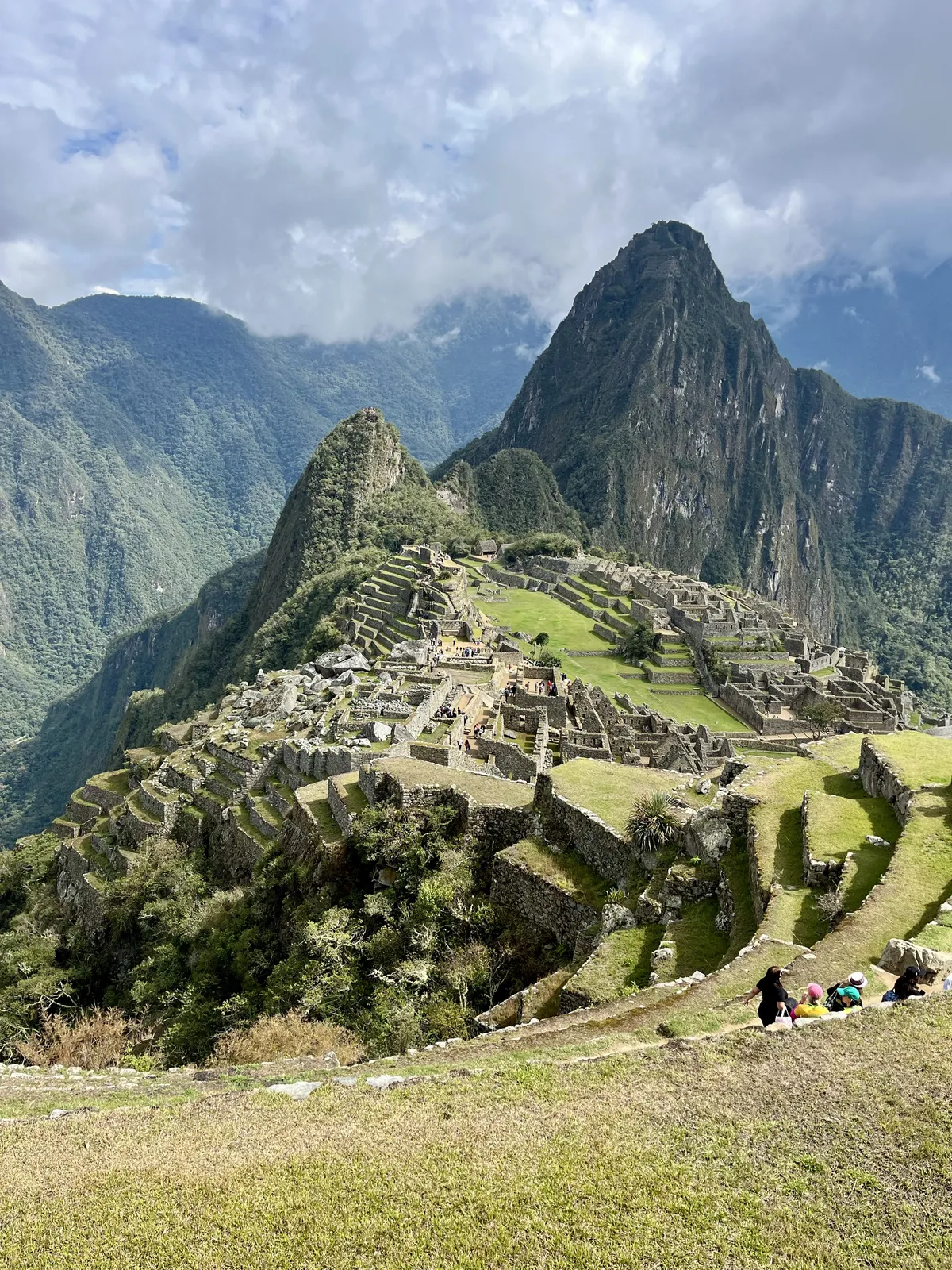
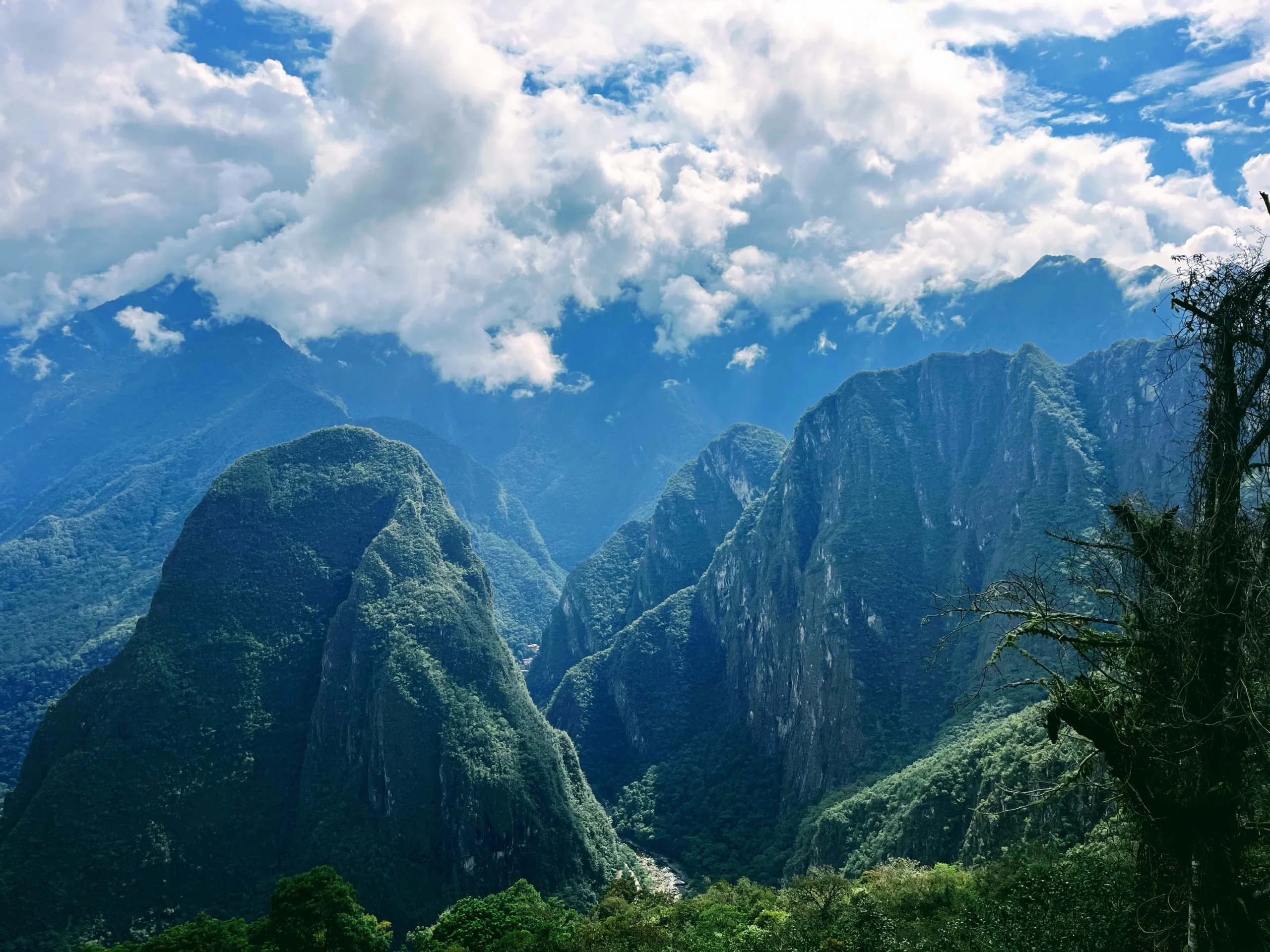
One nuance worth taking into account — the temperature and altitude jump. If you arrive straight from the Andes (say, from 2,335 metres), you descend to just 183 metres, the temperature rises by about 15 degrees, and the humidity simply doubles. Through the plane window, instead of bare mountains you suddenly see thick, impenetrable green. Your body feels it instantly: this is another world.
A practical tip about connectivity: in the mountains and jungle, mobile signal is weak or non-existent. Get an eSim plan— the signal works great in Lima or Cusco, but in the Amazon don’t rely on the internet. That’s even good — you’ll spend a few days screen-free, and lodges and tour organisers in Peru usually communicate via WhatsApp, so sort out all your correspondence while still in town, before heading deeper.
Choosing a lodge: where to stay in the jungle
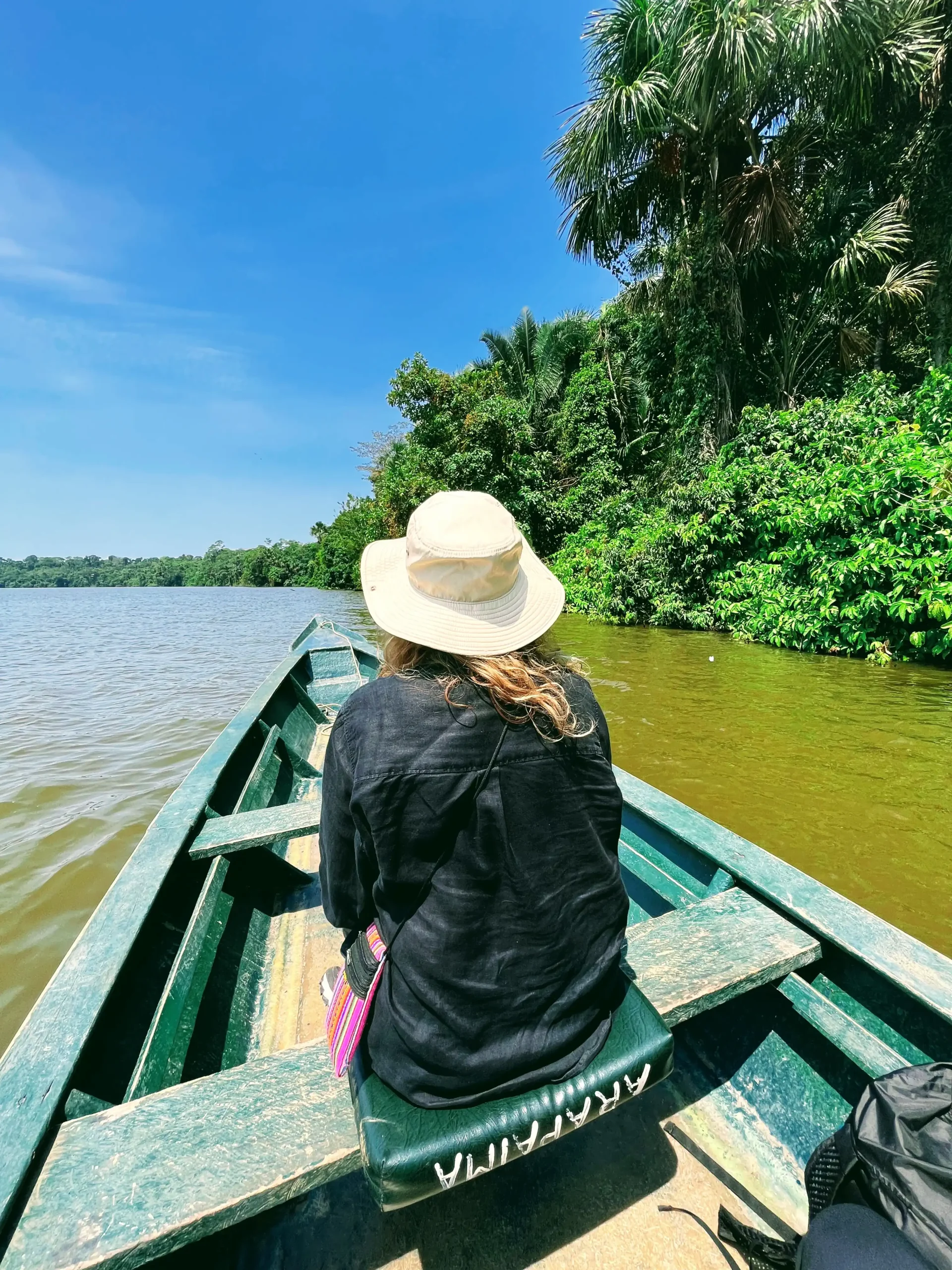
A lodge in the Amazon isn’t just a place to sleep, it’s the whole point. How much wildlife you see depends directly on which one you choose. The main rule is easy to remember: the further from the town of Puerto Maldonado, the more wild animals. Closer to the town is more convenient and quicker to reach, but the human impact is also greater. Deeper in the forest there’s quiet, richer fauna and the feeling that you’re truly in a wild place.
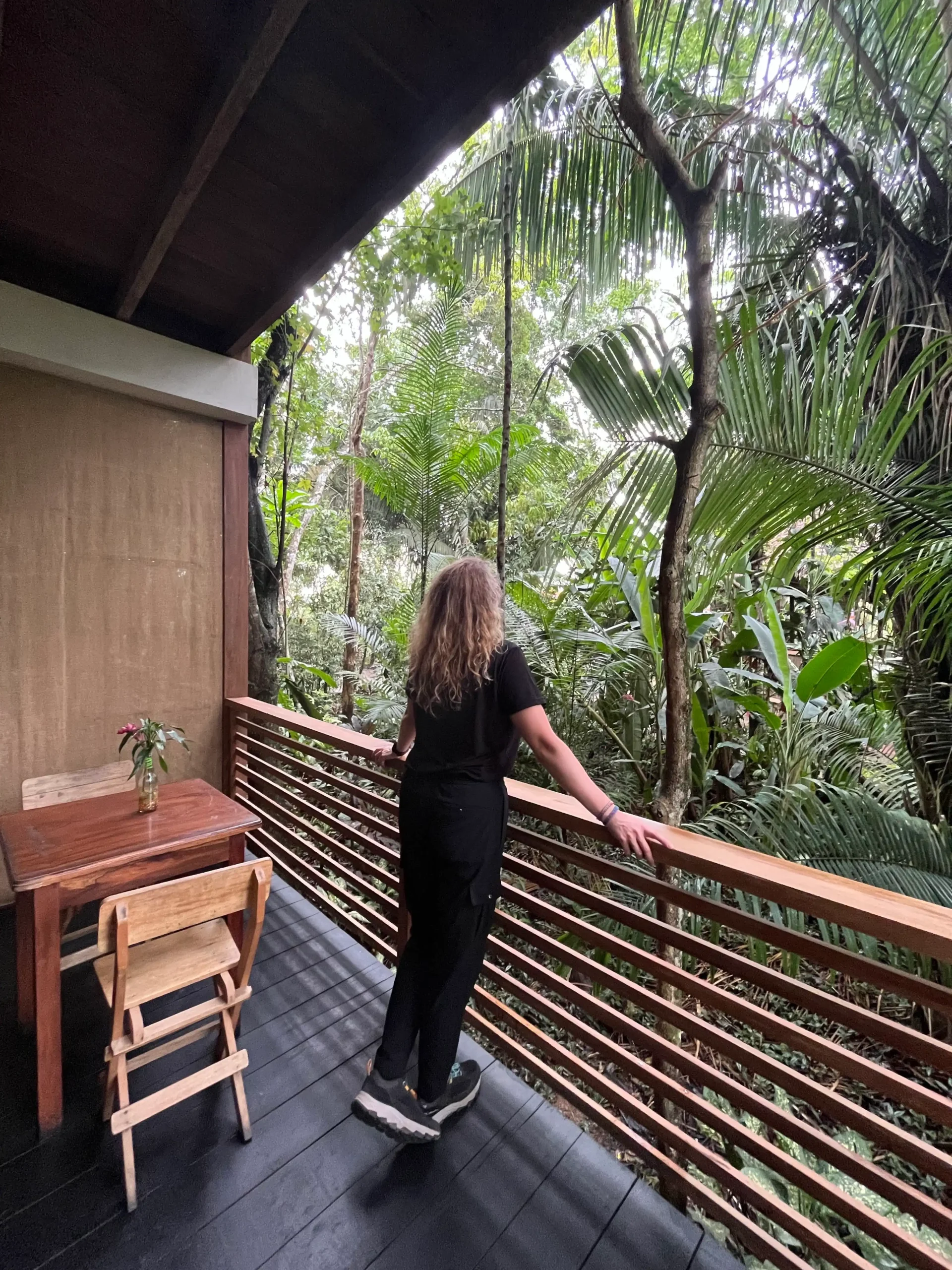
One pleasure that applies to almost all jungle lodges — the price is usually “all-inclusive.” That means the transfer, guided excursions and all three meals are included per night. You’ll eat three times a day together with the other guests, so you won’t have to worry about restaurants separately.
| Lodge | Price per night | What it offers |
|---|---|---|
| Inkaterra Reserva Amazónica | ~200–350 USD ≈ 315 € (all-inclusive) | Luxury, right on the Madre de Dios River |
| Refugio Amazonas | ~150–200 USD ≈ 180 € | Mid-level, good access to nature |
| Tambopata Research Center | ~180–250 USD ≈ 225 € | Deepest in the forest, the most wildlife |
If you want comfort and the easiest access, Inkaterra Reserva Amazónica is your option — a luxury lodge right on the Madre de Dios River. If you’re looking for the golden mean between price and nature, Refugio Amazonas lives up to expectations. And if wild animals are the main goal of the trip and you’re not afraid of a longer boat ride deeper in, the Tambopata Research Center is the furthest out and therefore has the richest fauna.
When choosing a lodge, think not just about the price but also about how much time you want to spend travelling to the place. Further lodges mean a longer boat ride — sometimes an hour or more. But that ride is often the first excursion, during which you already see birds and animals grazing on the bank. Lodges and any hotels are worth booking 2–3 months before the trip, especially if you’re going in the popular season.
More hotels here.
What you’ll see: animals, birds and caimans
The Puerto Maldonado region is one of the most biodiverse places in the whole country — and Peru is already among the most diverse countries in the world. What do you realistically have a chance of seeing over a few days?
- Macaws — brightly coloured parrot relatives that gather in flocks in the morning. Seeing a swarm of them in a tree is one of the most memorable sights.
- Toucans — with huge bright beaks, perched in the treetops.
- Caimans (crocodiles) — best seen during a night boat ride, when the guide’s torch catches the reflection of their eyes in the dark.
- Capybaras — the world’s largest rodents, grazing calmly on the riverbanks.
- Piranhas — yes, the very ones everyone has heard about.
- Jaguars — very rarely lucky to see, but their presence in the region makes every hike intriguing.
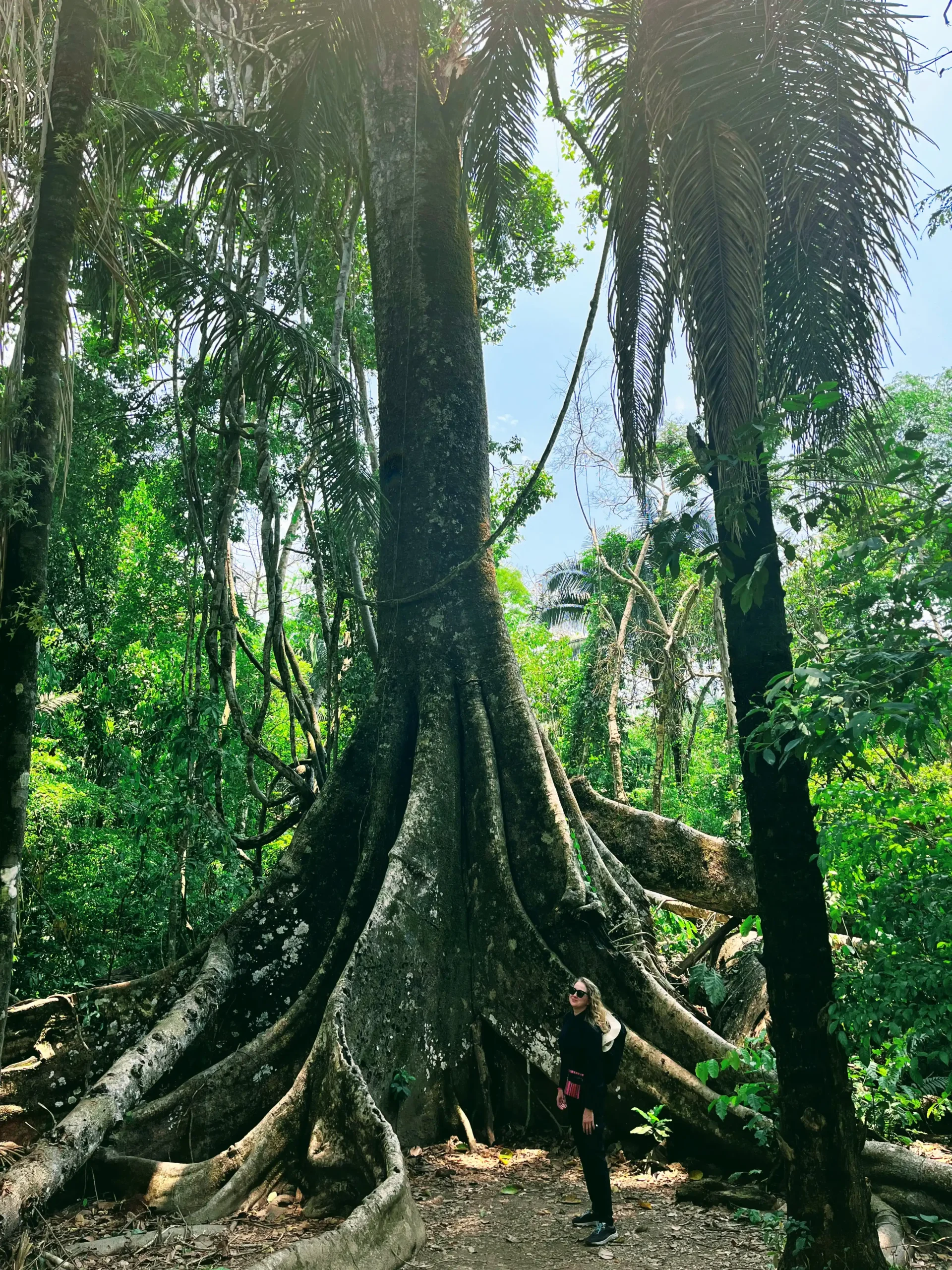
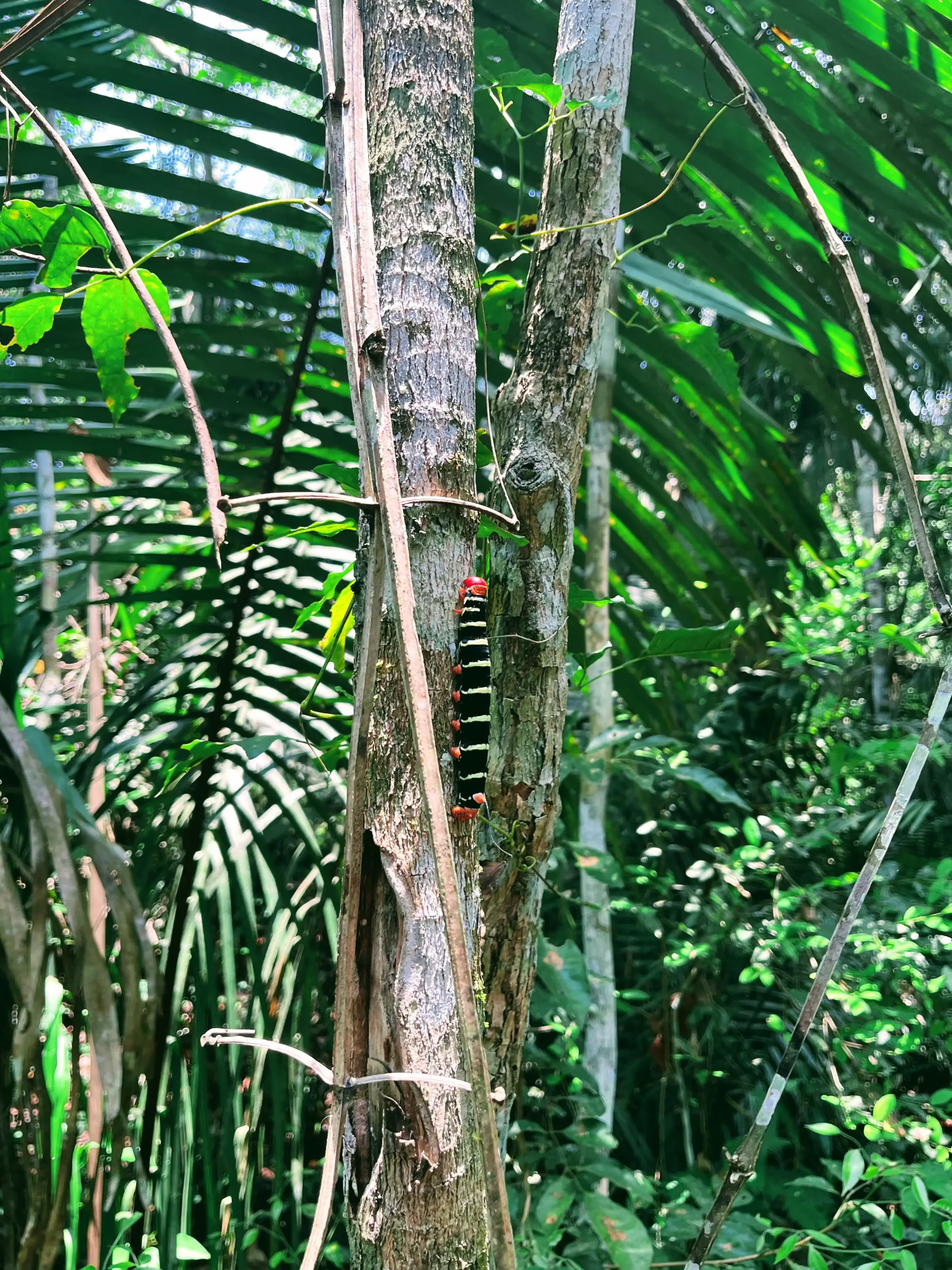
Add to all this the night frog concerts, insects and medicinal plants the guide will tell you about during the hike. Wildlife watching usually happens in two ways — on foot through the forest and by boat on the water. The evening at the lodge often ends with a night nature walk or caiman-watching from a boat.
Worth remembering one thing: the jungle isn’t a zoo. No one can guarantee you’ll see a particular animal, and that’s exactly why every appearance becomes a small victory. The best time to watch is early morning, while it’s still cool and the animals are most active. That’s why in the jungle you get up early: the earlier you head out onto the trail, the more you see. Bring binoculars if you have them — many birds and monkeys sit in the treetops, far from the ground.
A typical day at the lodge
The first day in Puerto Maldonado usually looks like this: a morning flight, arrival and transfer to the lodge, settling in and a short orientation. In the afternoon the first excursion awaits — usually a short tour around the lodge’s surroundings so you can get used to it. In the evening — dinner, and after it a night nature walk or crocodile-watching by boat. Keep the DEET repellent within reach from the very first minute.
A night with a local community: the other side of the Amazon
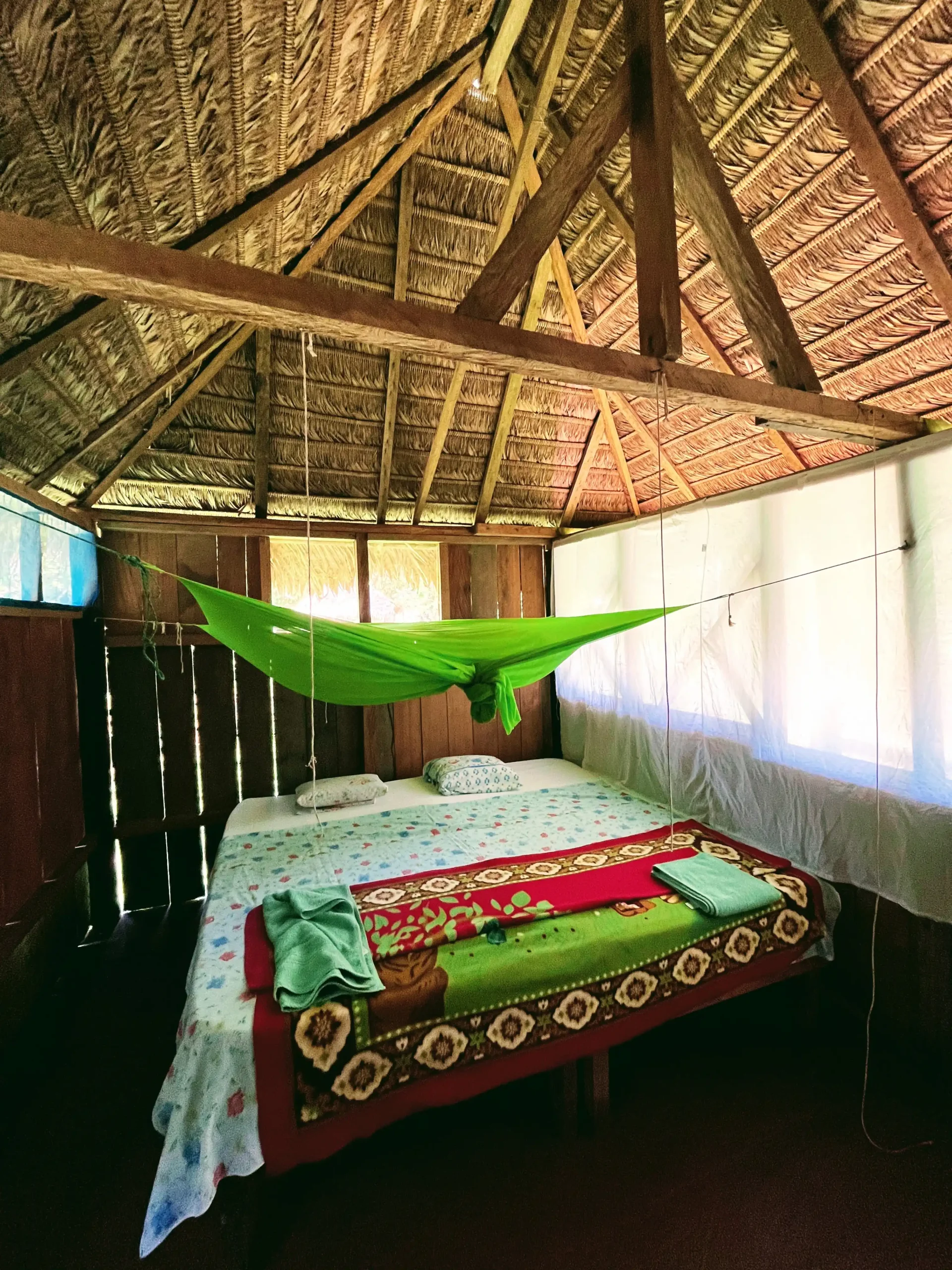
If a luxury lodge is one experience, a night with a local community is a completely different one. It’s a two-day organised excursion with an overnight stay in simple but authentic houses on the edge of the jungle. Not a hotel with towels and a minibar, but a community-tourism experience — real contact with people whose lives have changed little over centuries.
You sleep in the same huts as the people born here. Morning begins with jungle sounds through a glassless window. The guide shows you plants not from a book but from the memory his father passed to him.
The local guide knows the forest like his own yard — where a snake crawled, which liana you drink from when short of water, where the macaws gather in the morning. You won’t read such knowledge in any guidebook. The excursion is organised through agencies in the town of Puerto Maldonado, and the whole programme is led by a local guide.
One example of the excursions is here.
This is an experience for people looking not for pampering but for real contact. Community tourism in the Amazon isn’t entertainment — it’s a way to see how people whose everyday life has changed little over long centuries really live. If you’re choosing between a luxury lodge and a community stay and aren’t sure, the question is simple: do you want comfort or authenticity? Ideally the trip fits both — a few nights at a lodge and at least one with a community.
What two days in a community look like
The programme covers both forms of movement — on foot through the forest and by boat or canoe on the lake. Here’s how the days lay out:
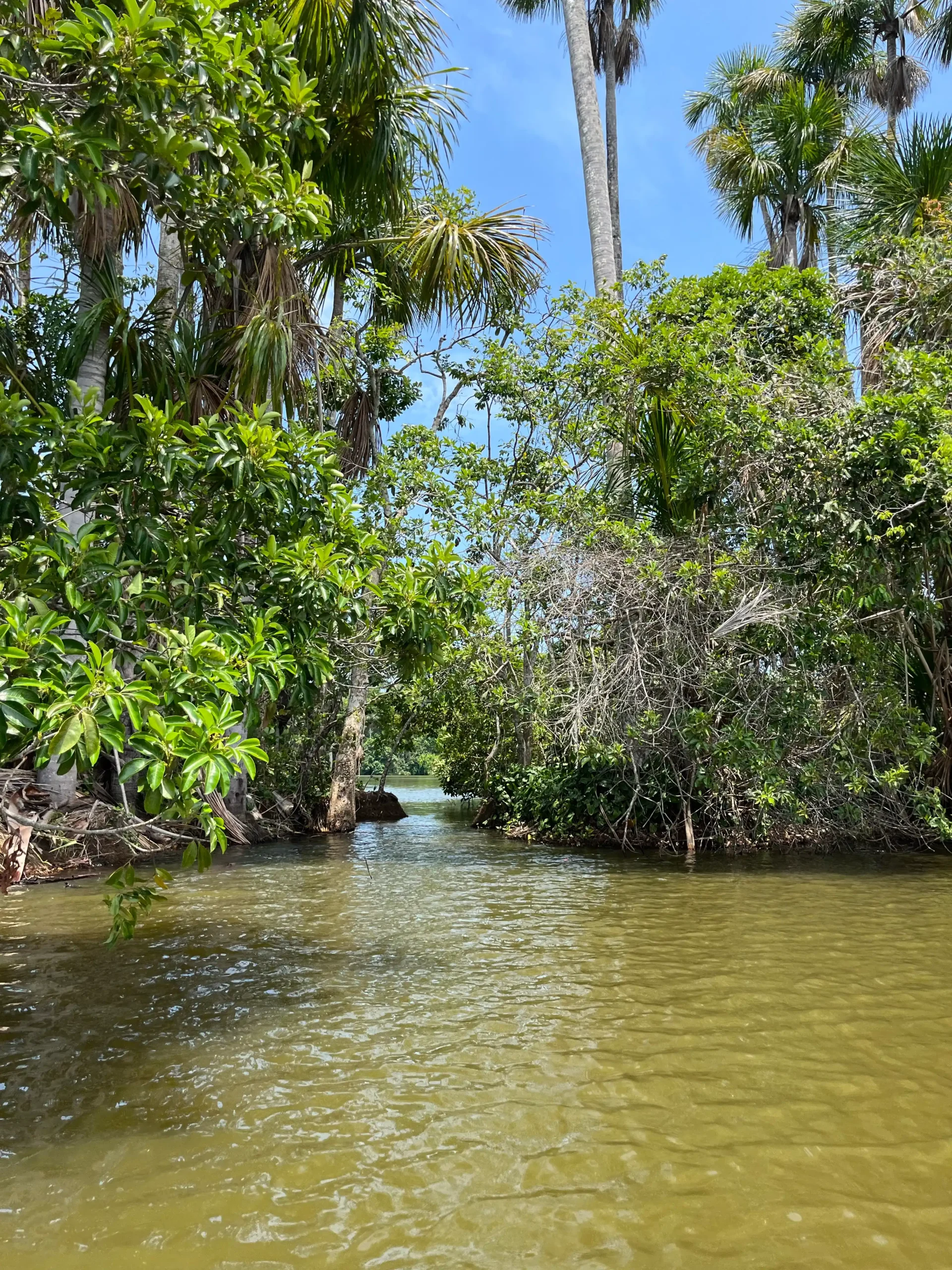
- Day one: in the morning you leave Puerto Maldonado with the guide, arrive at the community, settle in and get acquainted. The first walking safari — learning about animals, insects and medicinal plants. Lunch at the community houses. In the afternoon a boat ride on the lake (a few kilometres), where from the water you see caimans, capybaras and birds. In the evening — dinner with the community and an introduction to the local culture.
- Day two: an early walking safari — the jungle is most alive while it’s still cool. A second boat ride on the lake in a different direction, where you’ll meet other animals. In the afternoon — the return to Puerto Maldonado.
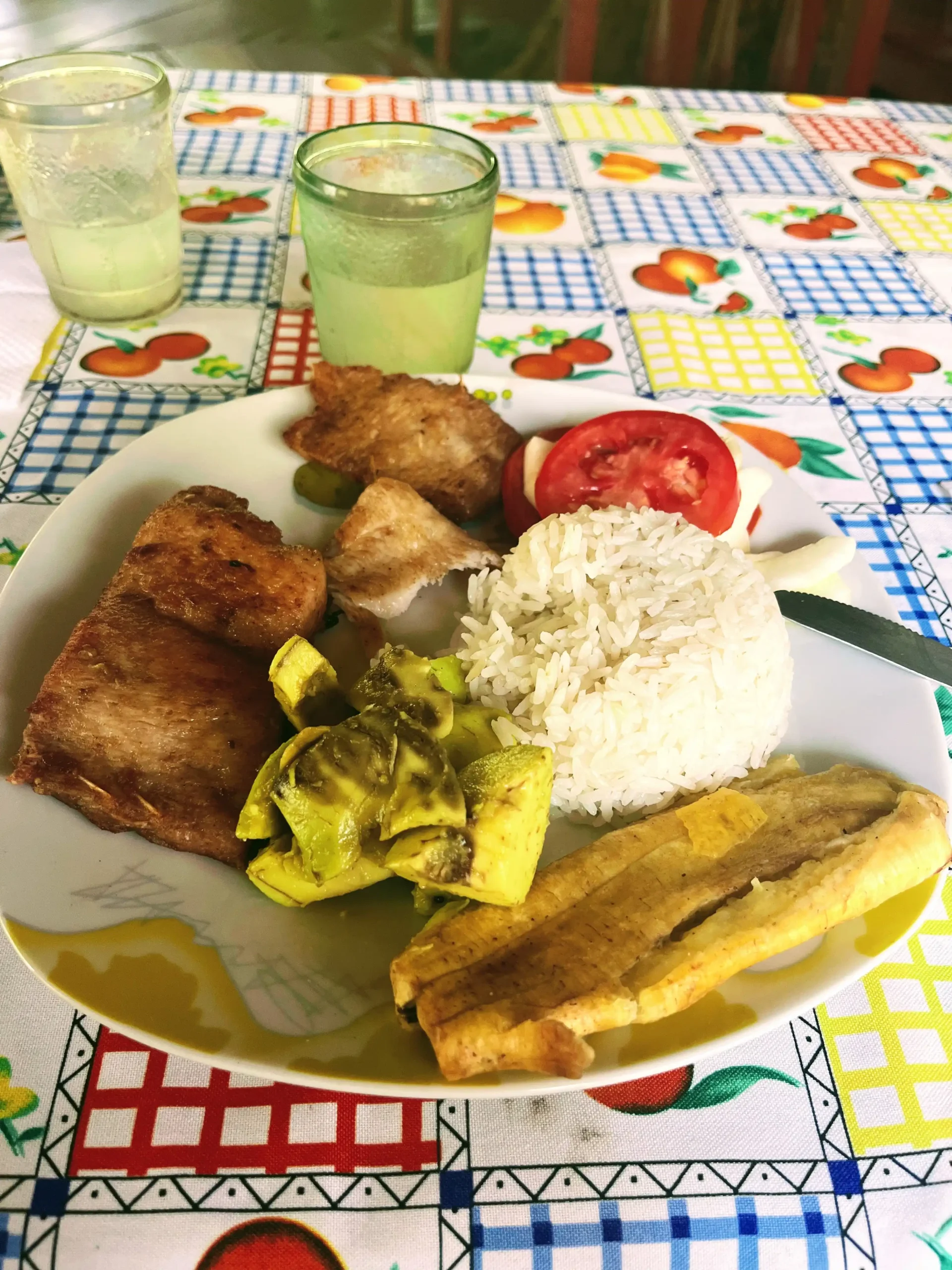
Meals are included, and it will be real local cuisine: fish from the river, yuca, plantains and fruit straight from the jungle. Not a restaurant dish, but a family table. Such a meal sometimes leaves a bigger impression than a luxury lodge dinner — simple, fresh and prepared with a story.
Two boat rides over two days is no accident: in the morning and evening the animals are most active, and in different directions you meet different fauna. Caimans are best seen at dusk, capybaras like calm banks, and birds circle over the water all day. It’s exactly this alternation — on foot through the forest, then by boat on the water — that gives the full picture of the Amazon.
| Expense | Price |
|---|---|
| Excursion (2 days: transport, guide, accommodation, meals) | ~80–150 USD ≈ 135 € |
| Tips for the local guide | ~10–15 USD ≈ 13 € a day |
Health: malaria and yellow fever
Here’s the part you can’t overlook. In the Andean highlands — Cusco, Puno, at Machu Picchu — there’s no malaria risk. But in the Amazon jungle, that is, in the Puerto Maldonado region itself, there is. So before the Amazon part of your trip, be sure to consult a travel medicine doctor about malaria prophylaxis medication. This isn’t a case where you can improvise on the spot.
The second important topic is yellow fever. When going to the Amazon lowlands it’s worth getting the vaccine, and a broader plan of vaccinations and health preparation, including hepatitis A, typhoid and other recommendations, is laid out in our article on the visa, vaccinations and preparing for the trip. The hepatitis B course takes as long as six months, so it’s worth going to the doctor well in advance, ideally 6–8 weeks before the trip.
Protection from mosquitoes here isn’t a question of aesthetics — it’s a health matter. Practical things:
- Use DEET repellents from the very first minute, right at the lodge.
- Dress in long sleeves and long trousers — less exposed skin, fewer bites.
- Drink water only bottled or filtered — never from the tap.
- When on the lake, stay with the group and don’t go into the deepest spots alone.
Malaria and yellow fever sound frightening, but with proper preparation the risk is reduced to a minimum. Thousands of travellers visit this region every year without any problems — they simply prepared.
What to pack for the Amazon
Humidity in the jungle is high all the time, and the temperature hovers around +30 °C. The lodge usually provides rubber boots and a torch, but it’s worth confirming in advance. Here’s what to pack yourself:
- Long trousers and long-sleeved shirts — protection from mosquitoes.
- DEET repellents (strong, not cosmetic).
- Malaria prophylaxis medication (if the doctor prescribed it).
- A waterproof bag for your phone or camera.
- Quick-drying clothes — the humidity won’t let up.
- Sandals or flip-flops for the evening at the lodge.
Don’t bring a big suitcase — lodges, boats and transfers demand mobility, so a backpack is always better than a wheeled suitcase.
When to go to the Amazon
An interesting thing: if we’re talking about the rest of Peru, the rainy season (November–April) should be avoided. But in the Amazon the opposite logic applies. During the rainy season the Amazon is often better than in the dry, and here’s why:
- The water level is higher — by boat you can reach deeper forest channels that are unreachable in the dry season.
- More animal activity.
- Fewer tourists and cheaper prices.
In the dry season (May–October) the water level is lower, so riverbank flora and fauna are easier to see from the shore. Both seasons have their advantages — so the Amazon part doesn’t narrow your trip plan the way the Andean highlands do. That said, note one thing: it will be humid and warm here at any time of year.
For most travellers the Amazon is the last stage of the trip after the Andes — a natural descent from the highlands to the lowlands. If you fought altitude sickness before, the good news is that in the lowlands it disappears completely; what to do in the highlands is written up in our article on altitude sickness in Peru, and the descent into the jungle becomes a kind of recovery for the body.
How much the Amazon part costs
Let’s lay out the budget concretely so you know what to expect. The biggest share is eaten by the lodge and the flight, while the community excursion is relatively inexpensive.
| Expense | Price |
|---|---|
| Flight to Puerto Maldonado (one way) | 60–130 USD ≈ 115 € |
| Lodge per night (all-inclusive) | 150–350 USD ≈ 315 € |
| Community excursion (2 days) | 80–150 USD ≈ 135 € |
| Tips for the guide | 10–15 USD ≈ 13 € a day |
One pleasant thing — at the lodge cash is almost unnecessary, since food and excursions are already included. But for the community excursion, tips and any purchases in Puerto Maldonado, take cash in advance. You won’t find ATMs in the forest, and small notes are always useful.
FAQ
How many days to give the Amazon jungle?
The minimum meaningful option is at least two nights, so you catch both an evening and an early-morning safari. If you choose the community-stay excursion, that’s two days with an overnight. The more time, the greater the chance of seeing rarer animals, but even two days already gives a full experience.
How much does a night at a jungle lodge cost?
A night at a lodge, all-inclusive, costs from 150 to 350 USD ≈ 315 €. That price usually includes the transfer, guided excursions and all three meals. A community-stay excursion (two days) costs about 80–150 USD ≈ 135 € separately.
Do you need malaria medication for Puerto Maldonado?
In the Amazon jungle, including the Puerto Maldonado region, malaria risk exists, so before the trip you must consult a travel medicine doctor about prophylaxis medication. In the Andean highlands there’s no such risk. It’s also worth considering the yellow fever vaccine.
How do you reach Puerto Maldonado?
By flight. From Lima or Cusco the flight takes about 1.5 hours, one way 60–130 USD ≈ 115 €. LATAM Peru, Sky Airline and Star Peru fly it. The transfer from the airport to the lodge is usually already included in the accommodation price. If the transfer isn’t included, you can book it here.
Which lodge is best for wildlife?
The rule applies: the further from Puerto Maldonado, the more wild animals. The furthest out, Tambopata Research Center (~180–250 USD ≈ 225 €) has the richest fauna. For comfort choose Inkaterra Reserva Amazónica (~200–350 USD ≈ 315 €), and for a balance between price and nature — Refugio Amazonas (~150–200 USD ≈ 180 €).
Is it safe in the Amazon jungle?
Yes, when you’re with a guide. The town of Puerto Maldonado is safe in the central area, and around the lodge a guide always accompanies you. The main rule — never walk in the jungle alone. When on the lake stay with the group, and to beat the mosquitoes use DEET repellents from the very first day.
The Peruvian Amazon is the part of the trip that stays in memory the longest — not because of postcard views, but because of the feeling of entering a living, breathing world. Plan your flight, choose a lodge by what you’re looking for, sort out the health matters in advance, and set off onto the Madre de Dios River. The rest of the trip logistics — flights, Machu Picchu, the highlands — await in our full Peru guide.
Travel Without Chaos: Peru — Classic 20-Day Itinerary Without a Car (+ Inca Trail)
Classic 20-Day Trip to Peru — Complete PDF Guide