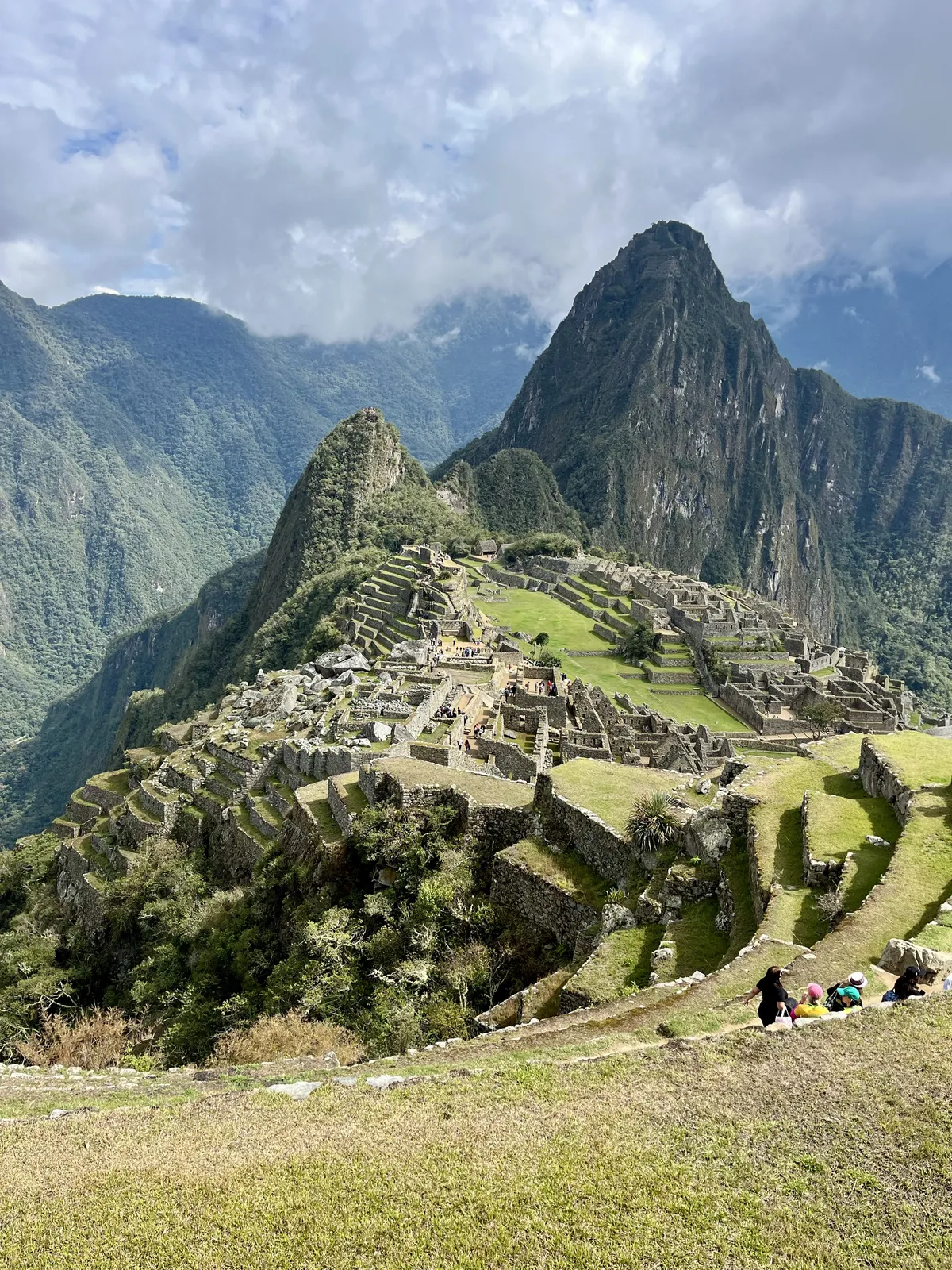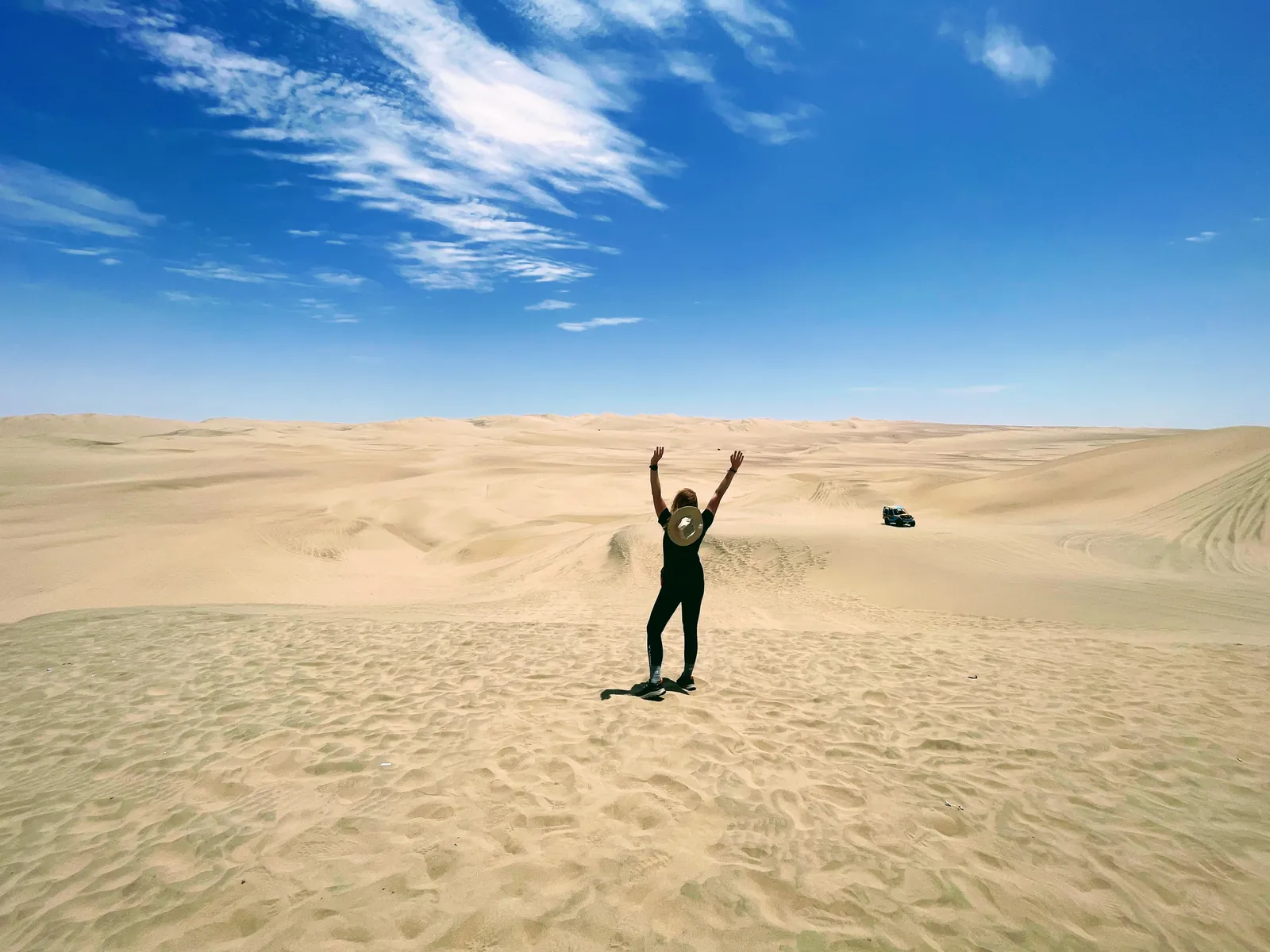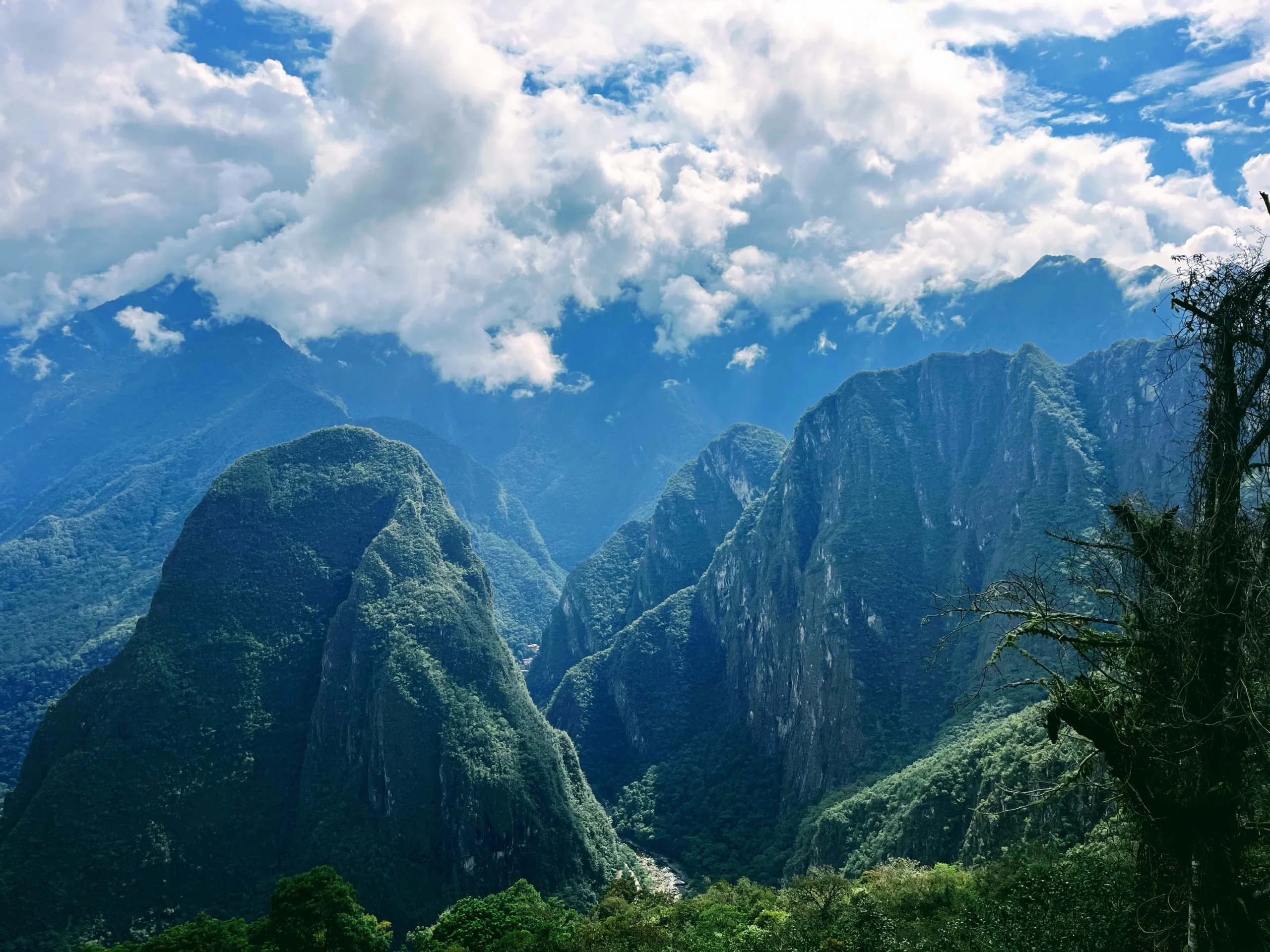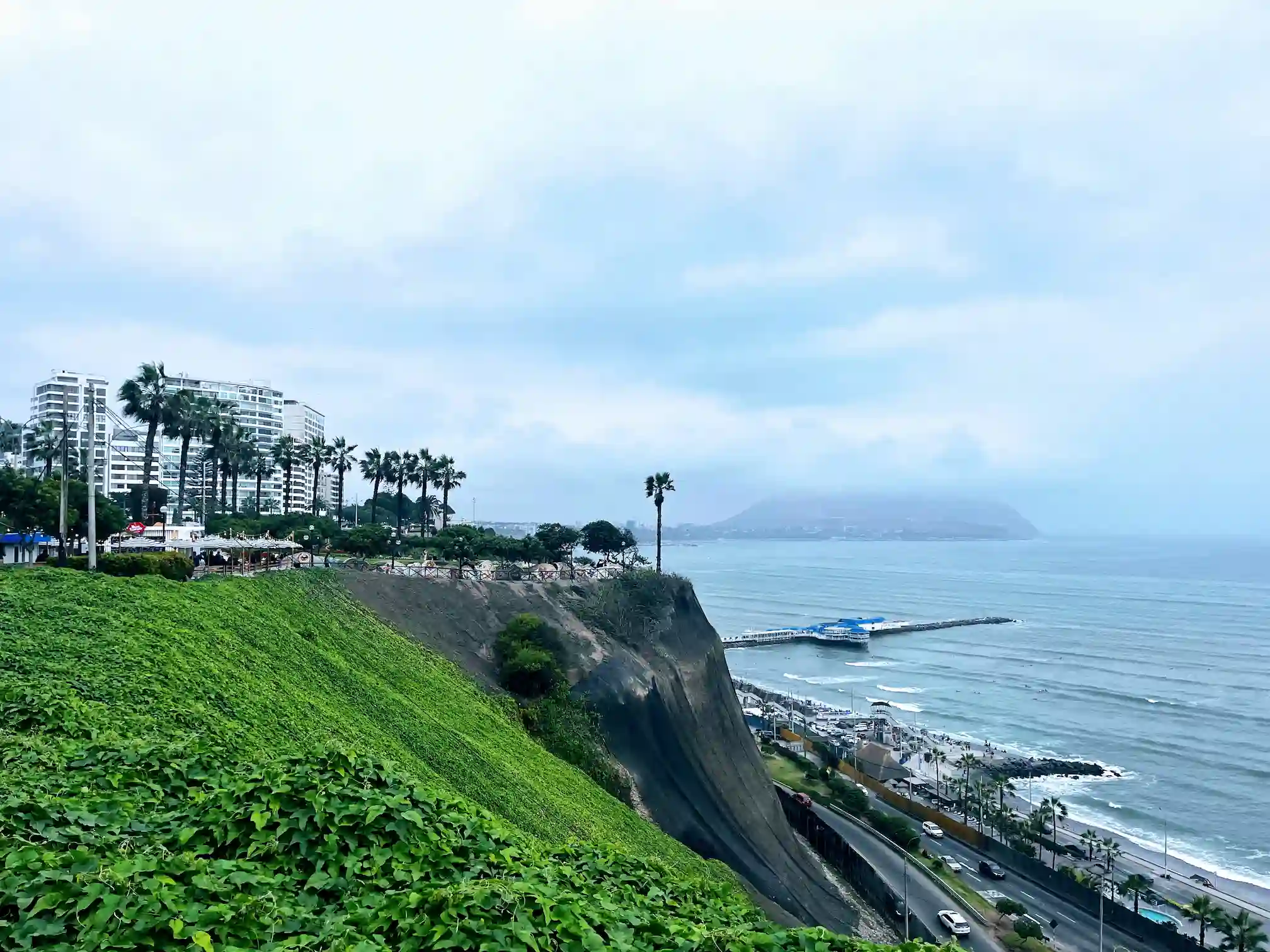
Lima was the city where I only planned to spend the night. Fly in, sleep, catch a plane to Cusco in the morning. The classic “transit city” plan. But after the first portion of ceviche at the Miraflores market and the first sunset from the cliffs above the ocean, I realised I’d made a mistake. Not because I was here, but because I’d planned not to be.
Some links in this article are affiliate links. If you book through them I earn a small commission, at no extra cost to you.
Contents
- Why Lima is worth more than just passing through
- Lima in 1 day: what to manage to see
- Lima in 2 days: a detailed plan
- Day 1 (the same as above)
- Day 2
- Miraflores: the safest and most popular district
- What to see in Miraflores
- Barranco: Lima's bohemian district
- What to see in Barranco
- Lima's old town (Centro Histórico): what to see
- What to see in the old town
- Lima food: ceviche, anticuchos and where to eat
- What you must try
- Where to eat (specific places)
- Where to stay in Lima on your own (districts + prices)
- Districts: where to live?
- Prices 2026
- Transport in Lima: from the airport and around the city
- From Jorge Chávez airport to Miraflores
- Getting around the city
- Safety in Lima: what a traveller should know
- Safe districts for travellers
- Practical safety tips
- FAQ
Lima is a huge, chaotic, noisy and at the same time stunningly beautiful city. You really don’t have to spend a week here, but 1–2 days? That’s the minimum worth giving it. In this article I’ve written up a concrete plan: what you’ll manage in 1 day, what to add over 2, where to eat, where to stay and how to move around the city safely. No empty words, with prices and addresses.
If you’re planning a whole Peru trip, not just Lima — start with my general guide to Peru.
Why Lima is worth more than just passing through
Many travellers treat Lima as a transit point: land, spend the night, fly to Cusco in the morning. I understand that logic. But here are a few reasons why it’s worth stopping longer:
Lima is a food capital. Not the food capital of Peru. Of the world. Here are 3 of the world’s 50 best restaurants (Central, Maido, Kjolle). But best of all: the street food and the simple ceviche are just as good and cost 10x less.
Lima is at sea level (0 m). If your final destination is Cusco (3,400 m) or Machu Picchu, Lima is the ideal place to begin the acclimatisation process without stress. The first night at sea level, then gradually up. I’ve written about altitude sickness in a separate article.
The contrast of three districts. Miraflores (the modern coast), Barranco (bohemian creativity) and Centro Histórico (colonial history) are three completely different worlds you can see over 1–2 days on foot and by taxi.
Lima in 1 day: what to manage to see
If you have only one full day — say you arrived last night and fly to Cusco and Machu Picchu tomorrow evening. How to get there on your own and buy tickets — I’ve written in detail. Here’s what I recommend:
| Time | What to do | District |
|---|---|---|
| 8:00–9:30 | Breakfast in Miraflores + a walk in Parque Kennedy | Miraflores |
| 9:30–11:00 | Malecón (the coastal path): Parque del Amor → Larcomar → paraglider viewing | Miraflores |
| 11:00–11:30 | Uber/taxi to Centro Histórico (~20–30 min) | — |
| 11:30–14:00 | Plaza Mayor, the Cathedral, the San Francisco catacomb church, the Jirón de la Unión passage | Centro Histórico |
| 14:00–15:00 | Lunch: ceviche at a cevichería or menú del día at a local eatery | Centro Histórico |
| 15:00–15:30 | Uber/taxi to Barranco (~20 min) | — |
| 15:30–17:30 | Barranco: street art, Puente de los Suspiros, galleries, Bajada de los Baños | Barranco |
| 17:30–19:00 | Sunset from the Barranco coast + dinner | Barranco |
| 19:00–20:00 | Uber back to Miraflores | — |
Important: this plan works better if you stay in Miraflores (most travellers do). Uber/taxi between districts costs S/8 ≈ 2 €–15 ($2 ≈ 2 €–4 USD ≈ 4 €).
Lima in 2 days: a detailed plan
The second day lets you catch your breath and add places that don’t fit into 1 day. Here’s how I recommend splitting them:
Day 1 (the same as above)
Miraflores morning → Centro Histórico → Barranco afternoon and sunset.
Day 2
| Time | What to do | District |
|---|---|---|
| 9:00–11:30 | Museo Larco (pre-Columbian art, a beautiful garden, calm) | Pueblo Libre |
| 11:30–12:30 | Taxi back to Miraflores, a light lunch | Miraflores |
| 12:30–14:00 | Huaca Pucllana (an Inca pyramid in the centre of Miraflores!) | Miraflores |
| 14:00–15:30 | Larcomar mall (not for shopping, but for the view from the cliffs) + coffee | Miraflores |
| 15:30–17:00 | Back to Barranco: MAC (contemporary art museum) or just wander with no plan | Barranco |
| 17:00–18:30 | Anticuchos on the street + sunset #2 (it’s always different) | Barranco |
| Evening | Pisco sour at a bar in Miraflores or Barranco | Depends on the mood |
Bonus, if you have 3+ hours of free time:
- Circuito Mágico del Agua (a fountain park, open in the evenings, ~S/4 ≈ 1 € entry). Beautiful, especially with children.
- Paragliding over Miraflores (~$70 ≈ 65 €–90 USD ≈ 80 €, a 10–12 min flight). The view from the air is incredible.
Miraflores: the safest and most popular district
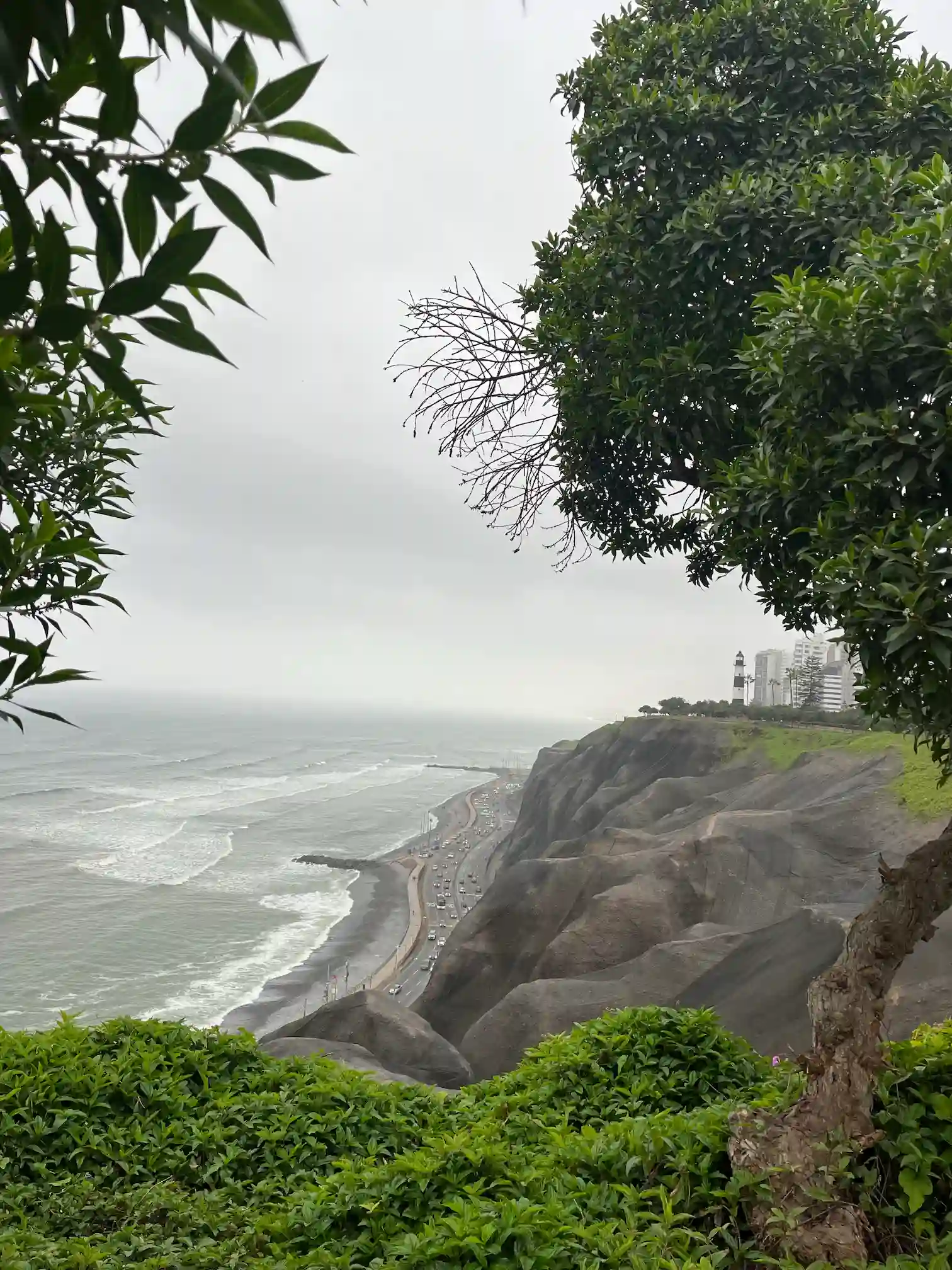
Miraflores is the part of Lima where most travellers stay, and for good reason: safe, beautiful, full of restaurants, and everything reachable on foot. The district stands on cliffs above the Pacific Ocean, and that coastline is one of the best things in Lima.
What to see in Miraflores
Parque Kennedy — the central square around which all Miraflores life revolves. Cafés, book sellers, street artists. And cats. Lots of cats. They live here officially, are cared for and enjoy the tourists’ attention.
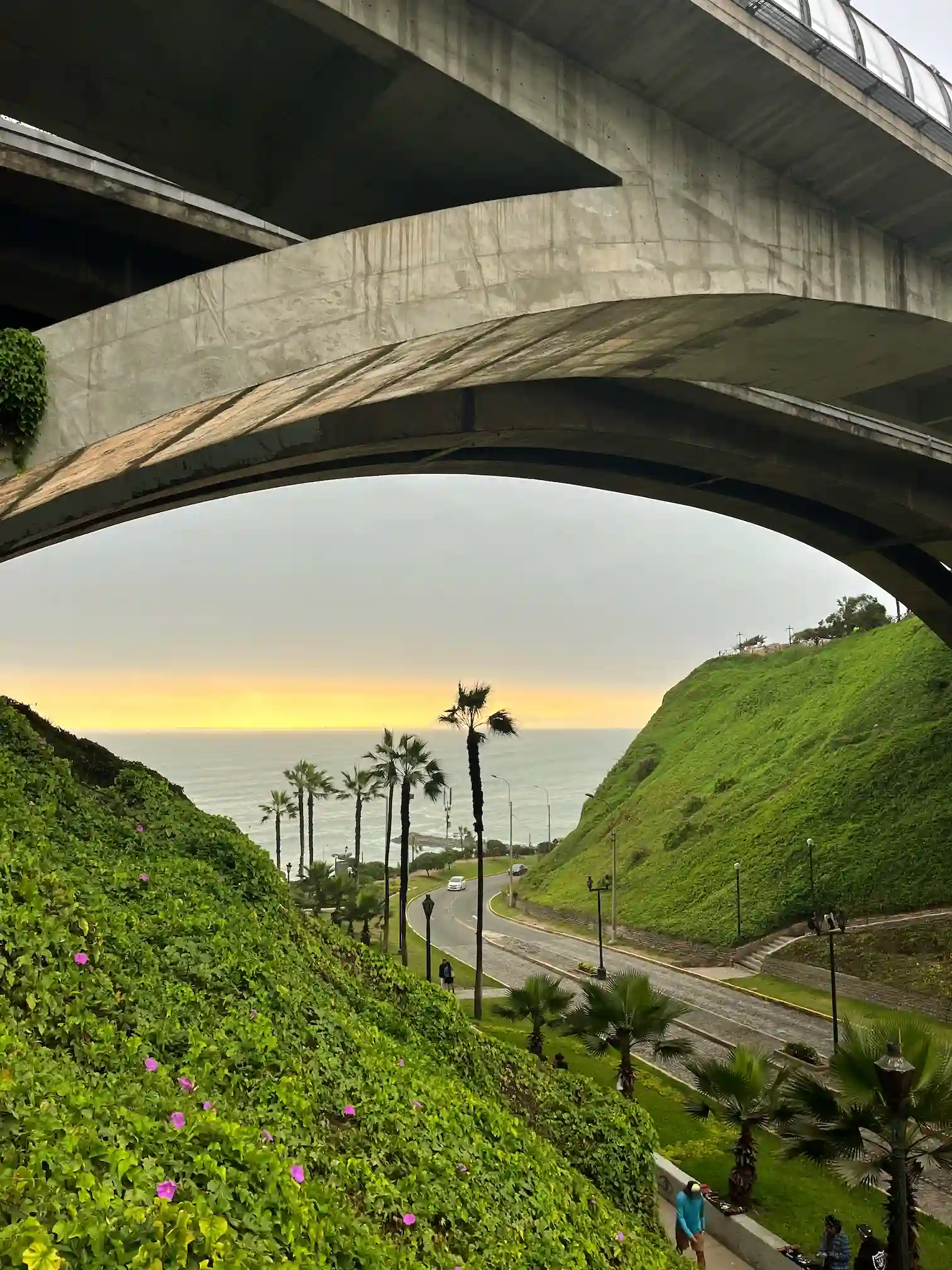
Malecón (the coastal path) — a ~10 km path on the cliffs above the ocean. You walk, run, cycle, while paragliders float alongside. The best stretch: from Parque del Amor to Larcomar.
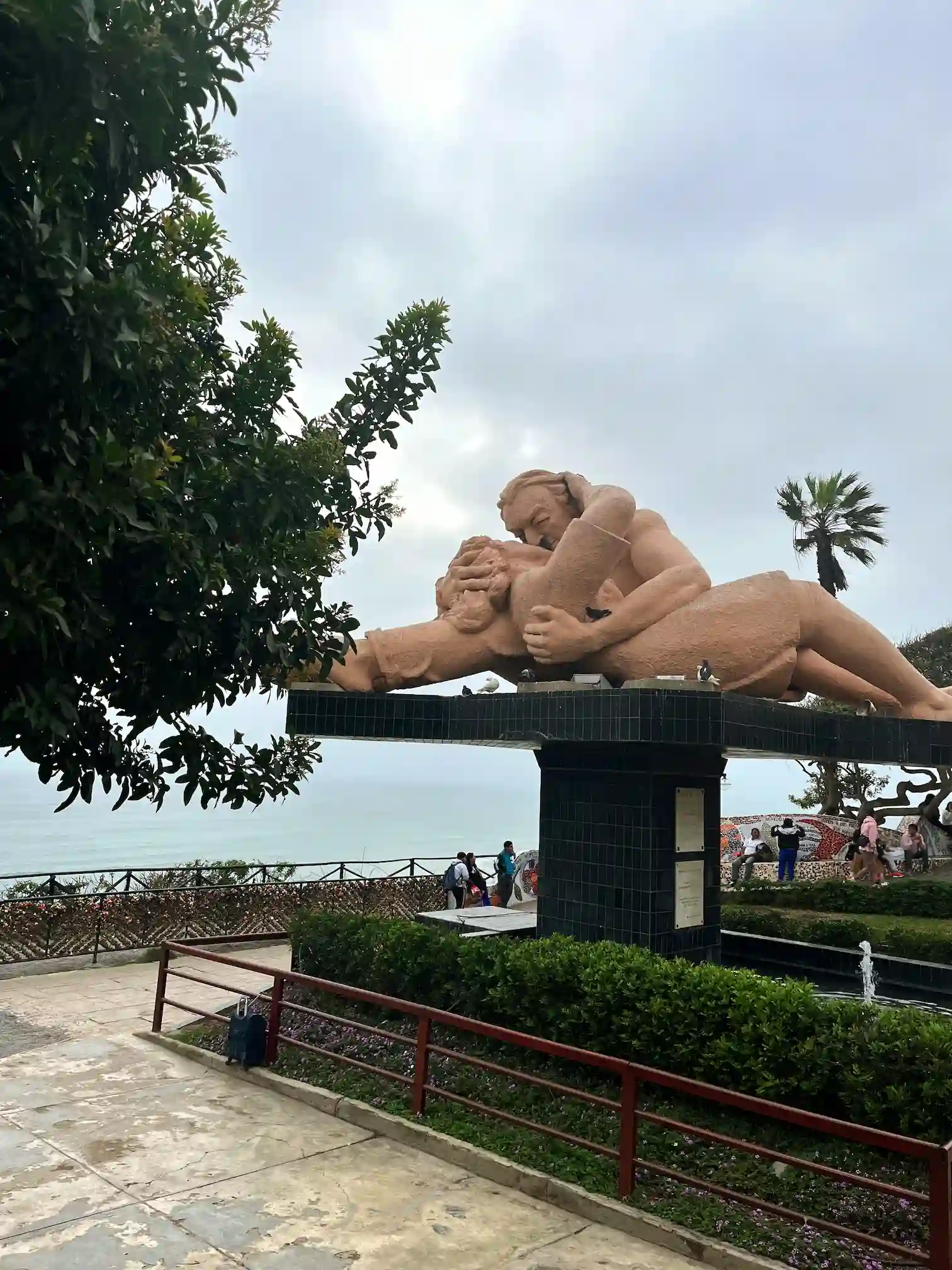
Parque del Amor — a small park with a huge kissing sculpture “El Beso” (a bit like Gaudí’s mosaics in Barcelona, only the Peru version). Colourful mosaic walls with love quotes. A good place to stop and look at the ocean.
Larcomar — a mall built into the cliff. The shopping itself is average (global brands), but the view from the terraces over the ocean is worth a cup of coffee. Here you can watch surfers right below you.
Huaca Pucllana — here’s what you don’t expect in the centre of Miraflores: a 1,500-year-old clay pyramid surrounded by modern buildings. The daytime tour is good, but the night one (with lighting) is far more striking.
A free walking tour — several companies offer free walking tours of Miraflores in English. The start is usually 10:00 at the Tourist Information Center in Miraflores. Duration ~2.5 h. A tip for the guide — 20–40 soles.
Barranco: Lima’s bohemian district
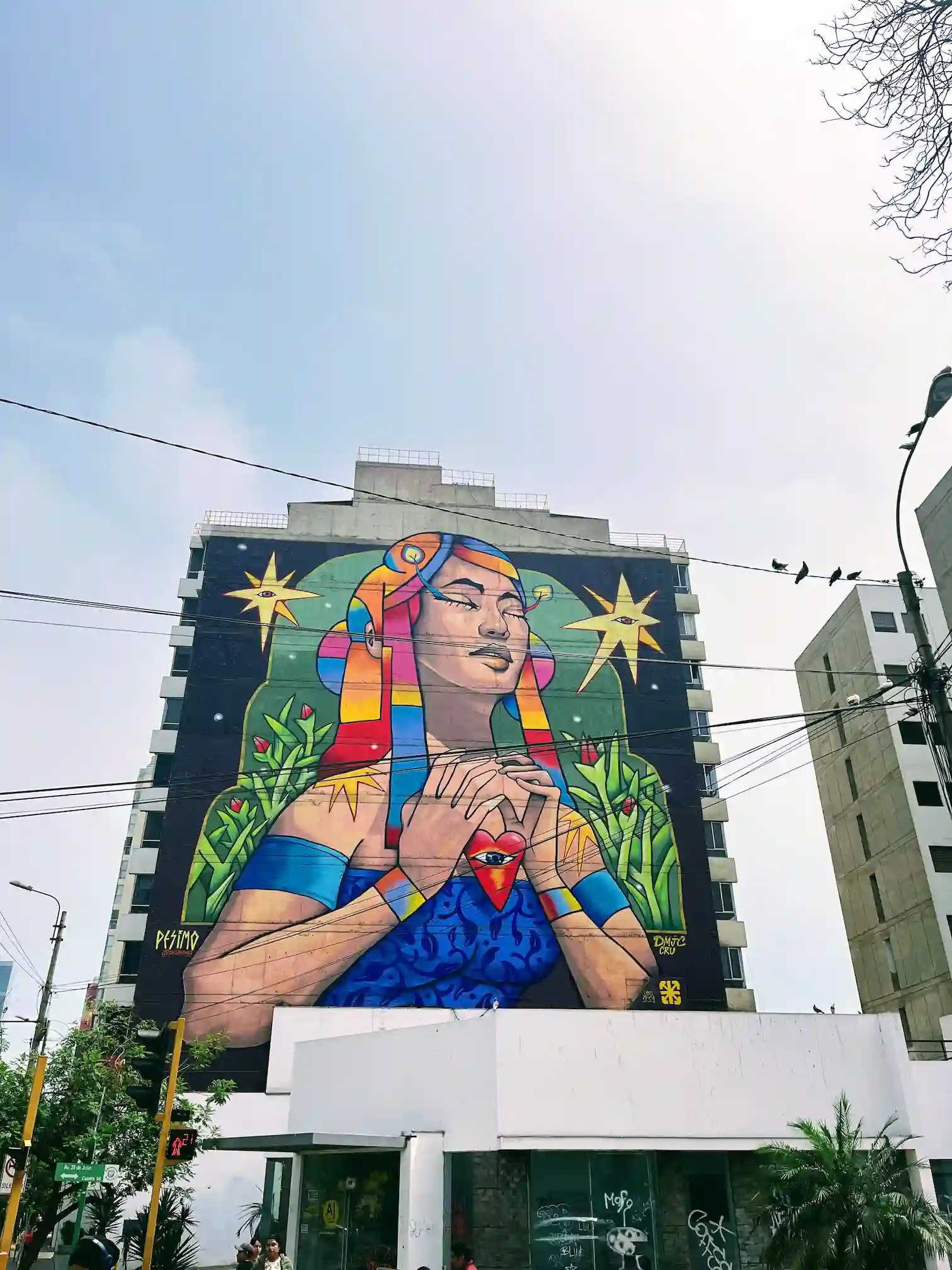
If Miraflores is the place where you live, then Barranco is the place where you want to live. It’s a bohemian, artistic quarter with street paintings on every wall, independent galleries, old villas and the atmosphere some cities try to create artificially, but here it just is.
What to see in Barranco
Puente de los Suspiros (the Bridge of Sighs) — a wooden bridge between colourful houses. Legend says: if you cross the bridge holding your breath and think of a wish, it will come true. I don’t know if it works, but it’s worth a try.
Bajada de los Baños — a path leading from the bridge down toward the beach. Colourful houses on both sides, bougainvillea bushes, and a feeling that you’re somewhere in the Mediterranean, not South America.
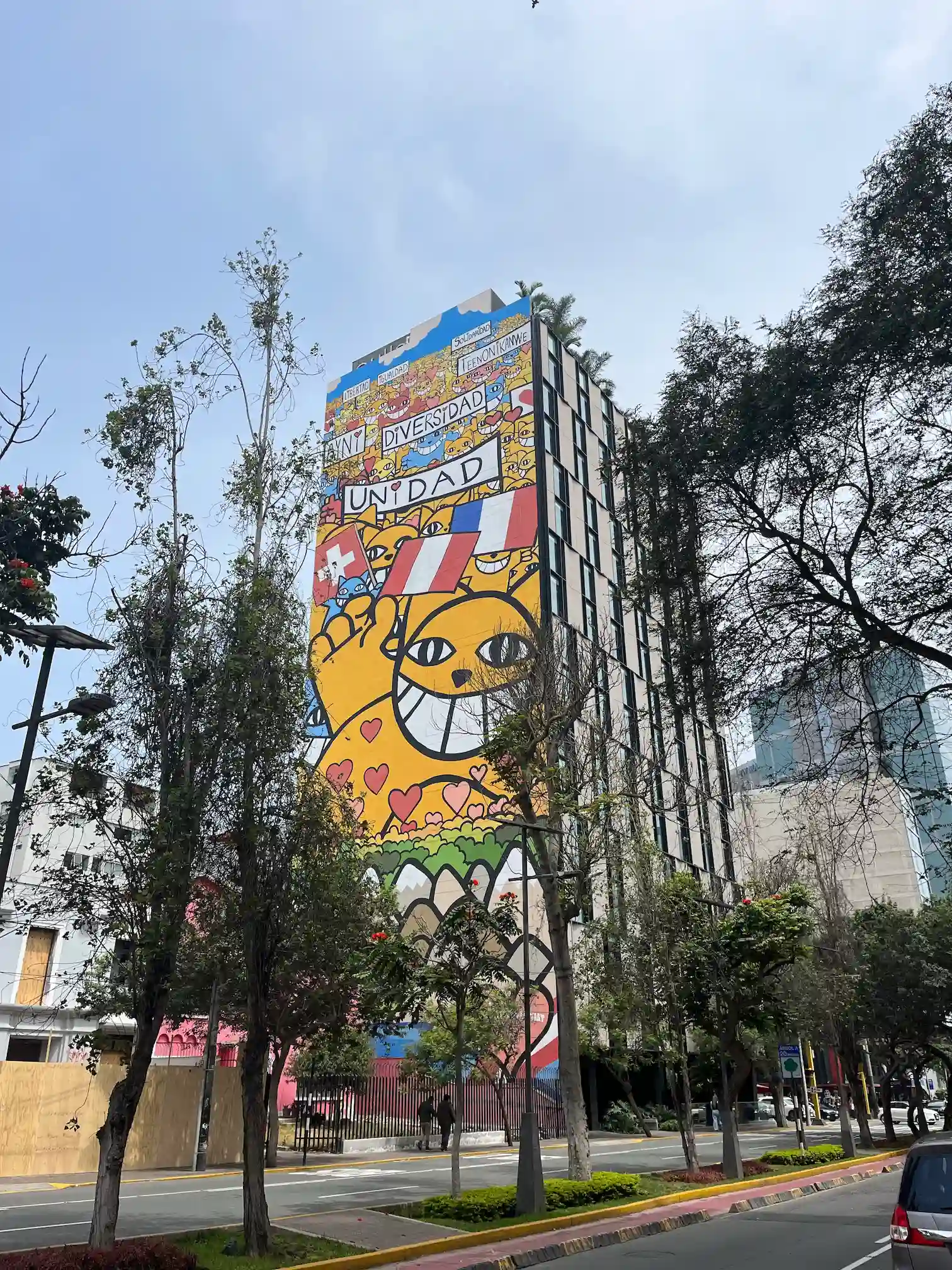
Street art — Barranco’s walls are an open-air gallery. Large murals, political paintings, abstract compositions. The best areas: Av. Grau, Av. Pedro de Osma and the side streets off Plaza de Barranco.
MAC (Museo de Arte Contemporáneo) — a contemporary art museum with changing exhibitions. Small, but of quality. Entry S/10 ≈ 3 € ($3 ≈ 3 € USD).
Dedalo — a large independent bookshop / gallery / café in one. You can sit in the courtyard with a coffee and buy something beautiful to take home.
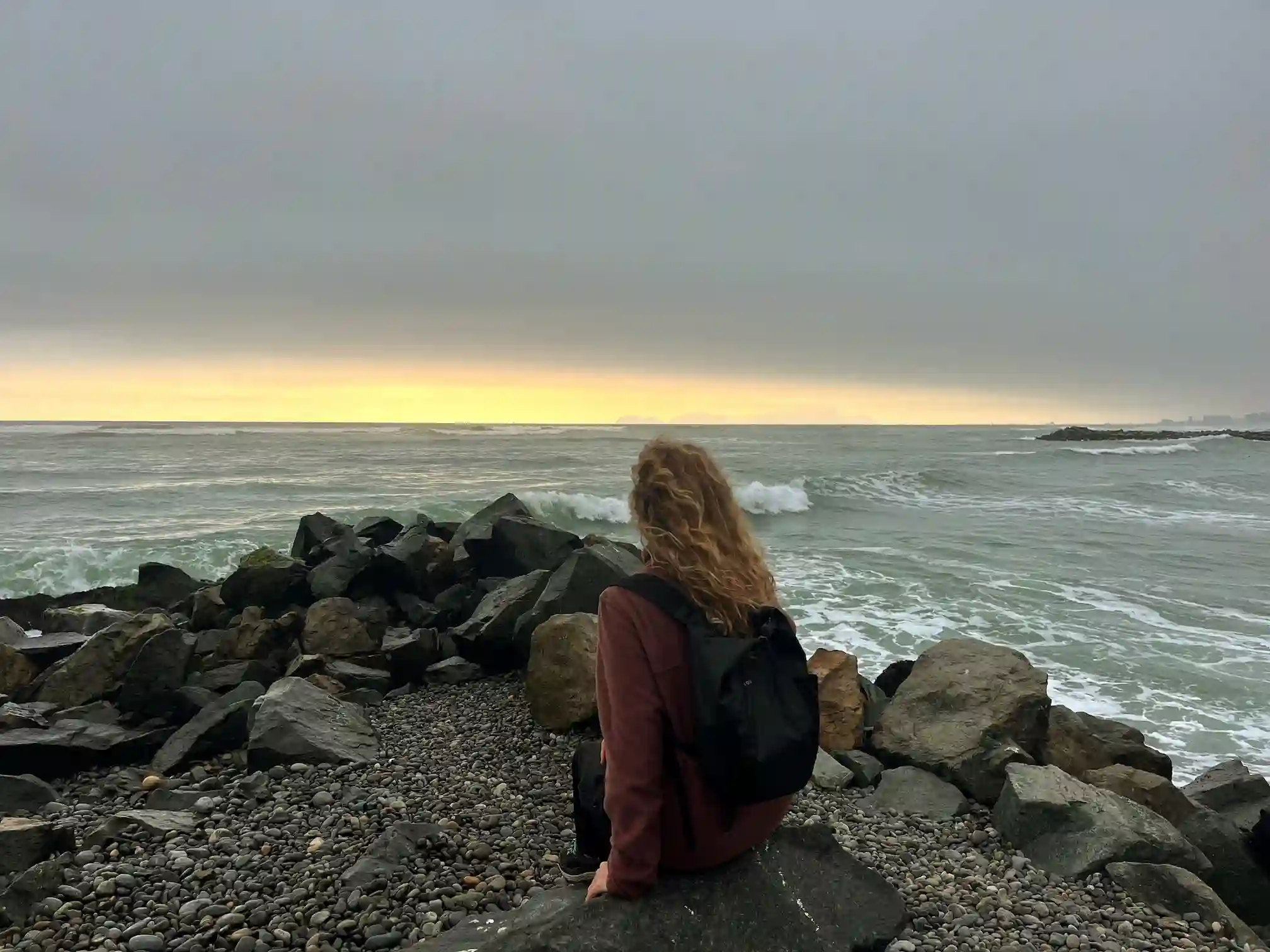
Sunset from the coast — Barranco has its own stretch of Malecón, connecting with Miraflores. The sunsets here are different every evening and incredible every evening.
How much time to give Barranco? 2–4 hours, depending on how much you like art galleries and how long you sit in cafés. I spent longer than I planned.
Lima’s old town (Centro Histórico): what to see
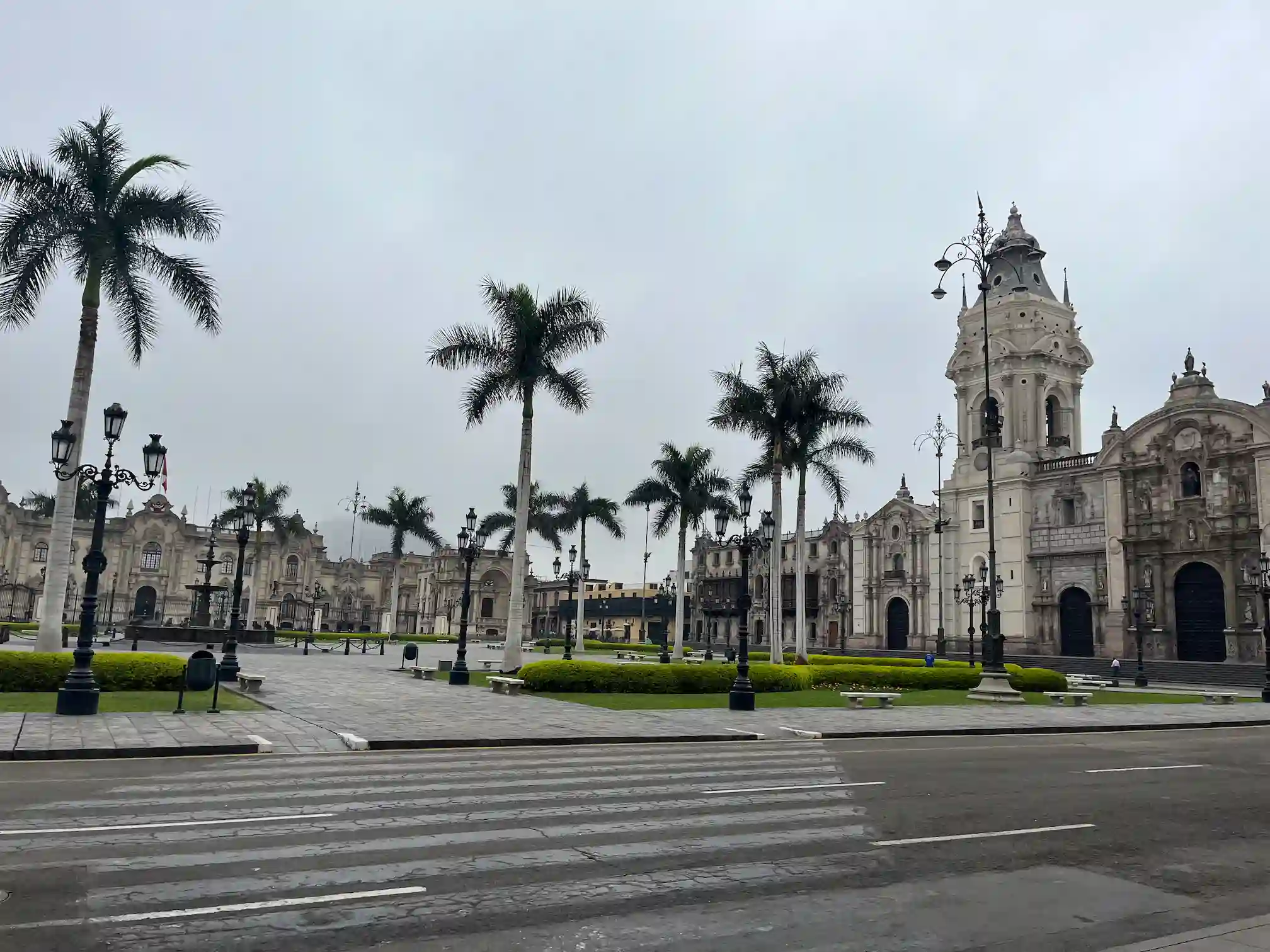
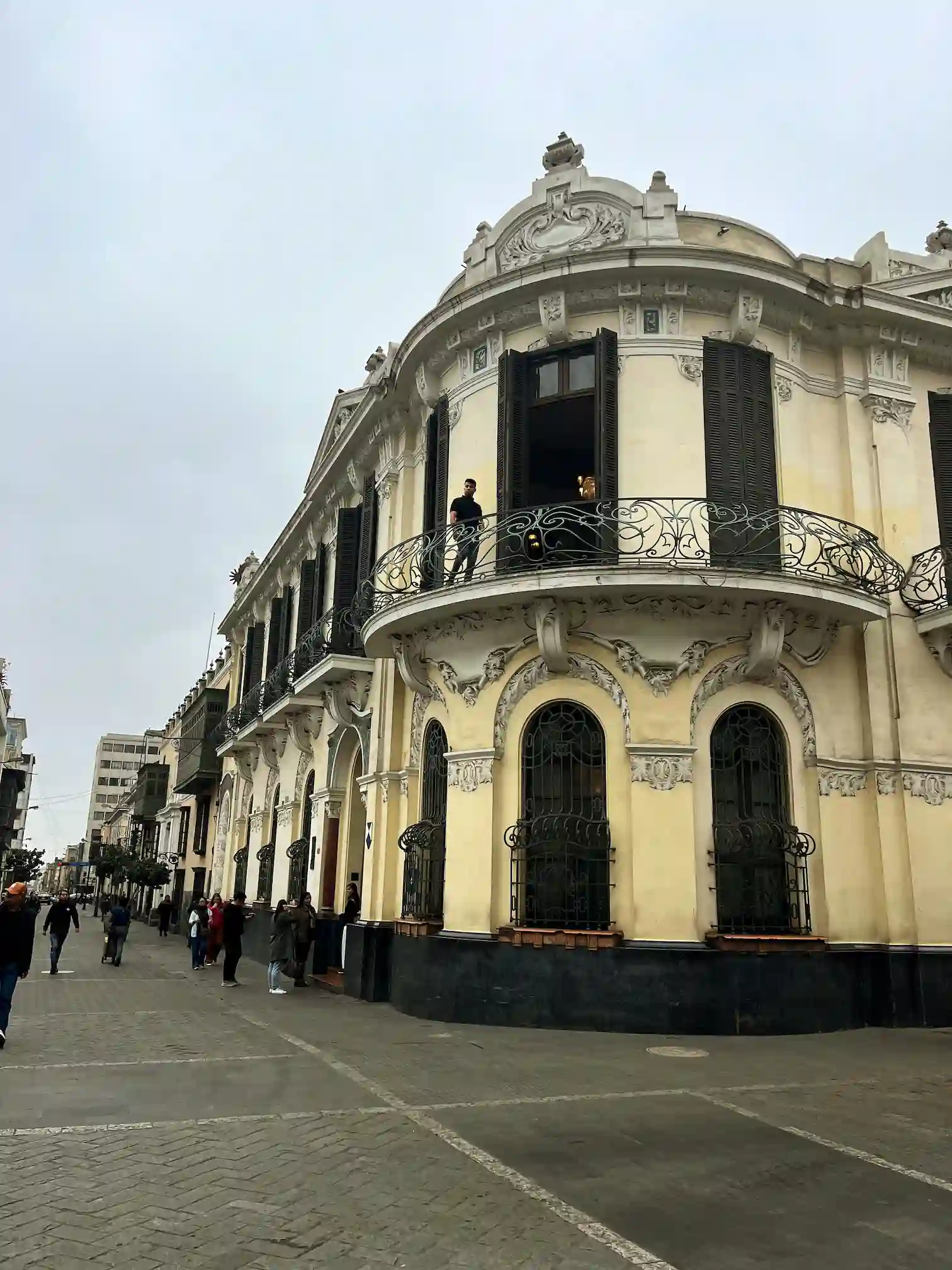
Centro Histórico is older, more chaotic and more authentic than Miraflores or Barranco. On the UNESCO list since 1991. Here the Spanish colonial heritage mixes with small trade, church towers and the honking of minibuses.
What to see in the old town
Plaza Mayor (Plaza de Armas) — the central square with the Government Palace, the Archbishop’s Palace, Lima Cathedral and the City Hall. Every day at noon there’s a changing-of-the-guard ceremony at the Government Palace (free, colourful). The cathedral inside is austere and beautiful (entry ~S/10 ≈ 3 €).
San Francisco church and catacombs — a baroque church with a huge library and underground catacombs holding the remains of ~70,000 people. Guides lead groups, the tour takes ~45 min. It’s one of those places that leaves an impression.
Jirón de la Unión — a pedestrian street from Plaza Mayor toward Plaza San Martín. Full of shops, people and the atmosphere of old Lima. It’s best to just walk and watch.
Plaza San Martín — the second important square with the beautiful art deco Gran Hotel Bolívar (where the Pisco Sour was invented). You can drop in just for the cocktail.
Casa de Aliaga — the oldest continuously inhabited residence in the Americas (since 1535). You can visit with a guide, but you need to register in advance.
Barrio Chino (Chinatown) — a small but colourful Chinese arch zone. Here the Peruvian-Chinese fusion “chifa” is a distinct culinary genre. Worth trying at least one dish.
Important tip: visit Centro Histórico by day. In the evenings this district becomes emptier and less safe than Miraflores or Barranco. Optimal time: 10:00–15:00.
Lima food: ceviche, anticuchos and where to eat
If you asked me what the best reason is to give Lima more than one night, the answer would be: the food. Lima is one of those places where you can eat incredibly well and incredibly cheaply.
What you must try
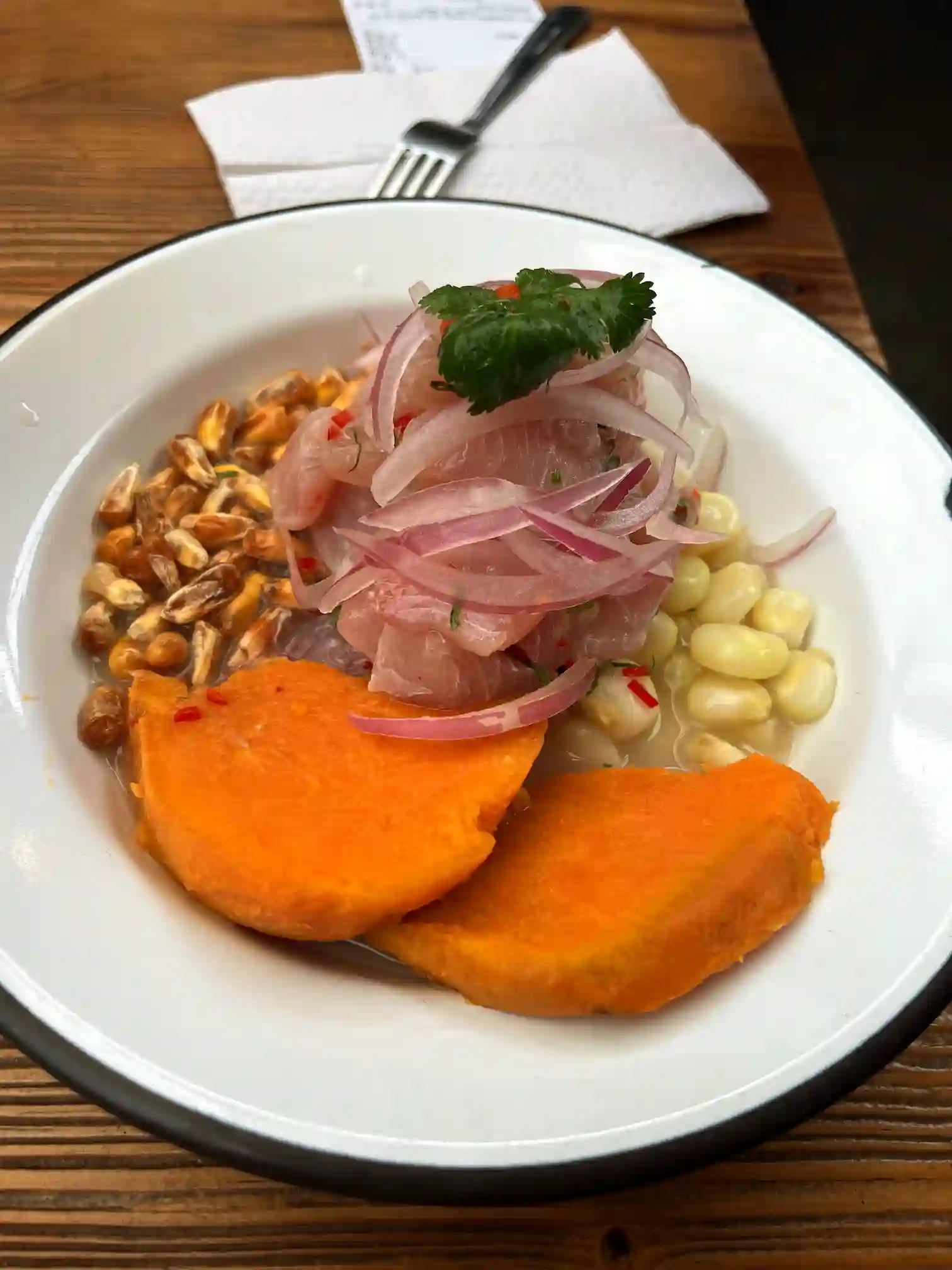
Ceviche — raw fish marinated in lime juice with red onions and ají pepper, served with sweet potato (camote) and corn (choclo). In Lima the ceviche is the best in Peru, because the fish is brought in that same morning. Traditionally eaten at lunch (not dinner), so the best cevicherías work 11:00–16:00.
Anticuchos — beef heart skewers marinated in ají panca sauce, grilled. It sounds unusual, but it’s one of the most popular street foods in Lima. Look for street stalls in the evenings around the Miraflores park.

Lomo saltado — stir-fried beef wok-style with onions, tomatoes, soy sauce, served with rice AND chips at the same time. Peruvian-Chinese fusion at its best.
Causa limeña — a cold dish of mashed yellow potatoes with avocado, tuna or chicken. Light, colourful, perfect on a hot day.
Chicharrón sandwich — a fried pork sandwich with sweet potato and onion sauce. A breakfast classic.
Pisco Sour — Peru’s national cocktail (pisco + lime juice + egg white + syrup + angostura bitters). Try at least one. And then one more.
Where to eat (specific places)
| Place | District | What to eat | Price per person |
|---|---|---|---|
| Canta Rana | Barranco | Ceviche, tiradito, jalea | S/25 ≈ 6 €–45 (~$7 ≈ 6 €–12) |
| Punto Azul | Miraflores | Ceviche, arroz con mariscos | S/30 ≈ 8 €–50 (~$8 ≈ 7 €–14) |
| La Lucha Sanguchería | Miraflores | Chicharrón sandwiches | S/15 ≈ 4 €–25 (~$4 ≈ 4 €–7) |
| Tío Mario (street stall) | Miraflores (park) | Anticuchos | S/10 ≈ 3 €–15 (~$3 ≈ 3 €–4) |
| Isolina | Barranco | Traditional Peru dishes, huge portions | S/35 ≈ 9 €–60 (~$10 ≈ 9 €–16) |
| Menú del día (any local eatery) | Centro / anywhere | Soup + main + drink | S/10 ≈ 3 €–15 (~$3 ≈ 3 €–4) |
| Surquillo market | Surquillo (next to Miraflores) | Fresh ceviche, juice cocktails | S/10 ≈ 3 €–20 (~$3 ≈ 3 €–6) |
| Central (if you want fine dining) | Barranco | Tasting menu (15+ dishes) | S/750 ≈ 195 €+ (~$200 ≈ 180 €+) |
Pro tip: you’ll find the best ceviche not in the touristy spots but where the eatery has one board with a menu and a queue of locals. If you see a queue at a stall, join it.
Where to stay in Lima on your own (districts + prices)
Districts: where to live?
Miraflores 🏆 — the best for travellers — my recommendation #1 and the choice of 90% of independent travellers. Safe even late in the evening, full of restaurants and cafés, easily reached from the airport, good Uber/taxi access. All the main hostels and mid-range hotels.
Barranco — if you want atmosphere, bars, art and a slightly less “touristy” feel. Growing in popularity among younger travellers. A bit further from the airport, but Uber is cheap.
San Isidro — a business district, quieter, more expensive. Good if you want peace and don’t mind the budget.
Centro Histórico — the cheapest, but less safe in the evenings. I recommend it only if the budget is very tight.
Prices 2026
| Type | Price per night | Where to look |
|---|---|---|
| Hostels (dorm room) | S/15 ≈ 4 €–40 (~$4 ≈ 4 €–11 USD ≈ 10 €) | Hostelworld, Booking. Miraflores: Pariwana, Kokopelli, Loki. |
| Hostels (private room) | S/50 ≈ 13 €–100 (~$14 ≈ 13 €–27 USD ≈ 25 €) | Kokopelli, Selina Miraflores |
| Mid-range hotels | S/120 ≈ 30 €–250 (~$33 ≈ 30 €–68 USD ≈ 60 €) | Booking.com. Casa Andina, Ibis, Tierra Viva |
| Boutique / upper class | S/300 ≈ 80 €–500 (~$82 ≈ 75 €–136 USD ≈ 120 €) | Hotel B (Barranco), Casa República |
| Luxury | S/600 ≈ 155 €+ (~$165 ≈ 145 €+ USD) | Belmond, JW Marriott, Hilton |
Tip: if you arrive late in the evening and fly to Cusco early in the morning, you can stay at the airport’s Wyndham Grand hotel (connected to the terminal by a footbridge, you don’t even need to go outside). The price is ~$100 ≈ 90 €–150/night, but it saves you the taxi and the stress.
Transport in Lima: from the airport and around the city
From Jorge Chávez airport to Miraflores
The new terminal opened at the end of 2025, and the infrastructure has improved. Here are three ways to get from the airport to Miraflores (~17 km):
| Method | Price | Duration | Notes |
|---|---|---|---|
| Airport Express Lima (bus) | S/15–25 (~$4–7 USD) | 50–90 min | The safest budget option. WiFi, A/C, USB. Every 20–30 min, 7:00–22:00. |
| Uber / Cabify / InDrive | S/25–50 (~$7–14 USD) | 30–60 min | Convenient, but needs working internet. Some drivers may cancel short rides. |
| Official airport taxi (Green Taxi / CMV) | S/60–80 (~$16–22 USD) | 30–60 min | The most expensive but most reliable, 24/7. The counter is inside the terminal. |
Important: NEVER go with a random taxi driver who “grabs” you at the exit. Use only the official counters in the terminal, Uber/Cabify or Airport Express.
Getting around the city
- Uber / Cabify — the best way to move between districts. Miraflores → Barranco: S/6–10 ($2–3). Miraflores → Centro Histórico: S/12–20 ($3–5).
- Metropolitano (BRT) — Lima’s bus rapid transit system. Fast, cheap (S/2.50 a ride), but you need to buy a card and understand the routes. Useful if you’ll travel from Barranco/Miraflores to the centre regularly.
- On foot — within Miraflores everything is reachable on foot (a 30-min radius). Barranco is compact too. Centro Histórico: the main sights within a ~1 km radius.
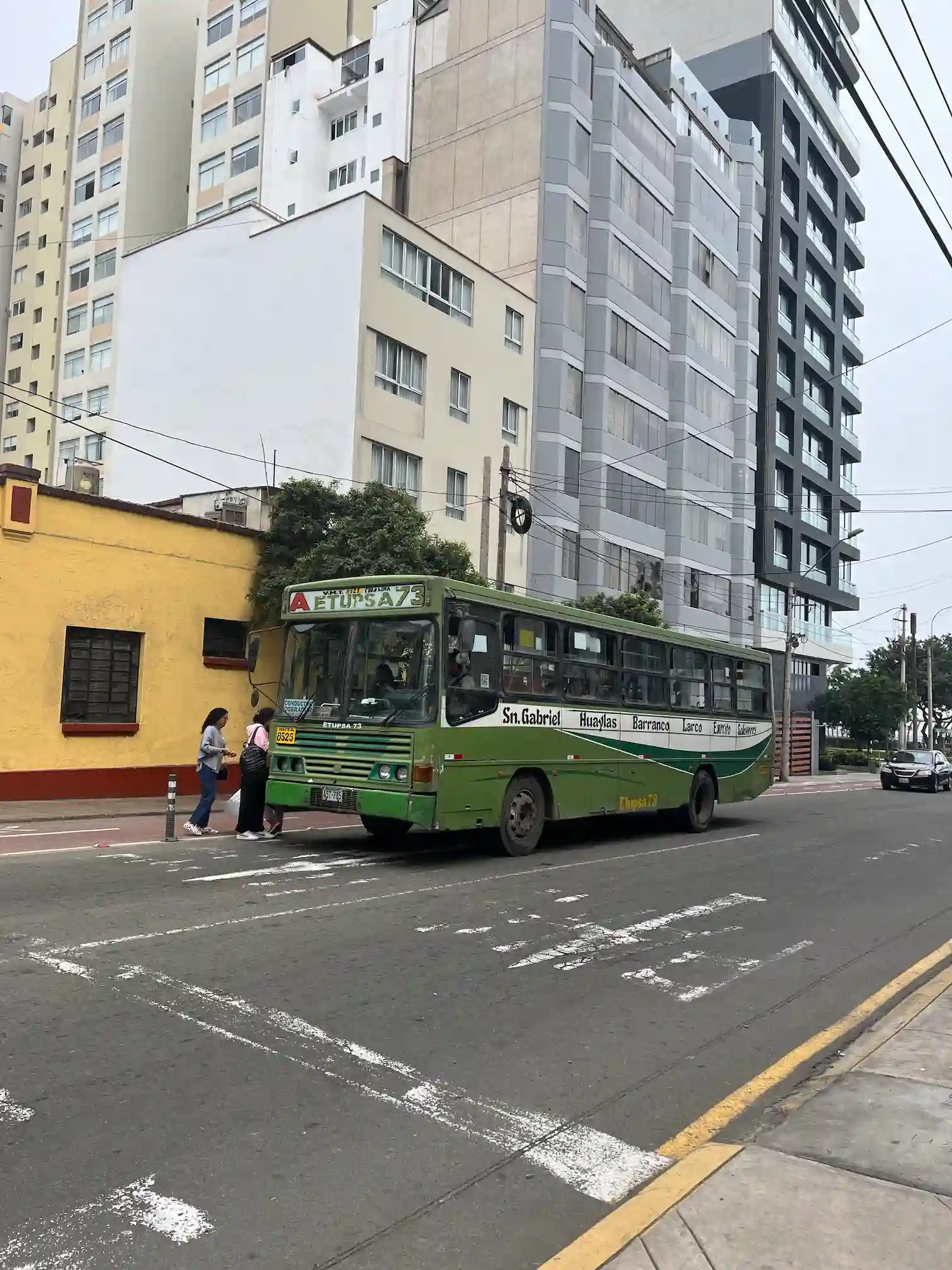
- Local bus (combi/micro) — don’t. Seriously. Chaotic, unsafe with belongings, unclear routes. Uber is so cheap there’s no point.
Safety in Lima: what a traveller should know
Yes, Lima is safe if you know what you’re doing. It’s a megacity of 10 million, and like any big city, there are safe districts and ones you’re better off not being in.
Safe districts for travellers
✅ Miraflores — the safest. You can walk even at 23:00. Lots of police, lighting, people.
✅ Barranco — safe by day and early evening. Later in the evening stick to the main streets.
✅ San Isidro — a calm business district. Safe at any time.
⚠️ Centro Histórico — safe by day (10:00–16:00), but careful in the evenings. Avoid the side streets.
🚫 Callao, Rímac, Los Olivos, San Juan de Lurigancho — not recommended for tourists.
Practical safety tips
Drink only bottled water. Tap water in Lima isn’t drinkable.
Use Uber or Cabify. Avoid street taxis, especially in the Centro district. Uber records the route, the driver’s details and the price.
Keep your phone in your pocket or bag. Not in your hand on the street. Petty theft (phone-snatching) is the most common problem in Lima.
Don’t flash valuables. Leave your watch in the hotel. Carry your backpack on your front in crowded places.
Copies, not originals. Carry a copy of your passport, leave the original in the hotel safe.
In the evening stick to lit streets. Even Miraflores has a few darker side streets. If a street looks empty, go back to the main one.
FAQ
Is it worth spending more than 1 day in Lima?
Yes, if you like food, culture and a creative atmosphere. 2 days let you visit 3 districts without rushing and try at least 5–6 Peru dishes. If your budget or time is tight, 1 full day with a good plan also works.
When is the best time to visit Lima?
December–March: summer in Lima, the warmest (25–30°C), sunny. June–November: the “garúa” season (grey clouds, humid mist, 15–18°C). It barely rains, but grey days are more common than sunny ones. The temperature rarely drops below 14°C or rises above 30°C.
Does Uber work in Lima?
Yes. Uber, Cabify and InDrive work across Lima and are the safest and most convenient form of transport for travellers. You can pay by card through the app.
Is Lima good for vegetarians?
Yes, especially Miraflores and Barranco. There are dedicated vegetarian / vegan restaurants (El Jardín de Jazmín, Raw Café). At the San Pedro market in Cusco and the Surquillo market in Lima you’ll find lots of fresh fruit, juices and vegetable dishes. Just important to know: traditional Peru dishes often contain meat or fish, so always ask.
How do you get from Lima to Cusco?
By plane: ~1.5 h, from $40–80 USD with LATAM, Sky Airlines or JetSMART. The fastest and most convenient. By bus: ~20–22 h on the night bus (Cruz del Sur, Oltursa), from ~$25–50 USD. A long journey, but cheap and with reclining beds.
Do you need a visa to arrive in Lima?
No. Holders of most Western passports (EU, UK, US and others) can stay in Peru without a visa — up to 183 days a year. On arrival at Jorge Chávez airport, your passport (valid for at least 6 months) and return ticket information are checked. I’ve written more about the visa here.
Is Lima good with children?
Yes. Miraflores is convenient for families: Parque Kennedy with the cats, the Malecón with a stroller, the Circuito Mágico del Agua (the fountain park in the evenings, children love it). Food is easy to adapt, and Uber makes getting around simple.
How much does Uber cost in Lima?
Rough prices: airport → Miraflores S/25–50 ($7–14), Miraflores → Barranco S/6–10 ($2–3), Miraflores → Centro Histórico S/12–20 (~$3–5). Prices depend on the time of day and traffic.
How many days to give Lima on a Peru route?
I recommend 2 full days (3 nights). That lets you calmly see the 3 districts, try the food and acclimatise before the trip to Cusco. If you’re planning a whole Peru route, Lima is always the first and last stop.
Planning a trip to Peru? Read my other articles too: the Peru entry guide (visa), altitude sickness in Peru, how to reach Machu Picchu independently, and Colca Canyon.
Search for flights here. If something goes wrong with your flights, you can claim compensation through AirHelp or Compensair.
Staying connected? Skip expensive roaming and grab an eSIM plan — set it up before you fly and you’ll have data the moment you land.
I always recommend booking taxi transfers to and from the airports in advance. You can do that here.
Find accommodation here.
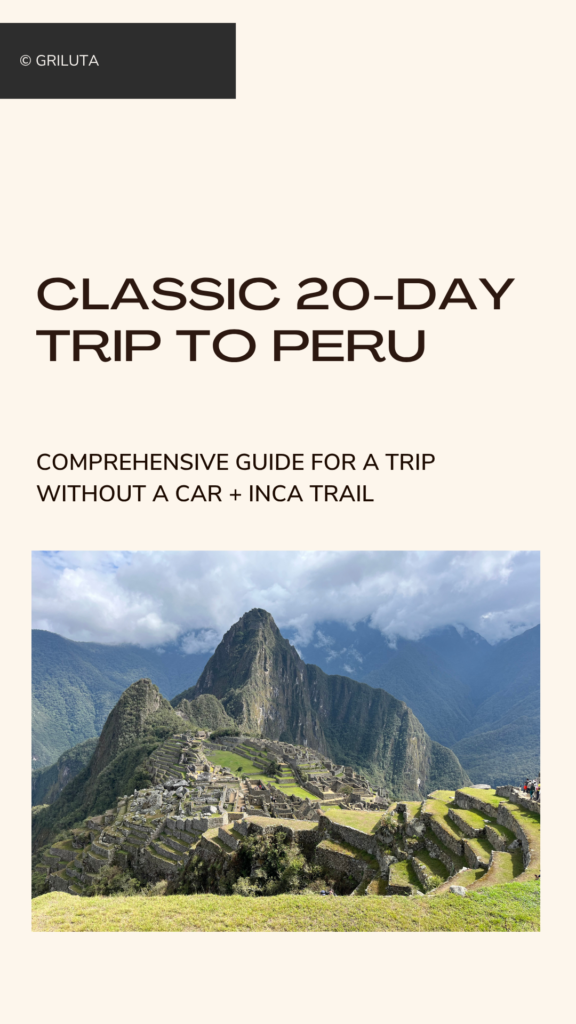
Travel Without Chaos: Peru — Classic 20-Day Itinerary Without a Car (+ Inca Trail)
Classic 20-Day Trip to Peru — Complete PDF Guide