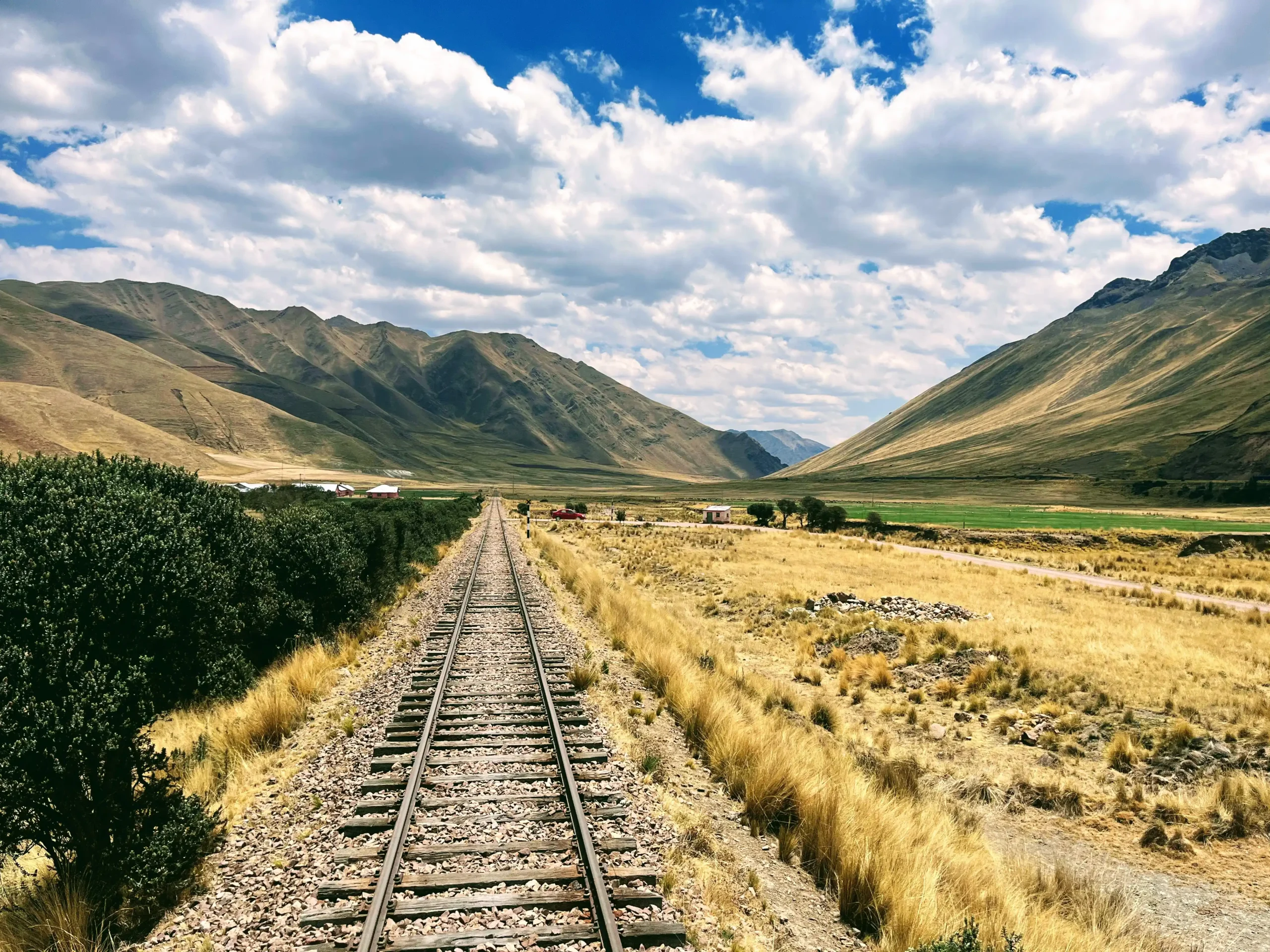
The first question almost everyone asks when planning a trip to the other side of the planet: how do you even get there? The answer is simple and a little unpleasant at the same time — there are no direct flights from the Baltics (Vilnius or Riga) to Lima, and there probably never will be. That means flights to Peru always involve one or two layovers, and your job is to pick the route that costs the least, tires you the least, and connects neatly with the domestic flight to Cusco. In this article I’ve laid out everything you need to know: which cities to fly through, how much it costs, when to buy your tickets, and how not to mess up your schedule on the very first day of the trip.
Some links in this article are affiliate links. If you book through them I earn a small commission, at no extra cost to you.
Contents
- No direct flights: what that means in practice
- The most popular routes from Europe to Lima
- Via Madrid (Iberia, Air Europa)
- Via Amsterdam (KLM)
- Via Frankfurt or Paris (Lufthansa, Air France)
- Via the US (Miami, New York)
- How much a flight to Peru from Europe costs
- When to buy your tickets
- Lima and Jorge Chávez airport
- Time zone and time difference
- Fly or travel overland within the country?
- Domestic flights: the key detail many people forget
- Lima → Cusco
- Puerto Maldonado → Lima
- How to book domestic flights
- Practical tips before you buy a ticket
- FAQ
If you’re only just starting to plan the whole route, it’s worth keeping my wider Peru travel guide to hand too — flights are only the first piece of the puzzle. Now to the specifics.
No direct flights: what that means in practice
Lima is roughly 11,000 km from Vilnius. A one-way flight, including the layover, usually takes 16–20 hours — depending on how long you sit at the airport between connections. The Atlantic crossing from Europe to Lima alone takes about 12 hours, and before that you still need to fly from your home city to the connecting hub. So realistically, plan for a whole day in transit.
The good news is that plenty of airlines fly from Europe to the major hubs — Madrid, Amsterdam, Frankfurt, Paris — so the choice of connections is wide. The bad news: the more layovers, the more places something can go wrong — a delayed first flight, lost luggage, too short a window to connect. That’s why the choice of route matters more here than price alone.
Search for flight tickets here.
If something goes wrong with your flights, you can get help and claim compensation through AirHelp or Compensair.
The most popular routes from Europe to Lima
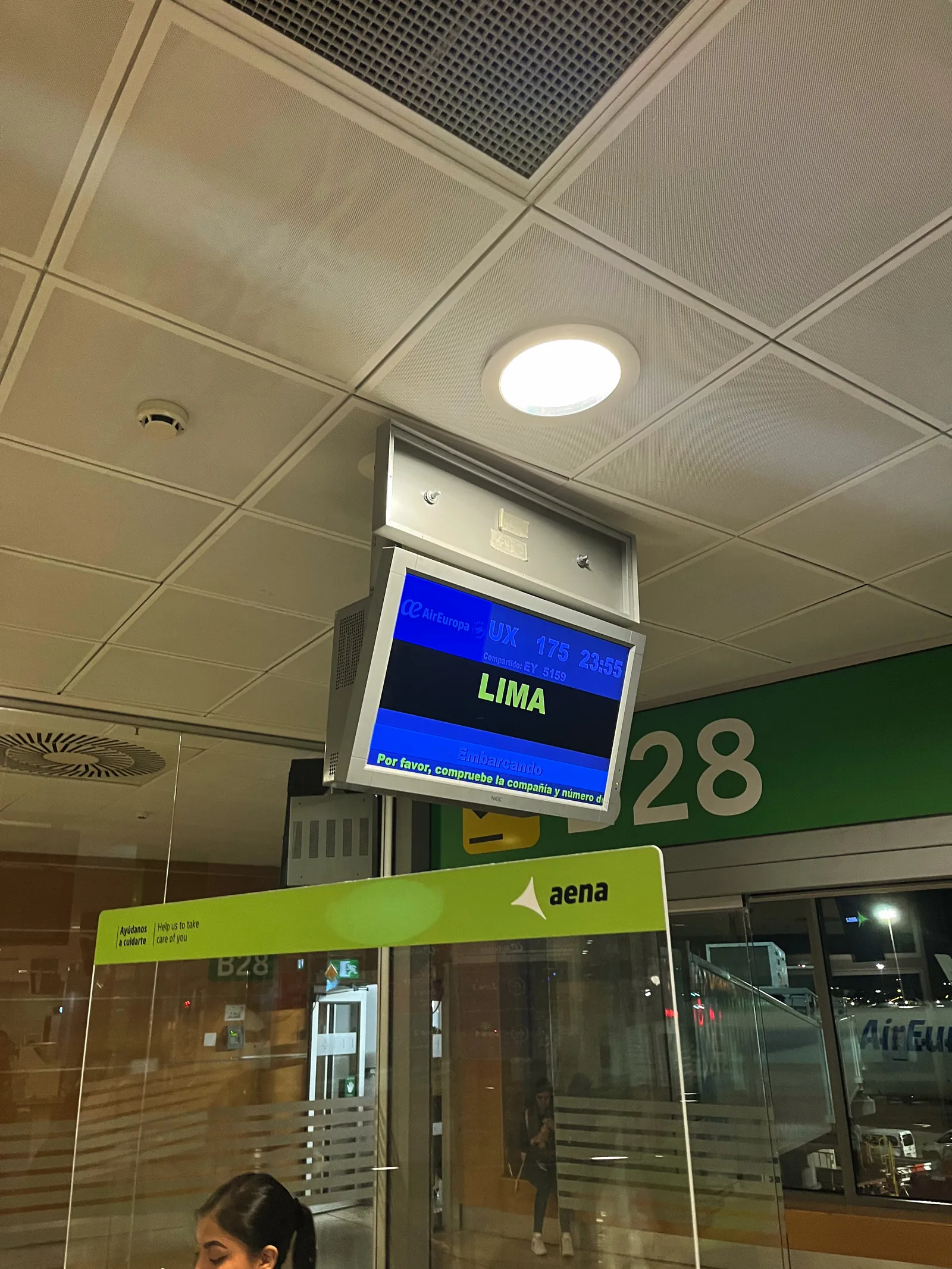
There are four directions worth considering. Each has its own pluses and minuses — I’m giving them to you honestly, so you can choose based on yourself, not on the prettiest advert.
Via Madrid (Iberia, Air Europa)
One of the best options from Europe. The layover in Madrid takes about 2–3 hours, and the flight to Lima itself is roughly 12 hours. Iberia and Air Europa have direct Madrid–Lima connections daily, so the schedule is flexible, and Spanish-speaking staff are even useful — handy to practise a couple of phrases before Peru. For most travellers this is the simplest and often the cheapest way.
Via Amsterdam (KLM)
KLM flies from Amsterdam straight to Lima. Schiphol airport is convenient for connections, and there are plenty of flights to Amsterdam from across Europe. A good choice if the Madrid connections are poor that day or the price is climbing.
Via Frankfurt or Paris (Lufthansa, Air France)
Lufthansa via Frankfurt and Air France via Paris offer onward connections. Sometimes that means a double layover (e.g. home city–Frankfurt–another European or US hub–Lima), so the journey gets longer. Still, these airlines often have good off-peak deals, so it’s worth checking.
Via the US (Miami, New York)
Flying via the US is possible and sometimes cheaper, but there’s one condition: even to transit through the United States you need proper entry authorisation. For many European passport holders that means an ESTA registration (under the US visa-waiver programme). Sort it out in advance — without it they simply won’t let you board. This route suits people who have business in the US anyway, or who find a very good ticket price.
| Route | Airlines | Layovers | Notes |
|---|---|---|---|
| Via Madrid | Iberia, Air Europa | 1 (~2–3 h) | One of the best options; Lima flight ~12 h |
| Via Amsterdam | KLM | 1 | Direct Amsterdam–Lima connection |
| Via Frankfurt / Paris | Lufthansa, Air France | 1–2 | Sometimes a double layover, longer journey |
| Via the US (Miami, New York) | Various | 1–2 | ESTA needed to transit the US |

How much a flight to Peru from Europe costs
A return ticket from Vilnius to Lima costs roughly 600–1,100 EUR. The price swings a lot, and it depends on two things: the season and how early you buy. It’s cheapest when you buy 3–5 months before the trip and avoid the summer peak.
Here it’s important to understand one thing about Peru’s seasons. The best time to travel around the Andes is the dry season from May to October, and especially June–August. But that coincides with European summer holidays, so that’s exactly when flights are most expensive. If you want to save, consider early May or October — still great weather for the Andes, but lower ticket demand. I write more about which month suits you best in a separate article on when to travel to Peru.
| Purchase timing | Likely price (return) | Comment |
|---|---|---|
| 3–5 months ahead, off-peak | ~600–750 EUR | Best mix of price and weather |
| Peak season (Jun–Aug) | ~850–1,100 EUR | Summer demand pushes prices up |
| Last minute | 1,000+ EUR | Expensive and little choice |
The flight is the single biggest expense of the trip, but far from the only one. To avoid miscalculating your whole budget, it helps to lay out all the lines in advance — I cover that in detail in my article on how much a trip to Peru costs.
When to buy your tickets
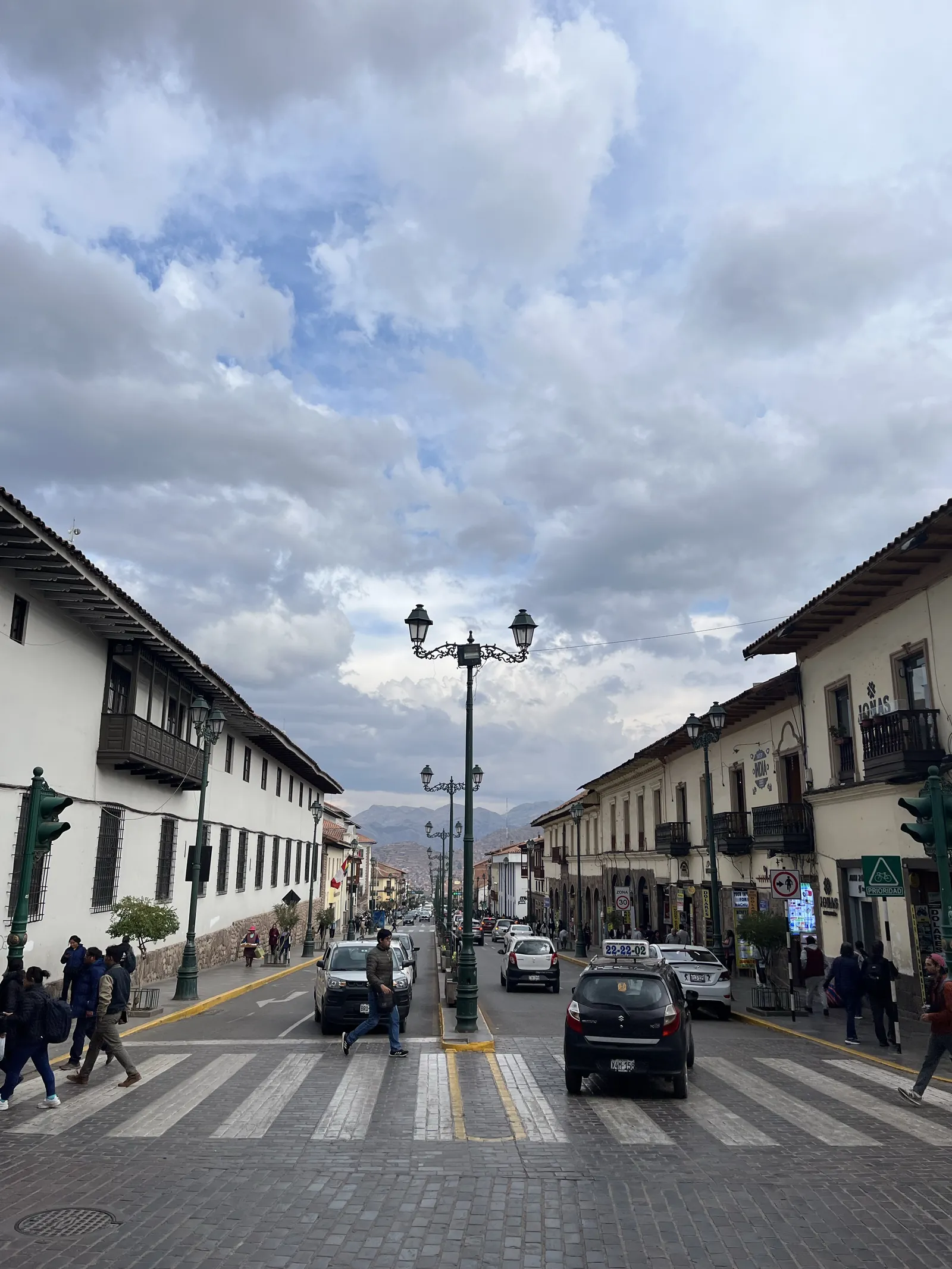
The rule is simple: the earlier, the cheaper. The international flight to Lima is best bought 3–5 months out. But there’s a nuance many people miss — the flight to Lima is only part of the trip’s puzzle, and it has to fit with your other bookings.
If your route includes the Inca Trail hike, that dictates everything. Permits for this trail are booked 3–6 months ahead and, in peak season, sell out within minutes of opening. So the logical sequence is this:
- ~6 months out — book your Inca Trail permit (if you’re hiking), since everything else depends on it.
- 3–5 months out — buy the international flight to Lima.
- Right after that — buy the domestic flights (Lima–Cusco, etc.), since their price rises as the date approaches.
- 2–4 months out — Machu Picchu tickets and the train.
If you’re not planning the hike, the window is more flexible, but it’s still worth catching the international ticket 3–5 months ahead. Track prices across several search engines and don’t get drawn into a rushed purchase in the last week — that’s when you almost always overpay.
Look for tickets on these platforms: Aviasales or Kiwi.
Lima and Jorge Chávez airport
All international flights end at Jorge Chávez International Airport (code LIM). It’s in Callao, next to Lima, and it’s the country’s main airport. The airport is modern, with international shops and restaurants, so your first impression of Peru is a good one.
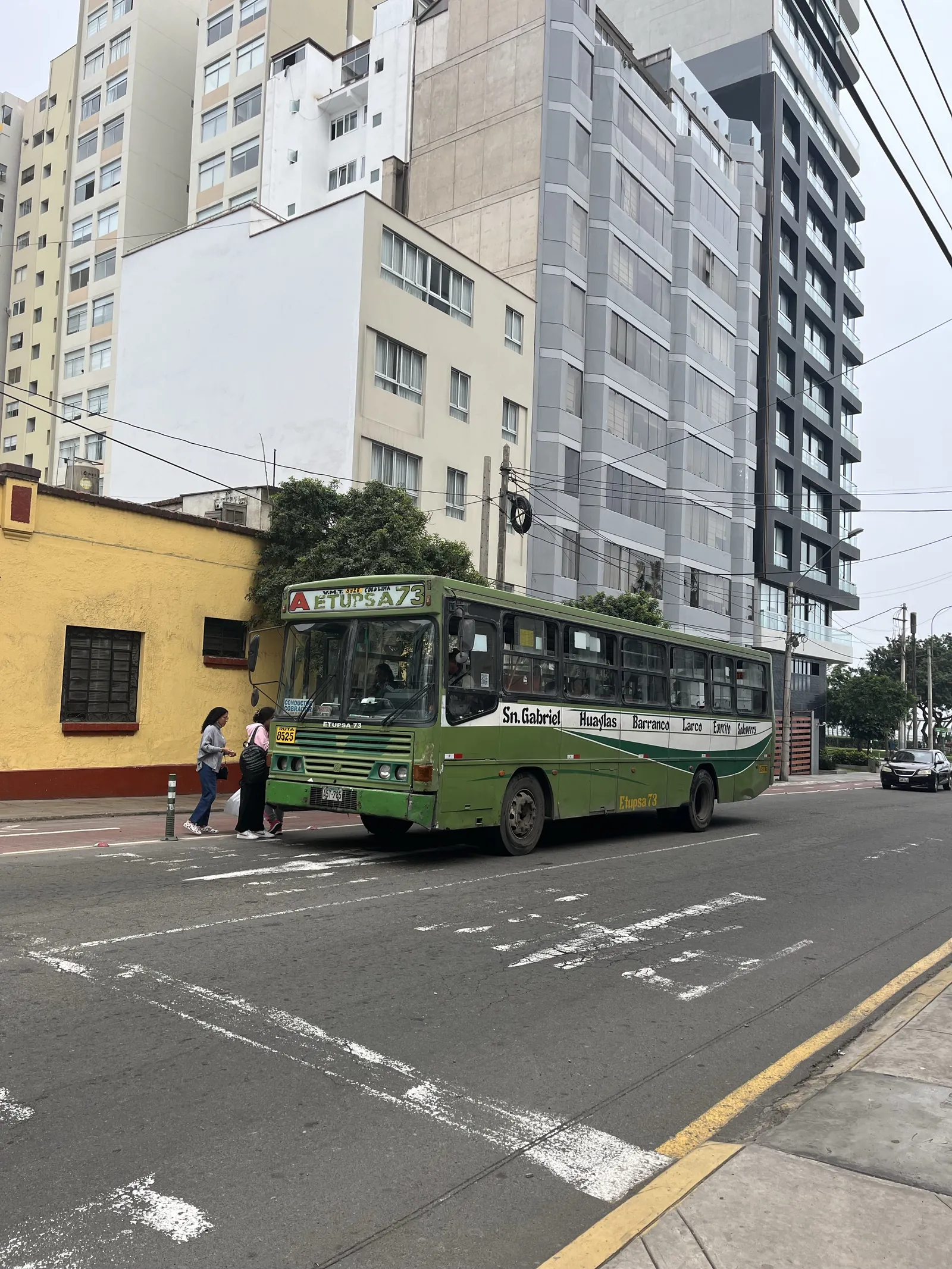
From the airport to the Miraflores district — Lima’s tourist centre — it’s about a 30–45 minute drive. The most convenient and safest option is Uber or an official taxi; the trip costs about 25–35 USD ≈ 30 €. An important warning: there’s no direct bus from the airport, so don’t get drawn in by random taxi drivers’ offers at the arrivals hall — book an Uber or take an official metered taxi. This matters especially if you arrive at night after a long journey and you’re tired. I recommend booking a taxi in advance.
If you’re spending your first days in the capital, a separate guide on what to see in Lima on your own will help you plan them — from the Miraflores coastline to the ceviche restaurants.
Time zone and time difference
Peru runs on UTC-5 — the same as New York. In summer, when Lithuania is on UTC+3, the time difference with Peru is 8 hours. In practice this means that if you land in Lima in the evening, your body will think it’s the middle of the night. For the first two or three days you may feel a bit dazed — that’s normal.
A nice detail: Peru is close to the equator, so the sun there sets around 6 p.m. all year, and day length barely changes. That means when planning early tours or hikes you won’t have to worry about the daylight suddenly getting shorter. It’s worth spending your first day in Lima calmly — not overloading on impressions, adjusting to the time and letting your body recover from the flight.
Fly or travel overland within the country?
Peru has a well-developed bus network, and on some routes the bus is a sensible choice — comfortable overnight services with reclining seats and reliable operators. But on the main Lima–Cusco axis it doesn’t work: the journey takes 20–24 hours, and you lose precious holiday days. Here the flight wins outright.
It’s different on shorter stretches, for example Cusco–Puno or Puno–Arequipa, where a bus or even a panoramic train can be part of the experience. The flight stays essential where distances are big or there’s no direct overland option. When laying out your route, it helps to think of it this way: long hops by plane, beautiful short stretches overland.
Domestic flights: the key detail many people forget
Peru is so big and mountainous that getting around without domestic flights is practically impossible. A typical route needs at least two of them. Domestic flights are run by three main airlines: LATAM Peru, Sky Airline and Star Peru.
Lima → Cusco
This flight is a must. By bus from Lima to Cusco you’d travel about 20–24 hours; by plane you get there in roughly 1.5 hours. A one-way ticket costs about 50–150 USD ≈ 135 €, depending on how early you buy.
But here’s a detail worth pausing on. Flights to Cusco often get delayed due to weather — the city is in the mountains, and mornings often bring fog and cloud. So never plan a flight to Cusco right after you land from Europe. Leave at least 4–5 hours between the international flight and the flight to Cusco. Better still — arrive in Lima, spend the night, and fly to Cusco early the next morning (the weather is more stable in the mornings and there’s less chance of cancellation).
There’s a second reason to overnight in Lima before Cusco: altitude. Cusco sits at 3,400 metres, and a sudden climb from sea level can trigger altitude sickness. On how to acclimatise and what to do so your head doesn’t ache on the first day, I write separately — it’s worth reading about altitude sickness in Peru before you even buy your flight ticket.
Puerto Maldonado → Lima
If your route includes an Amazon leg, getting back from the jungle will need a flight from Puerto Maldonado back to Lima. It also takes about 1.5 hours, and the ticket costs roughly 60–130 USD ≈ 115 €. The same airlines (LATAM, Sky, Star). From Lima you either continue your route or wait for your international flight home. One tip: if you’re coming back from the Amazon on the same day you fly home via Europe, leave a solid time buffer. Domestic flights in Peru are delayed more often than in Europe, and a missed international flight home costs far more than one extra night in Lima.
| Domestic flight | Duration | Price (one way) | Airlines |
|---|---|---|---|
| Lima → Cusco | ~1.5 h | 50–150 USD ≈ 135 € | LATAM, Sky, Star |
| Puerto Maldonado → Lima | ~1.5 h | 60–130 USD ≈ 115 € | LATAM, Sky, Star |
How to book domestic flights
Book domestic flights right after your international tickets — their price rises as the date approaches, as everywhere. You can buy on these platforms: Aviasales or Kiwi. One tip from experience: don’t buy a domestic flight ticket with too short a connection to the international one.
Practical tips before you buy a ticket
- Check your passport’s validity. It’s recommended that your passport be valid for at least 6 months from your return date. Peru grants visa-free entry of up to 90 days to most European, UK, US, Canadian and Australian passport holders — check your own before booking. I’ve gathered the health and document questions into a separate Peru entry guide.
- Have a return ticket. On arrival you may be asked to show a return or onward ticket, plus proof that you have enough funds for the trip.
- Do the maths on your layover window. For the first connection in Europe leave at least 1.5–2 hours, especially if you’re changing terminals. A shorter window is a risk of missing the long-haul flight.
- Luggage. Check whether your bags are checked all the way to Lima, or whether you need to collect and re-check them at the layover (this is often the case on flights via the US).
- Domestic flight baggage limits. Cheap domestic tickets often have a lower baggage weight than international ones. Check in advance so there’s no surprise fee at the airport.
Once the flights are sorted, the most interesting part remains — the trip itself. Start planning the content from the pillar guide, which lays out all the stages from Machu Picchu and the Amazon to practical tips.
FAQ
Are there direct flights from Vilnius to Lima?
No. There are no direct flights from Vilnius or Riga to Lima. You always fly with one or two layovers — most often via Madrid, Amsterdam, Frankfurt, Paris or the US. The whole one-way journey usually takes 16–20 hours, depending on the layover time.
How much does a flight to Peru from Europe cost?
A return ticket from Vilnius to Lima costs roughly 600–1,100 EUR. You’ll get the cheapest price by buying 3–5 months ahead and avoiding the summer peak season. In summer (June–August), which coincides with the best time for the Andes, tickets are most expensive.
Which connecting route is best?
Via Madrid (Iberia, Air Europa) is one of the best options from Europe — a convenient layover and a direct connection to Lima. Via Amsterdam with KLM is also convenient. Via the US is sometimes cheaper, but then you need to sort out an ESTA for transit, even if you don’t leave the airport.
How much time to leave between arriving in Lima and the flight to Cusco?
At least 4–5 hours, and better still — overnight in Lima and fly to Cusco in the morning. Flights to Cusco are often delayed or cancelled due to mountain weather, so too short a window risks losing your domestic ticket. An overnight in Lima also helps you handle the sudden altitude change more easily.
When is the best time to buy tickets to Peru?
Buy the international flight 3–5 months ahead. If you’re planning the Inca Trail, first book the hike permit (3–6 months ahead), since everything else depends on it, and only then the flight. Buy the domestic flights (Lima–Cusco, Puerto Maldonado–Lima) right after the international ticket, since their price rises as the date approaches.
Which Lima airport do you arrive at?
Jorge Chávez International Airport (code LIM) in Callao, next to Lima. It’s the country’s main airport. From there it’s a 30–45 minute drive to the tourist district of Miraflores by Uber or official taxi (about 25–35 USD ≈ 30 €). There’s no direct bus from the airport, so avoid random taxi drivers’ offers at the arrivals hall.
Staying connected? Skip expensive roaming and grab an eSIM plan — set it up before you fly and you’ll have data the moment you land.
I always recommend booking taxi transfers to and from the airports in advance. You can do that here.
Find accommodation here.
Travel Without Chaos: Peru — Classic 20-Day Itinerary Without a Car (+ Inca Trail)
Classic 20-Day Trip to Peru — Complete PDF Guide