This post contains affiliate links. If you book through them, I earn a small commission at no extra cost to you. I only recommend what I use myself.
Some links in this article are affiliate links. If you book through them I earn a small commission, at no extra cost to you.
Contents
- Why look for an alternative at all
- The Salkantay trek — the most beautiful alternative with no permit lottery
- Humantay Lake — a reason of its own to choose this region
- Who Salkantay is for
- The Lares trek — a cultural route through living villages
- Who Lares is for
- The train — Machu Picchu without a trek
- Train classes
- Comparison: Inca Trail, Salkantay, Lares and the train
- How to prepare for any of the alternatives
- Which alternative to choose — a quick verdict
- FAQ
- Do you need a permit for the Salkantay trek, like for the Inca Trail?
- Can you reach Machu Picchu without any trek?
- Salkantay or Lares — which is harder?
- How far in advance should you book these alternatives?
- Do Salkantay and Lares end at Machu Picchu itself?
- Are these alternatives safe in terms of altitude sickness?
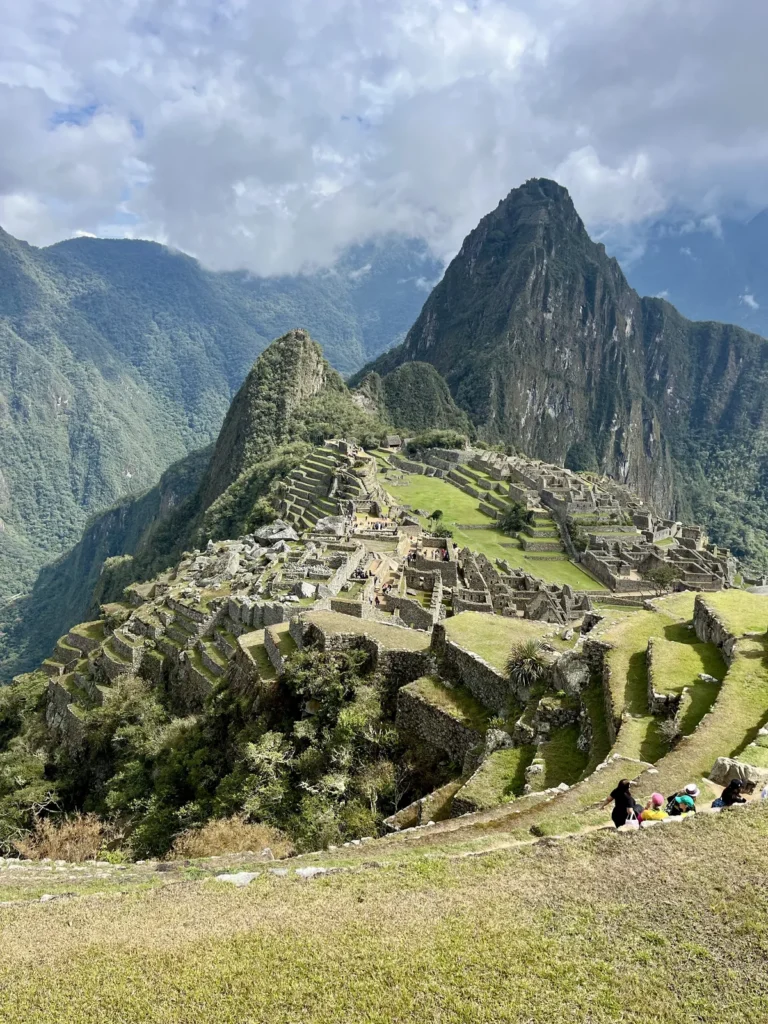
You’ve been dreaming of the classic Inca Trail, you open an agency’s website, and there it is — “sold out for the coming months”. Sound familiar? The number of Inca Trail permits is strictly limited, and in high season they disappear within minutes of release. But that’s not the end of the trip — it’s just the start of a conversation about how many ways there are to reach Machu Picchu. This article is about Inca Trail alternatives: treks and routes that take you to the same place, sometimes even more beautifully, without waiting half a year in line for a permit.
Let’s agree on one thing right away. If your heart is set on the original trail, with a night near the Wiñay Wayna ruins and sunrise at the Sun Gate, then read the Inca Trail permits guide — it covers everything about the classic route and how to book it. This article is for those whose permits are already sold out, who want a different kind of trek, or for whom a four-day organised hike simply isn’t a good fit.
Why look for an alternative at all
The classic Inca Trail is wonderful, and nobody denies it — the problem isn’t quality but availability and format. Only 500 people a day are allowed on the trail, including guides and porters, which means far fewer spots are actually left for travellers. In June, July and August permits sell out in an instant, and in February the trail is closed entirely for maintenance. Add to that the fact that you can only hike with a licensed agency, and the permit is registered to your passport number — it can’t be transferred or changed later.
There are simpler reasons to choose differently, too. Maybe you’re planning your trip a month ahead rather than six months, maybe you want a five-day trek with higher passes and glaciers, or maybe you don’t feel like hiking for four days at all but still really want to see Machu Picchu.
- Permits are sold out — Salkantay and Lares don’t have the same strict quota as the classic trail.
- You want more nature — Salkantay takes you past glaciers, high-altitude lakes and cloud forest.
- You want more culture — Lares passes through living Andean village communities where people weave and live much as they did centuries ago.
- You don’t want to hike — the train takes you right to the foot of Machu Picchu.
- Small budget or little time — the train option is cheaper and takes just one day.
The Salkantay trek — the most beautiful alternative with no permit lottery
If you ask me which single route best replaces the Inca Trail, the answer will almost always be Salkantay. It’s a five-day trek (sometimes squeezed into four) that passes Mount Salkantay — a massive 6,271-metre peak and one of the most sacred mountains of the Inca world. The most important practical detail: Salkantay doesn’t require the same limited government permit as the classic trail. There are more spots, you can book later, and the chance of everything being sold out is much lower.
The highlight of the route is the Salkantay Pass, at about 4,600 metres. It’s the highest point, and the day you climb over it is the hardest, but the reward is huge: glaciers above your head, stone cairns left by travellers as a thank-you, and a completely different face of the Andes from the one you see on the Inca Trail. On the way down, the route descends into humid cloud forest, where it suddenly gets warm, orchids appear and birds start singing. In one trek you go from glacier to almost subtropics.
Humantay Lake — a reason of its own to choose this region
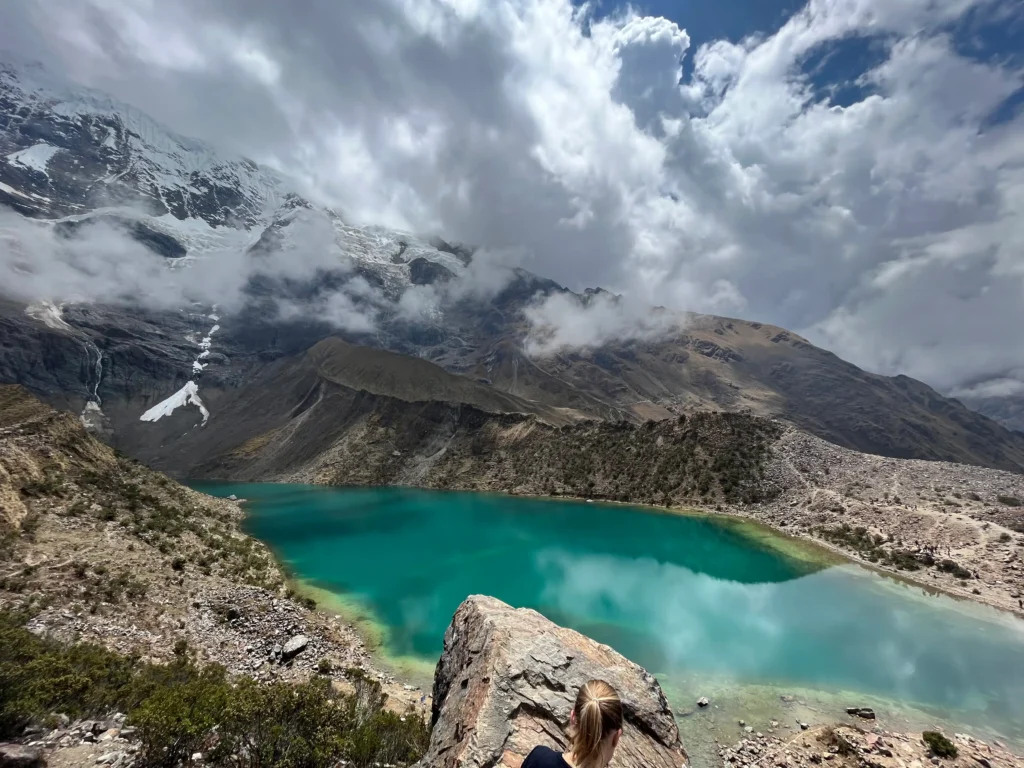
Even if you don’t do the whole Salkantay trek, one spot in this region is worth a day of its own — Humantay Lake. It’s a turquoise high-altitude lake at 4,200 metres, beneath Mount Humantay, with the Salkantay peak in the background. The colour is so unreal that your first thought on arrival is whether it’s actually real. The water is blue from glacial melt, and local communities consider the place sacred. It’s one of those views that a photo never captures as well as your own eyes.
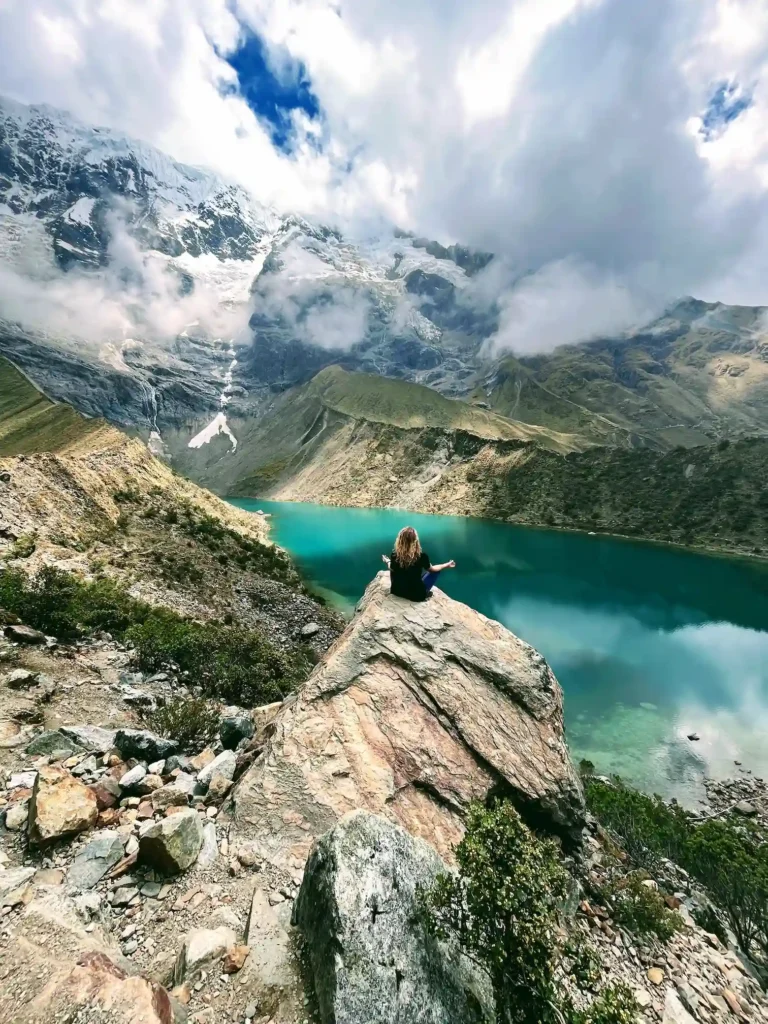
In practice, Humantay Lake is reached as a day trip from Cusco. You leave very early, around 4–5 a.m., because the drive to the starting point at Soraypampa (about 3,750 m) takes roughly three hours. The hike up to the lake is short — about two kilometres, an hour to an hour and a half uphill — but steep, and at 4,200 metres the air is windy and cold even in summer. A warm jacket and hat are a must. It’s a great day trip if you don’t have time for the Salkantay trek but still want to see the region. Before going up that high, be sure to read the altitude sickness tips — you really feel 4,200 metres.
Who Salkantay is for
- Those who want more nature than archaeology — glaciers, lakes, cloud forest.
- Those who are booking late and can’t wait six months for a permit.
- The physically fit — the pass is higher than on the Inca Trail and the days are longer.
- Those who want the trek to end at Machu Picchu — the Salkantay route still takes you to Aguas Calientes.
One nuance: on the last day of Salkantay you usually reach Machu Picchu not on foot through the Sun Gate, but by train or bus from Aguas Calientes. That doesn’t make the trek any less worthwhile — the finale is just different. The town you arrive in, and how you get up in the morning, matter equally for every route. We cover in detail how to reach the site without an organised trek in the guide how to get to Machu Picchu independently.
The Lares trek — a cultural route through living villages
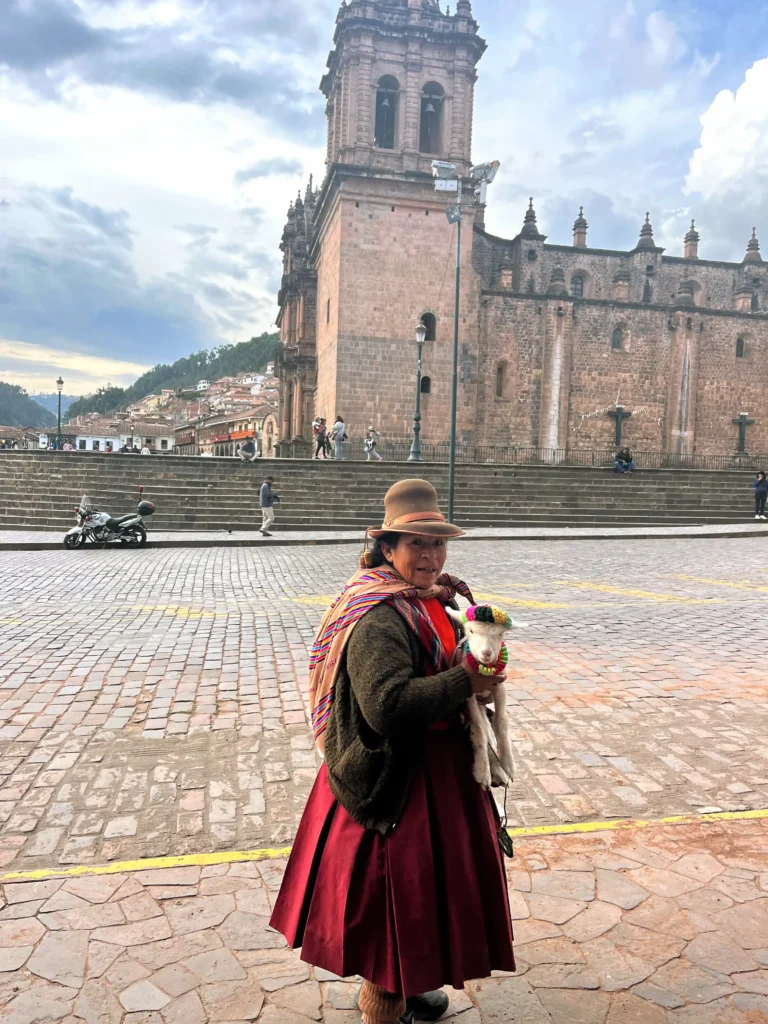
Lares is quieter, with fewer people, and its essence is completely different from Salkantay or the classic trail. Here the main thing isn’t glaciers or ruins, but people. The route passes through living Andean communities where Quechua-speaking villagers raise alpacas, weave in bright natural colours and live much as their ancestors did several centuries ago. For many travellers, these encounters become the strongest memory of the trip — not the stones, but the faces.
Physically, Lares is usually considered slightly easier than the classic Inca Trail, although it depends on the operator’s chosen version — there are several, of different lengths and directions. Typically it’s two or three days of hiking, often with a night near hot springs, where relaxing after a day on the trail is pure pleasure. Lares itself doesn’t take you to the foot of Machu Picchu — the last stretch is covered by train from Ollantaytambo to Aguas Calientes, and Machu Picchu is visited the next morning.
Who Lares is for
- Those most drawn to living Andean culture rather than a hiking challenge.
- Those who want a shorter and somewhat easier route than Salkantay or the Inca Trail.
- Those who value peace and quiet — there are far fewer people on the Lares trails.
- Travellers who want to combine the trek with visiting the Sacred Valley and Ollantaytambo.
A practical tip: if you choose Lares, ask which specific version the agency offers. The name “Lares trek” can mean several different routes with different altitude profiles and villages visited. Ask how high the highest pass is, how many hours you walk per day and where exactly you sleep. These three questions immediately show whether the route suits you.
The train — Machu Picchu without a trek
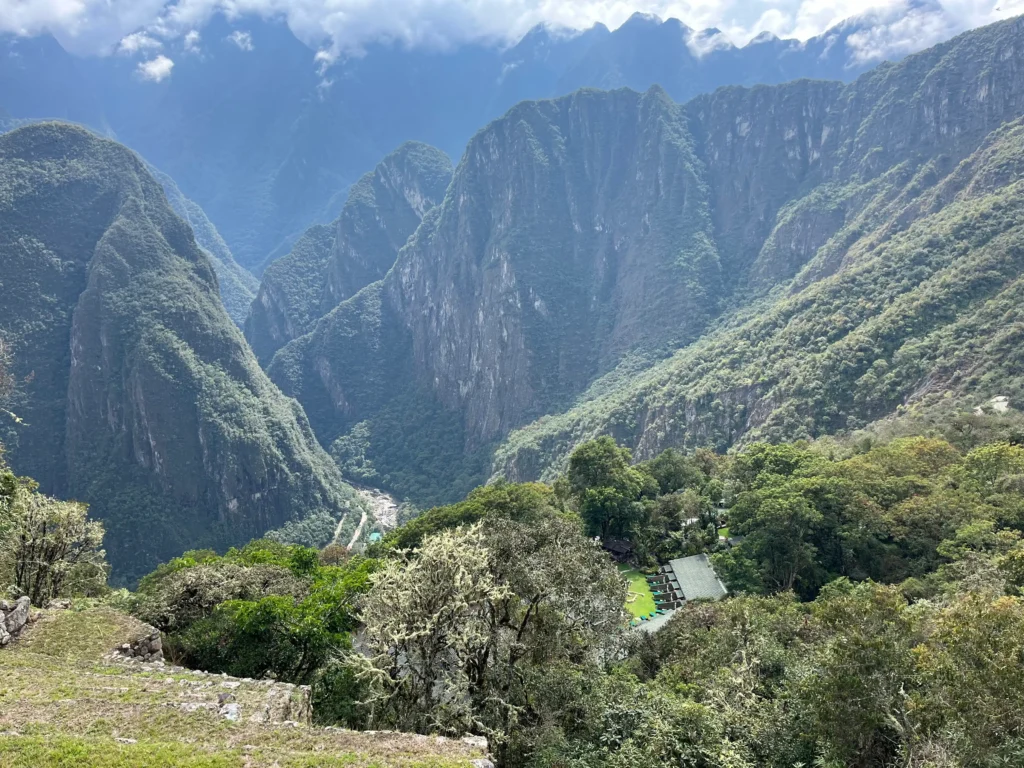
The simplest and fastest alternative to all the treks is the train. Machu Picchu can’t be reached by car, so there are two ways left: walk or come by rail. The train takes you to Aguas Calientes (officially Machu Picchu Pueblo), the town right at the foot of the mountain, and from there a bus takes you up to the entrance. No physical effort, no permit lottery, no tents. A day trip from Cusco, and by evening you’re sleeping in your own bed.
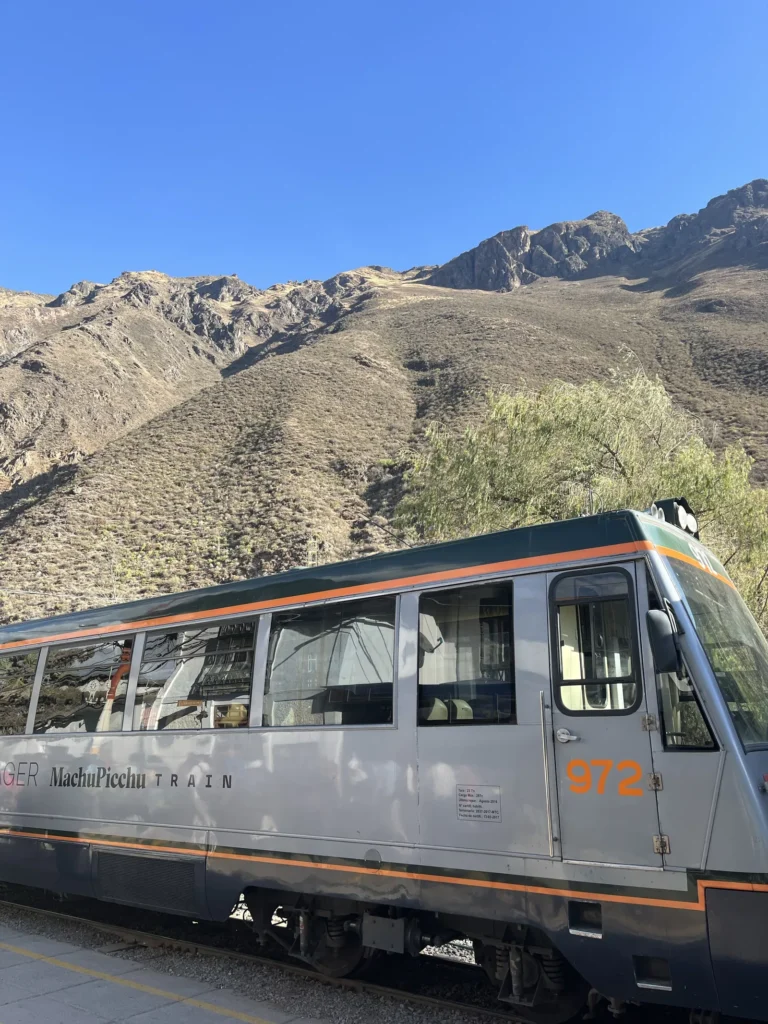
The trains are run by two operators — PeruRail and Inca Rail. Both are reliable, run the same route and have similar prices. Good to know: if one operator is sold out, the other often still has tickets. Trains leave from Cusco (Poroy station) or from Ollantaytambo in the Sacred Valley. From Poroy the journey takes about 3.5 hours, from Ollantaytambo only one and a half to two hours, so many people first go to Ollantaytambo, see the impressive ruins there and only then board the train.
Train classes
PeruRail offers three main classes.
| Class | What you get | One-way price |
|---|---|---|
| Expedition | Simple, functional, comfortable | ~50–70 USD ≈ 65 € |
| Vistadome | Panoramic windows in the roof and sides, better views | ~70–100 USD ≈ 90 € |
| Hiram Bingham | Luxury — full service, meals, cocktails, music on the way back | ~400–500 USD ≈ 445 € |
For most travellers, Expedition or Vistadome is a perfectly good choice. Vistadome is worth the extra for the panoramic windows — the stretch through the Urubamba canyon is truly beautiful. Hiram Bingham is for a special occasion or for those who want to treat themselves. One more small but useful tip: travelling from Ollantaytambo to Aguas Calientes, sit on the right-hand side — that’s where the best canyon views are.
If you want to get into Machu Picchu early in the morning, the most convenient option is to stay in Aguas Calientes itself — find accommodation here. Once in Aguas Calientes, a bus takes you to the Machu Picchu entrance — about 15–20 minutes, roughly 12 USD ≈ 11 € return. You can also walk up, but it’s about an hour and a half of fairly steep climbing, and after the journey most people choose the bus. The entry ticket itself must be bought in advance, and only on the official website machupicchu.gob.pe. Tickets are sold for a specific time slot and cost about 45–60 USD ≈ 55 € depending on whether you add a mountain (Huayna Picchu or Montaña) or not.
Comparison: Inca Trail, Salkantay, Lares and the train
So you don’t have to keep it all in your head, here are the four options in one table. Prices are approximate and depend on the agency, season and class.
| Option | Duration | Difficulty | Limited permit? | Approximate price |
|---|---|---|---|---|
| Classic Inca Trail | 4 days | Moderate–hard | Yes, strictly (500/day) | ~800–1,400 USD ≈ 1 250 € |
| Salkantay | 4–5 days | Hard (pass ~4,600 m) | No | ~280–500 USD ≈ 445 € |
| Lares | 2–3 days | Easy–moderate | No | ~250–450 USD ≈ 400 € |
| Train (no trek) | 1 day | No effort | No (Machu Picchu ticket only) | ~100–200 USD ≈ 180 € + ticket |
The Inca Trail price includes everything — the permit, the Machu Picchu ticket, the train back, meals and porters. Salkantay and Lares prices depend a lot on the comfort level: there are budget groups with tents and more upmarket options with mountain lodges. With the train option, the separate Machu Picchu entry and the bus are added on top of the train ticket, so the final total for the day ends up similar to a couple of nights in a mid-range hotel.
How to prepare for any of the alternatives
Whichever option you choose, a few things apply to all of them. The first and most important is altitude. All these routes start in the Cusco region, which is itself about 3,400 metres high, and the passes climb to 4,200–4,600 metres. Acclimatisation isn’t a detail — it’s what either lets you enjoy the trip or ruins it. Once you arrive in Cusco, give yourself at least a couple of quiet days before any trek or high-altitude excursion. More on how to handle altitude and what to do about symptoms is in the altitude sickness guide.
Second — layered clothing. In the Andean highlands, in a single day you go from hot sun to a windy pass where it’s cold even in summer. You’ll need quick-drying T-shirts, a warm fleece layer, a windproof jacket, a warm hat and gloves for the higher spots. SPF 50+ sunscreen and a wide-brimmed hat are a must — UV radiation at altitude is very intense. Wear hiking boots that are broken in, not new, otherwise blisters are guaranteed.
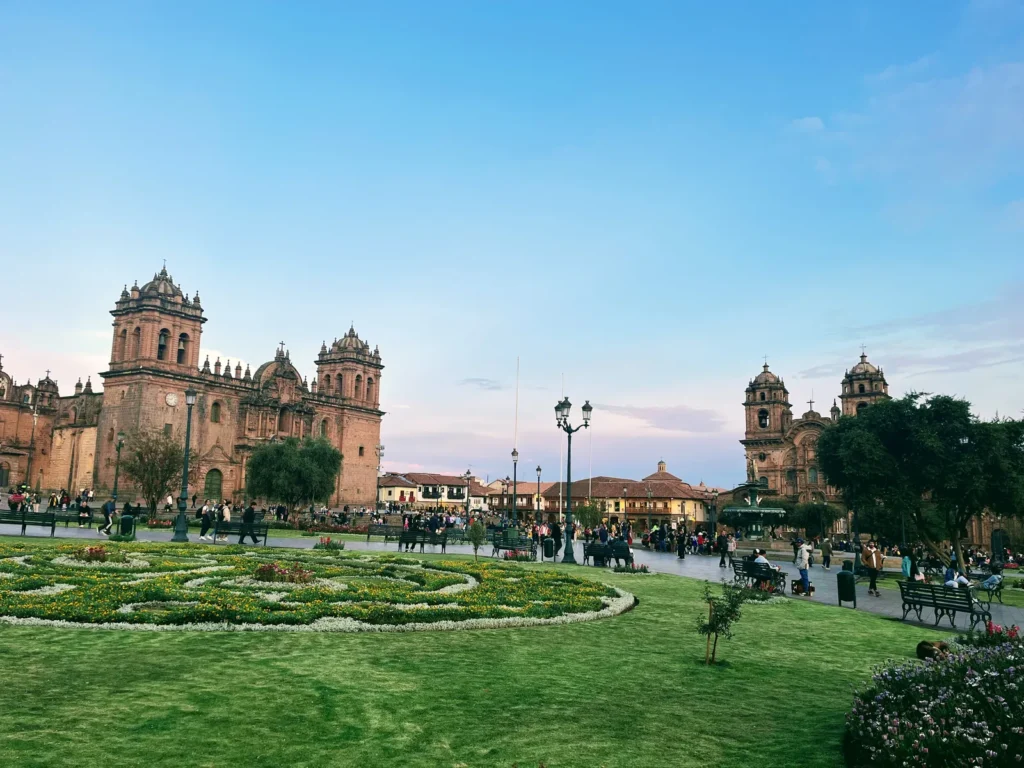
Third — your base. All these routes revolve around Cusco, so it makes sense to give the city itself some time. Sacsayhuamán fortress, San Pedro market, the Plaza de Armas and the Sacred Valley are all close by, and they make great acclimatisation activities before the trek. What’s worth seeing and how to explore it all on your own is in the guide Cusco — what to see on your own.
And fourth — how it all fits into a bigger itinerary. If you want even more high-altitude hiking, Huaraz and the Cordillera Blanca treks with the famous Laguna 69 are worth considering too. Think about how much time to give this part of the trip so you still have time for everything else — Lima, Lake Titicaca, Arequipa or the Amazon. You’ll find the big picture and how to put it all together in the main Peru travel guide.
Which alternative to choose — a quick verdict
You want the most beautiful nature and aren’t afraid of a higher pass — Salkantay. You’re drawn to people, culture and quieter trails — Lares. You don’t want to hike or have just one day — the train. And if what matters most is the original, with sunrise at the Sun Gate, and permits are still available — then go back to the classic Inca Trail (reliable operators include Alpaca Expeditions and Inka Altitude), and you won’t find anything better.
The good thing is that every one of these routes leads to the same place — Machu Picchu.
FAQ
Do you need a permit for the Salkantay trek, like for the Inca Trail?
Not the same kind. Salkantay doesn’t have the strict daily quota of the classic Inca Trail, which allows only 500 people a day and registers each place to a passport number. Salkantay has more spots, you can book later, and the chance of everything being sold out is much lower. Still, book through a reliable agency and don’t leave it to the last day, especially in peak season.
Can you reach Machu Picchu without any trek?
Yes, and it’s completely normal. The train from Cusco or Ollantaytambo takes you to Aguas Calientes, and from there a bus takes you up to the entrance. No hiking needed. The only must is to buy your Machu Picchu entry ticket in advance on the official website machupicchu.gob.pe, as spots for specific time slots are limited and sell out fast.
Salkantay or Lares — which is harder?
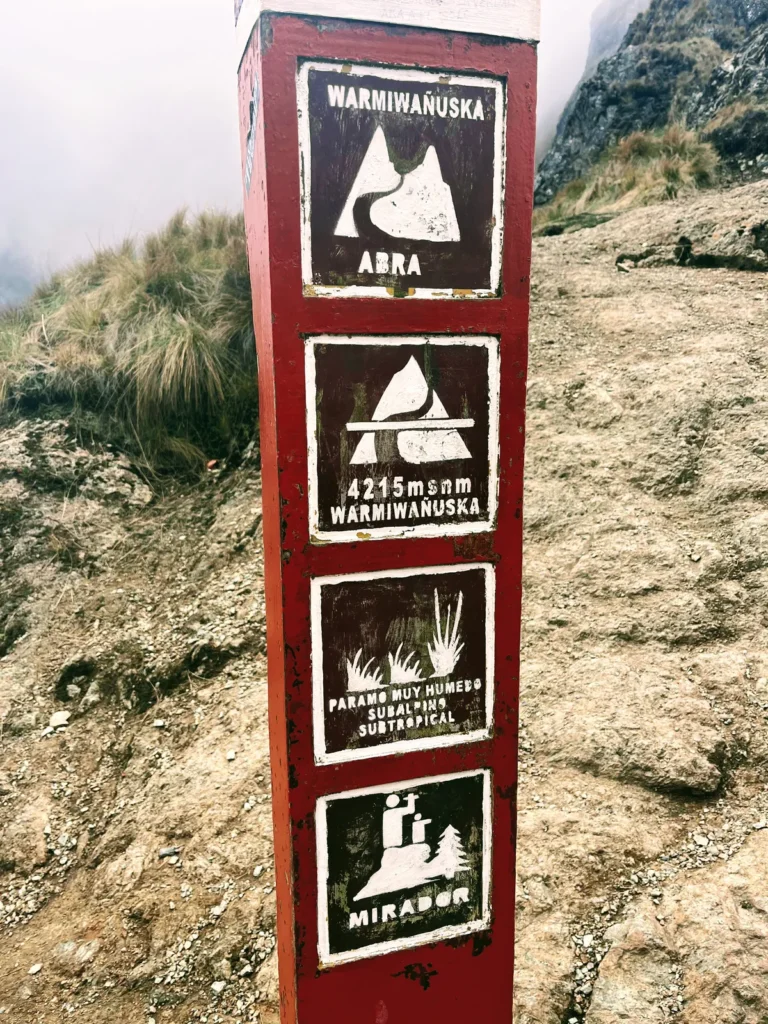
Salkantay is harder. Its highest pass reaches about 4,600 metres — higher than the Inca Trail’s Dead Woman’s Pass (4,215 m) — and the days are longer. Lares is usually shorter and considered easier, although the exact difficulty depends on the operator’s version of the route. If you’re unsure about your fitness or the altitude, Lares or the train is the safer choice.
How far in advance should you book these alternatives?
Salkantay and Lares treks can be booked later than the classic Inca Trail, but in peak season (June–August) it’s still worth sorting it out at least a month or two ahead. In busy periods, buy train tickets to Machu Picchu 2–3 months ahead — the best morning departures sell out first. The Machu Picchu entry ticket is best bought 2–4 months in advance.
Do Salkantay and Lares end at Machu Picchu itself?
Not on foot, like the classic Inca Trail. Both routes cover the last stretch to Aguas Calientes by train, and Machu Picchu is visited the next morning. That means you won’t walk in through the Sun Gate — if that sunrise entrance is your dream, the only way to experience it is the classic Inca Trail.
Are these alternatives safe in terms of altitude sickness?
There is altitude risk on all routes, as the passes climb to 4,200–4,600 metres. The key is proper acclimatisation — spend at least a couple of quiet days in Cusco before the trek, drink plenty of water, move slowly and tell your guide about any symptoms. The train option is the safest, as Machu Picchu itself (2,430 m) is lower than Cusco.
Look for flights to Peru here. If something goes wrong with your flights, you can claim compensation through AirHelp or Compensair.
Signal is weak in the mountains, but in Cusco and the cities you’ll need the internet constantly. The easiest solution is an eSIM plan that you set up before you leave.
I always recommend booking your airport transfer in advance. You can do it here.
Find accommodation in Cusco and Aguas Calientes here.
Travel Without Chaos: Peru — Classic 20-Day Itinerary Without a Car (+ Inca Trail)
Classic 20-Day Trip to Peru — Complete PDF Guide